
 Chloe Peterson
11 Myths Intelligent People Refuse to Believe

We all grow up hearing certain facts that seem to be common knowledge.
Your teachers mention them, your friends repeat them, and they show up in movies and TV shows.
But here’s the thing: many of these widely believed ideas are actually completely wrong.
Smart thinkers question what they hear and look for real evidence before accepting something as true.
1. Humans Only Use 10% of Their Brains

Brain scans tell a different story than this popular myth suggests.
When scientists use advanced imaging technology to study the brain, they can see that nearly every part lights up with activity throughout the day.
Different tasks activate different regions, but no section sits unused.
Thinking this myth is true would mean 90% of your brain does nothing, which makes zero sense from an evolutionary standpoint.
Your brain uses about 20% of your body’s energy despite being only 2% of your weight.
Evolution wouldn’t waste resources maintaining such expensive tissue if it served no purpose.
Even simple activities like brushing your teeth involve multiple brain regions working together seamlessly.
2. Bulls Are Enraged by the Color Red

Bulls actually can’t see red the way humans do.
They’re colorblind to red and green, similar to people with certain types of color vision deficiency.
What really gets a bull’s attention during a bullfight isn’t the cape’s color but rather its movement.
Matadors wave the cape in sweeping motions that trigger the bull’s natural instinct to charge at moving objects.
You could use a blue, yellow, or even white cape and get the same aggressive response.
The red color is purely theatrical, chosen for the audience’s benefit and tradition.
Scientists have tested this by showing bulls different colored flags, and the results confirm movement matters most.
3. Napoleon Bonaparte Was Extremely Short

History got this one wrong thanks to a measurement mix-up.
Napoleon stood around 5 feet 6 inches tall, which was actually average or even slightly above average for French men in the 1800s.
The confusion came from differences between French and English measurement systems at the time.
French inches were longer than British inches, so when his height was recorded in French measurements and read by English speakers, people assumed he was much shorter.
His nickname “le petit caporal” didn’t help, though it was actually a term of endearment from his soldiers, not a comment on his height.
British propaganda also exaggerated his shortness to mock their enemy.
4. Lightning Never Strikes the Same Place Twice

Tall structures get hit by lightning over and over again, proving this saying completely false.
The Empire State Building gets struck about 25 times every year.
Lightning follows the path of least resistance to the ground, and if a spot provided that path once, it’ll likely do so again.
Mountains, towers, and other high points are lightning magnets precisely because they offer the shortest route for electricity to reach Earth.
Weather conditions don’t change the physics involved.
Park ranger Roy Sullivan was struck by lightning seven different times during his career, earning him a spot in the record books.
Understanding this helps people stay safe during storms.
5. Goldfish Have a 3-Second Memory Span
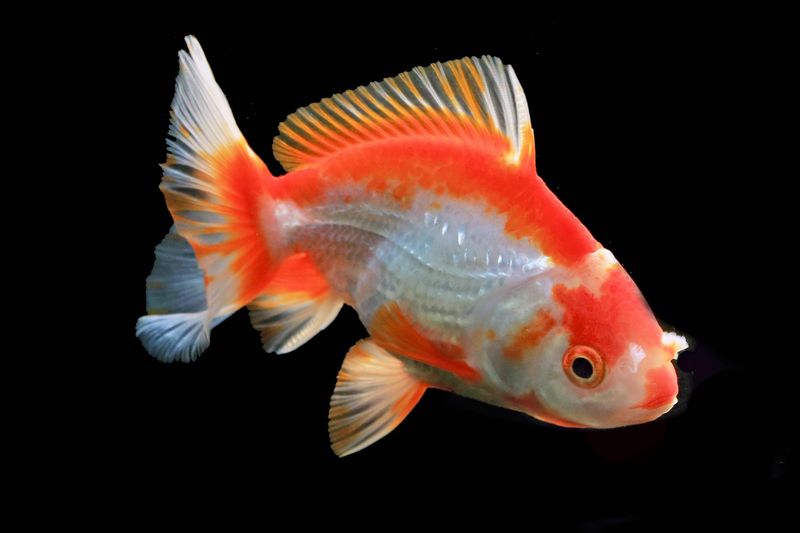
Your pet goldfish remembers way more than you think.
Scientists have trained goldfish to navigate mazes, recognize shapes, and even respond to specific sounds for food.
Some studies show they can retain information for several months, which wouldn’t be possible with a three-second memory.
Goldfish learn to avoid areas where they’ve experienced something unpleasant and remember feeding times.
They can distinguish between different people and recognize their owners.
In experiments, goldfish have demonstrated the ability to remember trained behaviors for up to five months.
This myth probably exists because people underestimate fish intelligence in general.
6. The Great Wall of China Is Visible from Space

Astronauts have repeatedly confirmed you can’t see the Great Wall from space with your naked eyes.
While the wall is incredibly long, stretching thousands of miles, it’s also quite narrow compared to the vast landscape around it.
From space, it blends in with the natural terrain.
The myth likely started before anyone had actually been to space, when people imagined what might be visible from such heights.
Even from low Earth orbit, the wall is nearly impossible to spot without magnification.
Other human-made structures like cities and highways are actually more visible because they’re larger and contrast more with their surroundings.
Astronaut photographs have settled this debate conclusively.
7. Sugar Causes Hyperactivity in Children

Parents have blamed sugar for wild behavior at birthday parties for decades, but science doesn’t support this connection.
Multiple controlled studies have given children either sugar or artificial sweeteners without telling parents which their kids received.
Parents reported hyperactivity in both groups equally, showing their expectations influenced what they noticed.
The real culprit at parties is usually excitement from the special occasion, new friends, and fun activities.
Kids get naturally energized in stimulating environments regardless of what they eat.
Researchers have found no direct link between sugar consumption and increased activity levels in controlled settings.
Context matters more than cake when it comes to behavior.
8. Daddy Longlegs Are the Most Poisonous Spiders
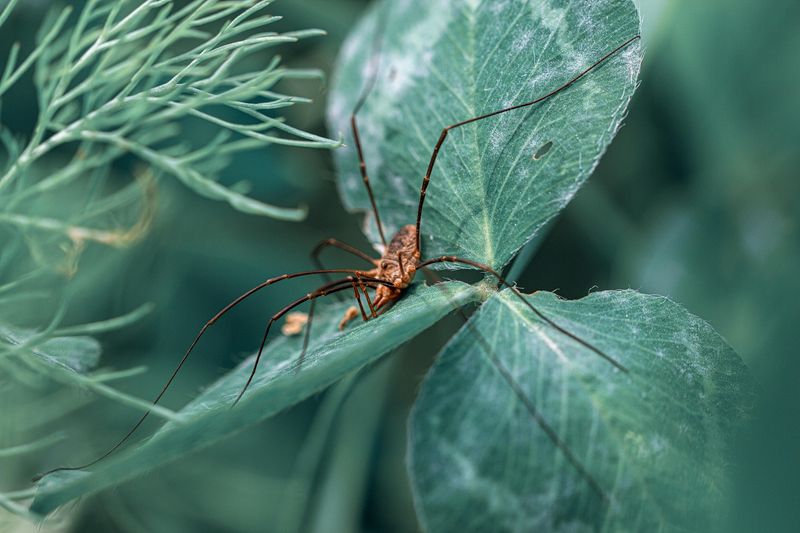
These creatures aren’t even true spiders, and they definitely can’t poison you.
Daddy longlegs, properly called harvestmen, belong to a different group of arachnids called Opiliones.
They lack venom glands entirely and don’t have fangs capable of breaking human skin.
The myth claims they’re deadly venomous but their fangs are too small to bite people.
Reality is simpler: they have no venom at all.
True daddy longlegs spiders do have tiny fangs and mild venom, but it’s harmless to humans and they’re not aggressive.
This misconception has been passed down through generations despite having no factual basis whatsoever.
9. The Tongue Map for Tasting Different Flavors

Remember learning that different tongue areas taste sweet, salty, sour, and bitter separately?
That’s completely inaccurate.
Taste receptors for all primary flavors exist across your entire tongue.
A mistranslation of German research from 1901 created this myth, and it stuck around in textbooks for way too long.
The original scientist noted slight sensitivity differences in tongue regions, but this got exaggerated into completely separate zones.
In reality, you can taste sweetness on the tip, sides, and back of your tongue equally well.
The same goes for all other taste categories.
Modern research has thoroughly debunked this outdated tongue map concept.
10. Chameleons Change Color to Camouflage
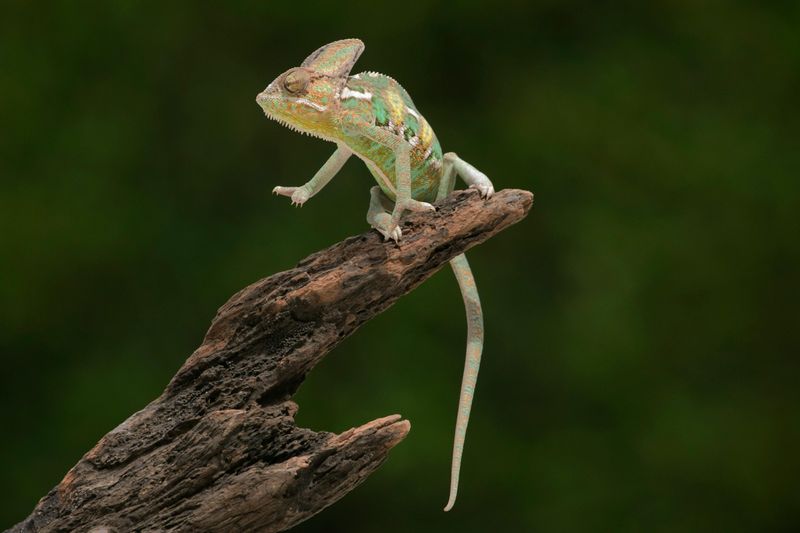
Camouflage is actually a minor reason why chameleons change color.
These remarkable lizards shift their appearance primarily to communicate with other chameleons, regulate their body temperature, and express their moods.
A male chameleon might turn bright colors to attract females or warn off rivals.
When they’re cold, they might darken to absorb more heat from the sun.
Stressed or scared chameleons often display different colors than relaxed ones.
Special cells called chromatophores in their skin contain different pigments that expand or contract to create color changes.
While they can blend in sometimes, communication drives most of their color-changing behavior.
11. The Five Senses Are the Only Way to Perceive the World

Your body actually has many more than five ways to sense the world around you.
Proprioception lets you know where your body parts are without looking at them.
Close your eyes and touch your nose easily?
That’s proprioception at work, not one of the traditional five senses.
Thermoception allows you to sense temperature changes on your skin.
Nociception is your ability to feel pain, which is separate from touch.
You also have a sense of balance controlled by your inner ear, called equilibrioception.
Scientists continue discovering additional sensory systems, showing how our perception is far more complex than grade school lessons suggested.
Comments
Loading…