
 Chloe Peterson
13 Thoughts Women Have After Leaving a Good Man

Walking away from a relationship isn’t always about finding someone better or escaping something terrible. Sometimes women leave good men, and the aftermath brings a whirlwind of confusing emotions and second-guessing.
The thoughts that follow can range from relief to regret, from clarity to complete confusion. Understanding these common mental patterns helps validate the complex emotional journey many women experience after making such a difficult choice.
1. Did I Make a Huge Mistake?
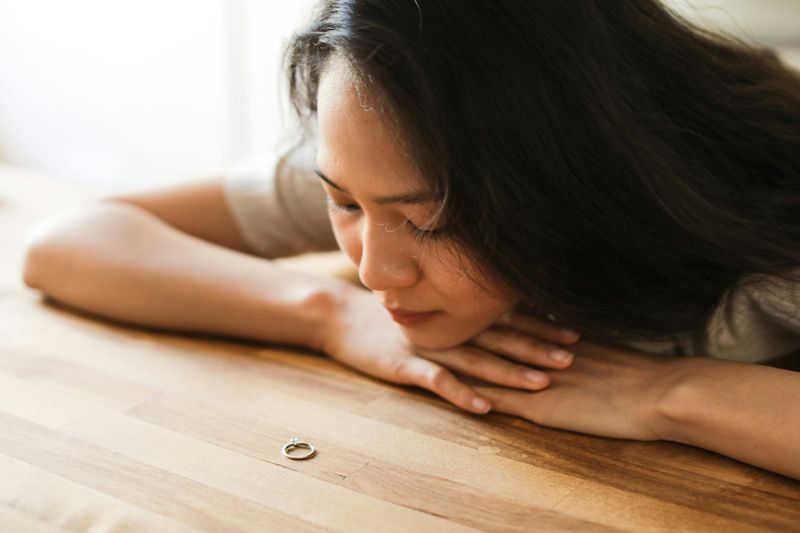
Second-guessing kicks in fast, usually within the first few days or weeks.
Your mind replays every good moment like a highlight reel, making you wonder if you threw away something precious.
Doubt creeps in during quiet moments when you’re alone with your thoughts.
Friends might tell you that you did the right thing, but their words don’t always quiet the nagging voice inside.
Memory has a funny way of filtering out the reasons you left in the first place.
Everything looks rosier through the rearview mirror.
This uncertainty is completely normal and doesn’t necessarily mean your decision was wrong.
Give yourself time before making any impulsive moves to reconnect.
2. Maybe I’m Too Picky

Self-blame often disguises itself as reasonable self-reflection.
You start wondering if your standards are unrealistic or if you’re chasing some fantasy that doesn’t exist.
Everyone around you seems to be settling down, which makes you question your own choices.
The truth is, leaving someone good doesn’t automatically mean you’re impossibly demanding.
Compatibility involves more than just kindness and stability.
Chemistry, shared values, and genuine connection matter just as much as being treated well.
Being selective about your life partner isn’t the same as being unreasonably picky.
You deserve someone who checks multiple boxes, not just the basic ones.
3. I’ll Never Find Someone That Good Again

Fear of scarcity hits hard after leaving a quality person.
Your brain immediately jumps to worst-case scenarios where you end up alone or with someone far worse.
Dating horror stories from friends suddenly feel like prophecies of your future.
This thought pattern ignores an important reality: there are millions of good people in the world.
One good man doesn’t represent your only shot at happiness.
Your ex’s positive qualities aren’t as rare as panic makes them seem.
Scarcity thinking keeps people trapped in relationships that aren’t quite right.
Trust that other opportunities will come, even if you can’t see them yet.
4. What If He Finds Someone Better?

Jealousy about his future relationships sneaks up unexpectedly, even when you’re the one who left.
Imagining him happy with someone else stings more than you anticipated.
Social media makes this torture easily accessible with just a few clicks.
This feeling stems from ego more than genuine desire to be with him.
Nobody wants to feel replaceable or to watch someone move on effortlessly.
It’s human nature to want to remain important in someone’s story.
His future happiness doesn’t diminish your worth or prove you made a mistake.
Two people can both be good and still wrong for each other.
5. I Took His Kindness for Granted

Guilt washes over you when you remember all the thoughtful things he did.
The morning coffee he made, the way he listened to your work complaints, the small gestures that showed he cared.
Hindsight makes his efforts seem more valuable than they felt in the moment.
Appreciating someone’s kindness doesn’t mean you owed them your forever.
Gratitude and romantic compatibility are separate issues entirely.
You can acknowledge his good qualities while still knowing the relationship wasn’t right.
Many people confuse appreciation with obligation.
Being treated well is the baseline, not the sole reason to stay committed to someone.
6. Everyone Thinks I’m Crazy

Judgment from others feels extra heavy when you leave someone everyone else liked.
Family members might express disappointment or confusion about your choice.
Friends who thought he was perfect struggle to understand your perspective.
Outside opinions don’t account for the private dynamics that only you experienced.
People see the public version of relationships, not the intimate reality.
What looks perfect from the outside might feel suffocating or incomplete from within.
Your relationship wasn’t a democracy where others get votes.
Their confusion doesn’t invalidate your lived experience or your reasons for leaving.
7. Was I Running from Commitment?

Deep psychological questioning kicks in as you analyze your own patterns and motivations.
Maybe you have commitment issues that need addressing, or perhaps you’re afraid of vulnerability.
Self-awareness becomes both a tool and a weapon against yourself.
Sometimes this introspection reveals genuine patterns worth examining with a therapist.
Other times, it’s just another way to second-guess a decision that was actually healthy.
Not every ending signals a personal flaw or fear.
Leaving a good person can be an act of self-knowledge rather than self-sabotage.
Knowing what you need takes courage, not cowardice.
8. I Miss the Comfort and Routine

Loneliness hits differently when you’re used to having a partner around constantly.
The empty side of the bed, cooking for one, and making decisions solo all feel strange.
Habits built over months or years don’t disappear overnight.
Missing the relationship structure doesn’t mean you miss the actual person necessarily.
Humans are creatures of habit who find security in predictable patterns.
Breaking routines creates discomfort even when the change is positive.
Comfort isn’t the same as happiness or fulfillment.
Many people stay in mediocre relationships simply because the known feels safer than the unknown.
9. What If This Hurts Him Too Much?

Worry about his emotional wellbeing lingers long after the breakup conversation ends.
You wonder if he’s eating properly, sleeping okay, or spiraling into depression.
Caring about someone doesn’t vanish just because romantic feelings changed.
This concern is natural but can also become a trap that keeps you connected unhealthily.
He’s an adult responsible for his own healing process.
Your job isn’t to manage his emotions or protect him from the pain of reality.
Staying out of guilt or worry serves neither of you in the long run.
Short-term pain often leads to long-term growth and better matches for both people.
10. I Should Have Tried Harder

Regret about effort levels creeps in as you replay the relationship’s final months.
Maybe couples therapy could have fixed things, or perhaps better communication would have bridged the gap.
Hindsight makes solutions seem obvious that weren’t clear at the time.
Relationships require two people trying equally hard to succeed.
If you were the only one pushing for change or growth, more effort wouldn’t have mattered.
Some incompatibilities can’t be resolved through sheer willpower.
Knowing when to stop trying is actually a valuable life skill.
Not everything broken deserves to be fixed, especially at the cost of your own happiness.
11. Maybe Good Enough Should Have Been Enough

Philosophical questions about perfection versus reality dominate your thinking during quiet moments.
Romance novels and movies create unrealistic expectations that real relationships can’t match.
Perhaps you’re chasing sparks that inevitably fade anyway.
Here’s the counterpoint: settling for good enough guarantees future resentment and dissatisfaction.
Life is too short to spend with someone who doesn’t truly excite you.
Good enough works for cars and apartments, not life partners.
You deserve more than a checkbox partner who meets basic requirements.
Passion, connection, and genuine compatibility matter just as much as reliability and kindness.
12. I’m Scared I’ll Repeat This Pattern

Anxiety about your own decision-making abilities surfaces as you question your judgment.
If you couldn’t make it work with someone objectively good, what does that say about your future?
Patterns from past relationships suddenly seem like evidence of fatal flaws.
One or even several ended relationships don’t constitute a pathological pattern necessarily.
People grow and change, which means relationships that once fit stop fitting.
Evolution isn’t the same as self-sabotage.
Learning from experience improves future choices rather than dooming them.
Each relationship teaches you more about what you truly need versus what you thought you wanted.
13. I Need to Trust My Gut

Eventually, clarity breaks through the noise of doubt and external opinions.
Your intuition was telling you something important that logic couldn’t fully articulate.
Feelings don’t always make rational sense but that doesn’t make them invalid.
Trusting yourself means accepting that you know your own experience better than anyone else.
Good on paper doesn’t translate to good in reality.
Your inner voice deserves respect even when it leads you away from seemingly perfect situations.
This realization marks the beginning of true healing and self-acceptance.
You made a brave choice prioritizing authenticity over convenience, and that takes real strength.
Comments
Loading…