
 Mila Ross
10 Clear Signs It’s Time for a Digital Detox

Our phones, tablets, and computers have become extensions of ourselves, rarely leaving our sides from the moment we wake up to the minute we fall asleep. We check them constantly—during meals, in conversations, and even in quiet moments—often without even realizing how automatic the habit has become.
But when does normal, everyday use quietly cross the line into something unhealthy or overwhelming? Recognizing the warning signs that you need a break from technology can help you regain control of your time and attention, improve your mental health, and reconnect more meaningfully with the real world around you.
1. You Check Your Phone Within Minutes of Waking Up

Before your feet even hit the floor, your hand reaches for your phone.
This automatic morning ritual means technology has hijacked your natural wake-up routine.
Starting your day by scrolling through notifications floods your brain with information before you’re fully awake.
Your morning should belong to you, not your inbox.
When checking social media or emails becomes your alarm clock’s replacement, you’ve lost precious moments of calm.
This habit sets a reactive tone for your entire day.
Consider placing your phone across the room at night.
Give yourself at least 30 minutes of phone-free morning time to stretch, think, or simply exist without digital demands.
2. Physical Pain From Screen Time Has Become Normal

Neck aches, eye strain, and thumb pain shouldn’t be part of your daily experience.
Yet you’ve normalized these warning signals your body sends.
Your posture has suffered from hunching over screens, creating what doctors call “tech neck.”
Headaches at the end of each day might seem routine now.
Blurry vision after scrolling or difficulty focusing on distant objects are red flags you’re ignoring.
Your hands might even cramp from endless typing and swiping.
Physical symptoms are your body’s way of saying “enough.” Listen to these signals before temporary discomfort becomes permanent damage.
Taking regular breaks isn’t optional anymore—it’s necessary for your health.
3. You Feel Anxious When Your Phone Isn’t Nearby

Panic sets in when you can’t immediately locate your device.
This feeling of dread when separated from your phone has a name: nomophobia.
Your heart races, your palms sweat, and you can’t focus until it’s back in your possession.
Even knowing your phone is charging in another room creates background anxiety.
You find yourself making excuses to go check it “just in case.” Missing a notification feels like missing something important, even when nothing truly urgent is happening.
This constant connection has rewired your sense of security.
Real emergencies are rare, yet your brain treats every moment of disconnection as a crisis worth stressing over.
4. Real Conversations Feel Interrupted by Digital Ones

Someone is talking to you, but your attention keeps drifting to your buzzing phone.
You’ve started checking notifications mid-conversation without even realizing how rude it appears.
The person in front of you deserves better than competing with a screen.
Family dinners now feature everyone on their devices instead of engaging with each other.
You might physically be present, but mentally you’re scrolling through someone else’s life.
Genuine connection requires undivided attention, something you rarely give anymore.
Notice how often you interrupt face-to-face moments to check your phone.
Each glance tells the other person they matter less than whatever’s happening online.
That’s not the message you want to send.
5. Your Sleep Quality Has Seriously Declined

Tossing and turning has become your nightly routine.
You scroll through social media “just for a few minutes” before bed, which turns into an hour or more.
The blue light from your screen tricks your brain into thinking it’s still daytime, suppressing melatonin production.
Even when you finally put the phone down, your mind races with everything you just consumed online.
You wake up tired despite being in bed for eight hours.
Quality sleep requires winding down, not ramping up with stimulating content.
Your bedroom should be a sanctuary for rest, not another place to work or scroll endlessly.
Better sleep starts with establishing a phone-free zone before bedtime.
6. You Compare Your Life to Others Constantly Online

Everyone’s life looks perfect online, and yours suddenly feels inadequate by comparison.
You scroll through vacation photos, career achievements, and relationship milestones feeling increasingly worse about yourself.
Social media has become a highlight reel that makes your everyday life seem boring.
Jealousy and dissatisfaction weren’t problems before you spent hours comparing yourself to carefully curated online personas.
You’re measuring your behind-the-scenes against everyone else’s polished performances.
It’s an unfair and unhealthy comparison.
Remember that people share their best moments, not their struggles.
Your worth isn’t determined by likes, followers, or how your life stacks up against filtered images online.
7. Productivity Has Plummeted Despite Constant Busyness

Hours disappear into a black hole of digital distraction.
You sit down to work but end up checking email, social media, news sites, and messages instead.
What should take one hour stretches into three because you can’t maintain focus.
Every notification pulls your attention away, and it takes several minutes to refocus each time.
You’re always busy but rarely accomplish what truly matters.
Multitasking across devices creates the illusion of productivity while actually reducing your effectiveness.
Deep work requires sustained attention, something impossible when constantly switching between digital tasks.
You know you could accomplish more in less time without these interruptions.
8. You Reach for Your Phone During Every Idle Moment

Waiting in line?
Phone comes out.
Sitting in traffic?
You’re scrolling.
Every spare second gets filled with digital stimulation rather than allowing your mind to rest or wander.
You’ve lost the ability to simply be present without entertainment.
Boredom has become intolerable, something to immediately fix with your device.
But those quiet moments used to be when creativity sparked and problems solved themselves.
Your brain needs downtime to process information and generate ideas.
Constantly consuming content leaves no space for original thought.
You’re always inputting but never allowing time for output.
Embracing occasional boredom isn’t wasting time—it’s essential for mental health.
9. You’ve Missed Important Real-Life Events While Online
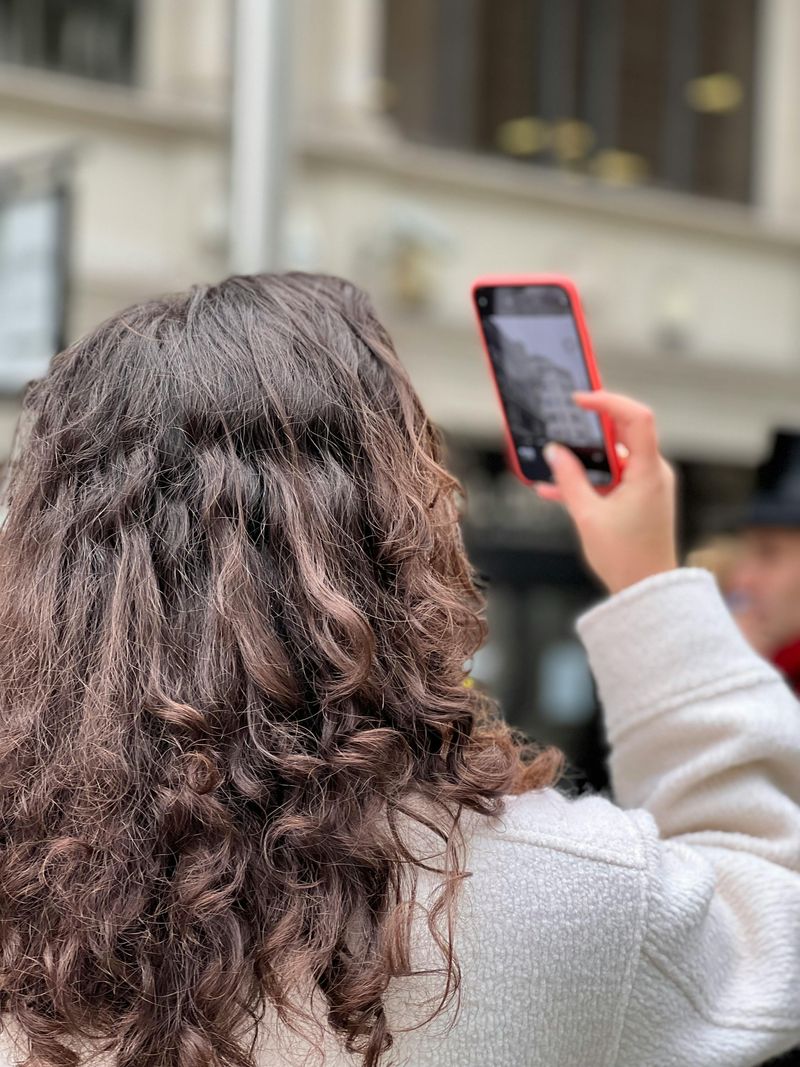
Your child scored a goal, but you were filming it instead of watching.
You’ve documented experiences rather than living them, viewing life through a screen instead of your own eyes.
Later, you can’t remember the moment itself, only that you posted about it.
Special occasions now feel like content creation opportunities rather than genuine experiences.
You’re so focused on getting the perfect shot for social media that you miss the actual event unfolding.
Memories are made through presence, not documentation.
Ask yourself: are you attending this event to experience it or to prove you were there?
The difference matters more than you realize for creating lasting, meaningful memories.
10. You Feel Drained Rather Than Energized After Screen Time

What started as a quick break to relax has left you feeling more tired than before.
Scrolling through endless content drains your mental energy instead of replenishing it.
You intended to unwind but somehow feel worse—more anxious, more scattered, more exhausted.
True rest involves activities that actually restore you, not just passive consumption of digital content.
Reading, walking, talking with friends, or creating something leaves you feeling refreshed.
Screens promise relaxation but deliver the opposite.
Pay attention to how you actually feel after phone sessions.
If you consistently feel worse rather than better, that’s your clearest sign that a digital detox isn’t just helpful—it’s necessary.
Comments
Loading…