
 Mila Ross
The ‘Prestige TV’ Fatigue: Why We’re All Returning to 22-Episode Comfort Shows
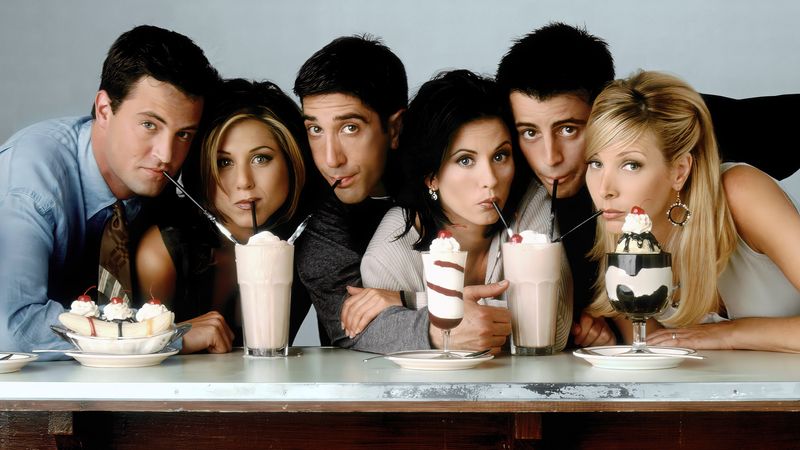
Somewhere along the way, TV stopped being a casual treat and started feeling like a commitment.
The “golden age” of prestige series gave us incredible storytelling, gorgeous cinematography, and performances that deserved awards, but it also quietly raised the bar for what it takes to relax.
When every new show is dark, twisty, emotionally demanding, and built like an eight-hour movie, watching can start to feel less like a break and more like another task on the list.
That’s why so many of us are drifting back to the comfort of 22-episode seasons, familiar characters, and stories that wrap up before bedtime.
It isn’t that we’ve become less sophisticated, it’s that our lives have become more crowded, and entertainment that fits into the corners of real life suddenly feels like the most luxurious option of all.
1. We’re burnt out on “TV as homework.”
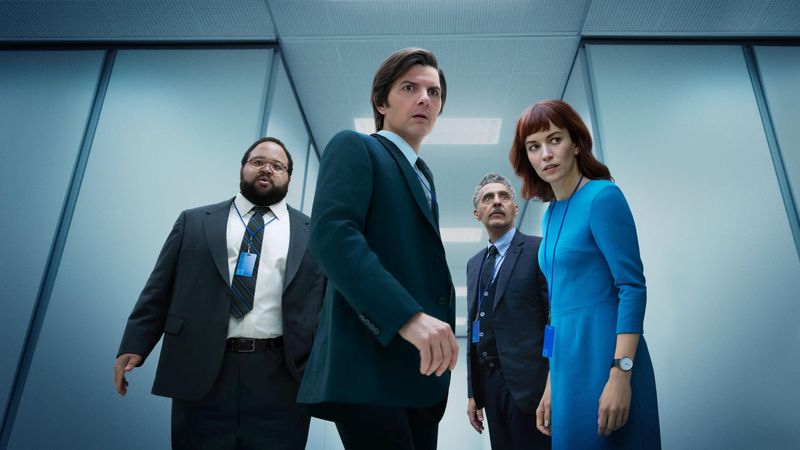
After a long day, the last thing most people want is a show that requires full concentration, emotional readiness, and the mental stamina to keep track of timelines, clues, and subtle symbolism.
Prestige TV can be incredible, but it often asks you to watch like you’re studying, and that’s a hard sell when your brain already feels fried from work, family, and the constant background noise of modern life.
Comfort shows offer a different deal, because they don’t demand that you bring your best self to the couch.
You can press play without preparing to be devastated, shocked, or challenged, and you can still enjoy the ride even if you’re not catching every detail.
For many viewers, that low-pressure experience is the point, not a compromise.
2. Comfort shows don’t punish you for looking away.

A lot of the most popular modern shows are designed to be watched with total attention, which sounds reasonable until you remember how most people actually live.
Dinner has to be made, messages keep coming in, laundry needs folding, and sometimes you just want to unwind while your hands stay busy.
The beauty of a 22-episode comfort show is that the story structure can handle real life happening alongside it, because you can glance away for a minute and still know what’s going on when you come back.
You don’t need to rewind because you missed a whispered clue that changes everything, and you don’t feel like you’re “doing it wrong” if you multitask.
That kind of flexibility makes TV feel like a companion again instead of a test.
3. We miss episodic closure.

There’s something deeply satisfying about a story that begins, develops, and wraps up in the same hour, especially when the rest of life rarely offers neat endings.
Long seasons built around episodic plots deliver tiny doses of closure, whether that means a case gets solved, a problem gets fixed, or a small conflict gets smoothed over before the credits roll.
Prestige series often trade that for one long arc, which can be compelling, but it also turns relaxation into a slow march toward the finale.
If you’re stressed, that lingering tension can feel like carrying a heavy bag from episode to episode, because there’s no moment where your mind gets to fully exhale.
Comfort shows let you experience completion regularly, and that steady payoff can be more calming than any big twist.
4. Short seasons feel like a bad deal.

When a show gives you eight episodes and then disappears for a year or two, it’s hard not to feel like you barely got started before it was over.
That format may work beautifully for tight storytelling, but it doesn’t always satisfy the craving many viewers have for something steady and generous.
A 22-episode season isn’t just “more content,” it’s more time spent with a world you enjoy, more room for fun side stories, and more chances for characters to feel like real fixtures in your week.
It can also make the viewing experience less intense, because the show doesn’t have to cram everything into a handful of episodes.
In a media landscape where everything feels fleeting, a long season can feel like comfort you can actually settle into rather than a quick hit that’s gone immediately.
5. Rewatching is self-soothing.

Choosing a familiar series again isn’t laziness, it’s often a form of emotional regulation, even if people don’t describe it that way.
When you already know what’s going to happen, your brain doesn’t have to brace for surprises, and that predictability can feel like a relief if you’re anxious or overstimulated.
Rewatching also removes the pressure to “keep up,” because you aren’t racing to finish before the internet spoils the ending, and you aren’t trying to decode what every moment is foreshadowing.
The experience becomes less about suspense and more about comfort, like slipping into a favorite sweatshirt that fits just right.
With long-season shows, there’s also plenty of material to cycle through, so you get the soothing repetition without getting bored as quickly as you might with a short series.
6. The stakes are lighter—and that’s the point.

Not everyone wants entertainment that leaves them emotionally wrecked, even if the writing is brilliant and the performances are stunning.
Plenty of prestige series are built around violence, trauma, moral collapse, or relentless tension, and while those themes can be powerful, they can also feel exhausting when your everyday life already includes stress, uncertainty, and a constant stream of bad news.
Comfort shows tend to keep the stakes more manageable, which doesn’t mean they’re shallow, it just means they’re easier to live with.
Problems exist, but they’re usually solvable within an episode, and even when a storyline gets serious, the tone doesn’t stay suffocating for long.
For viewers who are trying to relax, “lighter” is not an insult, it’s a feature that makes the show feel safe to return to again and again.
7. Ensemble casts feel like “hanging out.”

One reason long-running shows stay beloved is that they build a sense of community, and that can be surprisingly powerful when adult life feels isolating.
Ensemble casts create an atmosphere where the fun is not just the plot but the relationships, because you’re returning to a group dynamic you understand and enjoy.
Over time, characters become familiar in a way that short seasons rarely allow, since you’ve seen them handle bad days, good days, awkward days, and the random in-between moments that make them feel human.
That familiarity makes the viewing experience comforting, because you’re not constantly trying to learn a new world, a new tone, and a new set of rules.
Instead, you’re dropping into a place where you know how people talk, what they value, and how the rhythm of the show will make you feel by the end.
8. Decision fatigue makes comfort TV the easiest choice.

Scrolling through endless menus can be more draining than people admit, especially when you’re already tired and your brain is begging for something simple.
Choosing a new prestige series often comes with hidden effort, because you’re not just picking a show, you’re picking a mood, a time commitment, and a level of intensity that might follow you into the rest of your evening.
Comfort shows remove that mental negotiation, because you already know what you’re getting, and you already know you like it.
There’s no worry that the first episode will be slow, confusing, or too heavy for the night you’re having, and there’s no guilt if you stop watching halfway through.
When decision fatigue is real, predictable entertainment becomes less of a habit and more of a practical solution that makes relaxation possible.
9. Prestige TV can be uneven (and endings disappoint).

Modern series can be brilliant for six episodes and then stumble, stretch out mysteries, or deliver finales that leave viewers feeling like they invested a lot for very little payoff.
Part of the problem is that prestige storytelling often builds hype through suspense, and suspense is hard to sustain without eventually disappointing someone.
A comfort show usually isn’t trying to reinvent television every season, which means it’s less likely to crash under the weight of its own ambition.
Even if an episode is mediocre, it’s rarely devastating, because the show’s purpose is consistency rather than shock.
That reliability matters when you’re using TV to unwind, because you don’t want to feel tricked or emotionally drained by something that promised a masterpiece.
In a strange way, the “lower stakes” of comfort TV can make it feel like a safer investment of your time and attention.
10. Sometimes we don’t want “art”—we want relief.

There are nights when you want a show that challenges you, and there are nights when you simply want your shoulders to drop and your mind to quiet down.
Prestige TV is often designed to be important, thought-provoking, and culturally conversation-worthy, but that doesn’t automatically make it the right choice for relaxation.
Comfort shows aren’t trying to impress you with their genius, they’re trying to make you feel good, and that difference matters when you’re already operating at full capacity.
Relief can look like laughter, predictable structure, and characters who feel steady and familiar, and it can also look like a storyline that resolves before you go to sleep.
Choosing that kind of TV isn’t giving up on quality, it’s recognizing that entertainment can serve different needs, and sometimes the need is simply to feel better.
Comments
Loading…