
 Hailey Watson
15 Fantastic Bands That Stayed Under the Radar
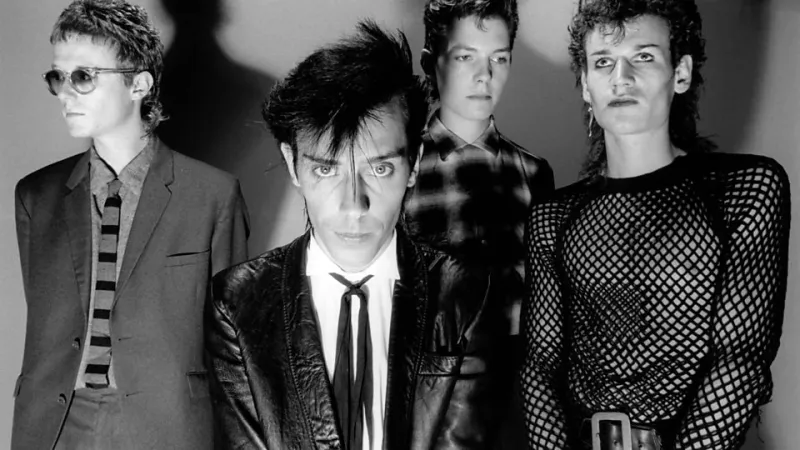
Music history is full of bands that changed everything but never got the recognition they deserved. While some groups topped the charts and filled stadiums, others created groundbreaking sounds that influenced countless musicians yet remained relatively unknown to mainstream audiences.
These hidden gems crafted innovative music that was often ahead of its time, leaving a lasting impact on rock, punk, indie, and alternative genres. Here are fifteen incredible bands whose brilliance deserved far more attention than they received.
1. Pixies

Boston’s Pixies practically invented the loud-quiet-loud dynamic that defined alternative rock in the 1990s.
Their jagged guitar riffs and Black Francis’s distinctive howl created a sound so revolutionary that Kurt Cobain openly admitted to copying their formula for Nirvana’s biggest hits.
Despite influencing an entire generation of grunge and indie bands, the Pixies never achieved mainstream success during their initial run from 1986 to 1993.
Songs like “Where Is My Mind?” and “Debaser” became cult classics, beloved by musicians and hardcore fans but largely ignored by radio stations.
Their surreal lyrics about biblical violence, UFOs, and mutilation might have been too weird for mainstream audiences.
Today, they’re recognized as pioneers, but back then, they were just four weirdos from Massachusetts making gloriously abrasive music.
2. The Velvet Underground
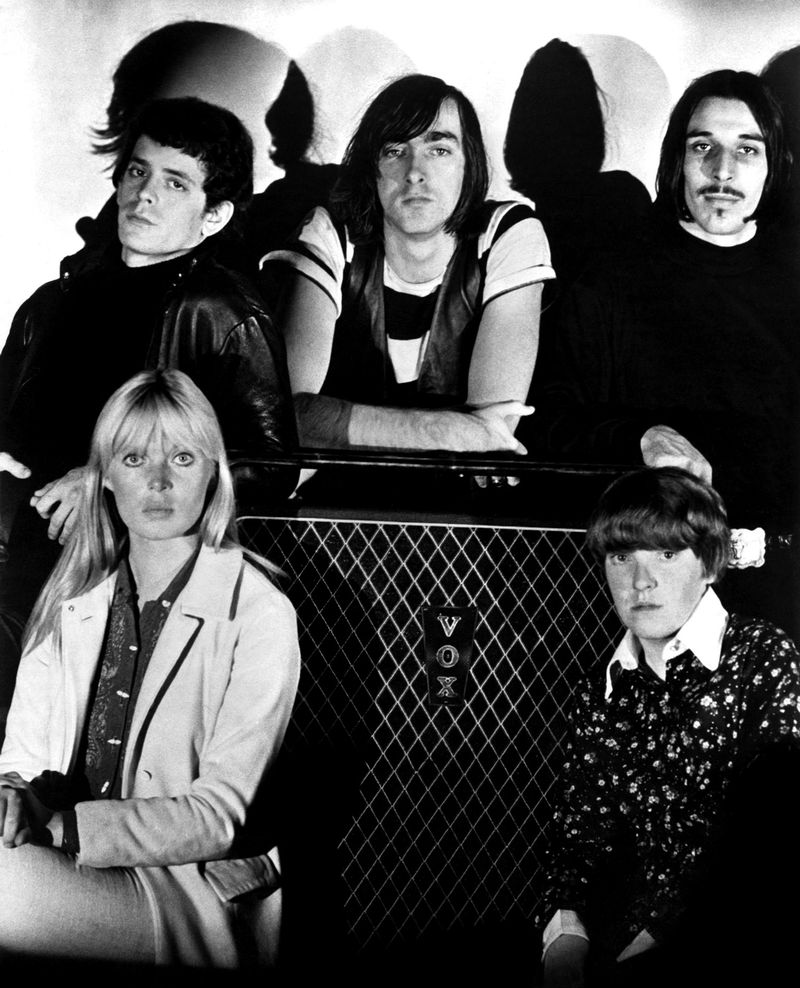
Andy Warhol’s favorite band sold almost no records during their existence, yet their influence is immeasurable.
Lou Reed and John Cale created dark, droning soundscapes that explored many taboo topics most 1960s bands wouldn’t touch.
Their debut album with the famous banana cover is now considered one of the greatest records ever made.
At the time of its release in 1967, it barely registered on the charts and confused most listeners expecting psychedelic flower power.
Producer Brian Eno famously said that hardly anyone bought a Velvet Underground album, but everyone who did started a band.
From punk to alternative to indie rock, their DNA runs through nearly every experimental rock movement that followed.
3. Slint

Six musicians from Louisville, Kentucky recorded an album in 1991 that virtually no one heard until years later.
Slint’s “Spiderland” is now hailed as a masterpiece that birthed post-rock, math rock, and countless other experimental subgenres.
Their music featured whispered vocals that suddenly exploded into anguished screams, complex time signatures, and an atmosphere of creeping dread.
The band broke up shortly after recording the album, exhausted and emotionally drained from the intense creative process.
For years, “Spiderland” was a secret handshake among music nerds, passed around on dubbed cassettes.
Bands like Mogwai, Tortoise, and Godspeed You!
Black Emperor built entire careers on the foundation Slint laid, yet most music fans have never heard their name.
4. Bauhaus

When Peter Murphy sang “Bela Lugosi’s Dead” over nine minutes of echoing guitars and tribal drums, gothic rock was born.
Bauhaus created a theatrical, horror-tinged sound that influenced everyone from Nine Inch Nails to The Cure, yet they remained cult figures throughout their career.
Their stark, minimalist approach combined punk energy with art school experimentation and German Expressionist aesthetics.
Songs were often sparse and haunting, featuring Murphy’s dramatic baritone wailing over angular guitar lines and thundering bass.
Though they’re considered godfathers of goth, Bauhaus never enjoyed commercial success beyond underground clubs and college radio.
They split up after just five years, leaving behind a small but incredibly influential body of work that continues inspiring dark-clad musicians today.
5. They Might Be Giants
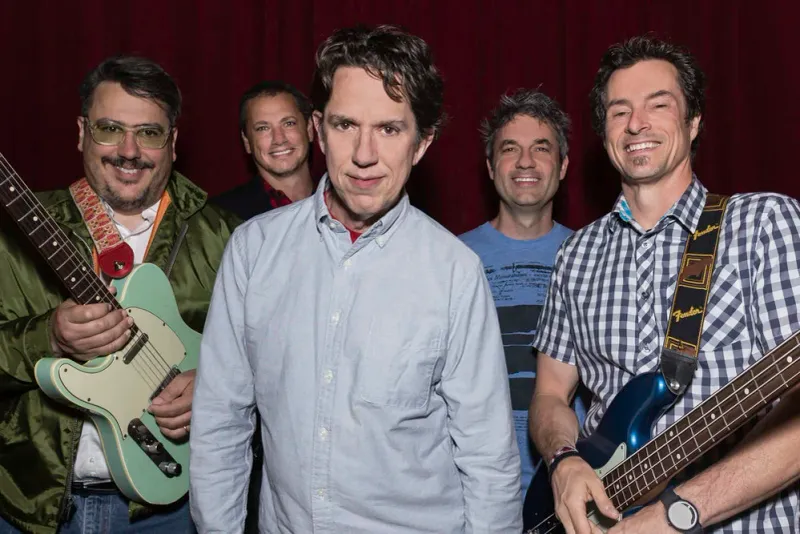
Two Johns from Brooklyn started making wonderfully weird songs about everything from Istanbul to particle physics.
They Might Be Giants crafted clever, catchy tunes that were too smart for mainstream radio but too playful for the serious alternative crowd.
Their breakthrough hit “Birdhouse in Your Soul” got some MTV airplay in 1990, but most people know them from “Boss of Me,” the Malcolm in the Middle theme song.
Between those hits, they released dozens of brilliantly strange albums exploring accordion-driven rock, educational kids’ music, and literary references.
Their live shows feature confetti cannons, puppet shows, and encyclopedic knowledge delivered through infectious melodies.
Despite a devoted fanbase and critical acclaim, they’ve remained perpetual underdogs, creating intelligent pop music for people who appreciate wordplay and whimsy.
6. The Stone Roses
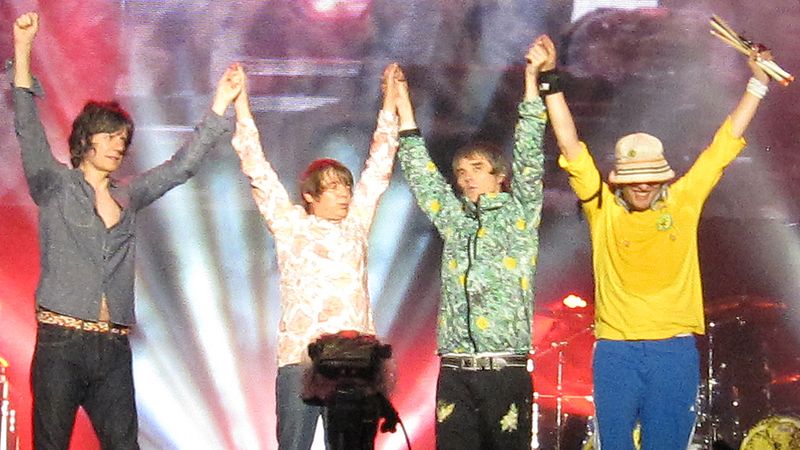
Manchester’s Stone Roses defined an entire cultural movement but never broke through in America.
Their self-titled debut album combined jangly guitars, funky basslines, and psychedelic swagger into something that captured late-80s British youth culture perfectly.
Songs like “I Wanna Be Adored” and “She Bangs the Drums” became anthems for the Madchester scene, where indie kids and ravers united on dance floors.
Their 1990 Spike Island concert drew 27,000 fans and is still considered legendary in the UK.
Legal battles with their record label derailed their momentum, and by the time they released a second album five years later, the moment had passed.
Oasis, Blur, and other Britpop bands they directly influenced achieved the worldwide success that always eluded them.
7. XTC
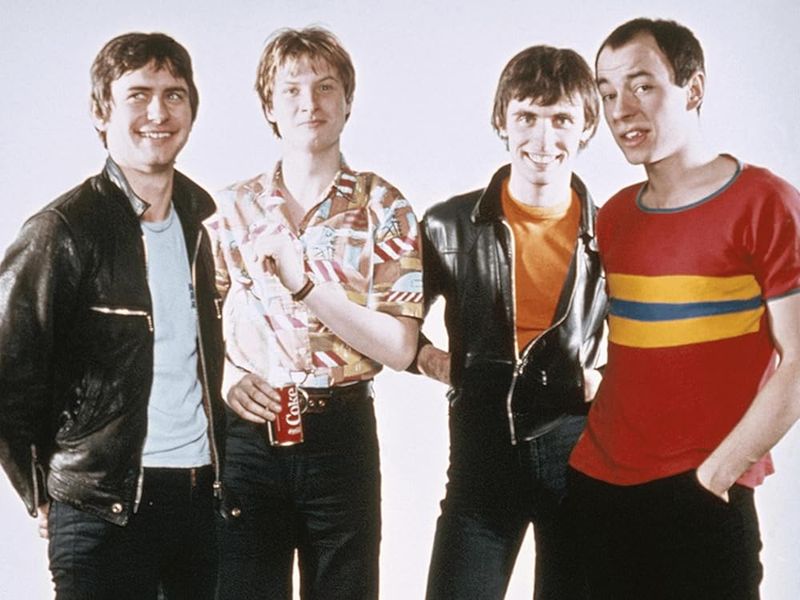
Swindon’s finest export created some of the most sophisticated pop music of the 1980s, blending Beatles-esque melodies with new wave energy and literary lyrics.
Andy Partridge’s songwriting was clever without being pretentious, crafting miniature masterpieces about everyday English life.
Stage fright ended their touring career early, which severely limited their exposure despite critical raves.
Albums like “Skylarking” and “English Settlement” showcased their range, from jangling guitar pop to complex arrangements featuring unusual instruments and time signatures.
They influenced bands from Blur to They Might Be Giants, yet radio largely ignored them in favor of simpler new wave acts.
Their refusal to tour and Partridge’s perfectionism meant fewer albums and less visibility, keeping them perpetually on the margins of mainstream success.
8. Big Audio Dynamite
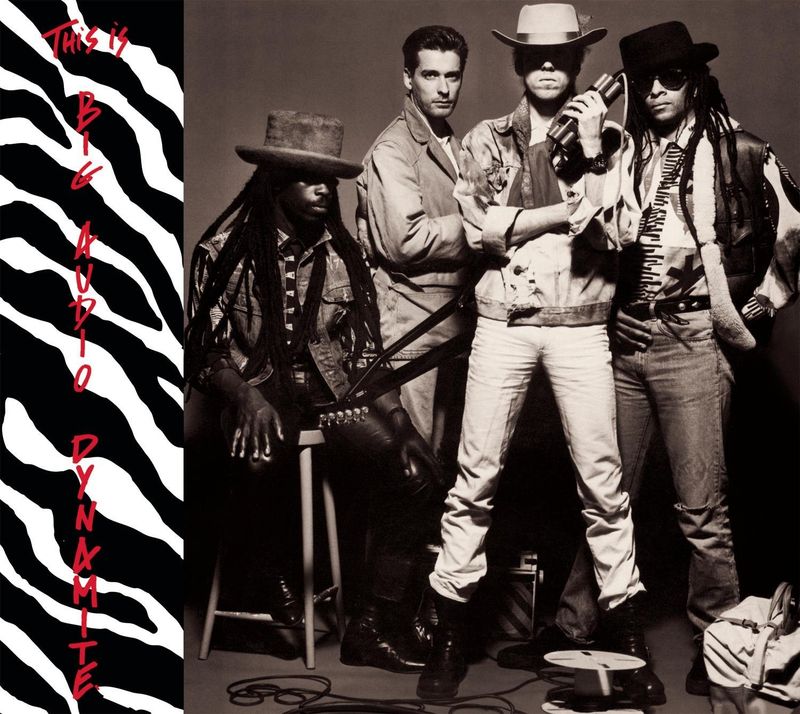
After getting kicked out of The Clash, Mick Jones formed a band that was decades ahead of its time.
Big Audio Dynamite fused rock, hip-hop, samples, and electronic music when most people thought those genres should stay separate.
Their 1985 debut “This Is Big Audio Dynamite” featured drum machines, movie dialogue samples, and rap verses alongside traditional rock instrumentation.
Songs like “E=MC²” predicted the sample-heavy production that would dominate music in the 1990s and beyond.
Despite Jones’s pedigree and their innovative sound, they never escaped cult status.
Radio didn’t know how to categorize them—too experimental for rock stations, too rock for dance clubs.
They were making music for a future that hadn’t arrived yet, and by the time it did, newer bands got the credit.
9. Big Star
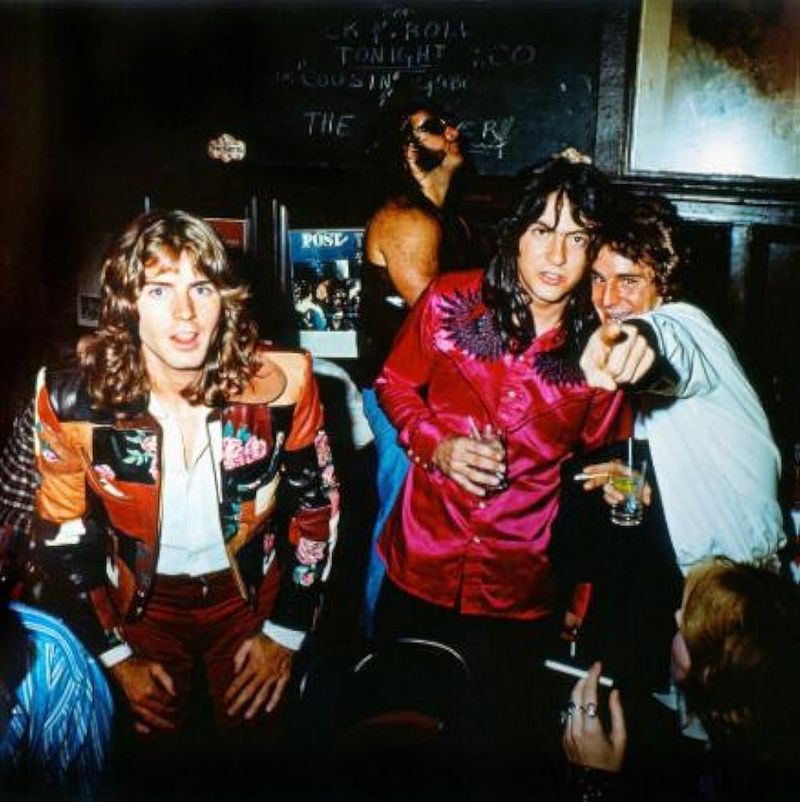
Memphis’s Big Star created perfect power pop albums that almost nobody bought.
Their first two records featured gorgeous melodies, ringing guitars, and emotionally raw lyrics that should have made them as big as The Beatles or Badfinger.
Distribution problems meant their albums were nearly impossible to find in stores, despite rave reviews from critics.
Songs like “Thirteen” and “September Gurls” are now considered classics, covered by everyone from The Replacements to Elliott Smith.
Alex Chilton’s tortured genius and the band’s commercial failures became legendary in music circles.
They broke up after their third album sold even fewer copies, but their influence grew exponentially over the decades.
R.E.M., Teenage Fanclub, and countless indie bands cite them as primary inspirations.
10. The Kinks
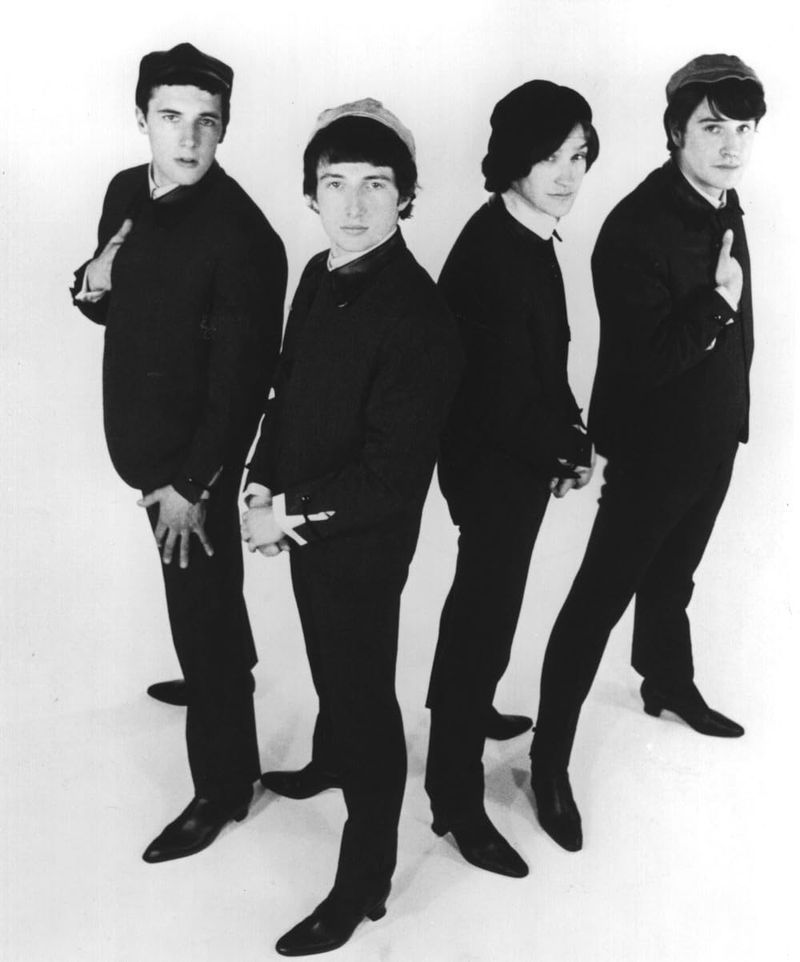
Ray Davies wrote some of the greatest songs in rock history, yet The Kinks always played second fiddle to The Beatles and Rolling Stones.
Their 1964 hit “You Really Got Me” pioneered the power chord and influenced hard rock and heavy metal.
Throughout the 1960s and 70s, they released concept albums and character-driven songs that were too quirky for American audiences.
A touring ban in the United States from 1965 to 1969 killed their momentum during the crucial British Invasion years.
Songs like “Waterloo Sunset,” “Lola,” and “Come Dancing” showcase Davies’s gift for storytelling and social observation.
While their influence on rock music is undeniable, they never achieved the commercial dominance or cultural impact of their contemporaries, remaining beloved by musicians but underappreciated by the masses.
11. The Zombies
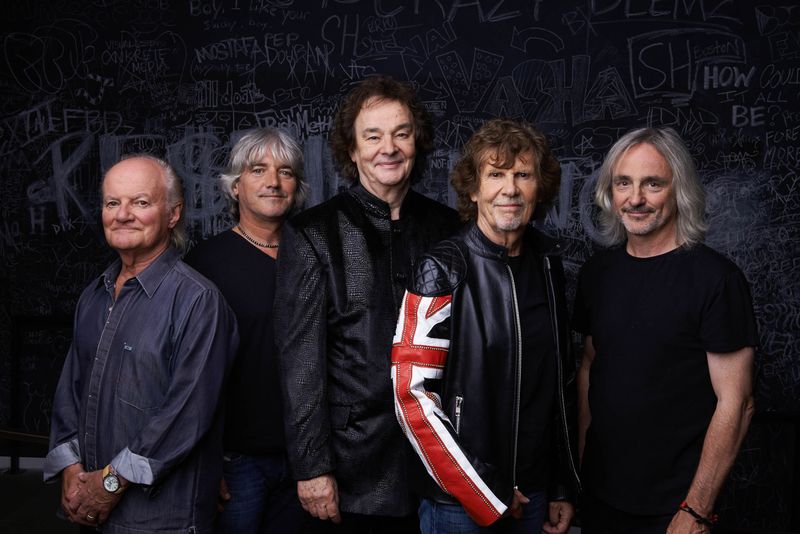
Sophisticated harmonies and Rod Argent’s jazzy keyboard work made The Zombies sound unlike any other British Invasion band.
Their 1968 album “Odessey and Oracle” is now considered a baroque pop masterpiece, but it bombed upon release.
By the time their song “Time of the Season” became a massive hit in 1969, the band had already broken up.
They never got to capitalize on their success, watching from the sidelines as other groups toured on their achievement.
The album’s complex arrangements, mellotron flourishes, and Beach Boys-influenced vocals were too advanced for 1968 audiences expecting straightforward rock.
Decades later, it’s recognized as one of the greatest albums of the era, influencing everyone from Elliott Smith to modern indie bands, but commercial success came too late.
12. The Replacements
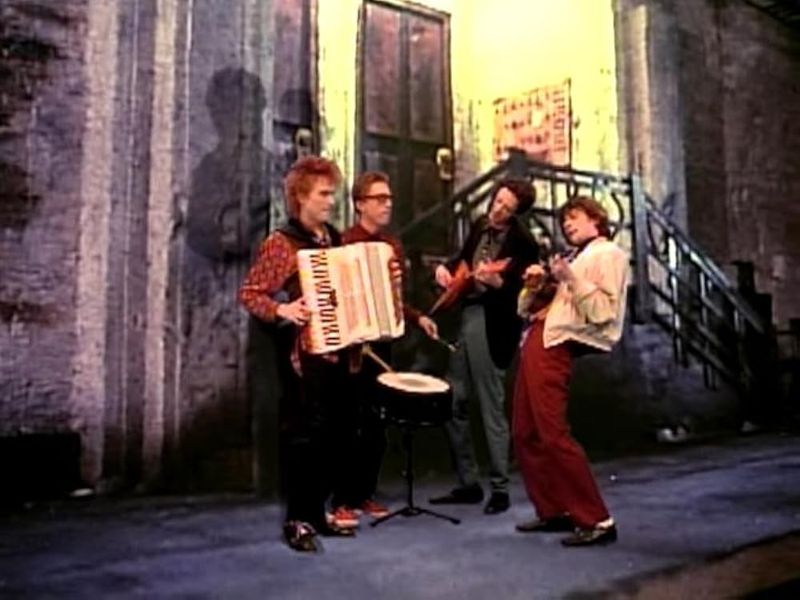
Minneapolis’s Replacements were too punk for mainstream radio but too melodic for hardcore punk fans.
Paul Westerberg wrote heartbreaking songs about failure, drinking, and growing up that captured a generation’s disillusionment perfectly.
Their legendary live shows were equally likely to be brilliant or disastrous, depending on how drunk they were.
This unpredictability made them beloved by fans but terrified record executives hoping for reliable hit-makers.
Albums like “Let It Be” and “Tim” influenced alternative rock profoundly, paving the way for grunge and emo.
Yet they never broke through commercially, always sabotaging themselves just when success seemed possible.
Their messy, human approach to rock music inspired countless bands who actually achieved the fame that eluded them.
13. Pavement
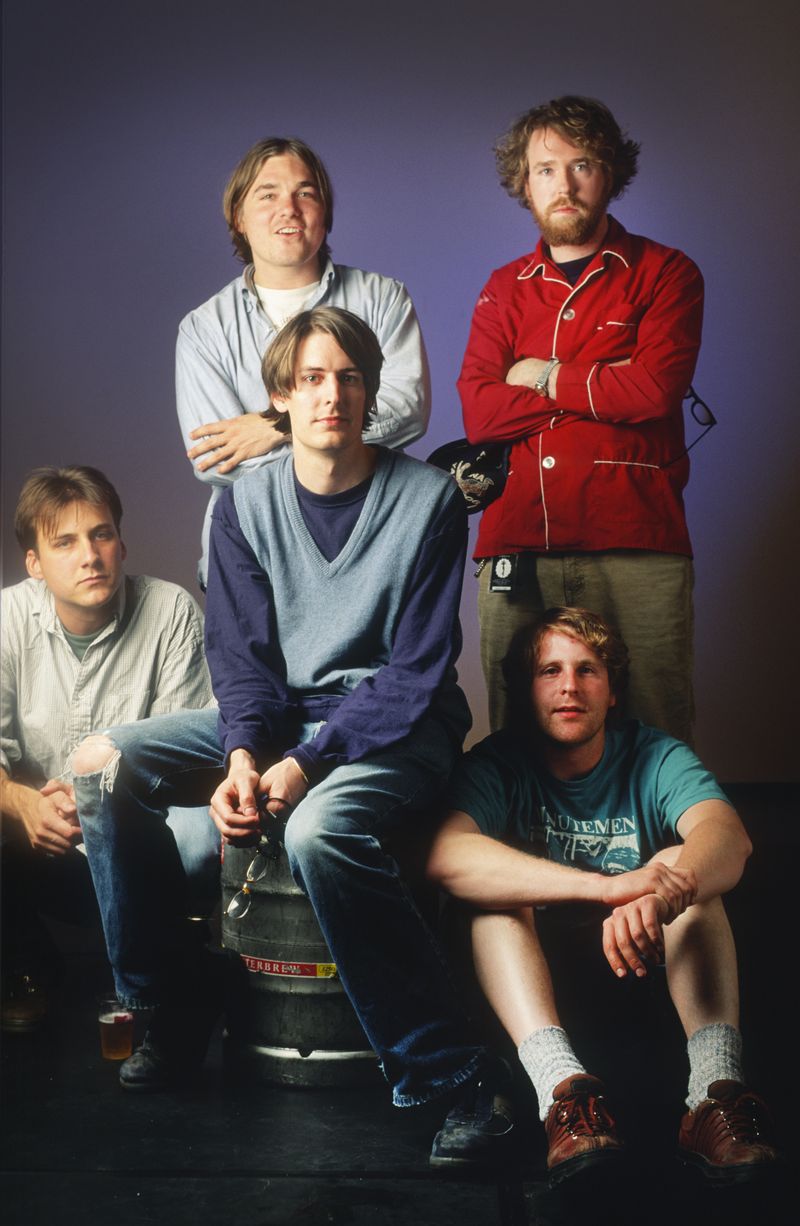
Stockton’s Pavement made gloriously sloppy indie rock that sounded like it was recorded in someone’s garage.
Stephen Malkmus’s cryptic lyrics and the band’s deliberately lo-fi production aesthetic defined 1990s indie rock for people who thought grunge was too polished.
Their 1992 album “Slanted and Enchanted” became a college radio staple, but mainstream success never came.
They seemed actively hostile to the idea of commercial appeal, writing songs with obscure references and refusing to play the music industry game.
Critics loved them, calling them the best band of the 1990s, but most people had never heard of them.
Their influence on indie rock is massive, inspiring everyone from The Strokes to modern bedroom pop artists, yet they remained determinedly underground throughout their existence.
14. The Happy Mondays

Shaun Ryder’s slurred vocals and the Happy Mondays’ shambling funk grooves defined the Madchester scene alongside the Stone Roses.
They mixed indie rock with house music, creating a sound perfect for the UK’s burgeoning rave culture.
Their chaotic lifestyle and drug-fueled recording sessions became legendary, particularly the disastrous Barbados sessions for their final album.
Pills ‘n’ Thrills and Bellyaches” went gold in the UK, but American audiences never understood their particular brand of Northern English weirdness.
Songs like “Step On” and “Kinky Afro” were massive in Britain but barely registered elsewhere.
Their influence on British music was enormous, helping bridge the gap between indie rock and dance music, yet they remained a peculiarly British phenomenon that never translated internationally.
15. Badfinger
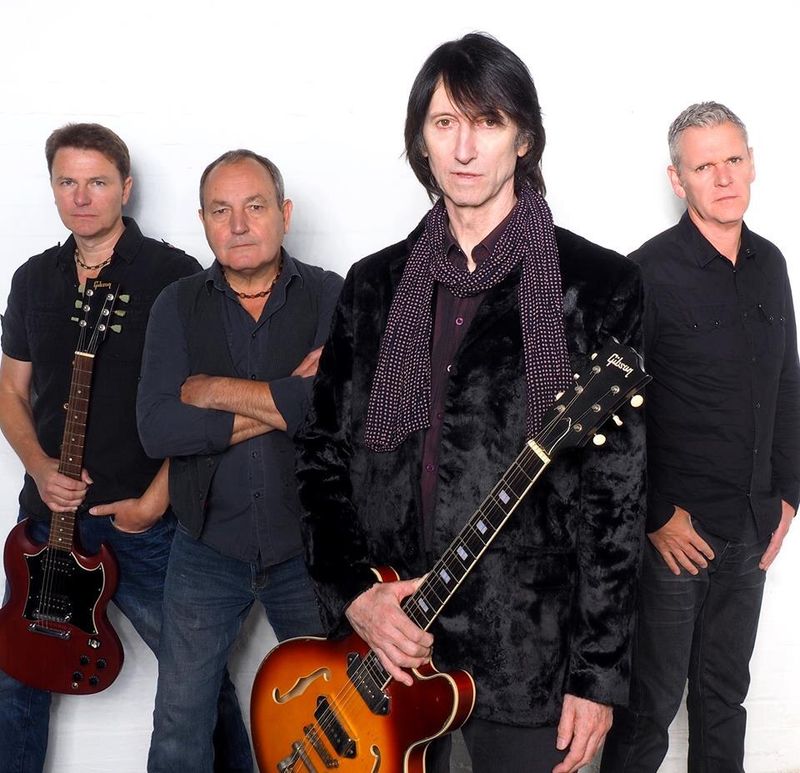
Signed to The Beatles’ Apple Records, Badfinger had everything going for them—Paul McCartney produced their first hit, and they wrote “Without You,” one of the biggest songs of the 1970s.
Yet financial mismanagement and industry exploitation destroyed them.
Their melodic power pop should have made them superstars.
Songs like “No Matter What” and “Day After Day” showcased their gift for crafting perfect three-minute pop songs with emotional depth and sophisticated arrangements.
Tragically, their story ended in bankruptcy and the suicides of two band members, Pete Ham and Tom Evans.
While Harry Nilsson’s version of “Without You” became a massive hit, Badfinger never received proper recognition or compensation.
They remain a cautionary tale about the music industry’s dark side and one of rock’s greatest what-might-have-beens.
Comments
Loading…