
 Hailey Watson
13 Things Women Quietly Dislike

Have you ever noticed something that bothers you but never really talked about it? Women everywhere share certain frustrations that rarely get discussed openly.
From everyday annoyances to social expectations, these quiet dislikes shape daily experiences in ways most people don’t realize. Understanding these common concerns helps create more thoughtful interactions and shows why small details matter so much in everyday life.
1. Clothes With Fake Pockets

Fashion designers seem to think women don’t need functional pockets, and it’s incredibly frustrating.
You find the perfect pair of pants, only to discover those pockets are just stitched-on decorations.
Meanwhile, men’s clothing comes with deep, spacious pockets that can hold phones, wallets, and keys without any problem.
This forces women to carry purses everywhere, even when they’d prefer to travel light.
It’s not about fashion preference anymore; it’s about basic functionality.
Many women would gladly choose practical pockets over sleek silhouettes any day of the week.
2. Being Interrupted Mid-Sentence

Picture this: you’re sharing an important idea during a meeting when someone suddenly talks over you.
Research shows women get interrupted significantly more often than men in professional and social settings.
The frustration builds each time it happens, yet speaking up about it often feels awkward or confrontational.
This pattern dismisses valuable contributions and creates an exhausting communication environment.
Over time, constantly being cut off makes women hesitate before sharing thoughts.
Respectful conversation means letting people finish their sentences, regardless of gender.
3. Unsolicited Advice About Appearance

Random comments like “you should smile more” or “have you tried growing your hair longer” come without invitation.
Nobody asked for these appearance critiques, yet they arrive constantly from family, strangers, and coworkers.
Women face endless suggestions about makeup, clothing choices, hairstyles, and body modifications that men rarely experience.
These remarks, however well-intentioned, imply something needs fixing or improvement.
Personal style reflects individual preferences and comfort, not an open invitation for public feedback.
Unless someone specifically requests your opinion, keeping appearance comments to yourself shows basic respect.
4. Assumption They’re Angry When Being Direct

Straightforward communication shouldn’t automatically translate to anger or aggression.
When women speak clearly and confidently, they often get labeled as bossy, aggressive, or having an attitude problem.
Men displaying identical communication styles typically receive praise for being assertive leaders instead.
This double standard forces women to soften their language with unnecessary qualifiers and apologies.
Being direct means valuing efficiency and clarity, not harboring hidden emotions.
Professional environments should welcome straightforward communication from everyone without gendered interpretations clouding the message.
5. The Mental Load of Household Management
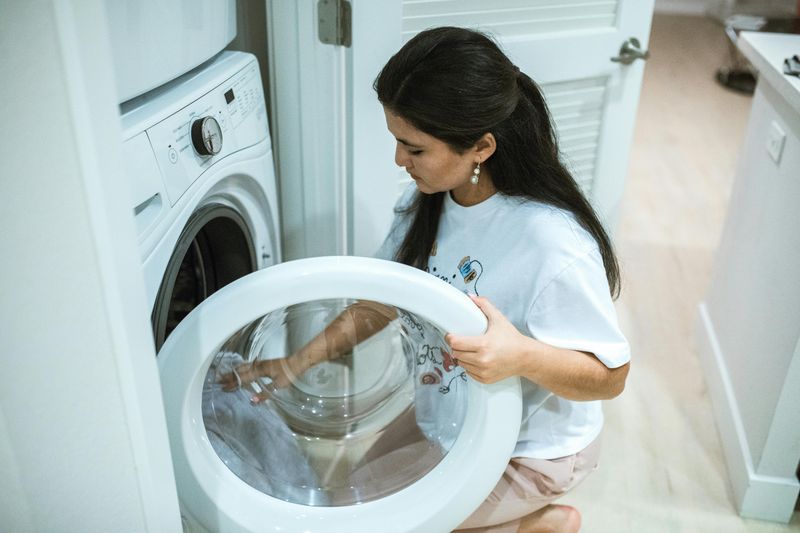
Remembering birthdays, scheduling appointments, tracking grocery needs, and planning meals takes significant mental energy.
This invisible labor often falls entirely on women’s shoulders, even in households with equal partnerships.
It’s not just about doing chores; it’s about being the household’s default manager and memory keeper.
Partners might help when asked, but that still requires someone to delegate and remember everything first.
This constant background processing creates exhausting mental clutter that never fully shuts off.
Sharing this cognitive load means proactively tracking household needs without waiting for reminders.
6. Questions About Having Children

Family gatherings often include the dreaded “when are you having kids” interrogation from well-meaning relatives.
These deeply personal questions assume everyone wants children and that reproduction timelines are appropriate casual conversation.
Some women can’t have children, some choose not to, and others aren’t ready yet—all valid situations that strangers don’t need to know about.
Fertility struggles, medical issues, financial concerns, and personal choices remain private matters.
Asking these questions can unintentionally cause pain or force uncomfortable explanations.
Respecting boundaries means avoiding reproductive interrogations disguised as friendly interest.
7. Being Called Emotional for Having Feelings

Expressing legitimate concerns or disappointment shouldn’t automatically get dismissed as being emotional.
Women frequently hear they’re overreacting when raising valid issues that deserve serious consideration.
Meanwhile, men displaying identical emotions—frustration, passion, or enthusiasm—get described as passionate or dedicated instead.
This dismissive label invalidates real problems and discourages honest communication.
Emotions provide valuable information about situations and shouldn’t be weaponized to shut down conversations.
Everyone experiences feelings; only women get consistently penalized for acknowledging them openly.
8. The Pink Tax on Products

Walk down any store aisle and notice how razors, deodorants, and shampoos marketed toward women cost significantly more.
These products often contain identical ingredients to men’s versions but come with inflated price tags simply because of packaging color.
Studies confirm women pay more for equivalent personal care items, clothing, and services throughout their lives.
This pricing discrimination adds up to thousands of dollars over time without providing any additional value.
Haircuts, dry cleaning, and even toys demonstrate this frustrating pattern.
Smart shoppers increasingly buy men’s products to avoid this unnecessary financial penalty.
9. Being Asked to Take Meeting Notes

Qualified professionals shouldn’t automatically become secretaries during meetings just because of their gender.
Women consistently get volunteered for note-taking, planning office parties, and other administrative tasks regardless of their actual job titles.
These requests waste valuable time and subtly position women as support staff rather than equal contributors.
Men in identical positions rarely face these expectations, allowing them to focus on strategic contributions instead.
Office housework provides no career advancement opportunities while consuming significant energy.
Rotating these responsibilities fairly acknowledges everyone’s time holds equal value.
10. Explaining Their Own Expertise

Imagine being a doctor, engineer, or lawyer who constantly faces doubt about their qualifications.
Women professionals regularly encounter skepticism about their expertise that male colleagues never experience.
They must repeatedly prove their credentials, provide extra evidence, and defend their knowledge in ways that waste time and energy.
Patients ask female doctors if they’re really physicians, clients question female lawyers’ experience, and audiences doubt female speakers’ authority.
This exhausting credibility tax requires constant validation of legitimate expertise.
Assuming competence regardless of gender creates more productive and respectful professional environments.
11. Uncomfortable Safety Precautions

Walking to your car requires planning: keys positioned as weapons, phone ready, constant awareness of surroundings.
Women navigate daily life with safety calculations that most men never consider necessary.
Texting friends when arriving home, avoiding certain streets after dark, and pretending to talk on phones all become automatic protective behaviors.
These precautions aren’t paranoia; they’re responses to genuine risks women face regularly.
The mental energy spent on constant vigilance adds exhausting background stress to ordinary activities.
Nobody should need elaborate safety strategies just to exist in public spaces.
12. Compliments That Focus Only on Appearance

Accomplished professionals deserve recognition for their intelligence, creativity, and achievements, not just their outfit choices.
Women frequently receive appearance-focused compliments while their actual accomplishments get overlooked entirely.
Colleagues comment on hairstyles during presentations about groundbreaking research or compliment dresses instead of brilliant ideas.
This pattern reduces complex, talented individuals to decorative objects rather than respected contributors.
Men in similar situations typically receive compliments about their work, ideas, or leadership abilities.
Meaningful recognition acknowledges substance over superficial qualities and validates what truly matters.
13. Being Told They’re Too Sensitive

Raising legitimate concerns about disrespectful behavior shouldn’t result in accusations of oversensitivity.
This dismissive response shifts blame from the person causing problems to the person identifying them.
Women pointing out inappropriate comments, unfair treatment, or genuine issues regularly hear they’re making mountains out of molehills.
This gaslighting tactic invalidates real experiences and discourages speaking up about future problems.
Sensitivity actually means being attuned to nuance and recognizing when situations feel wrong.
Respecting feedback means listening to concerns seriously rather than attacking the messenger’s emotional state.
Comments
Loading…