
 Harper Hall
The Remote Work Trap: Why Working From Home Can Quietly Cost You Money (And How to Fix It)

Working from home is supposed to be the ultimate money-saver, because you’re not commuting, buying office lunches, or getting tempted by “just one more” coffee run.
The problem is that the savings often show up loud and obvious, while the new costs creep in quietly and gradually.
A few dollars on delivery here, an upgraded internet plan there, and a couple of “small” home-office purchases can add up until your remote setup starts costing as much as your old routine.
Even worse, some of the biggest losses aren’t line-item expenses at all, because they show up as missed raises, longer hours, or burnout that forces you to spend more just to cope.
The good news is you can fix most of these leaks with simple limits, a little tracking, and a few smart asks.
1. Your utility bills become your new commute

Staying home all day means your lights, heat, air conditioning, and electronics run longer than they ever did when you were out of the house for eight or nine hours.
What feels like a small daily change can turn into a noticeable monthly jump, especially in peak summer and winter.
The easiest fix is to stop guessing and actually measure the difference by comparing two to three months of bills from a similar season, then calculating the average increase.
Once you know the number, you can reduce it without living in discomfort by focusing climate control on the room you use most, sealing drafts, and using a programmable schedule that matches your workday.
If your employer offers stipends, this is also one of the most reasonable costs to document and bring up.
2. Internet upgrades you didn’t budget for
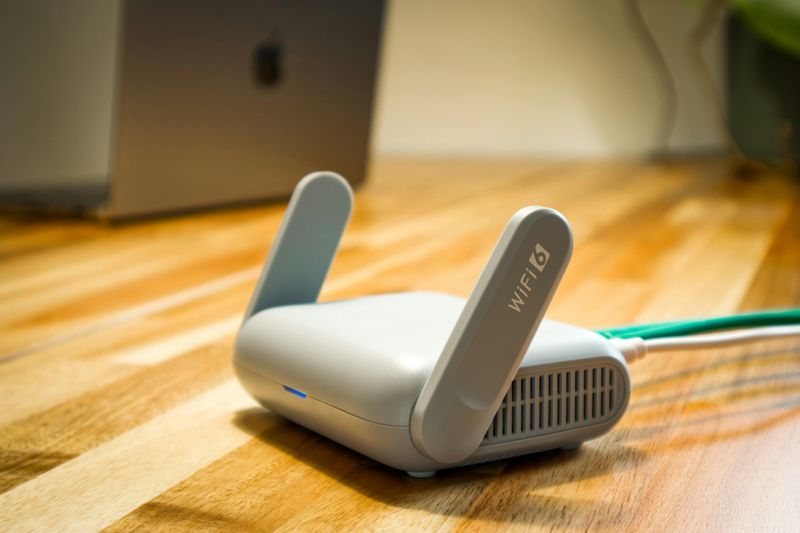
Remote work makes your internet connection feel like a utility you cannot compromise on, which is exactly why so many people quietly upgrade and never revisit the decision.
A higher-tier plan may be helpful at first, but it can become a recurring bill you keep paying even after you’ve stabilized your setup.
Start by running a few speed tests during peak hours for a week and comparing the results to what your work actually requires, because many jobs run smoothly without top-tier speeds.
Next, call your provider and ask for current promotions, because “new customer” pricing is often available if you negotiate or adjust your plan.
If you use internet primarily for work during the day, it’s also reasonable to request partial reimbursement, especially if your company requires video calls or heavy uploads.
3. Coffee shop “work sessions” turn into a habit

Getting out of the house can feel like self-care when you work remotely, and a café is an easy way to create structure and energy.
The trap is that a “once in a while” treat can quietly become a default, especially when you start associating a coffee purchase with productivity.
Two drinks a week turns into four, then there’s the pastry, then it’s lunch because you’re already there.
A sustainable fix is to set a clear budget and a clear frequency, such as one café day per week or a monthly spending cap, and treat that limit as part of your work routine rather than a willpower test.
If you still want the vibe, recreate it at home with one special drink and a playlist, then save the café for when it truly boosts your focus.
4. Delivery lunch becomes the default
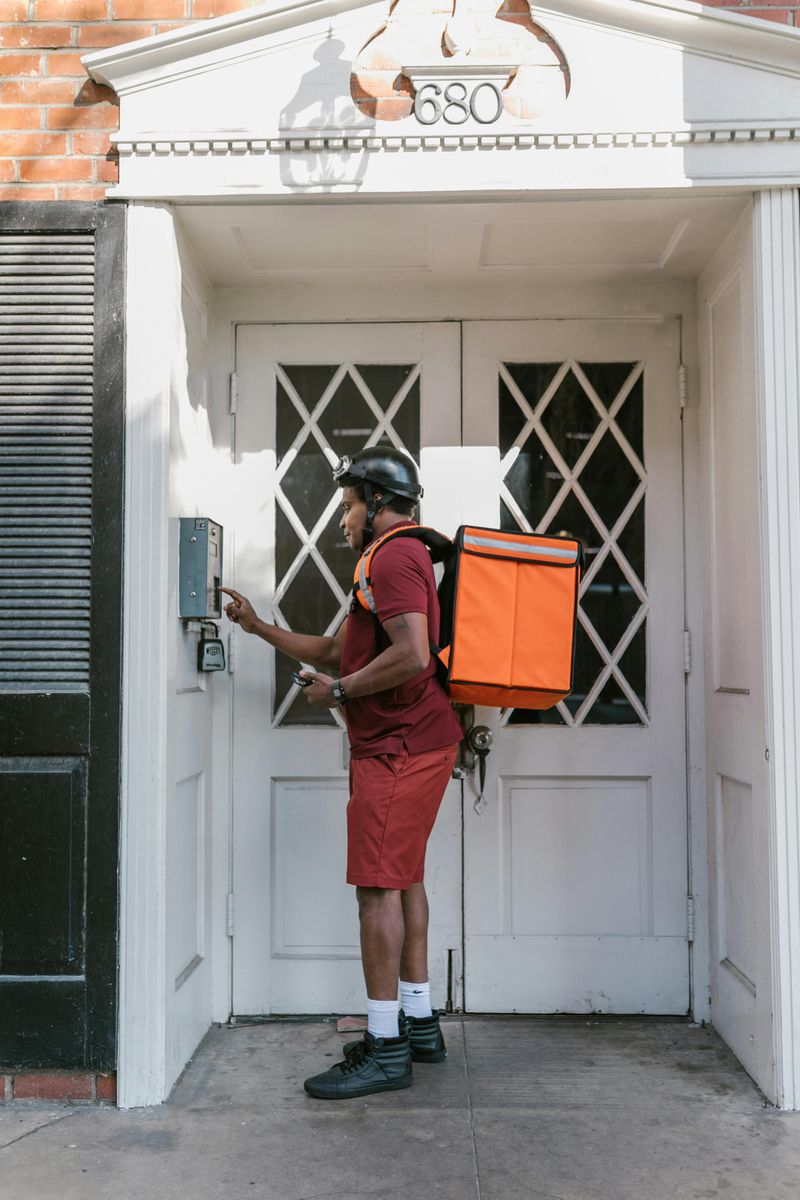
When your kitchen is only a few steps away, it’s easy to assume you’ll always eat at home, but remote work can actually increase food spending if decision fatigue hits midday.
On busy days, delivery becomes the fastest solution, and the fees and tips can make a simple meal shockingly expensive.
The key is to reduce the number of days you have to “figure it out” by building a small emergency lunch system.
Keep five backup options that require almost no effort, such as frozen meals, soup, salad kits, or sandwich ingredients that last.
Then choose three easy lunches you genuinely like and rotate them throughout the week, because repetition is not boring when it saves money.
If you still love delivery, schedule it deliberately, like Fridays only, so it stays a treat rather than a habit.
5. More snacking = higher grocery bills (and wasted food)

Working near your pantry all day makes grazing feel harmless, but frequent snacking often increases grocery costs without replacing real meals.
The spending problem gets worse when snacks are bought impulsively and produce goes bad because meals weren’t planned around it.
One of the simplest fixes is to create friction by portioning snacks into small containers or bags, so you’re not eating directly from a big package.
You can also set two planned snack windows, which helps you notice whether you’re hungry or just bored between tasks.
On the shopping side, avoid “aspirational groceries” by buying produce for three to four days at a time and choosing items that can be used in multiple meals.
When your fridge stops becoming a graveyard of good intentions, your grocery budget tends to fall back into line.
6. WFH “productivity” subscriptions stack up

Remote work can make you feel like you need extra tools to stay organized, focused, and efficient, which is how small monthly subscriptions quietly pile up.
A calendar app here, a task manager there, a focus timer, a premium note system, and suddenly you’re paying for a whole productivity ecosystem.
The best way to fix this is to audit every subscription and ask one question: did it genuinely change how you work in the last month, or did it just make you feel prepared?
Cancel anything you haven’t used in 30 days, because the idea of using it later is not the same as value today.
Before replacing it, check what your employer already provides, since many companies have licenses for tools like project management software, cloud storage, and meeting platforms.
When you consolidate to one or two core tools, you’ll often feel calmer and spend less.
7. Ergonomic purchases add up fast

A comfortable home setup matters, but remote work can turn into a slow drip of “just one more thing” purchases that feel necessary because you sit in the same spot for hours.
It usually starts with a chair, then a desk, then a monitor, then a keyboard, then cables and accessories that don’t seem expensive individually.
The fix is to approach your workspace like a budgeted project, not an ongoing shopping list.
Start with the essentials that protect your body, such as a supportive chair or an external monitor, and delay everything else until you know what actually improves your day.
Buying used or refurbished can cut costs dramatically, and many quality office items are resold in great condition.
It’s also worth submitting a reimbursement request, because some employers cover ergonomic gear, especially if you can explain how it supports productivity and prevents discomfort.
8. Boredom scrolling fuels impulse shopping

When your home is also your office, the line between a quick break and a spending spiral gets thin.
A few minutes of scrolling can turn into a cart full of “useful” items that feel justified because you’re working so hard, and those purchases add up faster than you realize.
The fix isn’t simply telling yourself to stop, because stress and boredom are powerful triggers, especially during dull meetings or low-energy afternoons.
Instead, remove the shortcuts that make spending effortless by deleting saved payment methods, turning off one-click buying, and forcing a pause before checkout.
You can also set app limits during work hours so your breaks don’t default to shopping.
If you still want a reset, create a non-spending break menu, such as a short walk, stretching, or making tea, because replacing the habit works better than trying to erase it.
9. You make more “random errands” because you’re home

Remote work makes it feel like you can squeeze errands into the day without consequences, which is how “just a quick run” becomes frequent driving, extra purchases, and wasted time.
Even if you are saving money on commuting, these mini-trips can quietly replace those savings with gas costs and impulse buys, especially when you walk into a store for one thing and leave with five.
A practical fix is to batch errands into one planned trip per week, because a single focused run tends to be faster and cheaper than several scattered ones.
Creating “no-drive days” also helps you see how often errands are really just procrastination in disguise.
If something truly needs to be handled midday, keep a running list and only go when you have multiple stops to combine, so your time and budget don’t get chipped away in tiny increments.
10. Home upgrades feel “necessary” when you’re in the space all day
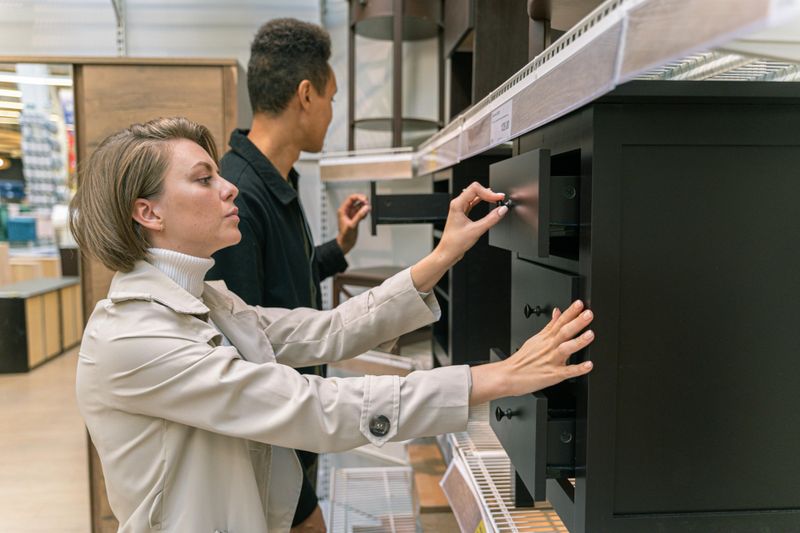
Spending more time at home can make every little imperfection feel louder, which is why remote work often leads to a slow stream of home upgrades.
A new rug seems like it will improve your mood, a better lamp will “help productivity,” and a fresh coat of paint feels like it will make your space feel professional.
Some improvements are worth it, but the financial trap is treating every urge as urgent.
The fix is to create a simple monthly sinking fund dedicated to home upgrades, with a firm cap that keeps spending intentional rather than emotional.
When you want something, add it to a list and wait at least two weeks, because urgency often fades once the novelty wears off.
If it still feels important, you can buy it guilt-free from the fund, and if it doesn’t, you’ve saved yourself from clutter and regret.
11. Visibility loss can cost you raises and promotions

One of the most expensive remote-work traps is the money you never see, because being out of sight can make it easier to be overlooked.
When managers don’t regularly witness your impact, your work may be valued less, even if your results are strong.
The fix is to make your contributions easier to notice without turning into a self-promotion machine.
Sending a short weekly wins recap to your manager can be enough, especially if it focuses on outcomes, progress, and what’s next.
You can also volunteer for one cross-team project or high-visibility initiative, because those roles create relationships and signal leadership potential.
Scheduling quarterly growth conversations helps too, because raises and promotions rarely appear magically; they come from repeated clarity about what you’re doing, what you want, and what the next level requires.
Remote work can still be career-friendly, but visibility has to be built on purpose.
12. You work longer hours and quietly lower your hourly pay

Working from home can blur the start and end of your day, and the moment you stop commuting, it becomes easy to let work expand into the time you used to call “off.”
The result is often a longer workday with the same paycheck, which effectively lowers your hourly rate without you noticing.
The fix starts with awareness, so track your working hours for two weeks, including the “just checking” emails and the evening tasks that sneak in.
Once you see the pattern, set a hard stop time and treat it like a meeting you cannot move.
A shutdown routine helps, too, such as writing tomorrow’s top three tasks, closing tabs, and physically leaving your workspace, because rituals make boundaries real.
If workload is the issue, bring data to your manager and discuss priorities, since constant overwork is not sustainable or free.
13. Health costs creep up from less movement

A remote job can be surprisingly physical in the wrong way, because you sit more, move less, and sometimes don’t realize how little activity you’re getting until your body complains.
Over time, stiffness, headaches, and reduced energy can lead to extra spending on convenience food, aches-and-pains purchases, and even medical appointments.
The fix doesn’t require a new gym membership or an intense routine, because consistency matters more than intensity.
Build movement into your workday in small but dependable ways, such as a ten-minute walk after two meetings, a short stretch break every hour, or pacing during phone calls.
Treat these breaks as non-negotiable appointments, not optional rewards, because your calendar is the system that runs your day.
When you move more, you’ll often spend less, because energy improves, cravings drop, and you’re less likely to reach for expensive “quick fixes” just to feel normal.
14. You never measure whether WFH is actually saving you money

The biggest reason remote work costs people money is that the trade-offs are rarely measured.
You see the obvious savings, like gas and parking, but you don’t always track the new costs, like utilities, snacks, delivery, and random convenience spending.
The fix is simple: create a monthly “WFH profit/loss” check-in that takes ten minutes and gives you real clarity.
Add up what you used to spend commuting, including fuel, transit passes, parking, and work clothes, then compare it to your current remote-work costs like higher bills, internet, coffee runs, and home-office purchases.
If the remote number is higher, you’re not failing, you’re learning where the leaks are.
Once you know your biggest two problem categories, set small rules, such as one delivery day per week or a fixed home-office budget, and you’ll quickly turn remote work back into the money-saving arrangement it’s supposed to be.
Comments
Loading…