
 Hailey Watson
13 Ways Micro-Stress Is Aging You
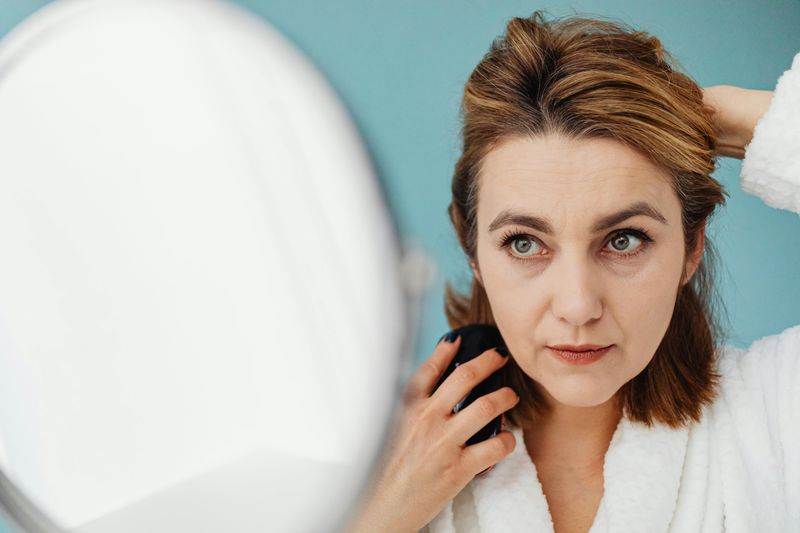
Your body doesn’t just age from big traumatic events or major life changes. Small, everyday stresses pile up like invisible weights, slowly wearing down your cells and making you look and feel older than you should. Scientists call these tiny pressures micro-stresses, and they’re sneakier than you might think, quietly accumulating through rushed mornings, constant notifications, and unresolved worries.
Because they rarely trigger alarm bells, they can linger beneath your awareness while steadily draining your resilience. Understanding how they work can help you take back control, reduce their impact, and protect your youth and energy for years to come.
1. Your Sleep Gets Constantly Interrupted

Micro-stresses keep your brain buzzing long after you’ve turned off the lights.
When you’re constantly worried about tomorrow’s deadline or replaying an awkward conversation, your mind never fully shuts down.
This prevents you from reaching the deep sleep stages where your body repairs damaged cells and produces anti-aging hormones.
Without quality rest, your skin loses its glow and fine lines appear faster.
Your body also struggles to regulate cortisol, the stress hormone that breaks down collagen.
Poor sleep from daily worries creates a vicious cycle where you feel exhausted but can’t fall asleep easily.
Over time, this pattern accelerates aging throughout your entire system, affecting everything from your memory to your metabolism.
2. Inflammation Builds Up in Your Body

Every small stress triggers a tiny inflammatory response in your body.
Think of it like a fire alarm going off repeatedly for false alarms—eventually, the system stays partially activated all the time.
This chronic low-level inflammation damages healthy cells and speeds up the aging process in ways you can’t see right away.
Your immune system becomes confused and starts attacking your own tissues.
This leads to joint pain, brain fog, and skin problems that make you look older.
Inflammation also interferes with how your cells communicate with each other.
When this happens, your body can’t repair itself efficiently, and age-related diseases develop more quickly than they should.
3. Your Skin Loses Elasticity Faster

Constant tension from micro-stresses shows up on your face before anywhere else.
When you’re stressed, your facial muscles tighten repeatedly, creating expression lines that eventually become permanent wrinkles.
Your body also produces less collagen and elastin, the proteins that keep skin firm and bouncy.
Stress hormones break down the existing collagen in your skin faster than normal.
This means your skin loses its ability to snap back after being stretched or compressed.
You might notice sagging around your jawline or deeper creases between your eyebrows.
The damage accumulates quietly over months and years, making you look older than your actual age without any single dramatic cause.
4. Digestion Becomes Sluggish and Problematic

Stress diverts blood flow away from your digestive system because your body thinks you need to run from danger.
When this happens constantly from micro-stresses, your gut can’t properly break down food or absorb nutrients.
You end up bloated, uncomfortable, and not getting the vitamins your body needs to stay young.
Poor digestion also disrupts the balance of healthy bacteria in your intestines.
These bacteria play a crucial role in controlling inflammation and supporting your immune system.
Without them working properly, your body ages faster from the inside out.
Chronic digestive issues can lead to nutrient deficiencies that show up as dull skin, brittle hair, and low energy levels.
5. Your Memory and Focus Deteriorate

Forgetting where you put your keys might seem harmless, but it’s often a sign that micro-stress is affecting your brain.
Constant stress floods your brain with cortisol, which damages the hippocampus—the part responsible for forming new memories.
Over time, this shrinks the brain tissue and makes it harder to learn and remember things.
You might find yourself reading the same paragraph multiple times or forgetting conversations you had yesterday.
These aren’t just annoyances; they’re signs of accelerated brain aging.
Stress also reduces the production of new brain cells, which normally happens throughout your life.
The cumulative effect makes your brain age faster than it should, leading to cognitive decline earlier than expected.
6. Hair Turns Gray and Falls Out

Gray hair isn’t just about getting older—it’s often about stress levels too.
Micro-stresses deplete the stem cells in your hair follicles that produce pigment.
Once these cells are gone, your hair grows in gray or white.
Scientists have discovered that stress hormones directly attack these pigment-producing cells.
Stress also pushes more hair follicles into the resting phase, where they stop growing and eventually fall out.
You might notice more hair in your brush or thinner patches on your scalp.
The combination of graying and thinning makes you look significantly older.
This process can happen surprisingly fast when you’re under constant daily pressure, even from small sources.
7. Blood Pressure Creeps Upward Steadily

Each micro-stress causes a small spike in your blood pressure.
Your heart beats faster, and your blood vessels tighten to prepare for action.
When this happens dozens of times daily, your cardiovascular system never fully relaxes.
Eventually, your baseline blood pressure rises and stays elevated even during calm moments.
High blood pressure damages the delicate lining of your arteries, making them stiff and narrow.
This forces your heart to work harder and ages your entire cardiovascular system prematurely.
You might not feel any symptoms, but the damage accumulates silently.
Over years, this increases your risk of heart disease, stroke, and other conditions typically associated with much older people.
8. Muscle Tension Creates Chronic Pain

Carrying tension in your shoulders and neck isn’t just uncomfortable—it’s aging your musculoskeletal system.
When you’re stressed, your muscles contract and stay tight for extended periods.
This restricts blood flow to the tissues and prevents proper oxygen delivery.
Without adequate oxygen, your muscles can’t repair themselves effectively.
Chronic muscle tension also compresses nerves and joints, leading to pain that limits your movement.
When you move less, your muscles weaken and your joints stiffen faster than they should.
This creates a cycle where pain leads to inactivity, which causes more rapid physical decline.
The constant discomfort also affects your posture, making you look hunched and older than your years.
9. Weight Gathers Around Your Midsection

Belly fat isn’t just about eating too much—stress plays a major role too.
When cortisol levels stay elevated from constant micro-stresses, your body stores more fat around your middle.
This type of fat is particularly dangerous because it surrounds your internal organs and releases inflammatory chemicals.
Visceral fat acts like an active organ, pumping out hormones that interfere with your metabolism.
It makes it harder to lose weight and easier to gain more.
This fat also increases your risk of diabetes, heart disease, and other age-related conditions.
The stubborn weight around your waist makes you look older and significantly increases health risks that accelerate the aging process throughout your body.
10. Your Immune System Weakens Gradually

Getting sick more often isn’t just bad luck—it’s a sign that micro-stress is wearing down your immune defenses.
Stress hormones suppress the activity of white blood cells, which are your body’s main defense against infections.
When these cells can’t function properly, viruses and bacteria have an easier time making you sick.
A weakened immune system also struggles to identify and destroy abnormal cells, including cancer cells.
This increases your risk of serious diseases as you age.
Your body takes longer to heal from cuts, bruises, and illnesses.
The constant state of immune suppression from daily stresses accelerates aging by allowing more damage to accumulate in your body over time.
11. Energy Levels Plummet Throughout the Day

Feeling tired all the time isn’t normal, even with a busy life.
Micro-stresses drain your energy reserves by keeping your body in a constant state of alert.
Your adrenal glands work overtime producing stress hormones, which eventually leads to adrenal fatigue.
When this happens, you feel exhausted no matter how much you rest.
Low energy affects every aspect of your life and makes you feel older than you are.
You skip exercise because you’re too tired, which further reduces your energy capacity.
Your cells also produce less ATP, the molecule that powers all cellular activities.
This energy deficit accelerates aging by preventing your body from performing essential maintenance and repair functions efficiently.
12. Emotional Resilience Breaks Down
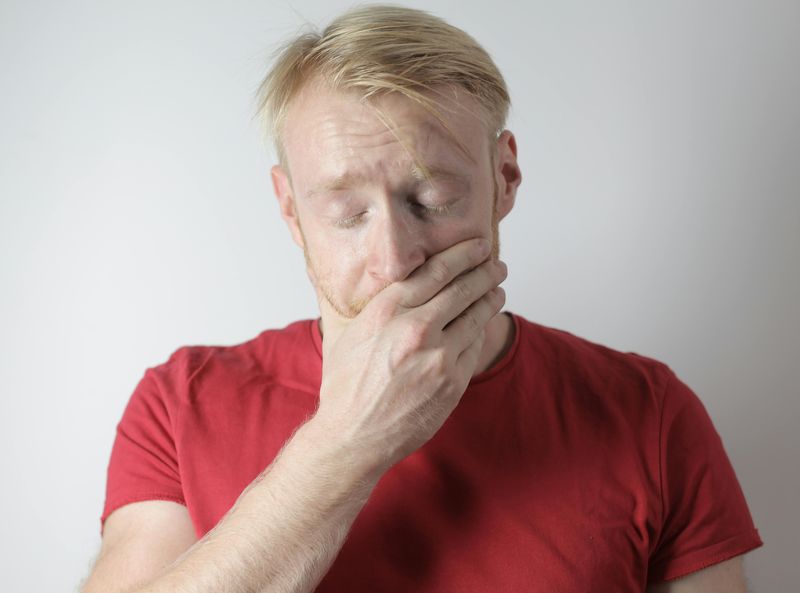
Small stresses chip away at your ability to handle life’s challenges.
You might find yourself crying over minor setbacks or snapping at people you love.
This happens because chronic stress depletes neurotransmitters like serotonin and dopamine, which regulate your mood and emotional responses.
When your emotional resilience weakens, you become more vulnerable to anxiety and depression.
These mental health struggles accelerate biological aging through multiple pathways.
Your body stays in a heightened stress state, inflammation increases, and healthy behaviors like exercise and socializing decrease.
The emotional toll of constant micro-stresses ages your brain and body faster, creating a downward spiral that’s hard to break without intervention.
13. Social Connections Start to Fade

When you’re overwhelmed by daily stresses, maintaining friendships feels like another burden.
You cancel plans, stop returning calls, and gradually drift away from people who matter.
Social isolation is one of the most powerful aging accelerators because humans are wired for connection.
Loneliness triggers the same biological stress responses as physical danger.
Your immune system weakens, inflammation increases, and your risk of early death rises significantly.
People with strong social connections actually live longer and age more slowly than isolated individuals.
The micro-stresses that push you away from others create a lonely cycle that speeds up aging in profound and measurable ways throughout your entire body.
Comments
Loading…