
 Hailey Watson
Remember when a crisp hundred-dollar bill felt like a fortune?
Back in 1996, that same money stretched much further than it does now.
Inflation has quietly chipped away at our purchasing power, turning what once seemed like plenty into barely enough.
Understanding how prices have changed helps us appreciate the real value of money across generations.
1. Filling Up Your Gas Tank

Gas prices tell one of the most dramatic inflation stories.
In 1996, you could fill up your tank multiple times with $100, as gasoline averaged just $1.13 per gallon.
That meant nearly 88 gallons of fuel for your weekly commutes and weekend adventures.
Fast forward to today, and that same Benjamin gets you only about 30 gallons at $3.29 per gallon.
The 191% price jump means your $100 now covers barely one-third of what it used to.
Road trips have become significantly more expensive, and daily driving takes a bigger bite from family budgets than ever before.
2. Monthly Electricity Bills
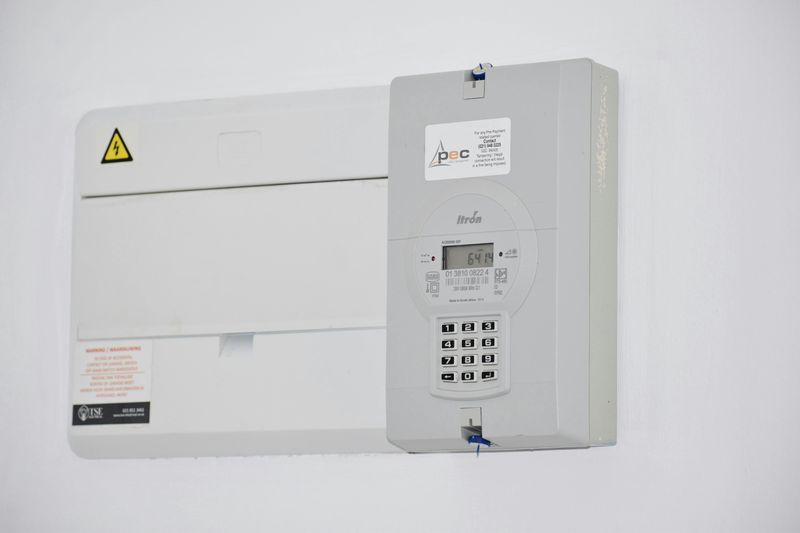
Keeping the lights on has gotten pricier over time.
Back in 1996, electricity cost just 9 cents per kilowatt-hour, meaning $100 covered roughly 1,111 kWh of power.
That’s enough to run your home for several months, depending on usage patterns and seasonal needs.
Modern rates have more than doubled to 19 cents per kWh—a 111% increase that affects every household.
Now that same $100 only purchases about 526 kWh, barely half of what it used to.
Air conditioning in summer and heating in winter take bigger chunks from monthly budgets, making energy efficiency more important than ever for keeping costs manageable.
3. Grocery Shopping Basics

Your weekly grocery haul looked completely different three decades ago.
With $100 in 1996, families could stock their pantries with 116 loaves of bread at 86 cents each, or 86 dozen eggs at $1.16 per dozen.
That’s enough breakfast staples to last months!
Today’s grocery reality stings a bit more.
Bread now costs $1.84 per loaf, while eggs have skyrocketed to $3.59 per dozen—a whopping 210% increase.
Your century note now buys just 54 loaves or 28 dozen eggs.
Chicken prices doubled too, jumping from 94 cents to $2.08 per pound, making meal planning require more careful budgeting than before.
4. Movie Theater Outings

Entertainment expenses have climbed steadily upward.
A movie ticket in 1996 averaged around $4.42, so your $100 could treat 22 people to the latest blockbuster.
Add popcorn and soda for everyone, and you’d still have change left over for the arcade afterward.
These days, tickets average $11 to $15 depending on location and format.
Your hundred bucks now covers maybe 7 to 9 tickets without any snacks.
Premium formats like IMAX or 3D push costs even higher.
Family movie nights have become special occasions rather than casual weekend activities, requiring more planning and budgeting than previous generations experienced.
5. College Textbooks

Educational costs have exploded beyond most expectations.
In 1996, college textbooks averaged around $50 each, meaning $100 bought two complete course books with room to spare.
Students could manage their book budgets without taking additional loans or choosing between eating and reading.
Today’s textbook market is brutal.
Average prices hover between $150 and $200 per book, with some specialized texts exceeding $300.
Your $100 barely covers half of one textbook now.
Many students resort to renting, buying used copies, or sharing with classmates just to afford required materials.
The 200-300% price increase has made education accessibility a serious concern nationwide.
6. Restaurant Dining Experiences

Eating out used to be more affordable entertainment.
A typical casual dining meal in 1996 cost about $8 per person including drinks.
Your $100 could treat a family of four to three complete dinners out, or take a dozen friends for burgers and fries without stress.
Restaurant prices have climbed significantly since then.
That same casual meal now runs $18 to $25 per person after factoring in higher food costs, wages, and overhead.
Your Benjamin covers maybe four to five individual meals, or one nice dinner for a small family.
Tipping expectations have increased too, further stretching dining budgets and making restaurant visits more occasional treats.
7. Music and Entertainment Media
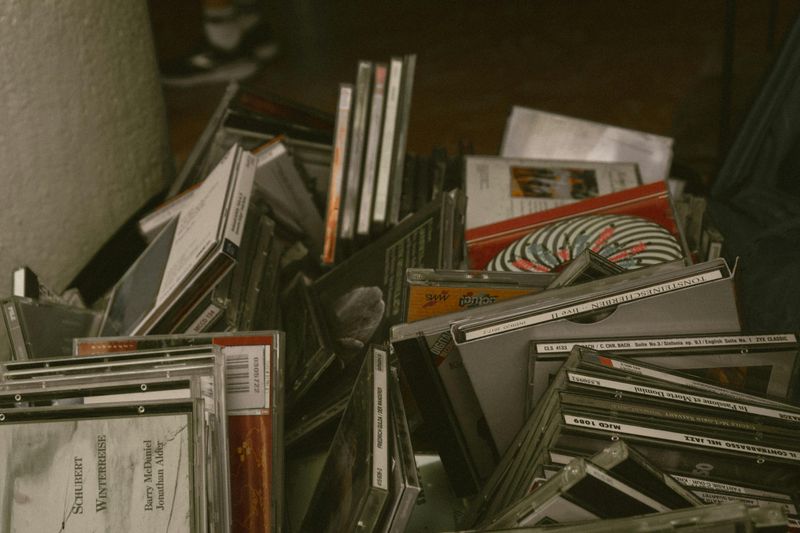
Music lovers had tangible collections back then.
CDs cost about $15 each in 1996, so $100 bought roughly six or seven albums.
You’d spend weekends browsing music stores, building your personal library one disc at a time, and trading favorites with friends who had different tastes.
Today’s landscape has completely transformed.
While streaming services offer unlimited access for $10 monthly, physical media has become collectible.
New vinyl records cost $25 to $40 each, meaning your $100 gets just two to four albums.
The value proposition shifted from ownership to access, changing how we experience and share music entirely across all age groups.
Comments
Loading…