
 Chloe Peterson
British culture has long been admired for its politeness, grace, and respect for others.
While Americans pride themselves on being friendly and outgoing, there are certain etiquette rules from across the pond that could make social interactions smoother and more pleasant.
These 9 British customs aren’t about being stuffy or overly formal—they’re about showing consideration for those around you in everyday situations.
1. Always Respect the Queue
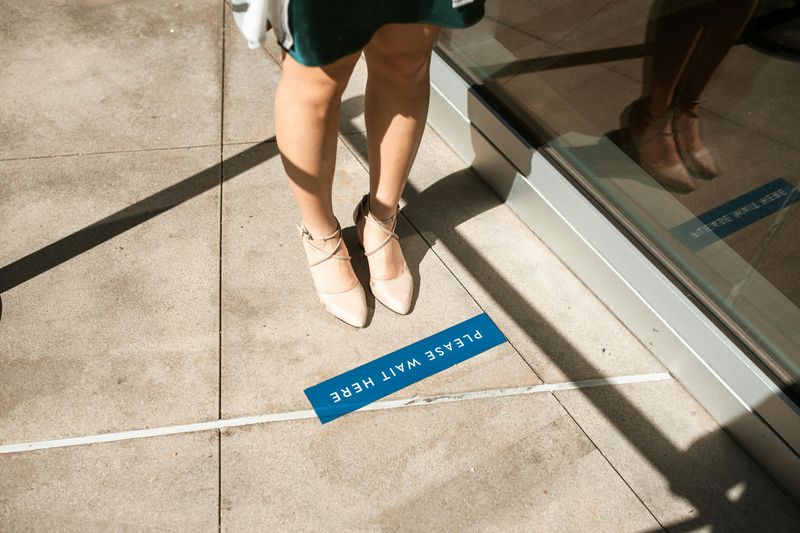
Standing in line might seem like a small thing, but in Britain, it’s practically sacred.
Cutting in front of someone who’s been waiting is seen as incredibly disrespectful and will earn you dirty looks or even confrontation.
Americans sometimes have a more relaxed attitude about lines, but adopting this British rule shows you value other people’s time.
Whether you’re at the coffee shop, grocery store, or waiting for the bus, taking your turn demonstrates basic respect.
Plus, when everyone follows this simple rule, everything moves more smoothly and fairly for everyone involved.
2. Use Please, Thank You, and Sorry Generously

Brits sprinkle these magic words throughout their conversations like confetti at a celebration.
They say “please” when asking for anything, “thank you” for the smallest gestures, and “sorry” even when someone else bumps into them.
This habit creates a cushion of politeness that makes interactions feel gentler and more respectful.
Americans tend to be more casual with these phrases, sometimes skipping them altogether in quick exchanges.
Adding more of these courteous words to your vocabulary costs nothing but makes a huge difference in how people perceive you and respond to your requests.
3. Arrive on Time, Every Time

Being “fashionably late” might sound cool, but British people see it as plain rude.
When you’re invited somewhere, they expect you to show up at the agreed time, whether it’s a business meeting or dinner party.
This approach shows you respect the host’s schedule and effort.
Americans sometimes operate on a more flexible timeline, especially for casual gatherings, but this can leave people waiting and feeling undervalued.
Setting your clock a bit earlier and planning your route ensures you arrive when expected, demonstrating that you take commitments seriously and value others’ time.
4. Mind Your Table Manners
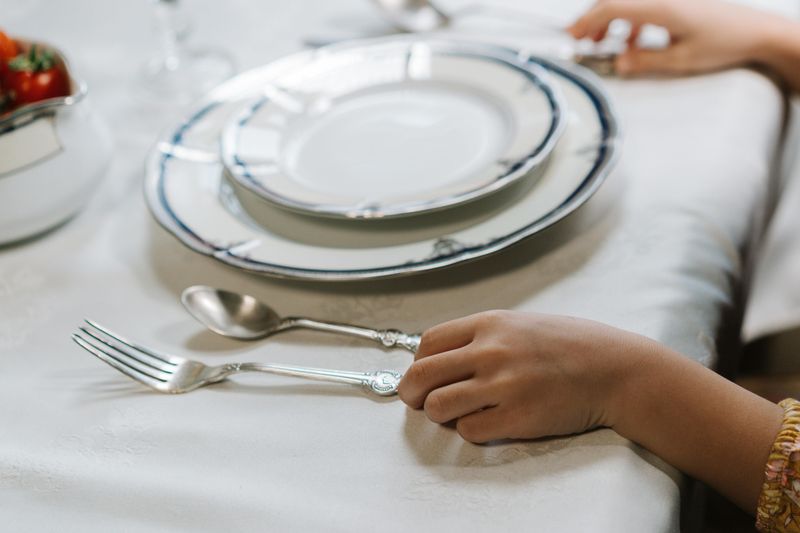
Did you know keeping your elbows off the table actually has practical origins?
British dining etiquette emphasizes waiting until everyone’s served before eating and using utensils properly throughout the meal.
These rules create a more refined dining experience where everyone feels included.
Americans often have a more relaxed approach to family meals, sometimes starting to eat when their own plate arrives.
By adopting these simple table manners, you show consideration for your dining companions and make formal occasions less stressful.
Good posture and proper utensil use also help digestion and prevent awkward reaching across others.
5. Keep Conversations Light and Understated

Americans are famous for being open and sharing personal stories quickly, but Brits prefer a more reserved approach.
They keep initial conversations focused on neutral topics like weather, travel, or current events rather than diving into personal details.
This doesn’t mean being cold or unfriendly—it’s about building trust gradually.
Oversharing too soon can make British people uncomfortable, as they value privacy and emotional restraint.
Learning to read the room and match the conversational tone helps build stronger relationships over time.
Save the deep personal stories for when you’ve established a genuine connection with someone.
6. Maintain Personal Space and Volume

Picture yourself on a quiet train where everyone respects each other’s bubble of space.
British culture emphasizes giving people physical room and keeping your voice at a moderate level, especially in public places.
Loud conversations on phones or boisterous laughter in restaurants are considered inconsiderate.
Americans often have a more expressive communication style, talking louder and standing closer during conversations.
Lowering your volume and being mindful of personal space shows awareness of your surroundings.
This simple adjustment makes public spaces more peaceful and comfortable for everyone sharing them with you.
7. Understand Pub Etiquette and Rounds

British pubs operate on an unwritten code that might confuse American visitors.
You order and pay at the bar rather than waiting for table service, and when you’re with friends, everyone takes turns buying rounds for the group.
Skipping your turn or leaving before buying your round is considered extremely rude and cheap.
This system builds camaraderie and ensures fairness over the course of an evening.
Even if you’re not a big drinker, participating shows you’re part of the group.
You can always buy soft drinks or leave early if needed, but make sure you’ve contributed your fair share first.
8. Master the Understated Greeting Response

“You alright?” sounds like a genuine concern, but in Britain, it’s just another way of saying hello.
The correct response is brief—something like “Yeah, not bad, you?”—rather than launching into a detailed explanation of your day.
Americans often interpret this as an invitation to share how they’re really feeling, which can create awkward moments.
Brits use this phrase as a casual greeting, not an invitation for a therapy session.
Keeping your response short and reciprocating the question maintains the light, breezy tone of British social interaction and prevents you from oversharing in casual encounters.
9. Dress Appropriately for Every Occasion

Showing up in the right outfit isn’t about being fancy—it’s about showing respect for the occasion and the people hosting.
British culture places importance on dressing thoughtfully, whether it’s smart casual for dinner or proper attire for formal events.
Americans sometimes favor comfort over formality, wearing jeans and sneakers to occasions where something neater would be more appropriate.
Taking time to dress well signals that you care about the event and the people who invited you.
When in doubt, ask about the dress code or err on the slightly dressier side.
Looking put-together shows consideration and helps you fit in comfortably.
Comments
Loading…