
 Harper Hall
14 Timeless Robert De Niro Movies Fans Still Love
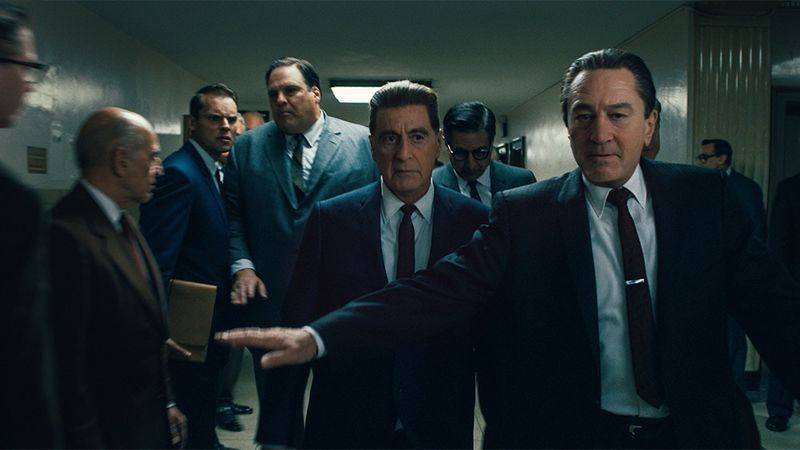
Robert De Niro has been captivating audiences for over five decades with performances that range from explosive to quietly powerful. His ability to disappear into any role has made him one of the greatest actors in cinema history.
From gritty crime dramas to unexpected comedies, De Niro has proven time and again that he can do it all. These fourteen films showcase the incredible range and talent that have made him a legend beloved by movie fans everywhere.
1. Mean Streets (1973)
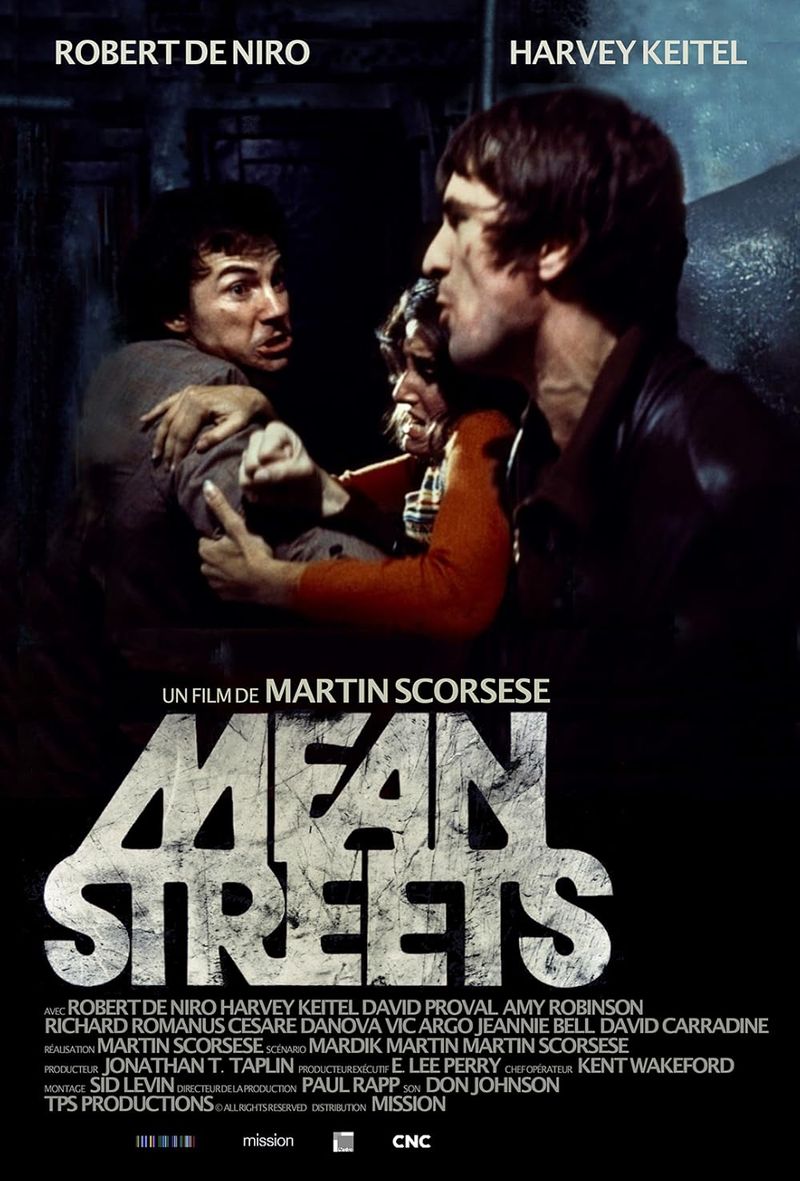
Before he became a household name, De Niro delivered a wild and unpredictable performance as Johnny Boy in this gritty Martin Scorsese film.
His character is a small-time hood who owes money to the wrong people and refuses to take life seriously.
The streets of Little Italy come alive through Scorsese’s direction and De Niro’s manic energy.
Every scene crackles with tension as Johnny Boy bounces from one bad decision to another.
His friendship with Harvey Keitel’s character forms the emotional core of the story.
This early collaboration between De Niro and Scorsese set the template for their future masterpieces together.
The raw authenticity and explosive moments still resonate today.
2. The Godfather Part II (1974)
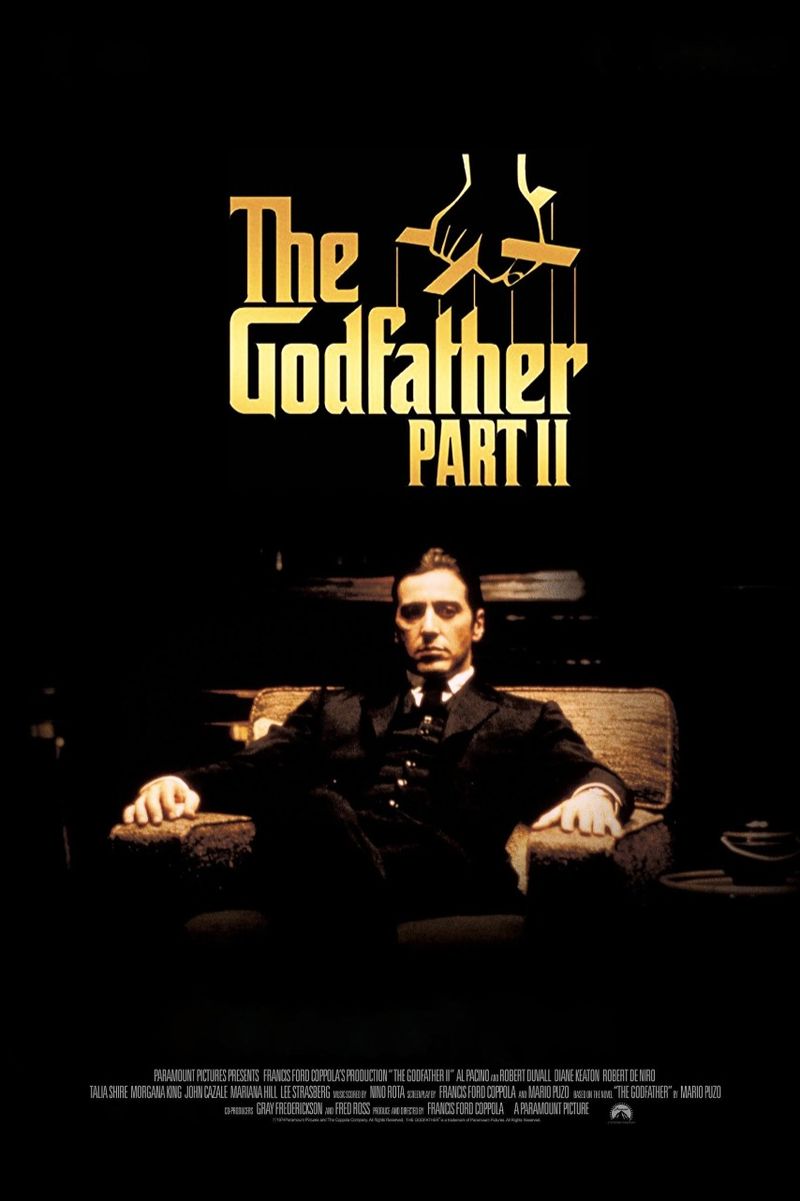
Playing the young Vito Corleone, De Niro had the daunting task of portraying the same character Marlon Brando made iconic.
Instead of simply imitating, he created a fully realized performance that showed how an immigrant became a powerful don.
His scenes are filmed mostly in Italian with subtitles, adding authenticity to the immigrant experience.
Watching Vito’s transformation from gentle family man to ruthless crime boss is mesmerizing.
De Niro won his first Oscar for this role, and it’s easy to see why.
The parallel storylines between young Vito and his son Michael create a powerful commentary on family and power.
De Niro’s quiet intensity perfectly complements Al Pacino’s explosive moments.
3. Taxi Driver (1976)
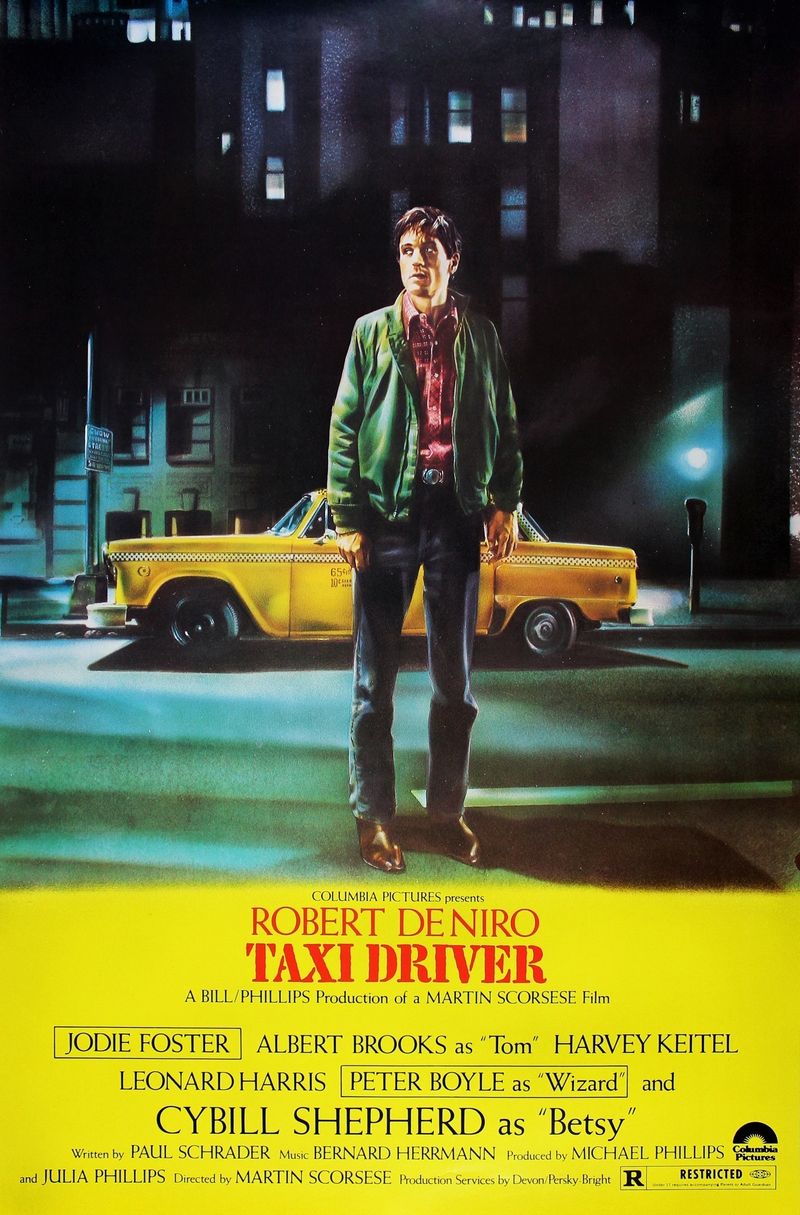
Travis Bickle remains one of cinema’s most unforgettable characters, a lonely Vietnam veteran slowly descending into madness.
De Niro’s transformation is both terrifying and tragic as Travis becomes increasingly disconnected from reality.
The famous “You talkin’ to me?” scene showcases De Niro’s ability to be both menacing and pathetic simultaneously.
He reportedly drove a real taxi for weeks to prepare for the role.
That dedication shows in every frame.
Scorsese’s neon-soaked vision of New York provides the perfect backdrop for Travis’s journey.
The film’s controversial ending still sparks debates decades later.
De Niro makes you sympathize with a character who does terrible things.
4. Raging Bull (1980)
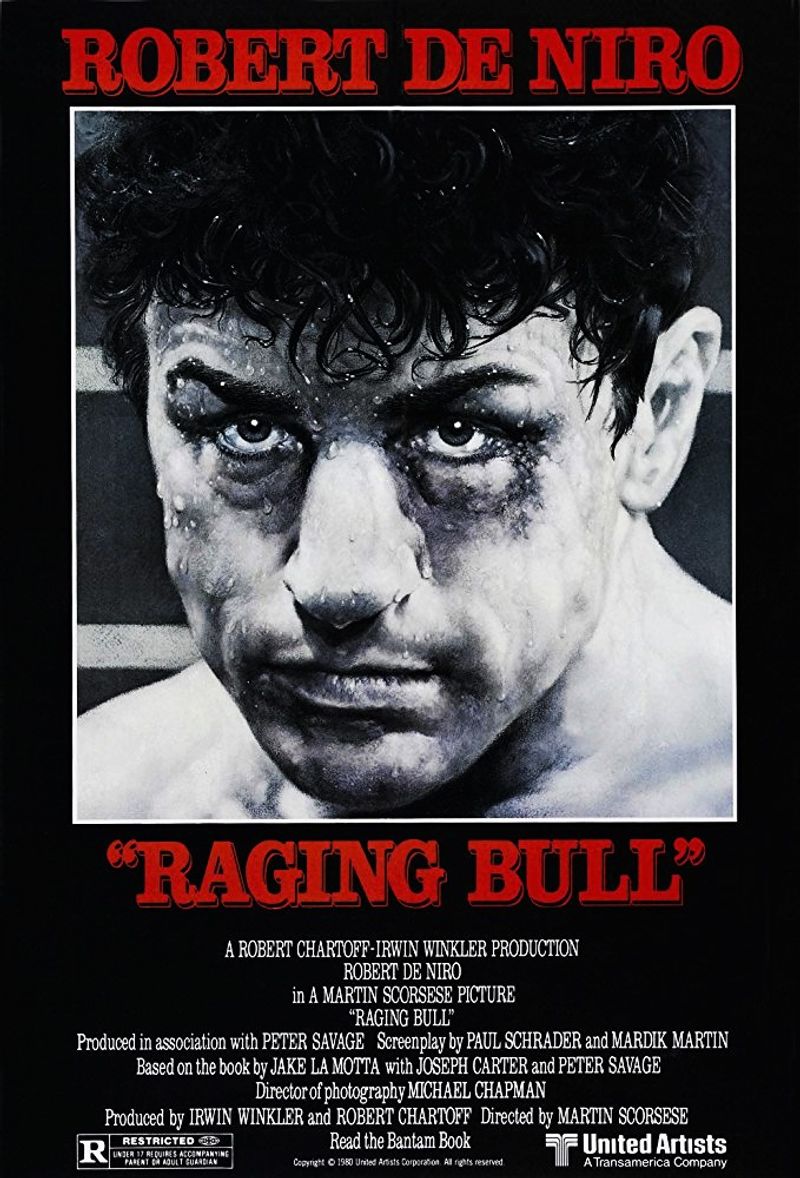
De Niro gained sixty pounds to portray boxer Jake LaMotta at different stages of his life in this brutal biographical drama.
His commitment to physical transformation became legendary in Hollywood.
The boxing sequences feel visceral and real, partly because De Niro trained extensively.
Shot in stunning black and white, the film chronicles LaMotta’s rise and fall with unflinching honesty.
De Niro doesn’t shy away from showing Jake’s violent temper and self-destructive behavior.
His jealousy and paranoia destroy everything he loves.
This performance earned De Niro his second Oscar and is often cited as his greatest work.
The combination of physical and emotional intensity remains unmatched in sports cinema.
5. The King of Comedy (1982)
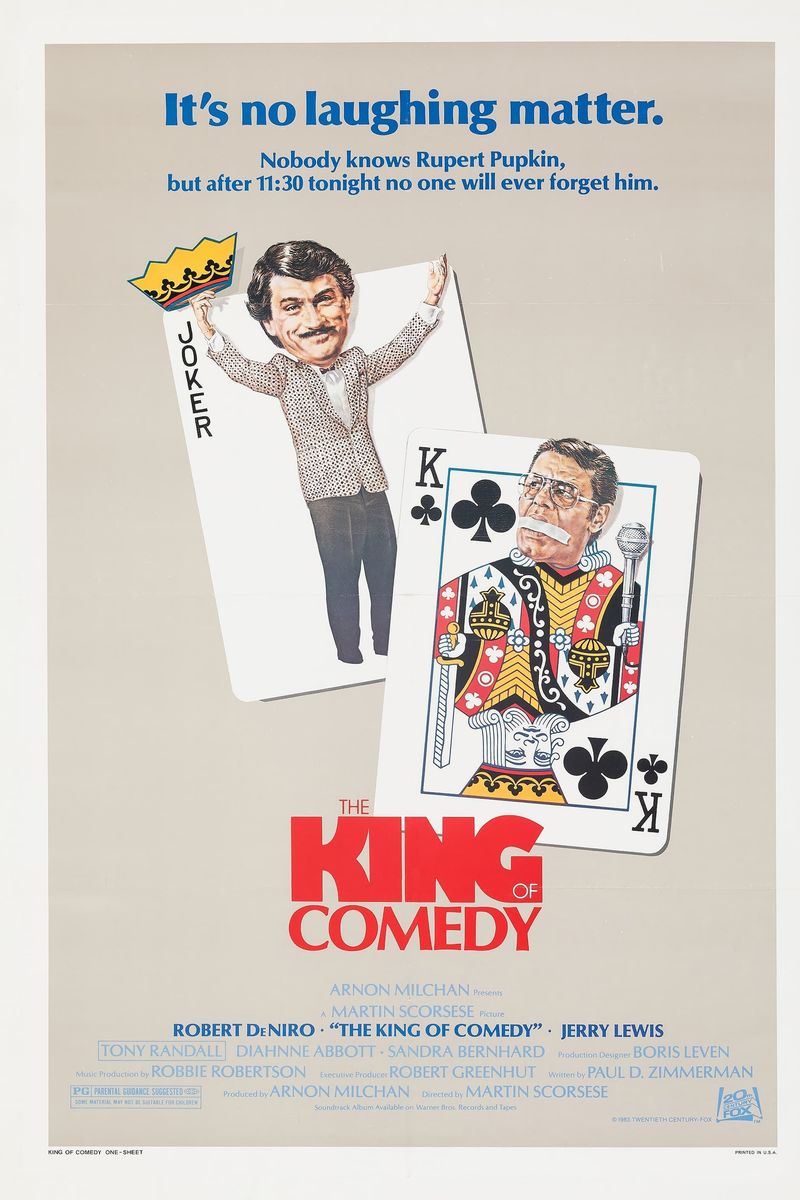
Obsessed with making it big, Rupert Pupkin is a delusional comedian who’ll do anything for his moment in the spotlight.
De Niro plays him with a raw, almost painful sincerity that’s impossible to ignore.
The character’s blind self-delusion makes even the smallest interactions painfully funny.
This dark comedy was ahead of its time in exploring celebrity obsession and delusion.
De Niro’s performance is quieter than his other Scorsese collaborations but equally powerful.
Jerry Lewis co-stars as the talk show host Rupert idolizes and eventually kidnaps.
The film’s ending leaves you questioning what’s real and what’s fantasy.
Modern audiences often find it more relevant than ever in our social media age.
6. Once Upon a Time in America (1984)
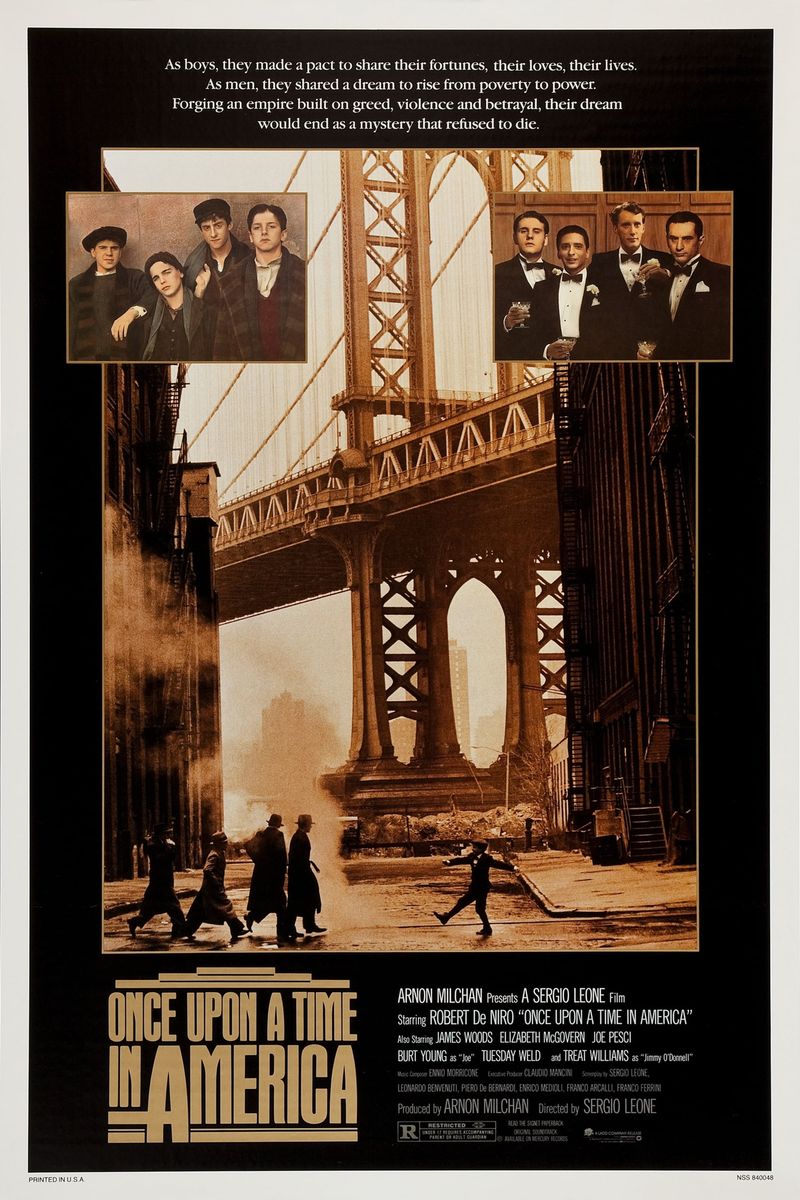
Sergio Leone’s epic gangster saga spans five decades and features De Niro as Noodles, a Jewish gangster haunted by his past.
The nearly four-hour runtime allows the story to breathe and characters to fully develop.
De Niro plays Noodles at different ages, showing the weight of time and regret.
Leone’s operatic directing style perfectly matches the story’s emotional scope.
The non-linear narrative jumps between time periods, creating a dreamlike quality.
De Niro’s chemistry with James Woods adds complexity to their lifelong friendship and rivalry.
This underappreciated masterpiece showcases De Niro’s ability to convey decades of pain through subtle expressions.
The film’s themes of betrayal and lost innocence linger long after viewing.
7. Goodfellas (1990)
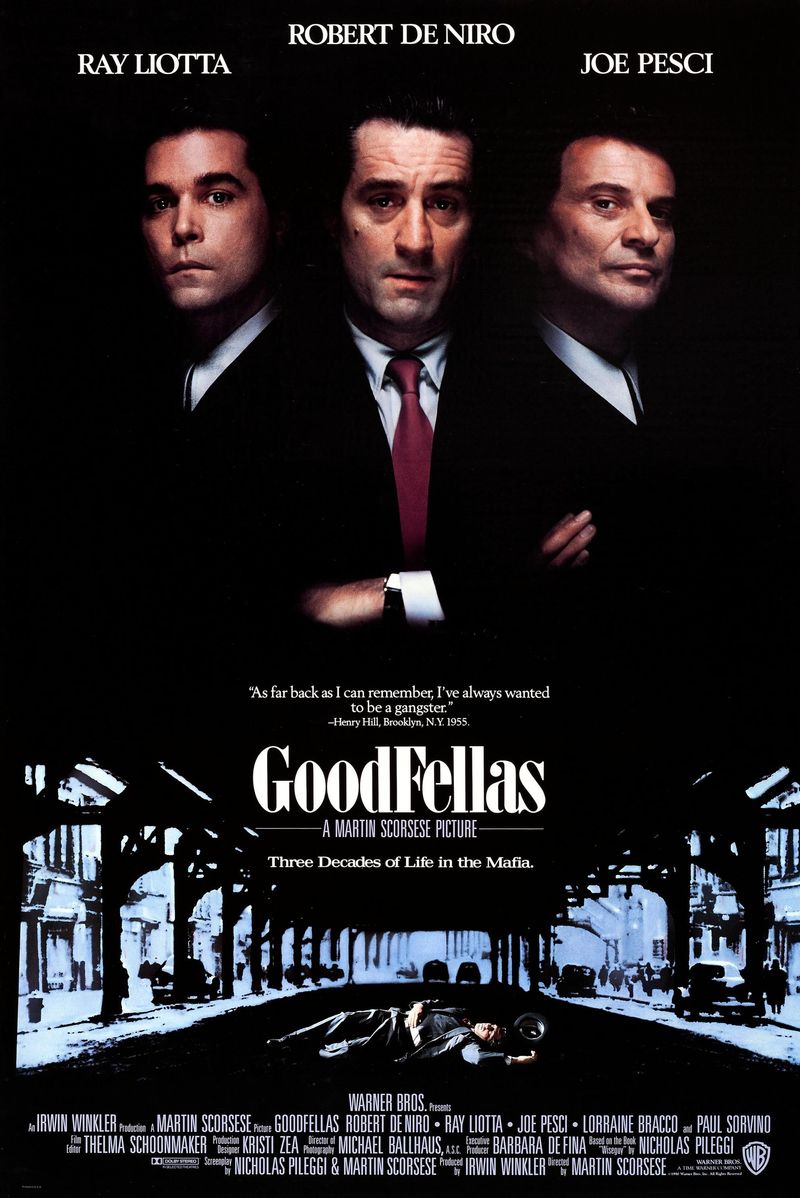
As the calculating mentor to Ray Liotta’s Henry Hill, Jimmy Conway exudes a calm yet dangerous presence.
De Niro’s performance is hauntingly still, turning even small acts into moments of tension.
The half-smile he wears never touches his eyes, revealing the darkness lurking underneath.
The legendary Lufthansa heist sequence showcases Jimmy’s criminal genius and growing paranoia.
As bodies start piling up, De Niro shows Jimmy’s transformation from careful planner to ruthless eliminator.
His interactions with Joe Pesci’s Tommy create some of the film’s most memorable moments.
Scorsese’s fast-paced direction and De Niro’s measured performance create perfect balance.
Jimmy remains one of cinema’s most realistic and frightening mobsters.
8. Casino (1995)
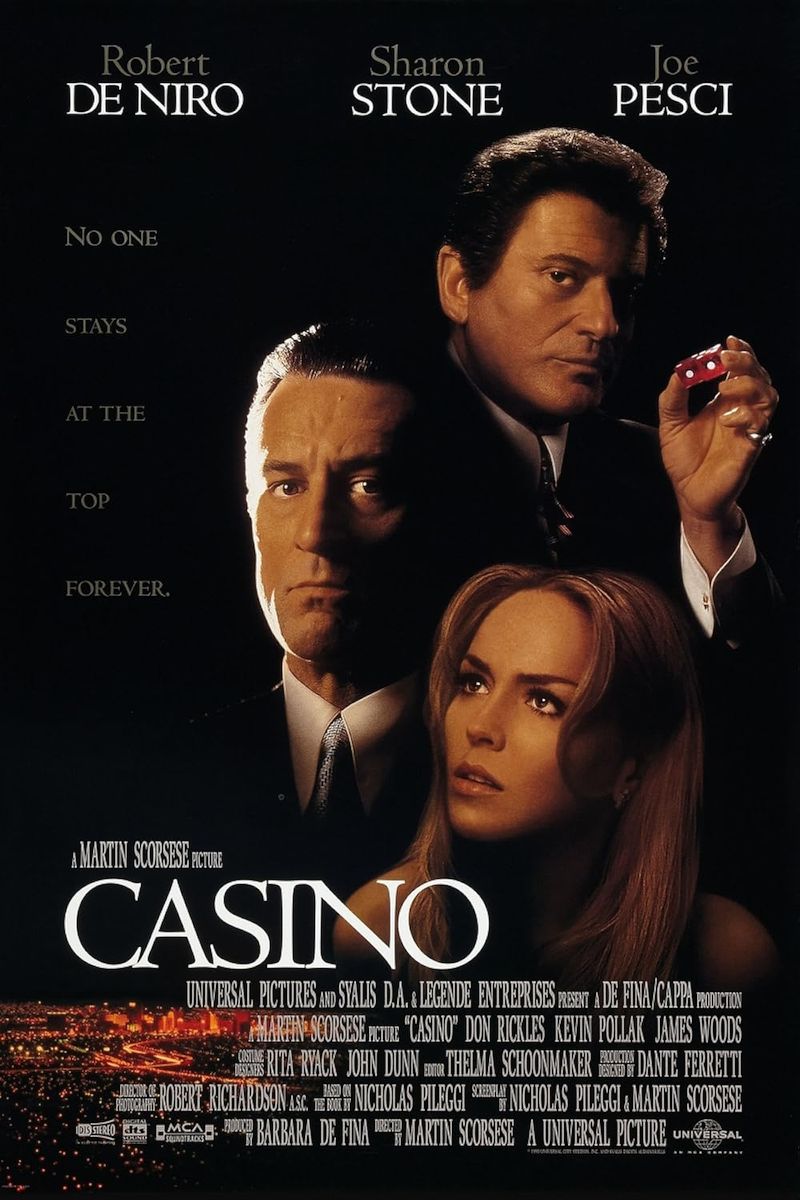
Sam “Ace” Rothstein runs a Las Vegas casino for the mob with meticulous precision until his world falls apart.
De Niro plays Ace as a perfectionist who can’t tolerate incompetence or disorder.
His attention to detail extends to his wardrobe, with Ace wearing dozens of stunning period suits.
The reunion of De Niro, Pesci, and Scorsese creates magic once again.
Ace’s doomed marriage to Sharon Stone’s Ginger provides the emotional devastation.
De Niro shows a man who can control millions of dollars but can’t control his own heart.
The film’s brutal violence and tragic arc make it darker than Goodfellas.
Ace’s narration guides us through the rise and fall of old Las Vegas.
9. Heat (1995)
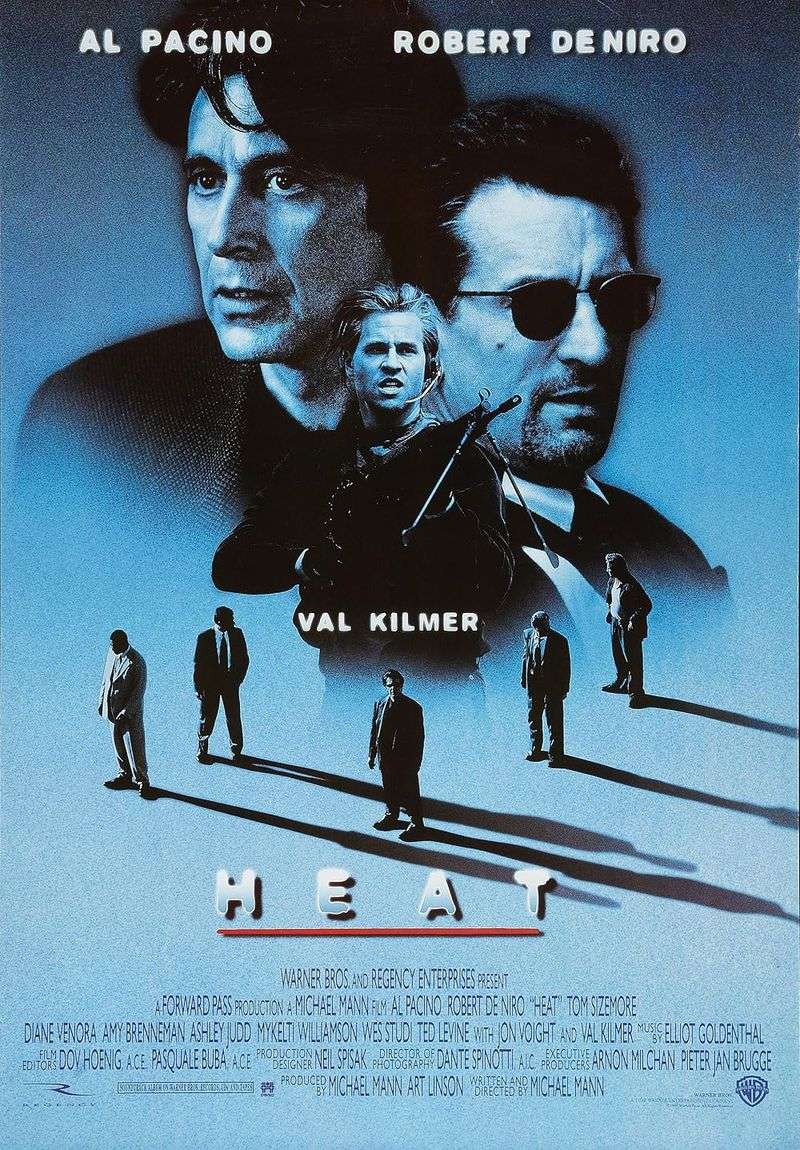
As a skilled thief, Neil McCauley lives by a rigid code: don’t get too close to anything you can’t escape in thirty seconds.
De Niro embodies him with measured words and controlled movements.
The calm precision of his life sharply contrasts with the turmoil around him.
The famous coffee shop scene between De Niro and Al Pacino is worth the price of admission alone.
Two acting giants sitting across from each other, discussing their parallel lives as criminal and cop.
Director Michael Mann creates a sprawling Los Angeles crime epic.
The downtown shootout remains one of the most realistic action sequences ever filmed.
De Niro’s final moments show a man finally understanding what he sacrificed.
10. Jackie Brown (1997)
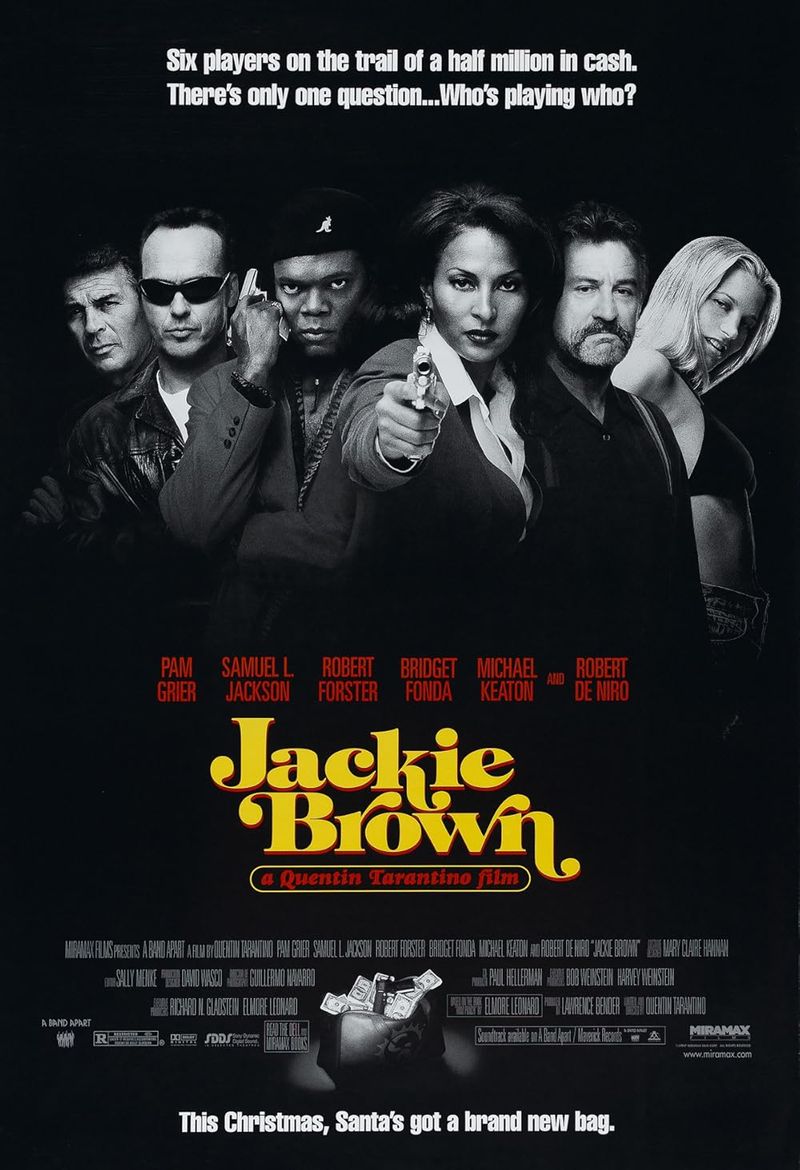
Louis Gara is a burned-out ex-con who just got out of prison and can’t quite keep up anymore.
De Niro plays against type as a somewhat dimwitted criminal past his prime.
His confused expressions and slow reactions provide unexpected humor throughout Quentin Tarantino’s crime caper.
The character’s relationship with Bridget Fonda’s stoner girlfriend creates some of the film’s funniest moments.
Louis keeps missing important details and making stupid mistakes.
De Niro embraces the unglamorous role completely, showing he doesn’t always need to be the smartest guy in the room.
His final scene is shockingly violent and perfectly in character.
This underrated Tarantino film benefits greatly from De Niro’s willingness to play the fool.
11. Ronin (1998)
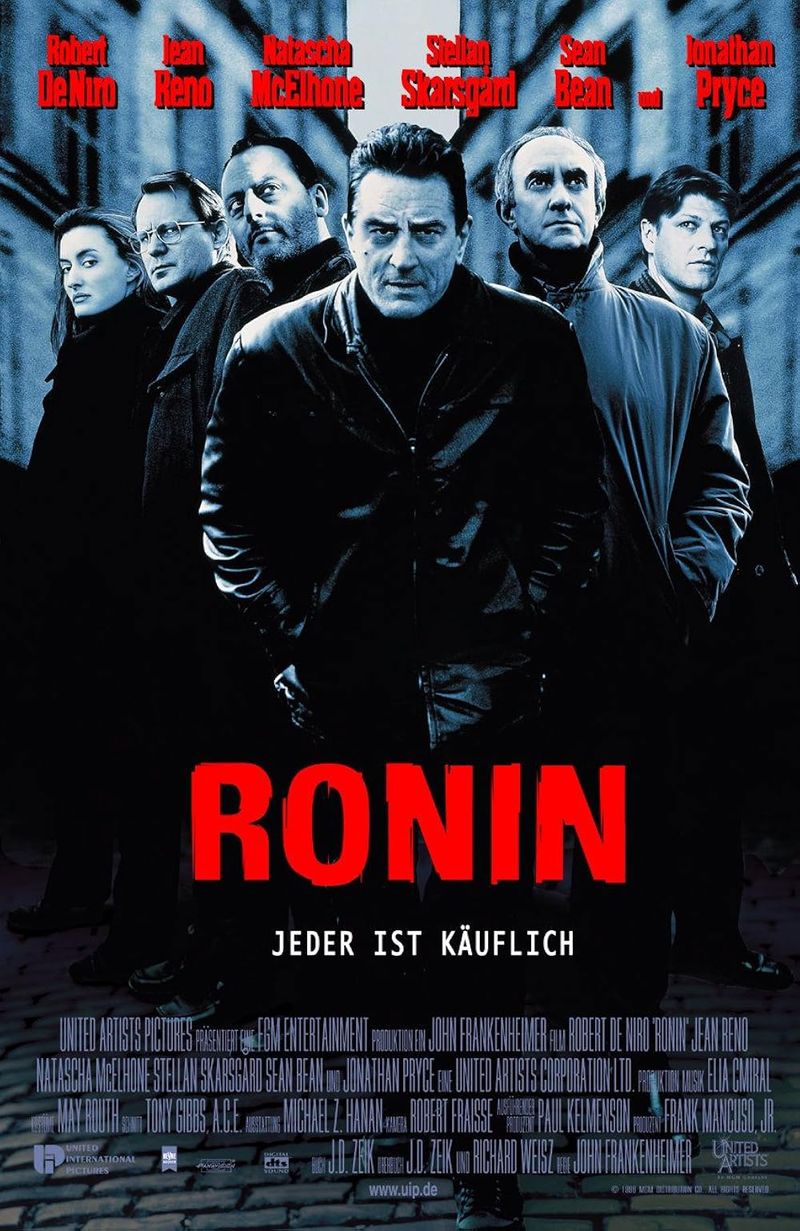
Sam is a former CIA operative working as a mercenary in France, part of a team assembled to steal a mysterious briefcase.
De Niro brings world-weary professionalism to the role, playing a man who trusts no one.
His tactical expertise and careful planning drive the plot forward.
Director John Frankenheimer crafts incredible car chase sequences through European streets.
Sam’s relationship with Jean Reno’s character provides the film’s emotional anchor.
The twists and double-crosses keep you guessing until the end.
De Niro’s understated performance grounds the action-packed story.
His face shows the toll of years spent in the shadows.
The ambiguous ending fits perfectly with the film’s theme of honor among thieves.
12. The Score (2001)
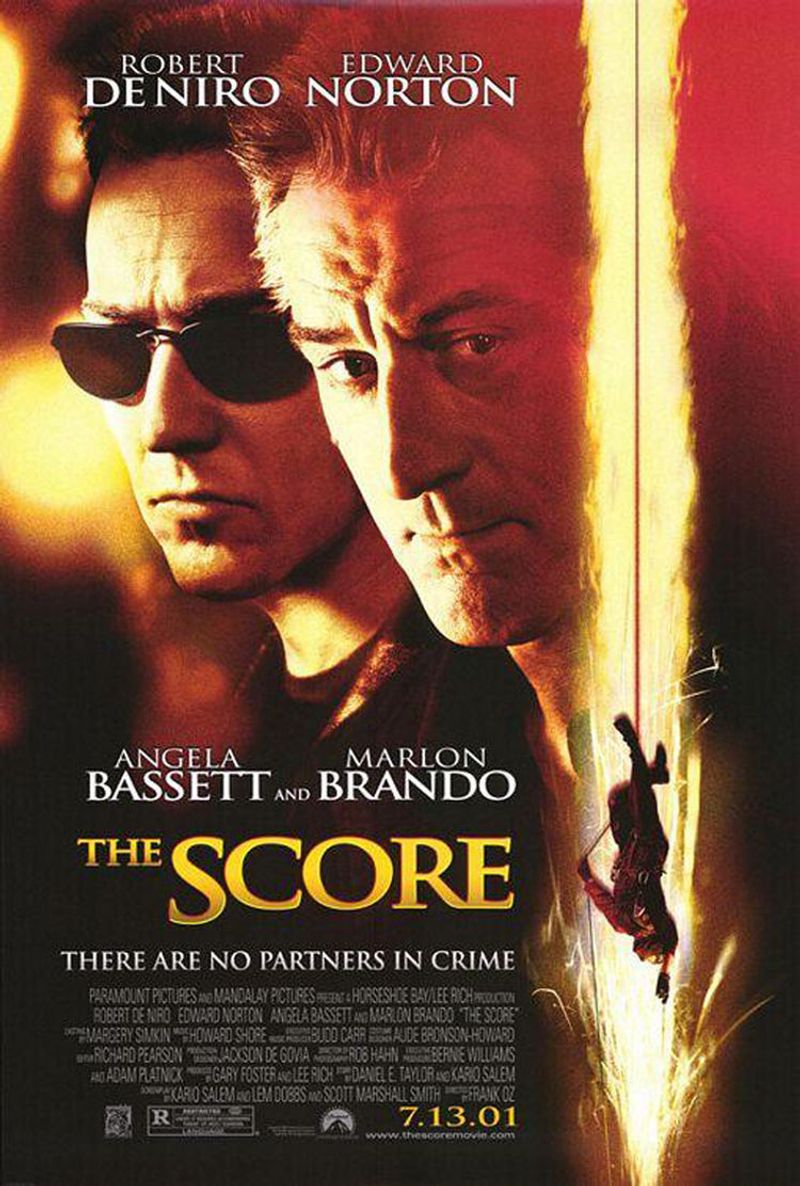
In this sleek heist thriller, Nick Wells is a master criminal preparing for one last job before retirement.
De Niro brings a world-weary elegance to the role, portraying a man who knows every nuance of the game.
His legitimate jazz club serves as the perfect cover for his underworld dealings.
The film features three generations of acting legends: De Niro, Marlon Brando, and Edward Norton.
Watching De Niro and Brando share scenes is a treat for cinema fans.
Norton plays an ambitious young thief who may not be trustworthy.
The actual heist sequence is tense and cleverly executed.
De Niro shows Nick’s conflict between safety and the thrill of one more score.
13. Silver Linings Playbook (2012)
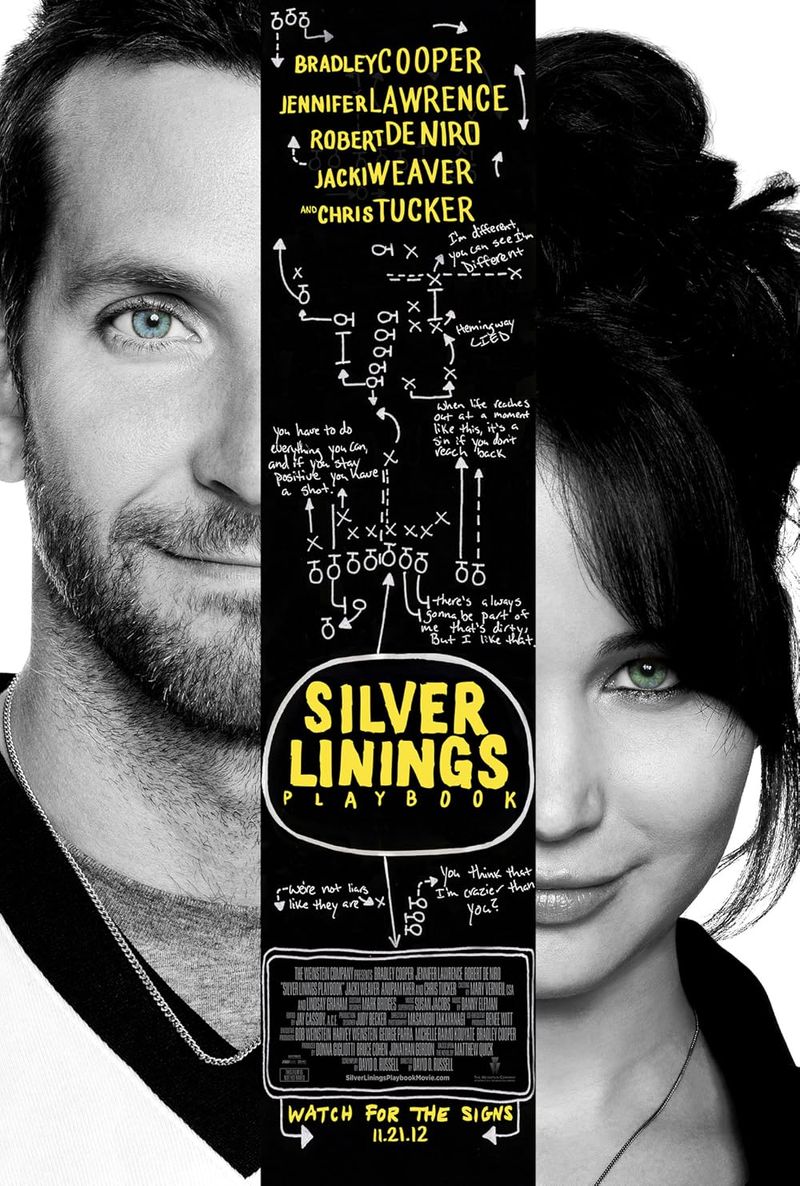
Pat Solitano Sr. is an obsessive-compulsive Philadelphia Eagles fan trying to reconnect with his bipolar son.
De Niro brings surprising vulnerability to this complicated father figure.
His superstitious rituals around football games reveal deeper anxieties about family and control.
The film tackles mental illness with humor and heart rather than melodrama.
De Niro’s scenes with Bradley Cooper crackle with authentic father-son tension and love.
His desperation to fix his relationship through football betting creates both comedy and pathos.
This performance earned De Niro his seventh Oscar nomination.
His willingness to show weakness and fear demonstrates his continued growth as an actor even in his seventies.
14. The Irishman (2019)
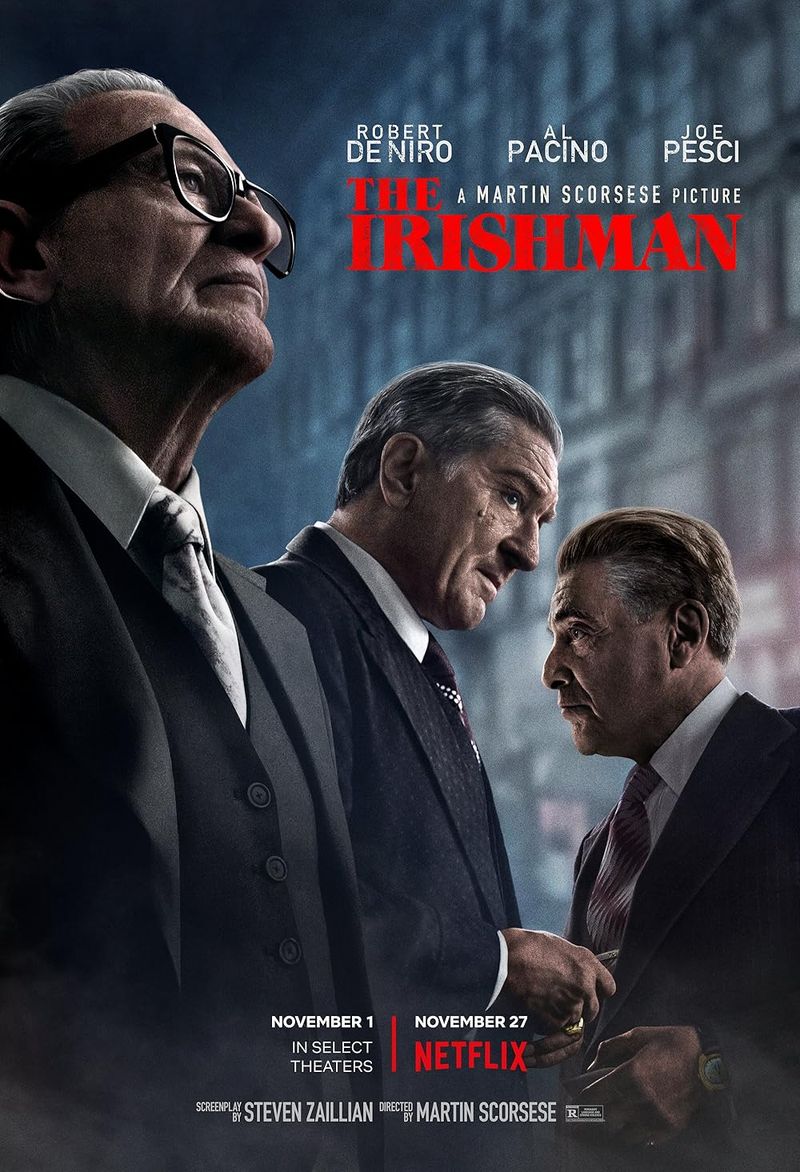
In Scorsese’s reflective masterpiece, Frank Sheeran, a seasoned mob enforcer, recounts his life of crime and the weight of his regrets.
De Niro inhabits the character over several decades using cutting-edge de-aging technology.
The movie reunites him with Pesci and Pacino for a final tour de force of mob cinema.
At three and a half hours, the film takes its time exploring the cost of a violent life.
Frank’s relationships with his family slowly crumble as bodies pile up.
De Niro’s performance is quieter and sadder than his earlier gangster roles.
The final scenes show an elderly Frank alone with his memories and regrets.
De Niro’s face conveys the weight of decades of terrible choices.
Comments
Loading…