
 Mila Ross
10 TV Characters With Terrible Money Habits We All Secretly Relate To
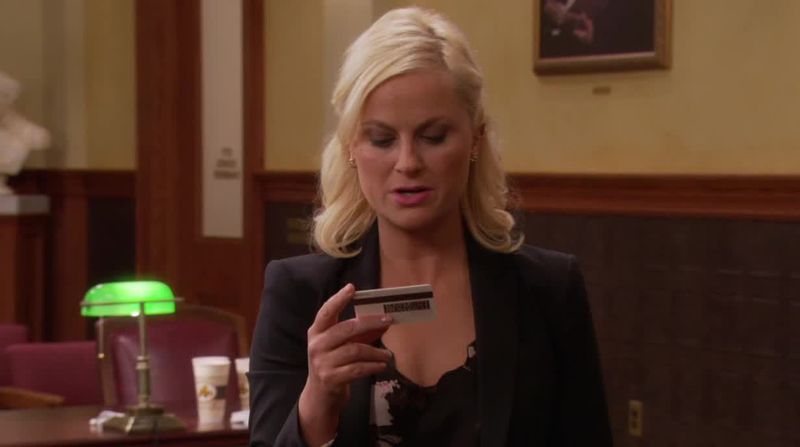
Most of us like to believe we’re rational, responsible adults until a flash sale pops up, a friend suggests brunch, or we decide we “deserve” something shiny after a long week.
That’s why TV characters with messy money habits feel so comforting to watch.
They make terrible choices, double down on them, and somehow still keep moving forward, which mirrors real life more than most finance advice ever will.
Whether it’s impulse shopping, lifestyle inflation, or pretending a budget doesn’t apply to “little treats,” these characters show how easy it is to spend emotionally, justify it logically, and deal with the consequences later.
If you’ve ever ignored your savings plan because you were stressed, bored, or trying to keep up with someone else, you’ll probably see a little of yourself in these familiar faces.
1. Carrie Bradshaw (Sex and the City)
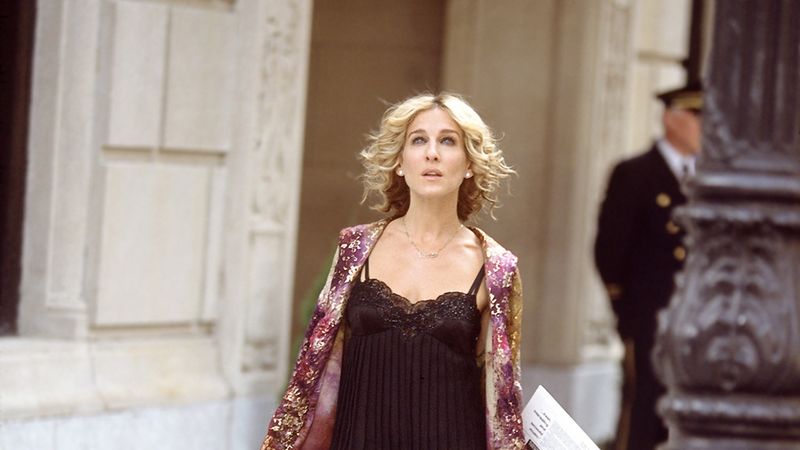
A single pair of designer shoes can become a symbol of confidence, reinvention, and “I’ve still got it,” which is exactly why Carrie’s spending is so relatable.
She lives in a world where fashion feels like self-care, and the line between personal style and financial self-sabotage gets blurry fast.
Instead of building stability first, she often treats shopping like a reward for surviving adulthood, even when her income doesn’t support the lifestyle she wants to project.
The most recognizable habit is the justification loop: the purchase feels necessary because it represents who she is, not because it fits the budget.
Many of us have done a smaller version of this, calling something an “investment” when it’s really a splurge that delays bigger goals.
2. Michael Scott (The Office)
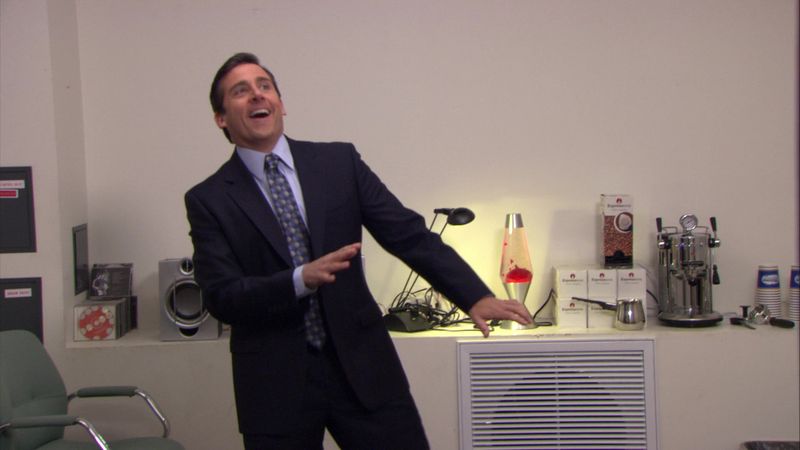
Spending can become a shortcut to feeling powerful, appreciated, or in control, and Michael’s choices reflect that perfectly.
He’s the kind of person who buys first and thinks later, especially if a purchase makes him feel like a big deal in the moment.
Whether he’s throwing money at an idea, chasing status, or trying to impress the people around him, he often treats finances as an emotional tool instead of a practical system.
That’s what makes it hit so close to home: plenty of people overspend when they’re insecure, lonely, or desperate to prove they matter.
The painful part is that the confidence boost fades quickly, while the consequences linger, and suddenly you’re stuck cleaning up a mess you created just to feel better for a few minutes.
3. Joey Tribbiani (Friends)
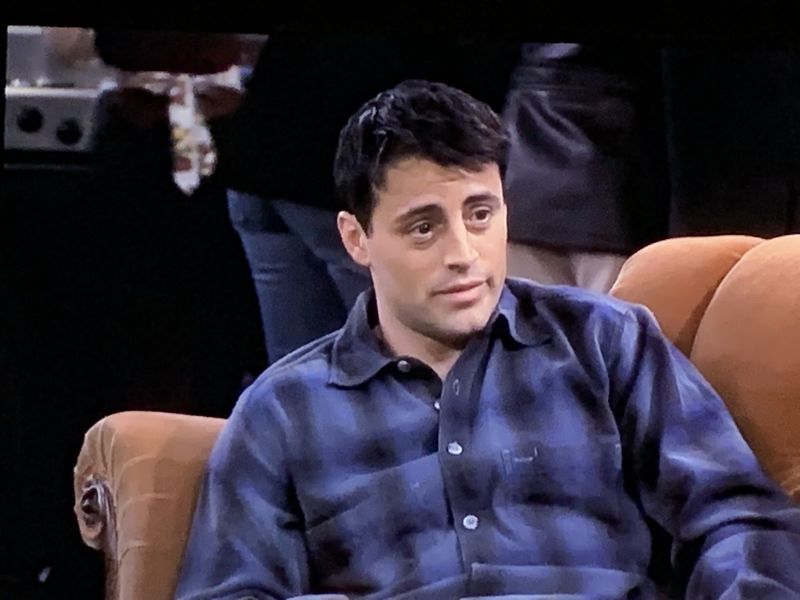
Living like tomorrow’s problem is tomorrow’s problem is basically Joey’s entire financial philosophy, and it’s hard not to laugh because it’s also very human.
He’s generous when he has money, carefree when he doesn’t, and oddly optimistic that things will work out, even when there’s no clear plan.
Instead of saving during the good months, he tends to spend as if the good months will never end, which makes the slow seasons feel chaotic.
What’s relatable isn’t the irresponsibility so much as the mindset: money management feels boring, stressful, and too grown-up, so you avoid it until it becomes unavoidable.
Many people recognize that pattern in themselves, especially when income fluctuates, because it’s easier to hope the future fixes it than to build a system that prevents panic.
4. Homer Simpson (The Simpsons)
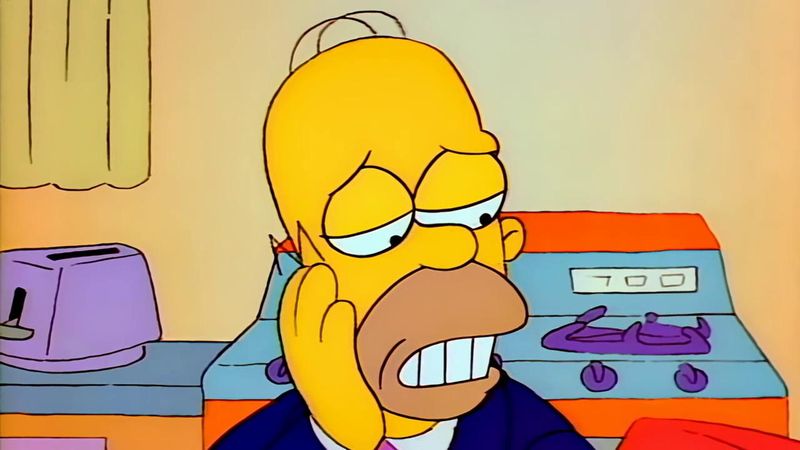
Impulse spending looks extra ridiculous when it’s cartoonish, but the logic behind it is painfully real.
Homer doesn’t buy things because they’re smart purchases; he buys them because they promise instant comfort, excitement, or distraction from whatever is bothering him.
That’s emotional spending in its purest form, and it often shows up as “small” choices that pile up into big consequences.
The habit isn’t just wasting money, but ignoring the ripple effects, because the immediate dopamine hit feels more urgent than long-term stability.
People relate because modern life is exhausting, and it’s easy to rationalize a quick treat or a random gadget as a deserved reward.
The problem is that this pattern quietly trains you to spend anytime you feel stressed, which can make budgeting feel like punishment instead of protection.
5. Lucille Bluth (Arrested Development)

Being out of touch with real-world prices is a surprisingly common money habit, just usually not as dramatic as Lucille makes it.
She moves through life assuming everything will be handled for her, which creates a kind of financial fog where costs don’t feel real until they suddenly are.
The humor comes from how confidently wrong she is, but the underlying habit is familiar: spending without checking because you’re avoiding the discomfort of confronting the number.
It’s the same vibe as adding items to a cart without looking at the total, or agreeing to plans without thinking about the budget impact.
Many people also relate to the way status can distort reality, because when your identity is tied to a certain lifestyle, you may subconsciously refuse to acknowledge what it actually costs.
That denial can be expensive.
6. George Costanza (Seinfeld)
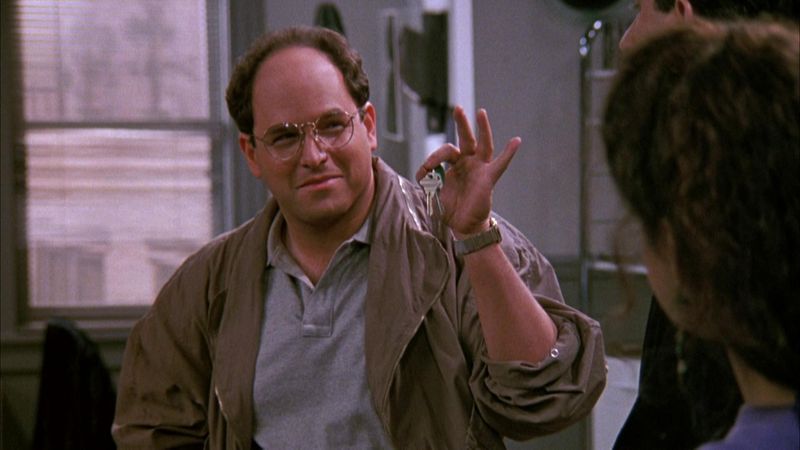
Misplaced frugality is one of the most relatable financial traps, and George practically wrote the guidebook.
He’ll obsess over saving a few dollars in one area while making wildly impractical choices elsewhere, which is exactly how people end up with “money leaks” they don’t understand.
The habit isn’t simply being cheap, but being selective about it in ways that create bigger problems, like sacrificing quality, time, or relationships to avoid small expenses.
Many viewers recognize that logic because it feels rational in the moment, especially when money anxiety is driving decisions.
You tell yourself you’re being responsible, even as you create a situation that costs more later.
George also shows how ego can sneak into budgeting, because pride makes you double down on a bad call instead of admitting you should have handled it differently.
7. Blair Waldorf (Gossip Girl)
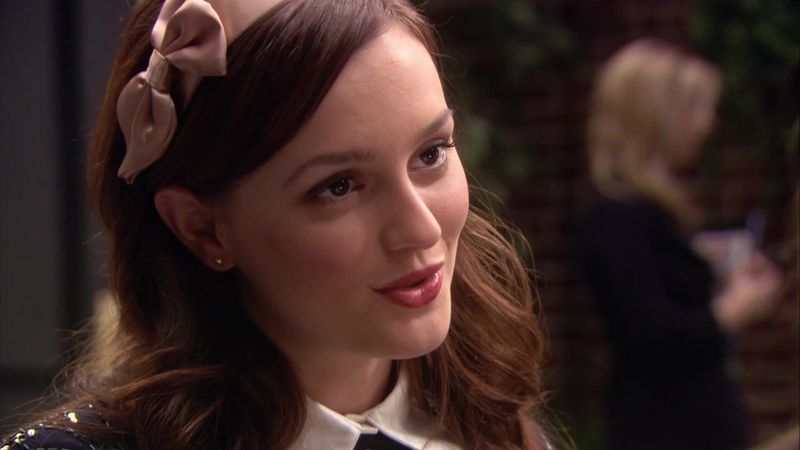
Keeping up appearances can turn money into a performance, and Blair embodies the pressure to look effortlessly put-together at all times.
Her spending often supports an image of control, taste, and status, even when that image requires constant upgrades and curated perfection.
The relatable part is that lifestyle inflation rarely feels like “going broke,” because it shows up as choices that seem normal within your social bubble.
You start thinking you need the nicer outfit, the better vacation, the higher-end habit, because everyone around you is doing it.
What makes Blair’s money behavior so recognizable is the way spending becomes a form of identity protection, as if looking successful is the same as being secure.
Plenty of people have felt that pull, especially on social media, where it’s easy to believe your life should look more polished than your budget can handle.
8. Leslie Knope (Parks and Recreation)
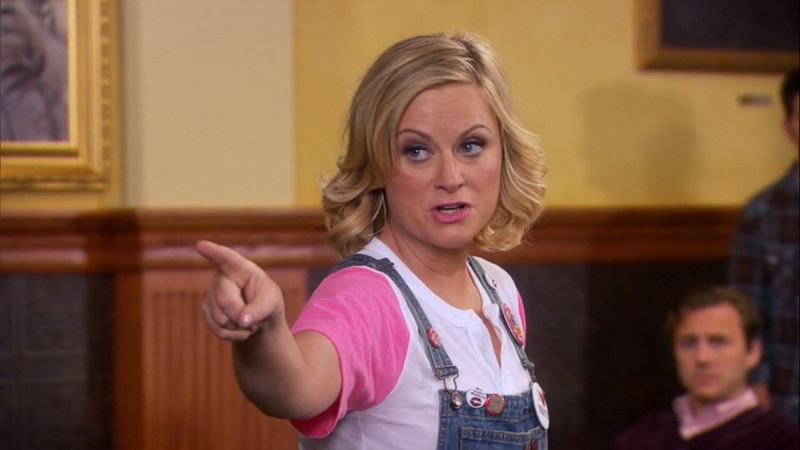
Generosity can be a beautiful trait, but it can also become a budget problem when it turns into a reflex.
Leslie loves people loudly, and she often expresses that love through thoughtful gifts, big celebrations, and over-the-top gestures that don’t always match her financial reality.
The habit isn’t selfish spending, but emotionally driven spending, because she associates showing up for others with spending money to make moments special.
Many people relate to that, especially if they’ve ever felt guilty doing “less” for someone they care about.
It’s easy to underestimate how often those gestures happen and how quickly they add up, especially when you’re the planner friend who makes birthdays, holidays, and life events feel magical.
Leslie’s story is a reminder that generosity needs boundaries, because love doesn’t require overspending, and consistency matters more than extravagance.
9. Schmidt (New Girl)
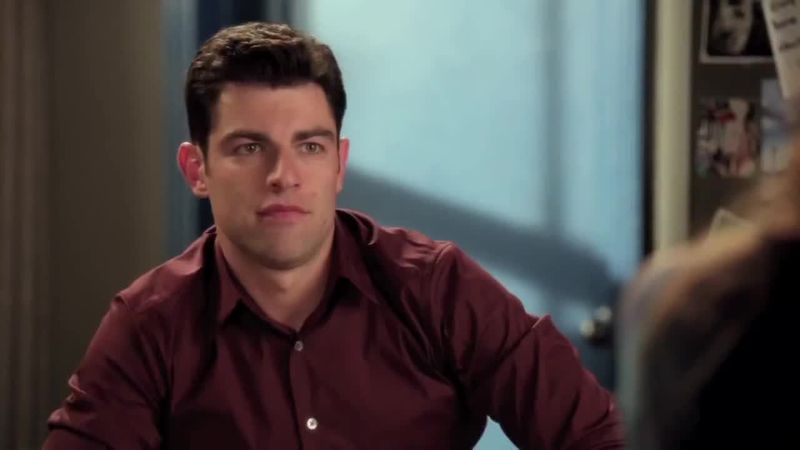
Preferring the premium option can feel like a sign you’ve made it, and Schmidt’s taste for the “best” everything captures that temptation perfectly.
He treats upgrades as necessities, not luxuries, and he often pays extra because it reinforces his image of being sophisticated, polished, and finally in control of his life.
The money habit here is subtle but common: overspending on quality when the purchase is actually about validation rather than function.
Many people relate because there’s a real emotional payoff in nicer products, especially if you grew up without them or felt embarrassed about what you didn’t have.
The problem is that premium choices become default choices, and suddenly your baseline lifestyle is expensive.
Schmidt shows how quickly “I deserve this” can shift from an occasional treat into a constant expectation that quietly drains savings.
10. Tony Soprano (The Sopranos)
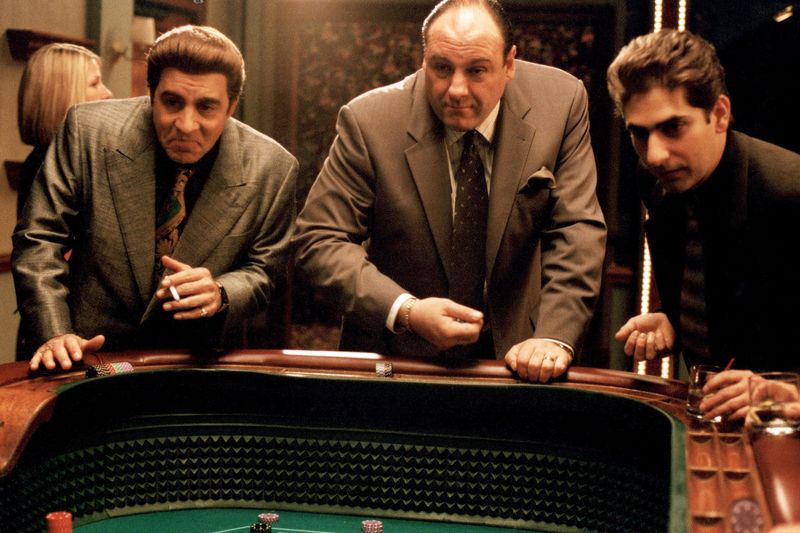
Flashy spending can be a form of communication, and Tony uses money the way some people use words: to control a situation, signal power, or smooth over guilt.
He’ll make grand gestures and lavish choices that reinforce his status, while also treating money as something that will keep coming, no matter what.
What’s relatable isn’t the scale, but the psychology behind it, because plenty of people spend to prove they’re okay when they’re not.
Big purchases can become a distraction from stress, a bandage for relationship problems, or a way to feel untouchable for a moment.
Tony’s money habits also highlight how generosity can be transactional, where gifts are meant to buy loyalty or forgiveness.
Even without the drama of his world, many viewers recognize the impulse to spend as a way to manage emotions you don’t want to confront directly.
Comments
Loading…