
 Jade Reed
How to Build a ‘Boring Money’ System So You Can Stop Thinking About Every Purchase

Most money stress doesn’t come from being “bad with money,” it comes from having to make a hundred tiny decisions every week.
Should you buy the nicer groceries, grab the coffee, replace the shoes, say yes to a weekend plan, or wait until next paycheck?
That constant mental math is exhausting, and it makes even small purchases feel loaded.
A “boring money” system fixes this by making your finances predictable on purpose.
Instead of relying on motivation or willpower, you build a setup where bills get paid automatically, savings happens in the background, and spending has a clear lane that doesn’t require guilt or spreadsheets.
The goal isn’t to track every dollar; it’s to create a routine that quietly handles the essentials so you can think less about money and still feel confident you’re on track.
1. Pick a weekly “money day” (10 minutes, same day/time).

A system stays boring only when you maintain it in small, regular doses instead of waiting for an “uh-oh” moment.
Choosing a set day each week creates a rhythm that prevents surprises from piling up, and it keeps money from turning into a constant background worry.
Keep it short: you’re not rebuilding your budget, you’re simply checking that the machine is running.
Look at your bills account balance, confirm your next due dates, scan recent transactions for anything weird, and make sure your weekly spending transfer happened.
If you need to move money, do it right then, and if you don’t, you’re done.
The real win is consistency, because a predictable check-in removes the urge to peek at your bank app ten times a day.
2. Use one checking account for bills only.
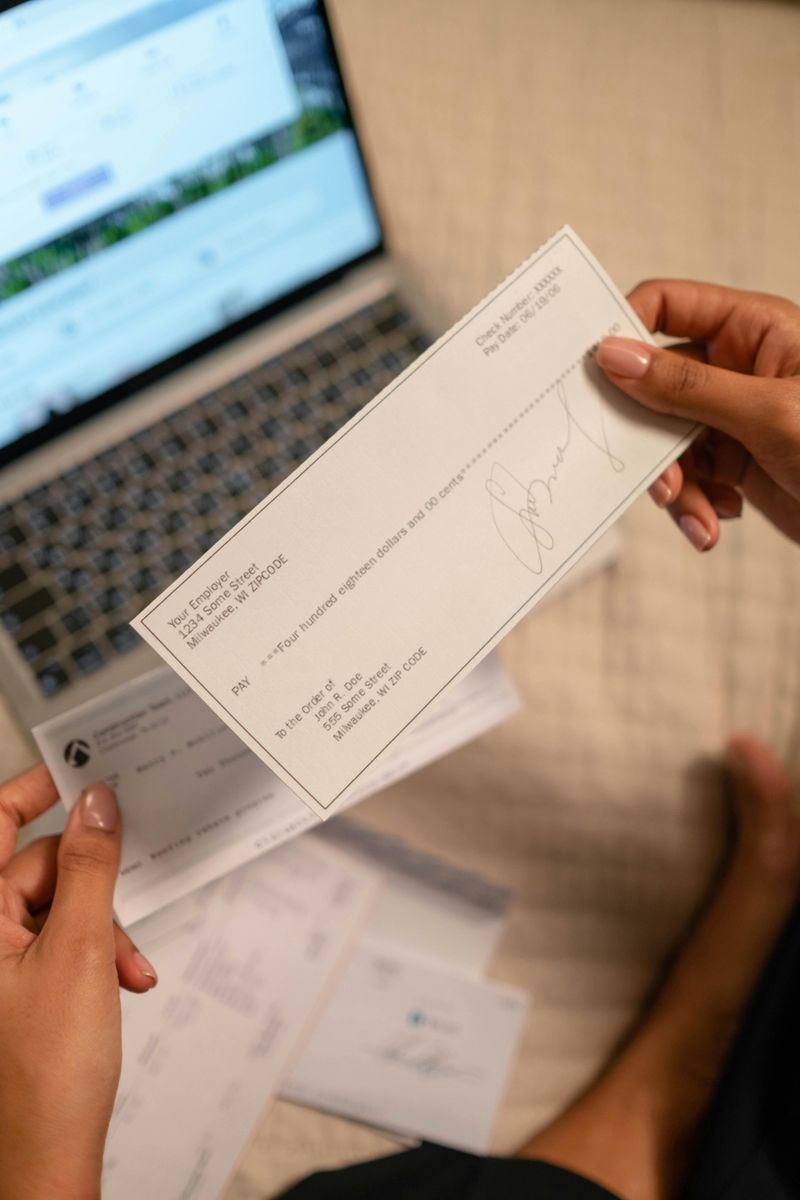
Stress drops fast when bills are kept in their own lane, because you stop guessing whether you can afford something based on a single mixed account.
A bills-only checking account is exactly what it sounds like: rent or mortgage, utilities, insurance, subscriptions, and any fixed monthly payments come out of this account and nothing else touches it.
When your bills have their own home, the balance actually means something, and you’re no longer doing mental subtraction every time you buy groceries.
This setup also makes planning easier, because you can look at one number and know whether your essentials are covered.
To make it work, route your bill money there automatically and avoid using the debit card for everyday purchases.
The more “boring” this account becomes, the calmer your finances feel.
3. Use a separate spending account for everyday purchases.
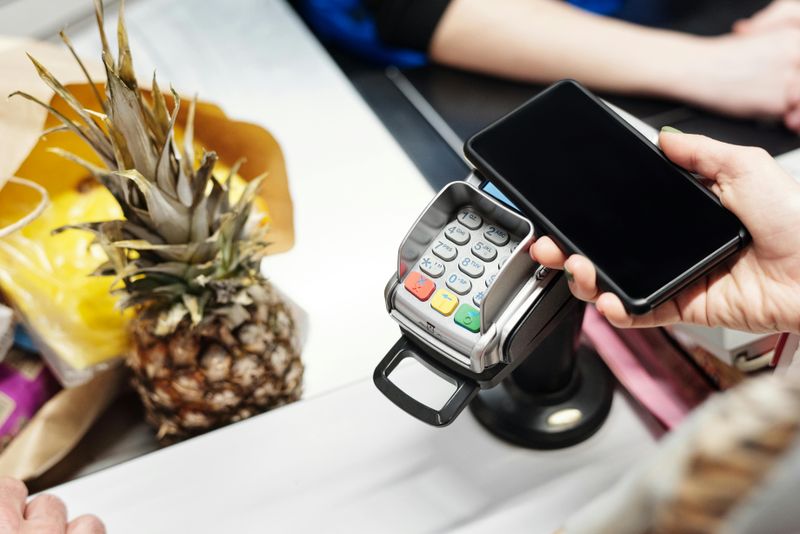
Your spending money should feel simple, not like a negotiation with your future self.
Using a dedicated spending account gives you a clean, guilt-free boundary: this is the money you can use without worrying about rent, the electric bill, or your insurance payment.
Groceries, gas, coffee, meals out, and little life upgrades all belong here.
If the account balance is healthy, you can say yes more confidently, and if it’s low, you naturally slow down without needing a lecture from a budgeting app.
This separation also protects you from “accidental overspending,” where one busy week turns into a month of small charges that quietly steal bill money.
Think of it as a simple container system, where the container sets the limit so you don’t have to.
4. Split your paycheck automatically (bills, savings, spending).

Decision fatigue disappears when your money is sorted before you ever see it.
A paycheck split is the backbone of a boring system because it removes the weekly “how much should I move?” question.
Arrange things so a set portion goes to bills, a set portion goes to savings, and the rest lands in spending.
The exact amounts depend on your numbers, but the structure stays the same: essentials first, goals second, lifestyle last.
If your employer offers direct deposit splitting, you can route money to multiple accounts automatically, and if they don’t, you can use recurring transfers through your bank.
The point is to make your default behavior the right behavior, even on hectic weeks.
When the split happens automatically, you stop treating saving like something you’ll “get to later.”
5. Set bill autopays for right after payday.

Timing is a bigger deal than most people think, because a good system isn’t only about amounts, it’s about reducing the chance of mistakes.
Scheduling autopay right after payday helps your bills clear while the money is fresh, and it prevents the awkward “I swear I had enough in here yesterday” problem.
This works best when your bills account is funded first, then autopay pulls from that account, and your spending money stays separate.
If you’re paid biweekly, align the largest bills with the paycheck that can handle them and schedule smaller bills around it.
Autopay isn’t about being hands-off; it’s about removing the mental load of remembering due dates.
Once everything is timed correctly, your system becomes boring in the best way, because bills stop being a monthly event you have to manage.
6. Keep a small bills buffer (one extra utility bill amount).

Even with autopay, life gets messy, and a buffer is what keeps a small mess from becoming a full-blown panic.
Having a little extra in your bills account protects you from seasonal utility spikes, billing errors, or timing quirks that would otherwise make you scramble.
The buffer doesn’t have to be huge to be effective; one extra utility bill amount or a few hundred dollars can create a surprising amount of calm.
Instead of living at a zero balance cliff, you keep a cushion that absorbs normal fluctuations.
Build it slowly by leaving a small amount behind each month until you reach your target, then treat it like it doesn’t exist.
The goal is not to hoard money in checking, but to create stability so autopay can do its job without you constantly hovering over your account.
7. Transfer a weekly spending allowance into your spending account.

A weekly allowance turns “Can I afford this?” into a much easier question, because you’re working with a defined amount and a short time frame.
Instead of trying to pace yourself across an entire month, you give your spending account a set refill each week, which keeps overspending from snowballing.
This also makes it easier to be flexible, because if you have an expensive week you can adjust the next week’s choices instead of feeling like you ruined the whole month.
Choose an amount that covers your basics like groceries and gas, then decide how much room you want for extras.
Automating the transfer is key, because it removes the temptation to “borrow” from bills or savings when you feel impulsive.
When your allowance is routine, you stop negotiating with yourself at every checkout line.
8. Use one card for daily spending to keep it simple.

Clarity matters, and using one primary card for everyday purchases keeps your spending easy to see and control.
When you spread expenses across multiple cards and accounts, it becomes harder to know what you’ve truly spent, which invites accidental overspending and constant second-guessing.
A single daily card creates a clean trail, whether it’s a debit card tied to your spending account or a credit card you pay off consistently.
If you prefer credit for points, set it up so that the payment comes from your spending account and you review the balance weekly, not just at the end of the month.
The goal isn’t perfection, it’s simplicity.
With one default card, you reduce tracking effort, you spot weird charges faster, and you’re less likely to treat multiple cards like extra money.
Boring money works best when the system has fewer moving parts.
9. Create 2–3 no-guilt categories (coffee, lunch, small treats).

A system that forbids everything fun won’t last, because you’ll eventually rebel against it.
Building in a few no-guilt categories makes your spending plan feel humane, and it reduces the emotional pressure that causes binge spending later.
Pick two or three small things that make your life easier or happier, such as coffee, lunch out, a weekly treat, or a casual social plan.
The key is that these categories are allowed within your spending allowance, so you don’t have to analyze them every time.
This is especially helpful if you’re someone who tends to overthink purchases, because it gives you a pre-approved lane.
You can still be mindful, but you don’t have to turn every small choice into a moral debate.
When your system includes permission, you stop swinging between restriction and regret.
10. Add one spending rule: wait 24 hours for anything over $X.

Impulse buying isn’t a character flaw; it’s a predictable outcome of stress, marketing, and convenience.
A simple waiting rule creates space between the desire and the purchase, which is often all you need to make a smarter choice.
Choose a threshold that fits your life, whether that’s $30, $50, or $100, and commit to pausing for 24 hours before you buy.
During the wait, you can ask yourself whether this purchase solves a real problem, replaces something you already use, or is mainly a mood boost that will fade.
Many wants disappear with time, and the ones that stay usually feel more worthwhile because you chose them intentionally.
This rule works even better when you keep a running wish list in your notes app, because it lets you capture the excitement without spending immediately.
The result is less regret and more calm.
11. Start an automatic “baseline savings” transfer every payday.

Saving gets easier when it stops being optional.
A baseline savings transfer is a set amount that moves to savings every payday no matter what, and it’s designed to be realistic enough that you won’t constantly cancel it.
Start small if you need to, because consistency matters more than the number in the beginning.
When savings is automatic, you’re building the habit of paying yourself first, and you’re removing the temptation to spend what you planned to save.
This also helps you avoid the “I’ll save whatever is left” trap, because there’s rarely anything left on purpose.
If you’re nervous, begin with an amount you barely notice and increase it over time, especially after raises or debt payoffs.
The system becomes boring when saving happens quietly in the background, without requiring a fresh burst of willpower each month.
12. Build a mini emergency fund first ($500–$1,000).

A small emergency fund is one of the fastest ways to make money feel less dramatic.
Having $500 to $1,000 set aside won’t cover every crisis, but it handles the most common problems that derail people, like car repairs, unexpected medical costs, or a surprise travel expense.
Without this cushion, you’re forced to put emergencies on a credit card or drain your bills money, and then your whole month becomes a scramble.
Building a mini fund first also makes your other goals easier, because it reduces the chance that you’ll have to raid your savings the moment something goes wrong.
Treat it as a starter shield, not your final destination, and fund it automatically until you hit your target.
Once it’s in place, you’ll feel the difference immediately, because normal life stops feeling like a threat to your budget.
13. Create sinking funds for predictable expenses (car, holidays, back-to-school).

Not everything is an emergency, even if it feels like one when the bill shows up.
Sinking funds are savings buckets for predictable, recurring expenses that don’t happen every month, such as car maintenance, holidays, birthdays, school costs, or annual insurance premiums.
Instead of getting blindsided, you set aside a small amount regularly so the money is waiting when you need it.
This is one of the most “boring” tools you can use because it turns future expenses into routine habits.
You can keep sinking funds in one savings account with separate labels, or you can use multiple accounts if that’s easier for you mentally.
The math is simple: estimate the yearly cost, divide by 12, and automate the transfer.
When sinking funds are running, those once-stressful expenses become non-events, and you stop feeling like you’re constantly recovering from the last surprise.
14. Put debt minimums on autopay to avoid slips.
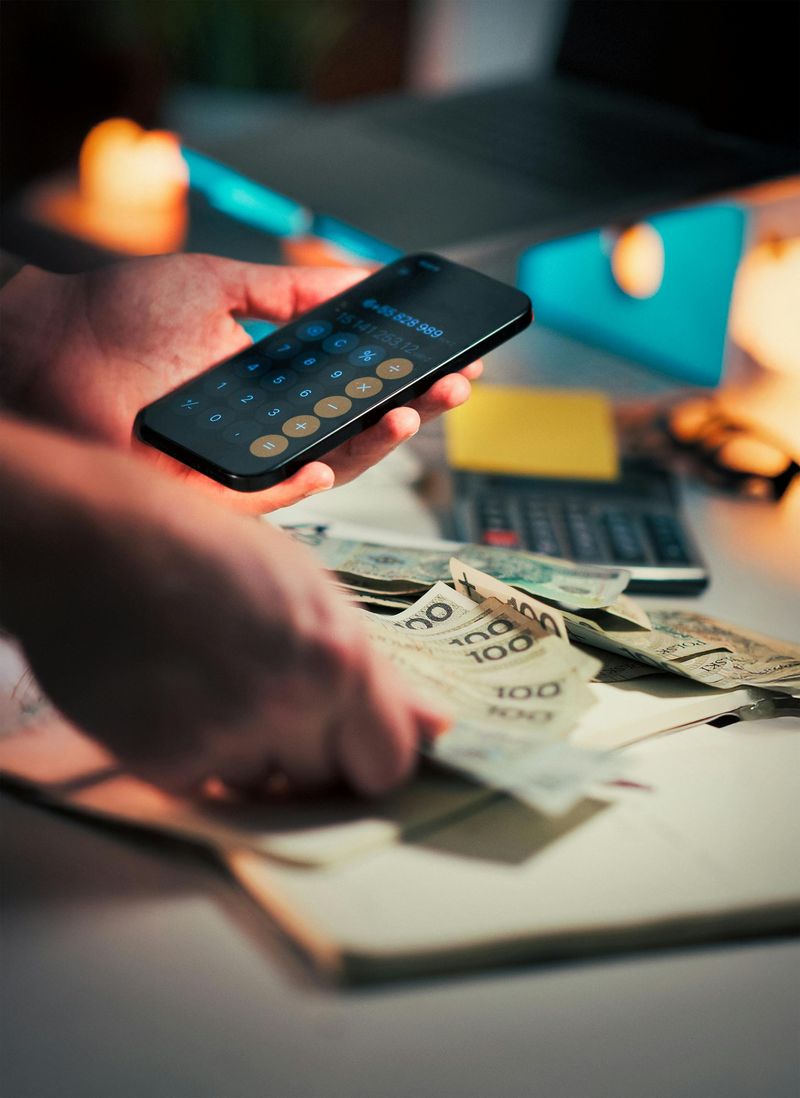
Debt becomes more manageable when you remove the risk of missed payments, late fees, and credit dings.
Autopaying the minimum payment for each debt is a safety net, and it ensures your baseline responsibility happens even during busy, chaotic months.
This doesn’t mean you’re settling for minimums forever, but it protects you from the costly mistakes that happen when you rely on memory and motivation.
Use your bills account for these payments so they’re part of your essentials, and schedule them to align with your payday.
Once the minimums are automated, you can focus your attention on one targeted extra payment rather than juggling multiple due dates.
The emotional benefit matters too, because autopay reduces dread, and it stops debt from feeling like a collection of looming deadlines.
Your system becomes calmer when your required payments are automatic and predictable.
15. Add one extra automatic debt payment (highest interest first).

Progress feels real when you have a plan that moves forward without daily effort.
Adding one extra automatic payment toward your highest-interest debt accelerates payoff and reduces the total interest you’ll pay over time, and it keeps you from having to “decide” every month whether you’ll be disciplined.
Pick one account, choose an extra amount you can sustain, and automate it so it happens right after payday.
Even if the extra payment is small, it creates momentum because it’s consistent.
This approach also prevents the common cycle where you throw extra money at debt one month and then stop for three months because life got expensive.
If your debt is on credit cards, you can also consider making that extra payment weekly, which can reduce balance growth and keep the goal visible.
The point is to make debt reduction a default behavior, not a heroic monthly effort.
16. Do a monthly money reset (subscriptions + upcoming costs + quick check-in).

Most systems fail not because they’re flawed, but because they’re never updated as life changes.
A monthly reset is a short review that keeps your boring money plan aligned with reality, and it prevents small issues from turning into bigger ones.
Once a month, scan your subscriptions for anything you don’t use, look ahead to upcoming expenses like travel, birthdays, or annual bills, and check whether your weekly spending allowance still makes sense.
If you notice consistent overspending in one area, adjust the system instead of blaming yourself, because the goal is to build something you can live with.
This is also a good time to increase your savings transfers if you’ve had a raise or paid off a debt.
You’re not doing a full budgeting overhaul, you’re simply tuning the machine so it stays reliable.
When the reset becomes routine, money stops being a constant thought and starts being a quiet background process.
Comments
Loading…