
 Mary Murphy
13 Popular TV Shows That Some Viewers Found Too Boring to Finish

Everyone loves a good binge-watch, but not every popular show keeps viewers hooked until the final credits roll.
Some series start strong but lose steam along the way, leaving fans frustrated and reaching for the remote.
Whether it’s slow pacing, confusing plots, or storylines that stretch too thin, these shows left many viewers wondering if sticking around was worth the effort.
1. Dexter (2006–2013)
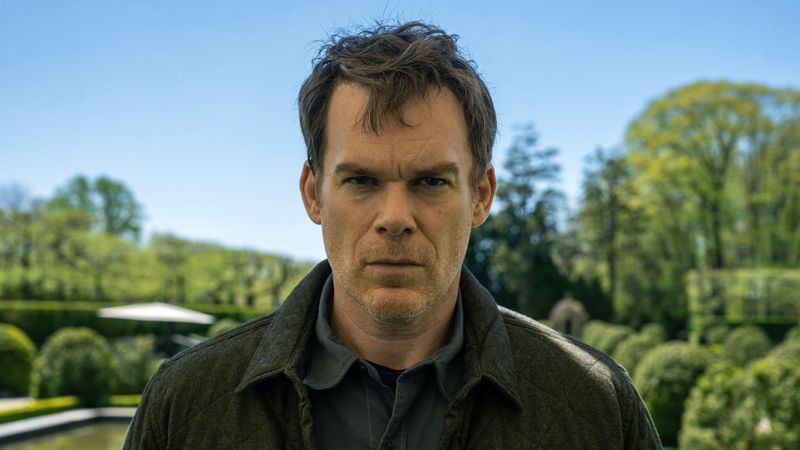
Starting as a gripping thriller about a vigilante serial killer, Dexter captured audiences with its dark premise and moral complexity.
The show’s early seasons delivered nail-biting suspense as viewers followed the blood-spatter analyst by day, killer by night.
However, many fans felt the quality declined significantly after season four.
The pacing slowed considerably, and storylines became repetitive and predictable.
What once felt fresh and dangerous started feeling like the same cat-and-mouse game over and over.
By the final seasons, countless viewers had abandoned ship, frustrated by dragging plotlines and a controversial ending.
The hype that initially surrounded the show couldn’t sustain interest when the storytelling lost its edge.
2. Westworld (2016–2022)
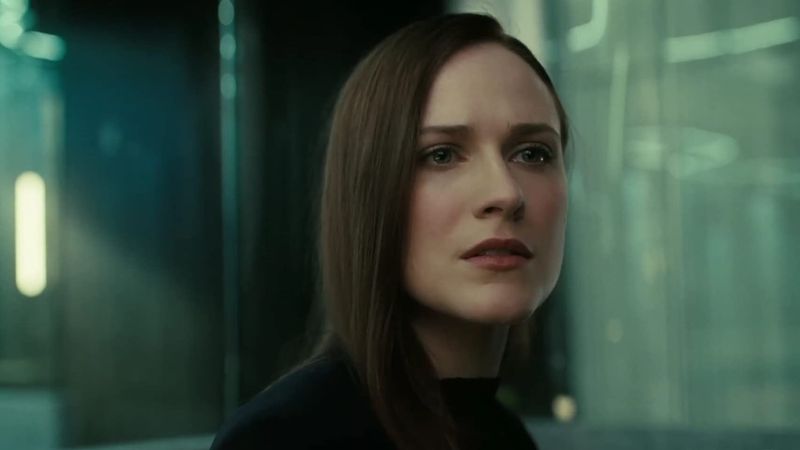
HBO’s ambitious sci-fi Western dazzled viewers initially with its stunning visuals and thought-provoking questions about consciousness.
The first season wove together multiple timelines in a puzzle that rewarded careful attention.
But as the series progressed, those complex narrative structures became increasingly convoluted.
Many viewers found themselves lost in a maze of confusing timelines and philosophical debates that overshadowed character development.
The show demanded intense focus that casual watching couldn’t provide.
What started as intriguing mystery-solving turned into homework for some audiences.
The slow expansion of the story world and increasingly abstract concepts pushed away viewers who wanted clearer answers and more emotional connections to the characters they were watching.
3. Lost (2004–2010)

Few shows generated as much water-cooler buzz as Lost during its groundbreaking run.
The plane crash survivors on a mysterious island faced polar bears, smoke monsters, and endless secrets that kept viewers theorizing obsessively.
The problem?
The show became notorious for raising questions without providing satisfying answers.
Every revelation led to three more mysteries, creating a mythology treadmill that exhausted patience.
Viewers invested years waiting for explanations that often never came or felt incomplete.
Flash-forwards, flash-sideways, and time travel added layers of complexity that thrilled some but alienated others.
Many fans eventually gave up, feeling strung along by writers who seemed to be making things up as they went rather than building toward meaningful resolutions.
4. Prison Break (2005–2009; 2017)
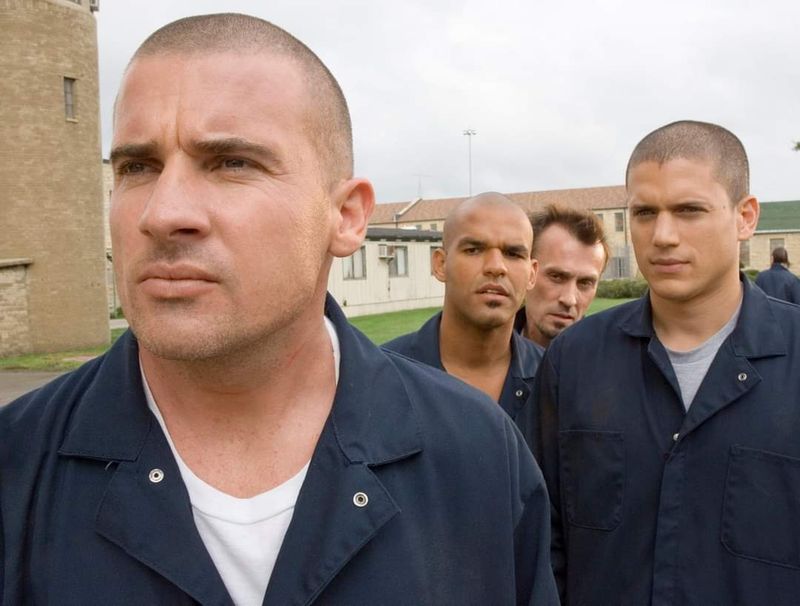
The first season of Prison Break delivered exactly what the title promised: an elaborate, thrilling escape from prison.
Michael Scofield’s tattooed blueprints and brilliant planning made for edge-of-your-seat television that hooked millions.
Once the characters actually broke out, though, the show faced an identity crisis.
Writers stretched the concept far beyond its natural conclusion, manufacturing increasingly ridiculous reasons to keep the story going.
New conspiracies and imprisonments felt forced rather than organic.
By the time characters were breaking out of yet another facility, viewer fatigue had set in hard.
The momentum that made the first season so compelling evaporated as the central premise wore dangerously thin, leaving former fans to wonder when enough would finally be enough.
5. Once Upon a Time (2011–2018)
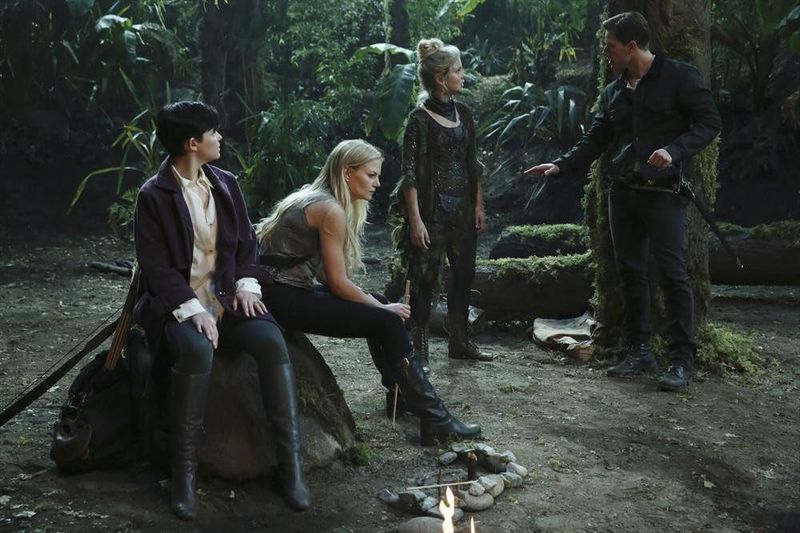
Imagine all your favorite fairy tale characters living in a small Maine town with no memory of their true identities.
That creative premise launched Once Upon a Time with charm and whimsy that delighted Disney fans everywhere.
As seasons multiplied, so did the mythological arcs and character introductions.
The show kept adding new realms, new villains, and new twists on classic stories until the narrative became overcrowded.
Storylines that once felt magical started feeling repetitive, with similar redemption arcs and memory-wipe plots recycled endlessly.
Viewers who initially loved seeing their childhood heroes reimagined eventually grew weary of the formula.
The constant addition of new fairy tale worlds without resolving existing conflicts made the show feel bloated and directionless to many once-devoted fans.
6. Grey’s Anatomy (2005– )
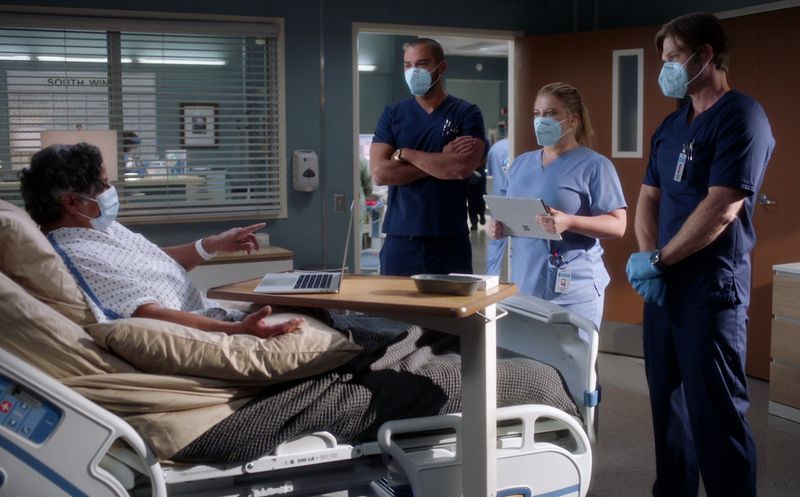
As one of television’s longest-running medical dramas, Grey’s Anatomy has become an institution.
Generations of viewers have followed the doctors of Seattle Grace through countless surgeries, romances, and tragedies over nearly two decades.
That longevity, however, comes with a price.
Many longtime viewers report that the show’s formula has grown stale, with repetitive relationship drama and medical crises that no longer pack emotional punch.
Characters make the same mistakes repeatedly, creating a sense of déjà vu.
Original cast departures have also changed the show’s chemistry significantly.
For some fans, the constant cycle of new interns and recycled storylines makes continuing feel more like obligation than entertainment, especially when spanning over three hundred episodes and counting.
7. The Following (2013–2015)

Kevin Bacon starred as an FBI agent hunting a charismatic serial killer who commands a cult of murderous followers.
The cat-and-mouse thriller promised intense psychological games and shocking violence that initially grabbed attention.
Unfortunately, the show quickly fell into a predictable pattern.
Each episode featured similar chase sequences, near-misses, and cliffhangers that became formulaic rather than surprising.
The cult seemed impossibly large and well-organized, straining believability with each new reveal.
Thin character development and repetitive story structure made many viewers lose interest despite the show’s dark atmosphere.
What could have been a taut psychological thriller instead became a drawn-out game where the same beats played over and over, making it feel more exhausting than exciting for audiences seeking substance.
8. The Walking Dead (2010–2022)
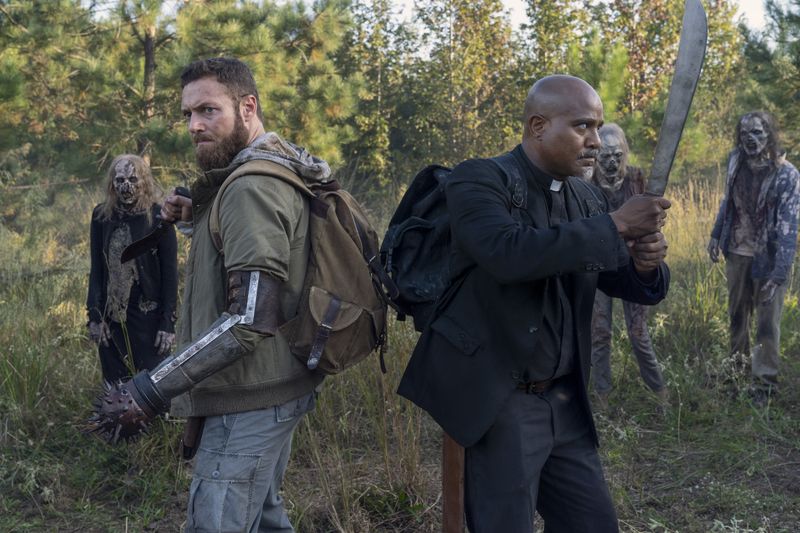
Zombies took over television when The Walking Dead shambled onto screens with terrifying intensity.
The show’s depiction of survival in a post-apocalyptic world filled with walkers created a cultural phenomenon that dominated conversations for years.
As seasons progressed, though, a pattern emerged that frustrated viewers.
Long stretches of slow character development separated major plot events, creating pacing issues that tested patience.
The cycle of finding sanctuary, losing it, and moving on repeated so often it became predictable.
Beloved character deaths that once shocked audiences became expected, and the introduction of new communities followed familiar templates.
Many fans who initially couldn’t miss an episode found themselves checking out during the slower seasons, waiting for something truly different to happen in the zombie-filled world.
9. Sherlock (2010–2017)
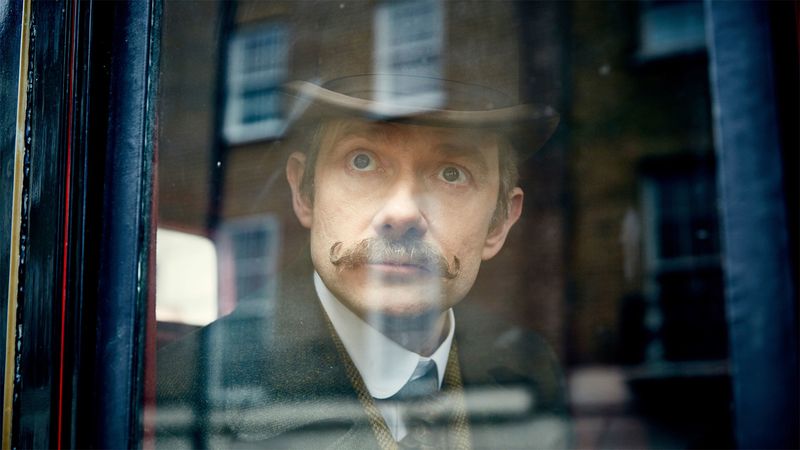
Benedict Cumberbatch and Martin Freeman brought Arthur Conan Doyle’s famous detective into the modern era with style and intelligence.
The show’s clever mysteries and dynamic chemistry between Holmes and Watson earned critical acclaim and passionate fans worldwide.
However, the series became increasingly uneven as it continued.
Long gaps between seasons created anticipation that some episodes couldn’t meet, and later storylines took controversial turns that divided the fanbase.
The pacing varied wildly from episode to episode.
Some viewers felt the show became too focused on shocking twists rather than the deductive brilliance that made Sherlock fascinating.
The polarizing final season particularly left many fans disappointed, feeling the storytelling had strayed too far from what made the series special in its early days.
10. Stranger Things (2016–2025)
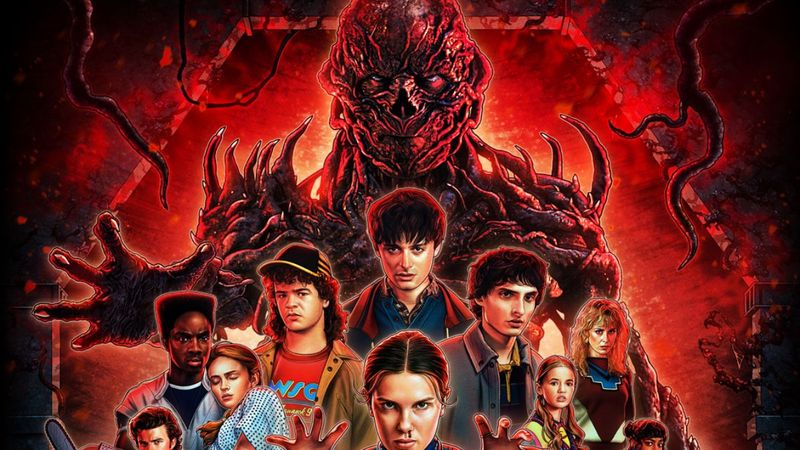
Netflix struck gold with this nostalgic homage to 1980s adventure films and horror.
Kids battling supernatural forces in small-town Indiana captured hearts with genuine performances, compelling mysteries, and perfectly curated synth soundtracks that transported viewers to another era.
As the show expanded, however, some viewers found the magic fading.
Later seasons featured longer episodes and more complex plotlines that slowed the pacing considerably.
What once felt tight and focused became sprawling, with multiple storylines that didn’t always connect smoothly.
The kids growing up also changed the show’s dynamic, making the innocent wonder of early seasons harder to recapture.
Some fans who devoured the first two seasons found themselves struggling through later installments, missing the simplicity and tighter storytelling that made Stranger Things initially irresistible.
11. Shameless (2011–2021)
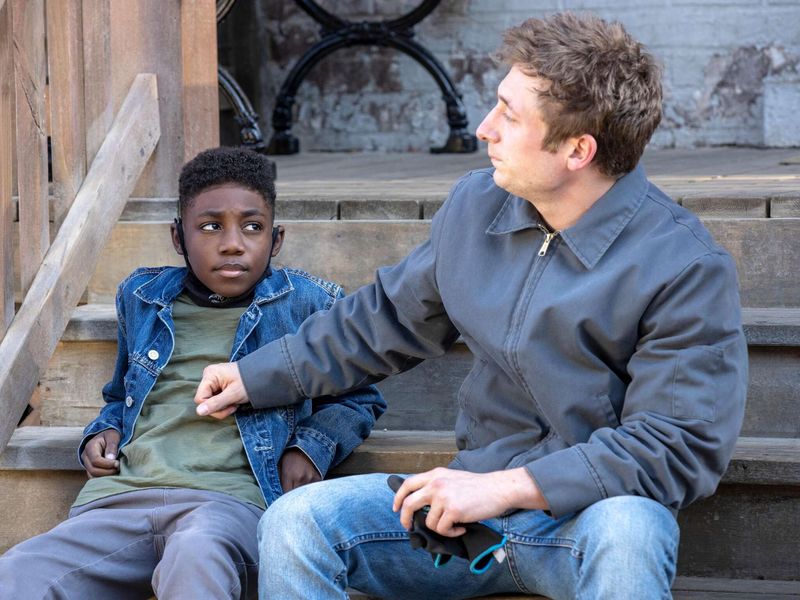
The Gallagher family brought chaos, heart, and dark comedy to television with their struggles in Chicago’s South Side.
Shameless didn’t shy away from depicting poverty, addiction, and dysfunction with both humor and unflinching honesty that felt refreshingly real.
Over eleven seasons, though, the family’s crises began feeling circular.
Characters would make progress, fall back into old patterns, then repeat the cycle with minor variations.
The familiar loop of disasters and near-recoveries lost impact as viewers recognized the formula.
While the show maintained its raw energy, some fans grew tired of watching the same types of problems emerge season after season.
The lack of meaningful character growth for some beloved characters made continuing feel like watching a hamster wheel rather than a journey with destinations worth reaching.
12. Pretty Little Liars (2010–2017)
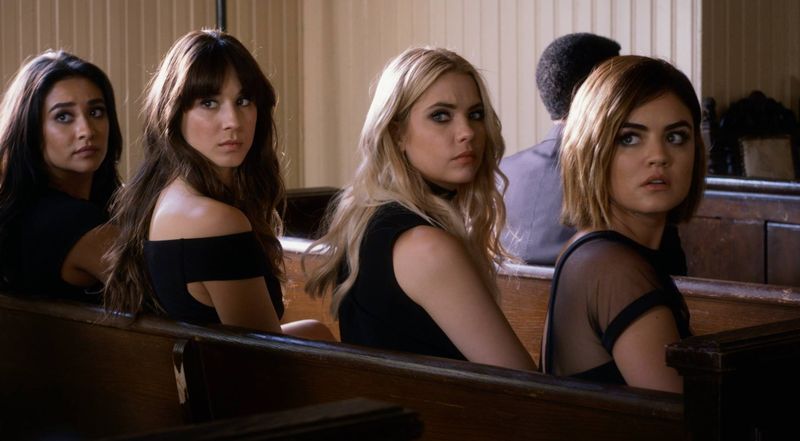
Four friends tormented by an anonymous blackmailer known as “A” created an addictive mystery that hooked teenage viewers for seven seasons.
The show mastered the art of the cliffhanger, ending nearly every episode with shocking revelations that demanded immediate discussion.
That same strength became a weakness as the series stretched on.
The show constantly dangled answers just out of reach, revealing one “A” only to introduce another.
Mysteries piled upon mysteries without satisfying resolution, creating viewer fatigue among those desperate for concrete answers.
Many fans eventually felt manipulated by the endless bait-and-switch storytelling.
The delays and red herrings that initially created suspense became frustrating obstacles to a payoff that never quite delivered when it finally arrived, leaving viewers feeling their investment hadn’t been worthwhile.
13. Riverdale (2017–2023)

Archie Comics got a dark, soapy makeover in Riverdale, transforming the wholesome characters into brooding teenagers caught in murder mysteries and family drama.
The show’s heightened reality and wild plot twists initially attracted curious viewers wanting campy fun.
But Riverdale’s anything-goes storytelling became too much for many casual watchers.
The show threw in cults, serial killers, supernatural elements, time travel, and more without coherent throughlines.
What some found entertainingly bonkers, others found exhausting and impossible to follow seriously.
The sprawling, unpredictable plots that jumped between genres made it difficult for viewers to stay invested in characters or storylines.
While the show cultivated a devoted fanbase who embraced the chaos, many others abandoned Riverdale, overwhelmed by its relentless absurdity and lack of narrative focus or consistency.
Comments
Loading…