
 Hailey Watson
11 Reasons Why Being a Cool Parent Is Not Realistic

Trying to be the “cool parent” sounds like a win-win: you get a good relationship with your kids, and they don’t roll their eyes every time you speak.
In real life, though, chasing cool is like trying to hold onto smoke.
Kids’ preferences shift constantly, the internet decides what’s trendy before breakfast, and the things that actually make a home run smoothly—structure, boundaries, boring consistency—rarely earn applause.
The bigger issue is that “cool” often asks parents to perform, not parent, and those two goals don’t always point in the same direction.
If you’ve ever felt guilty because you can’t be endlessly chill, funny, trendy, and permissive, take a breath.
Here are eleven reasons the “cool parent” ideal is not only unrealistic, but also unnecessary.
1. “Cool” changes every five minutes

What your child considers impressive today can become embarrassing by next week, and that’s not an exaggeration—it’s the normal rhythm of growing up.
Trends move at the speed of group chats, viral videos, and whatever a friend’s older sibling declares “dead.”
Even if you genuinely like the same music, shows, or slang, kids often treat familiarity from a parent as a reason to retire it.
When you chase that moving target, you end up spending energy trying to keep up instead of staying connected in ways that actually last.
The truth is, your child’s idea of cool is designed to help them separate from you and form their own identity.
That process is healthy, but it makes “cool parenting” a game you can’t really win.
2. Your job isn’t to be liked—it’s to be steady

Being a dependable parent rarely looks glamorous, because steadiness is quiet and repetitive by nature.
You’re the one who keeps routines, remembers deadlines, notices mood shifts, and shows up even when you’re tired or stressed.
Kids might not thank you for that in the moment, especially when your consistency means you don’t bend every time they push.
Still, emotional safety comes from predictability, not popularity.
When your child knows what to expect from you, they feel more secure taking risks in the world, because home remains stable.
Trying to be constantly liked can tempt you to avoid conflict or say yes when you should pause.
In the long run, steady parenting builds trust that lasts longer than approval.
3. Rules automatically make you “uncool” sometimes

No matter how fun you are, the minute you enforce a limit, you risk getting labeled unfair, strict, or hopelessly out of touch.
That’s because boundaries almost always interrupt what a kid wants right now, whether it’s one more hour online, skipping homework, or going somewhere you haven’t vetted.
Even reasonable rules can feel like personal sabotage to a child who is focused on social acceptance or instant gratification.
The problem isn’t that you’re doing it wrong; it’s that limits are supposed to be inconvenient.
Good parenting often means choosing long-term well-being over short-term happiness, and kids rarely see the long game while they’re living in the moment.
“Cool” loses points when safety and structure take priority, and that’s completely normal.
4. Trying too hard backfires (fast)
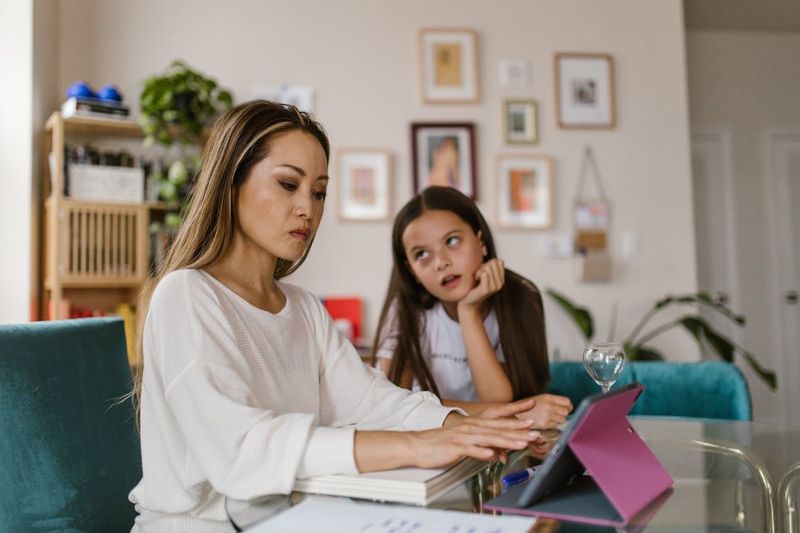
Kids have a sharp radar for anything that feels forced, especially when it comes from a parent who is clearly hoping for a reaction.
If you’re constantly leaning into their slang, repeating jokes from TikTok, or inserting yourself into every conversation, it can read as desperation rather than connection.
Even if your intentions are loving, overperforming often creates secondhand embarrassment, and embarrassment is kryptonite to “cool.”
More importantly, when your child senses you need their approval, they may test you harder, because it flips the emotional roles in the relationship.
A parent who is comfortable being themselves, even when it isn’t trendy, tends to feel safer to a kid than one who is chasing their stamp of approval.
5. You can’t compete with their peers
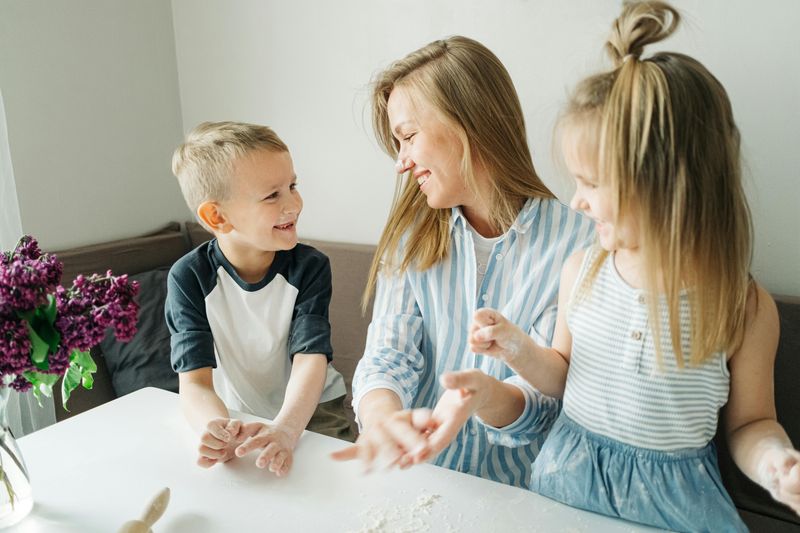
Friends carry a kind of influence that parents simply don’t, and that isn’t a sign of failure—it’s a developmental stage.
Peer groups set the rules of what’s acceptable, what’s funny, what’s worth caring about, and what gets you invited to things.
Even if you’re warm, interesting, and supportive, you’re not living inside their social world the way their classmates are.
Trying to compete often pushes you into acting younger than you are or pretending you don’t care about things you actually care about.
That can confuse your child, because they still need you to be the adult in the room.
It’s healthier to aim for respect and open communication instead of a popularity contest you were never meant to enter.
6. Kids need privacy, and “cool” can feel intrusive
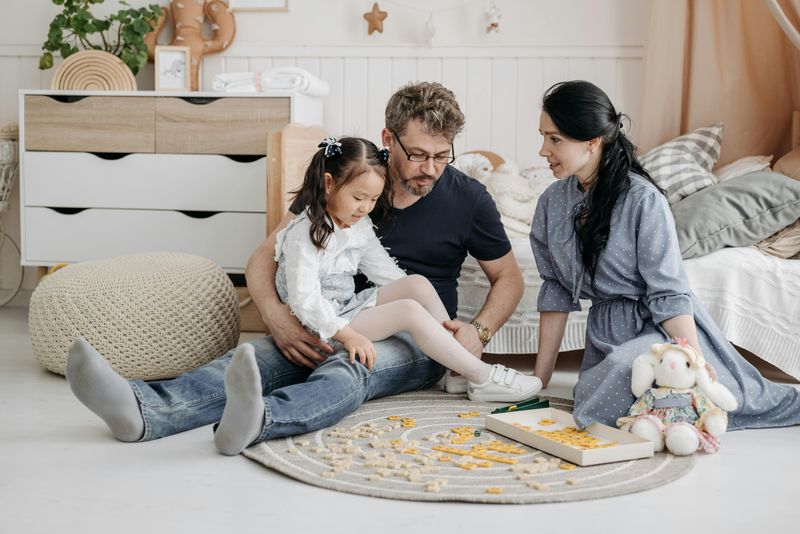
There’s a fine line between being involved and being in the way, and kids can feel that difference intensely.
When parents try to be “cool,” they sometimes overstep by demanding to know every detail, inserting themselves into friend drama, or hovering around social spaces where their child wants independence.
Even well-meaning curiosity can start to feel like surveillance if it comes with pressure to share everything.
A child who feels watched will often share less, not more, because privacy is part of building identity and confidence.
The irony is that respecting boundaries can actually make you a safer person to talk to, because your child learns you won’t grab the steering wheel every time they open up.
Trust grows when you give them room to breathe.
7. Social media turns parenting into a highlight reel
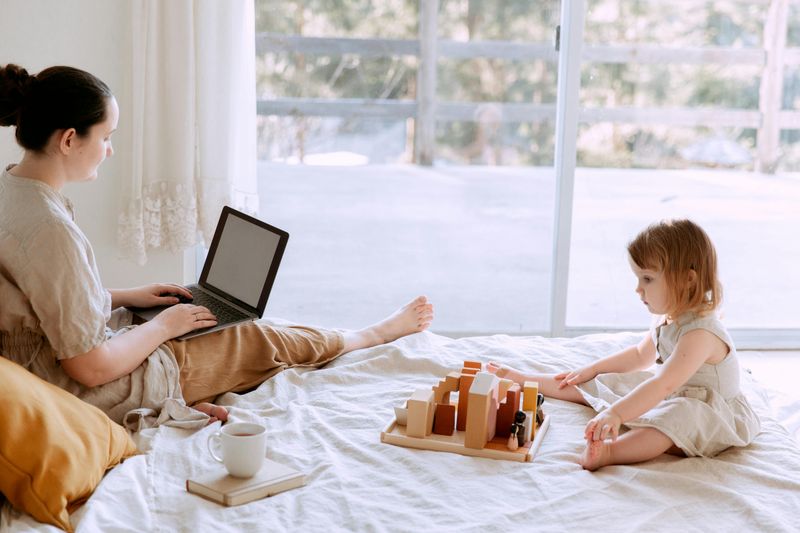
Online, “cool parenting” is often packaged as a constant stream of witty comebacks, best-friend vibes, and perfectly timed heartfelt moments.
What you don’t see is the unfiltered reality: the hard conversations, the meltdowns, the boredom, the consequences, and the awkward phases that can’t be edited into a cute reel.
When you absorb too much of that curated version, it’s easy to feel like you’re failing because your life looks messier and your kid isn’t always smiling.
In truth, most parents are doing the same behind the scenes—negotiating screen time, worrying about friendships, and repeating themselves daily.
Social media rewards performance, not patience, and patience is what real parenting requires.
Comparing your everyday to someone else’s highlight reel sets an impossible standard.
8. Different kids need different parenting—cool isn’t one-size-fits-all
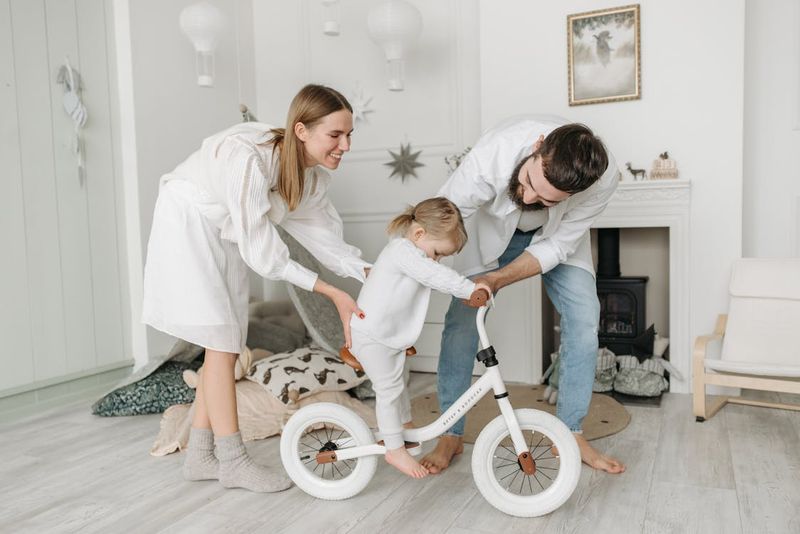
What feels fun and relaxed to one child can feel stressful or embarrassing to another, which means a single “cool parent” persona won’t fit every family.
An outgoing kid might love playful banter and spontaneous adventures, while a more sensitive child might prefer calm routines and predictable check-ins.
Kids also have different triggers, needs, and comfort levels, and those differences can change with age.
If you treat “cool” as the goal, you may ignore what actually helps your particular child feel supported.
Good parenting is responsive, not performative, and it requires noticing who your child is rather than who you want them to think you are.
The most effective approach often looks “uncool” from the outside because it’s tailored, practical, and sometimes boring by design.
9. Boundaries are necessary, and boundaries aren’t glamorous
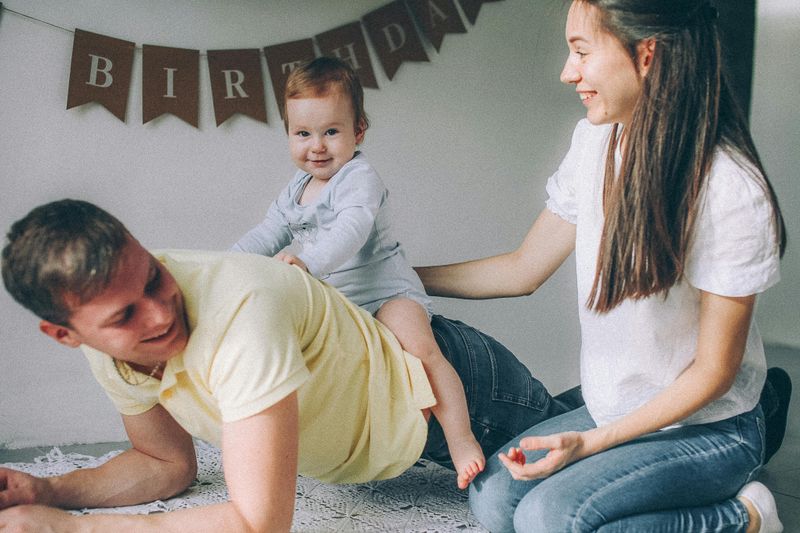
Limits are where love becomes visible, even though they rarely look charming in the moment.
Setting rules around sleep, online safety, dating, substances, and responsibilities can make you feel like the villain, especially when other parents appear more relaxed.
Still, boundaries communicate that your child matters enough for you to do the uncomfortable work, and that message is powerful.
The tricky part is that good boundaries require consistency, which means you can’t keep changing your mind just to avoid a fight.
It also means you sometimes have to sit with their disappointment without rescuing them from it.
None of that earns you cool points, but it teaches emotional regulation, accountability, and security.
A parent who holds reasonable lines gives a child a framework for making better decisions later.
10. Real life is messy and exhausting

The “cool parent” ideal assumes you have unlimited energy, time, patience, and emotional bandwidth, which is not how adult life works.
Most parents are juggling jobs, finances, household responsibilities, relationships, and the mental load of keeping everyone alive and relatively clean.
Even on a good day, there are errands, emails, laundry, and unexpected problems that drain your capacity for fun spontaneity.
When you’re exhausted, it’s harder to be witty, flexible, and upbeat, and that doesn’t mean you’re doing anything wrong.
It means you’re human.
Kids also benefit from seeing that adults have limits and need rest, because it normalizes healthy boundaries and self-care.
The goal is not to be endlessly entertaining; it’s to be present in a realistic way.
11. The long-term goal isn’t “cool”—it’s trust
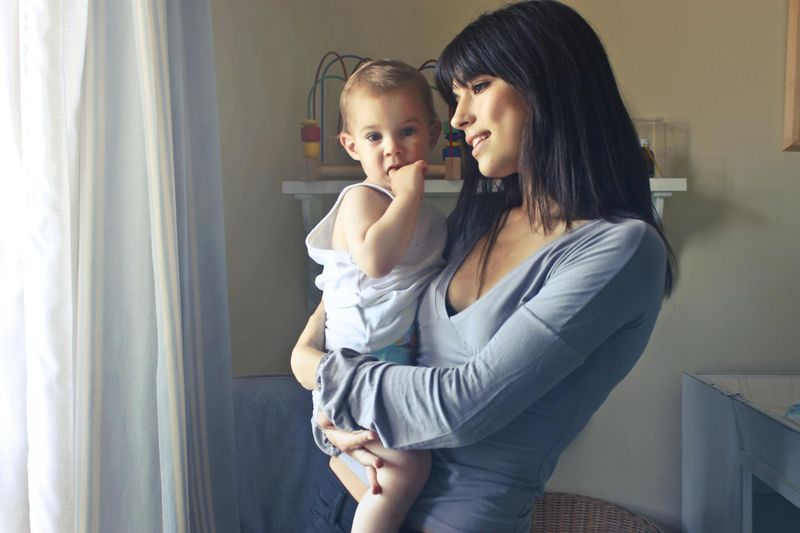
Years from now, your child won’t remember whether you knew the latest slang, but they will remember how safe you felt when things got hard.
Trust is built through repeated experiences: you listen without mocking, you tell the truth, you apologize when you mess up, and you show up consistently.
That kind of relationship sometimes requires saying no, having uncomfortable conversations, and making decisions your child doesn’t understand yet.
Coolness is fragile because it depends on image, but trust is durable because it depends on character.
When you prioritize being trustworthy over being trendy, you create a foundation your child can lean on when they’re anxious, embarrassed, or in trouble.
The most meaningful compliment a grown child can give a parent isn’t “you were cool.” It’s “I could always come to you.”
Comments
Loading…