
 Chloe Peterson
14 Successful Actors Who Are Also Brilliant Screenwriters
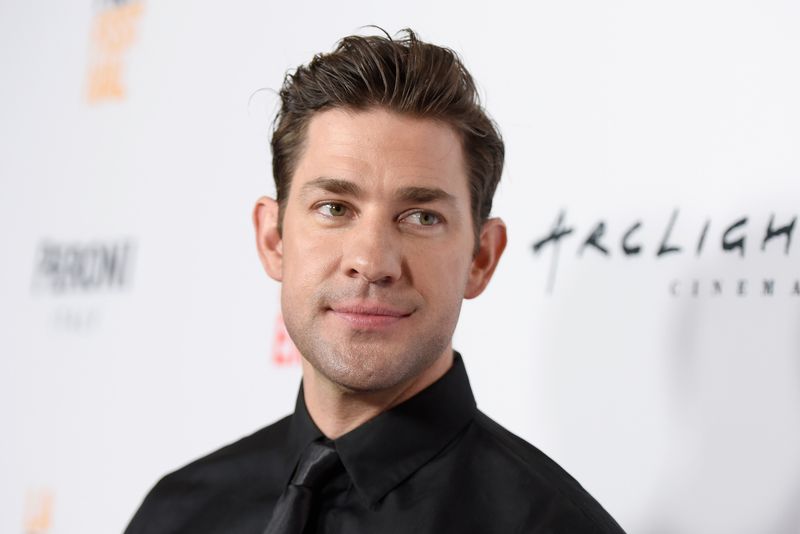
Some actors have a talent that goes way beyond delivering lines; they can create the lines, shape the characters, and build entire worlds from a blank page.
When a performer also writes, the result often feels sharper and more personal, because they understand what dialogue sounds like in a real mouth and what a scene needs to play on camera.
Many of the most memorable films and television projects of the last few decades came from actor-screenwriters who wanted more control over the stories being told—or who simply had something they couldn’t stop thinking about until it became a script.
From Oscar-winning dramas to genre-defining thrillers and comedies that still hold up, these famous faces have proven they’re just as impressive behind the keyboard as they are in front of the lens.
1. Matt Damon
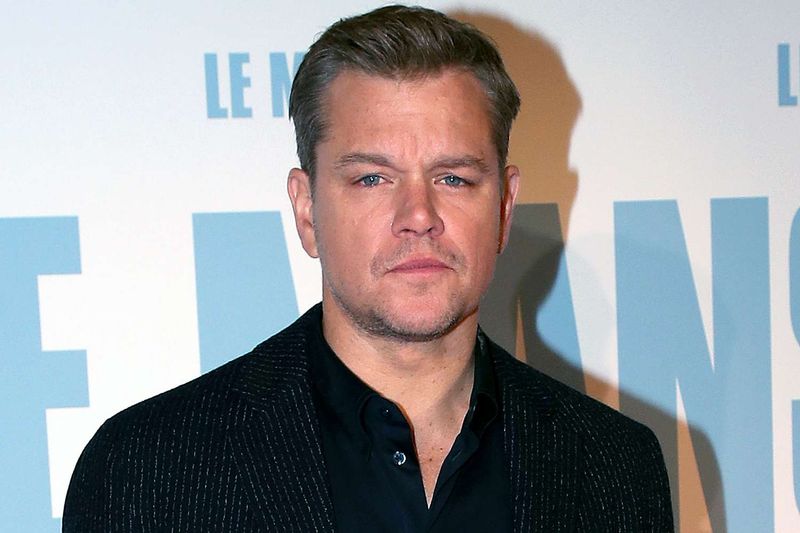
Few modern careers show the power of writing your own opportunity quite like the one that began with a Harvard student finishing a script between classes.
Long before he became a global box-office staple, Matt Damon helped create Good Will Hunting, a story so confident and emotionally specific that it turned two young actors into overnight industry forces.
His writing has always leaned toward intelligent characters under pressure, whether the stakes are personal, political, or life-and-death.
Damon also co-wrote The Last Duel, proving he can collaborate on ambitious historical material without losing the human core.
What makes his screenwriting stand out is the balance between accessibility and depth: the dialogue feels lived-in, the conflicts feel grounded, and the characters rarely fit into easy categories, which is exactly why audiences keep leaning in.
2. Ben Affleck
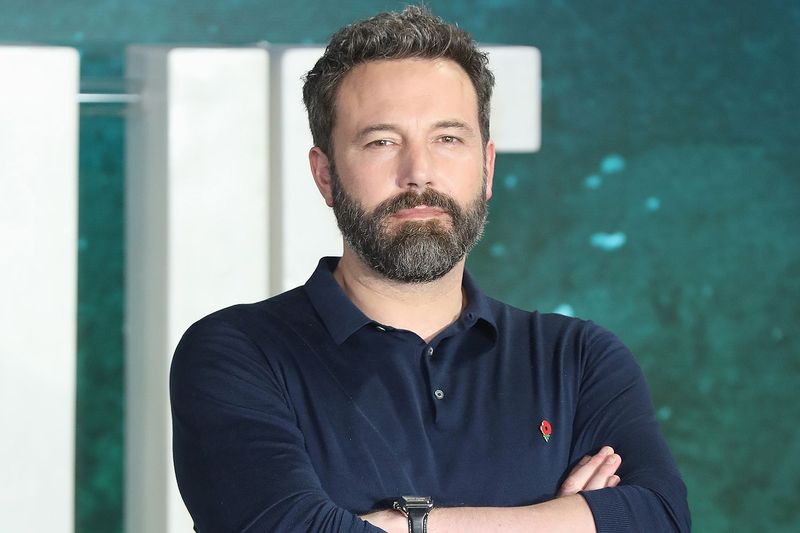
It’s easy to forget that one of the biggest stars of his generation first arrived as a writer with something to prove, not just an actor looking for another credit.
Ben Affleck’s co-writing work on Good Will Hunting helped cement the film’s authenticity, and it also signaled a creative ambition that would keep evolving.
Years later, he co-wrote The Town, a gritty crime thriller with strong character motivations and a sense of place that feels almost tactile.
As a storyteller, Affleck gravitates toward flawed protagonists, moral compromise, and the messy collision between loyalty and survival.
His writing tends to understand how people justify their worst decisions, which makes the tension more believable.
When he’s at his best, the scripts feel like pressure cookers where every choice has consequences.
3. Emma Thompson

Not every actor can translate emotional nuance onto the page, but Emma Thompson has built a reputation for doing exactly that with elegance and bite.
Her adaptation of Sense and Sensibility earned her an Academy Award and remains a masterclass in how to modernize a classic without flattening its complexity.
The dialogue feels crisp, the rhythm feels natural, and the relationships are layered enough that you can sense what characters refuse to say out loud.
Thompson’s writing often highlights intelligence, restraint, and social expectations, but it never turns characters into polite museum pieces.
Even when she’s working within period settings, she finds the universal tension in family dynamics, financial anxiety, and the cost of emotional self-control.
That rare ability to make old stories feel immediate is what separates a good adapter from a truly great one.
4. Jordan Peele
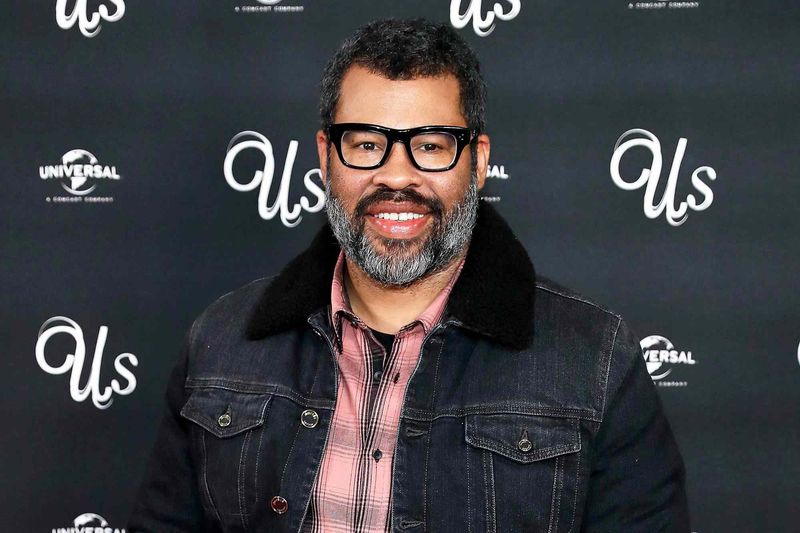
Sometimes a performer’s comedic instincts become the secret weapon that makes their dramatic writing even more effective.
Jordan Peele started by making people laugh, but his screenwriting proved he could also make audiences squirm in the best way.
Get Out is a brilliant example of how genre can carry social commentary without becoming a lecture, using suspense, humor, and escalating dread to expose uncomfortable truths.
His scripts are tightly constructed, packed with setups and payoffs that reward attention, and shaped around imagery that sticks in your brain long after the credits.
Peele understands pacing the way a seasoned performer understands timing, which is why his scenes often feel like they’re snapping shut around the viewer.
When an actor writes horror this confidently, it tends to hit harder, because it’s built with an audience’s reactions in mind.
5. Billy Bob Thornton
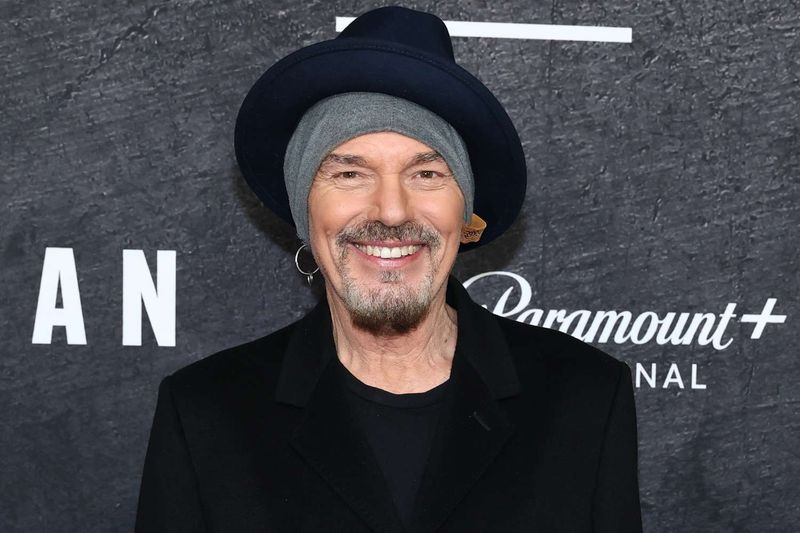
A quiet intensity runs through Billy Bob Thornton’s best work, and that same intensity shows up in his writing.
Sling Blade, which he wrote and starred in, isn’t just memorable because of its performances; it’s unforgettable because the script treats its characters with patience and moral complexity.
The story refuses easy villains, and it doesn’t offer tidy emotional shortcuts, which makes the drama feel more honest.
Thornton’s dialogue often sounds plain on the surface, but underneath it sits a deep awareness of shame, loneliness, and the way small towns can trap people in roles they didn’t choose.
As a screenwriter, he’s drawn to damaged souls and hard choices, and he trusts the audience to sit with discomfort rather than rushing toward relief.
That restraint is exactly what gives his scripts their haunting power.
6. Sylvester Stallone
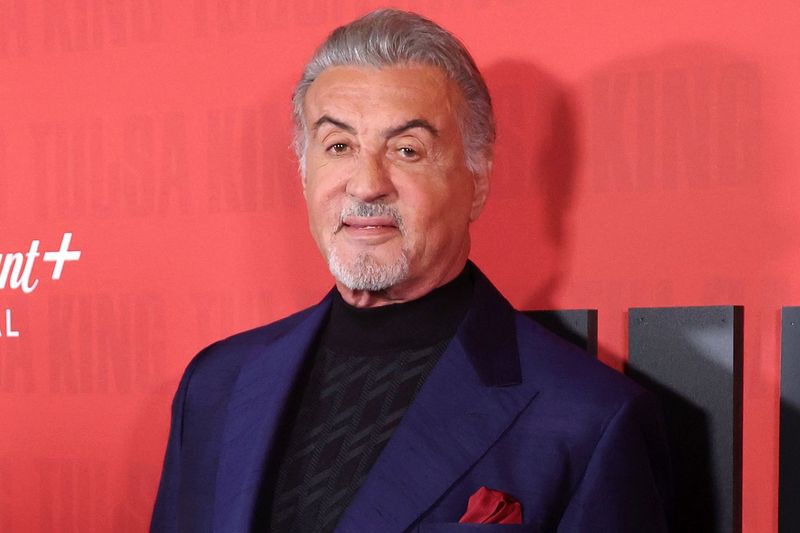
Long before he became synonymous with underdog grit, Sylvester Stallone had to write that grit into existence.
The script for Rocky wasn’t just a vehicle for a performance; it was a blueprint for a character-driven sports drama that audiences still quote decades later.
What makes his writing impressive is how effectively it blends tough-guy texture with tenderness, especially in scenes that slow down enough to reveal insecurity beneath the bravado.
Stallone also worked on projects like First Blood, which shaped the tone of an entire era of action storytelling, even when later sequels moved in a different direction.
His best scripts understand motivation, humiliation, and perseverance, and they make victory feel earned rather than guaranteed.
When you look closely, the emotional heart in his stories is what truly carries the punches.
7. Greta Gerwig

A distinctive voice can turn everyday moments into something that feels universal, and Greta Gerwig has done that repeatedly as both an actor and a writer.
Her scripts often capture the awkward tenderness of growing up, the comedy hidden inside family tension, and the emotional whiplash of wanting to leave home while also wanting to be understood there.
Lady Bird is a standout example of writing that feels intimate without being small, and it proves how sharply Gerwig can build character through conversation that sounds spontaneous yet perfectly structured.
She also co-wrote Frances Ha, which helped define a modern style of honest, funny, slightly anxious storytelling.
Even when her projects expand in scale, the writing keeps a personal pulse, and that balance between big ideas and real human details is exactly what makes her such a strong screenwriter.
8. Kenneth Branagh
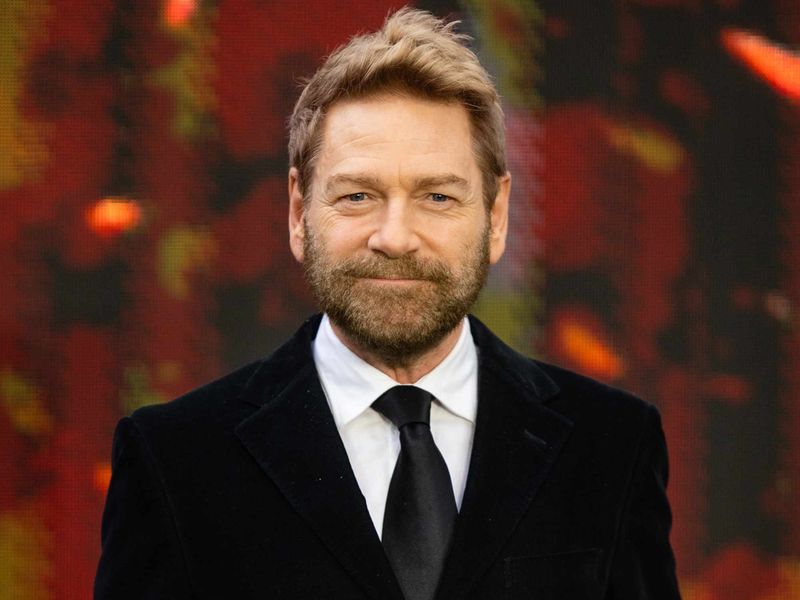
Classical training can bring a certain clarity to storytelling, and Kenneth Branagh’s writing often reflects that precision without feeling stiff.
His semi-autobiographical Belfast shows how he can craft a script that’s both historically grounded and emotionally accessible, turning memory into narrative without losing its rough edges.
The dialogue carries warmth, humor, and the ache of change, especially when characters face uncertainty they can’t control.
Branagh also understands structure, which isn’t surprising for someone who has spent so much time interpreting Shakespeare and stage drama, but he uses that structural sense to make intimate scenes feel inevitable rather than manufactured.
His best writing combines a strong sense of place with a deep respect for family relationships, and it highlights how ordinary lives are shaped by extraordinary circumstances.
The result is storytelling that feels sincere, not sentimental.
9. Woody Allen
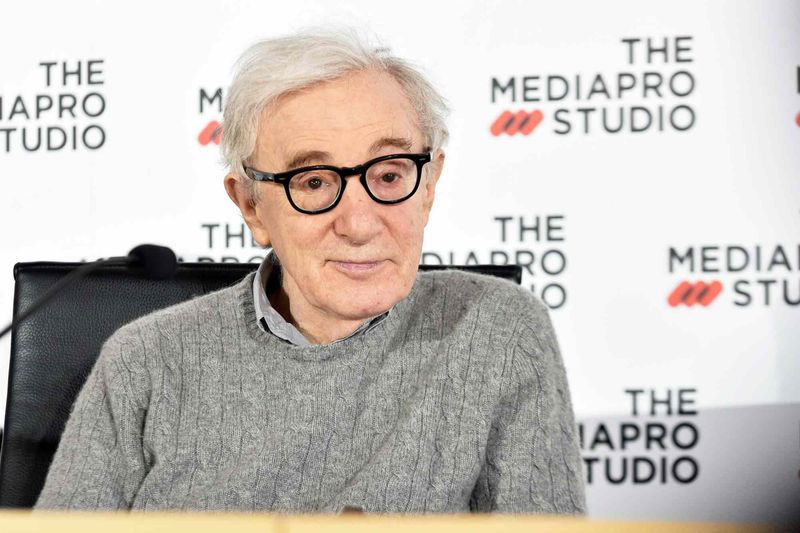
For decades, Woody Allen built a brand around being both the face and the mind behind his films, writing stories that mixed romance, anxiety, humor, and philosophical obsession.
Movies like Annie Hall helped define a style of modern comedy-drama, and the screenplay’s influence still shows up in countless relationship stories that try to balance wit with vulnerability.
His writing tends to favor sharp, neurotic dialogue and characters who intellectualize their feelings because they don’t know what else to do with them.
While his legacy is widely debated for reasons beyond film craft, his impact as a screenwriter is undeniable in terms of shaping voice-driven storytelling.
He proved that a script could be funny without being broad, personal without being self-pitying, and structured in unconventional ways while still emotionally landing.
That combination helped change what audiences expected from “smart” comedy.
10. Charlie Chaplin
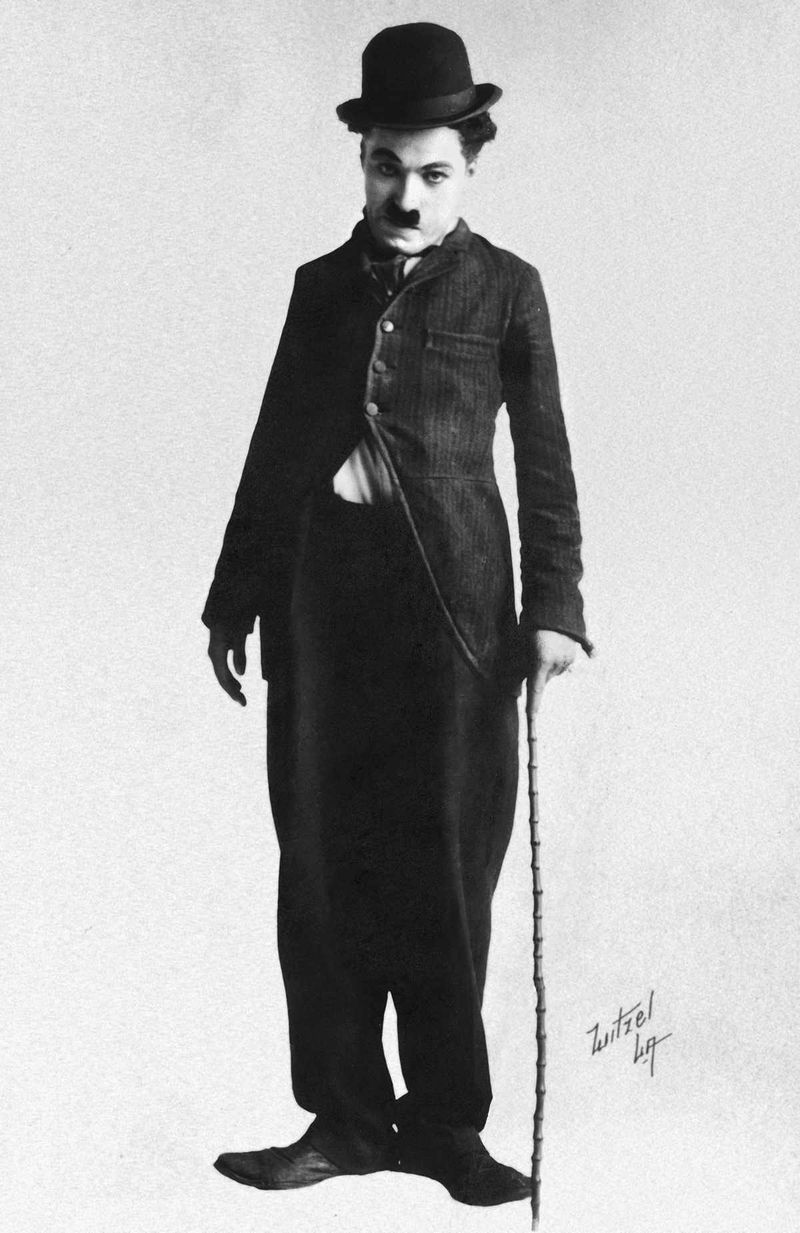
Silent-era filmmaking demanded a different kind of writing, because story and character had to be understood even without spoken dialogue.
Charlie Chaplin excelled at that challenge, creating scripts that functioned like precise emotional machines, built from visual storytelling, timing, and deeply human stakes.
Films like Modern Times and The Great Dictator show how he could blend humor with social critique, often using comedy as a doorway into serious ideas.
Chaplin’s writing was remarkably modern in its empathy for the struggling, the overlooked, and the people crushed by systems bigger than they are.
Even when scenes are broadly funny, the scripts carry a sadness that makes the laughter feel earned rather than empty.
His genius wasn’t only performance-based; it was in designing moments that communicated instantly, then lingered in the mind, which is exactly what great screenwriting aims to do.
11. Spike Lee
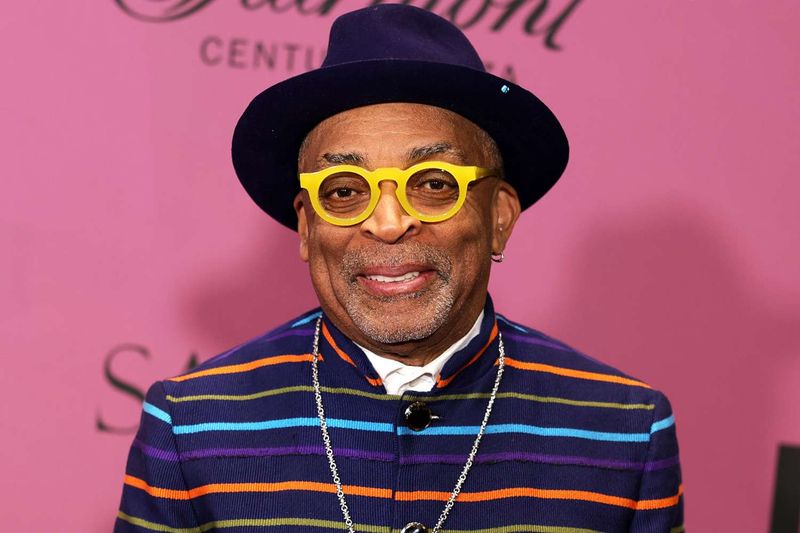
A strong point of view is one of the most valuable tools a screenwriter can have, and Spike Lee has never been shy about writing with urgency.
His scripts often explore race, power, community pressure, and the consequences of misunderstanding, and they do it through characters who feel alive rather than symbolic.
Do the Right Thing remains a landmark not just because of its direction, but because the writing builds tension through everyday conversations that gradually turn combustible.
Lee has a gift for dialogue that sounds authentic in rhythm and attitude, and he knows how to weave humor into scenes that are ultimately heading toward conflict.
He also writes with a filmmaker’s eye, meaning the scripts often contain images, music cues, and emotional beats that feel cinematic rather than purely literary.
That ability to fuse message with momentum is what keeps his work enduring.
12. Laurence Fishburne
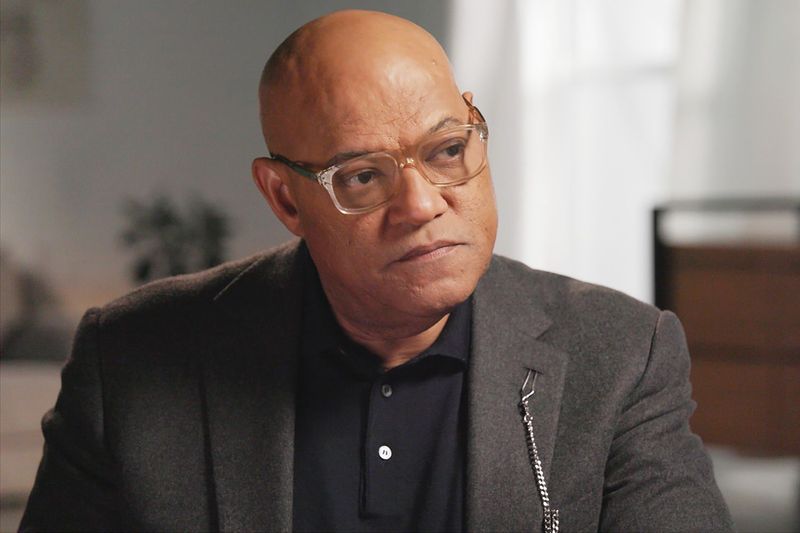
When an actor carries real gravitas, it can be tempting to assume they only thrive when someone else provides the words, but Laurence Fishburne has also proven he can build stories from the ground up.
He co-wrote Once in the Life, a film that draws on stage roots and explores violence, loyalty, and the consequences of choices made in desperation.
The writing leans into a heightened, almost theatrical intensity while still keeping the emotional stakes clear, which is not an easy balance to pull off.
Fishburne’s approach reflects an actor’s understanding of rhythm, escalation, and how a character’s status in a scene can shift with just one line.
Even if his screenwriting credits aren’t as numerous as some names on this list, his work shows serious craft and a willingness to tackle complicated moral terrain rather than playing it safe.
13. John Krasinski
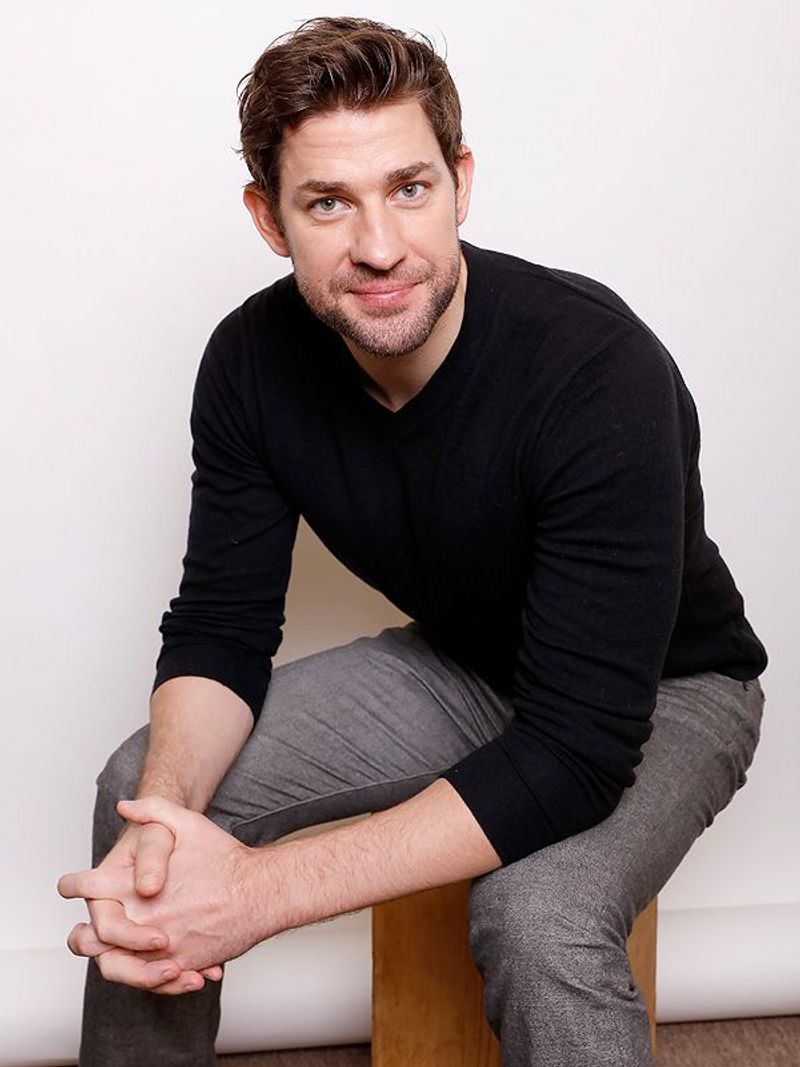
Breaking out as a lovable comedic presence can create expectations, but John Krasinski used writing to steer his career into surprising territory.
His co-writing work on A Quiet Place helped shape a modern thriller that relies on discipline, restraint, and emotional clarity rather than nonstop noise.
The premise is clever, but the reason it works is that the script never forgets the family at the center of it, grounding suspense in grief, parenthood, and sacrifice.
Krasinski’s writing understands that tension is often stronger when you hold back, and he builds scenes where silence becomes its own form of dialogue.
That’s a very actor-friendly insight, because it gives performers space to communicate through behavior, not just words.
The result is a story that’s frightening, yes, but also surprisingly tender, which is why it resonated with audiences far beyond horror fans.
14. Steve Martin
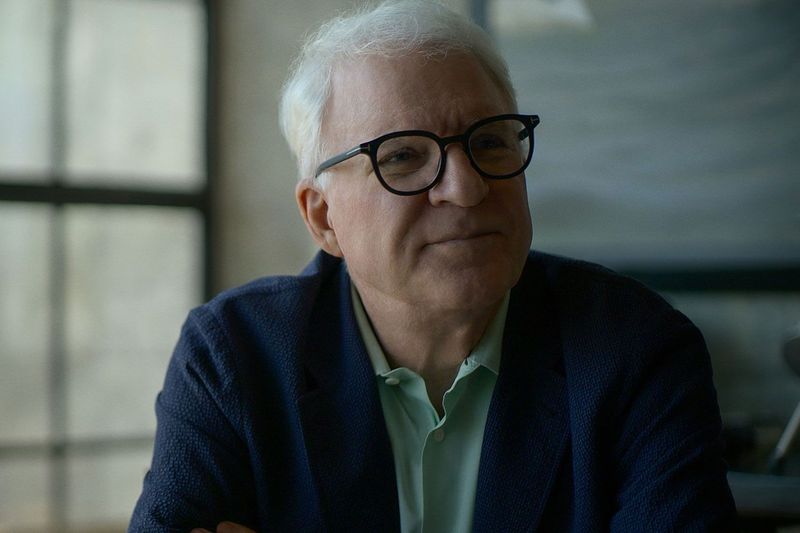
A great comedy writer knows that jokes land harder when characters feel real, and Steve Martin has always understood that principle.
Even when his humor gets absurd, the writing often has an emotional backbone that keeps it from feeling disposable.
Scripts like Roxanne and L.A. Story show his ability to mix romance, wit, and a slightly surreal worldview, creating stories that are funny without relying on cruelty or cheap punchlines.
Bowfinger adds another layer, skewering Hollywood itself with a sharpness that feels both affectionate and savage.
Martin’s actor experience shows up in how performable his lines are, because the dialogue tends to sound natural even when the situation is ridiculous.
His best writing is clever but not smug, and it often carries an unexpected sweetness that makes the comedy linger rather than evaporate the moment the laugh ends.
Comments
Loading…