
 Isabel Parker
Stop Running Out of Money Before Payday: 12 Budget Tips From an Expert

Living hand-to-mouth on a small salary isn’t a character flaw, and it’s not proof you’re “bad with money.”
It’s what happens when every paycheck is already assigned to essentials, and any surprise expense instantly turns into stress, overdrafts, or credit card debt.
The goal of budgeting in this season of life isn’t perfection; it’s stability.
A good plan helps you stop guessing, control the money you can control, and protect yourself from the predictable chaos that feels “random” when you’re stretched thin.
The expert approach is simple: cover your must-pay bills, reduce the money leaks that quietly drain you, and build a small buffer that keeps one bad week from becoming a full-blown crisis.
Here are 12 practical, realistic steps you can start using immediately.
1. Start with a “bare-bones” budget first.

When money feels tight, a budget should start as a survival map, not a lifestyle makeover.
The smartest first step is writing down what it truly costs to keep the lights on and your life running for the next 30 days, focusing only on essentials like housing, utilities, groceries, transportation, medications, and minimum debt payments.
This creates a clear “floor” number that your income must cover, and it instantly shows you what has to be prioritized when choices get hard.
From there, you can build upward with small, intentional categories instead of trying to cut everything at once.
A bare-bones plan also lowers the guilt factor because you stop pretending you can spend like someone who makes more.
Once the basics are stable, you can add goals and extras without constantly falling behind.
2. Track spending for 7 days to find your “leak category.”
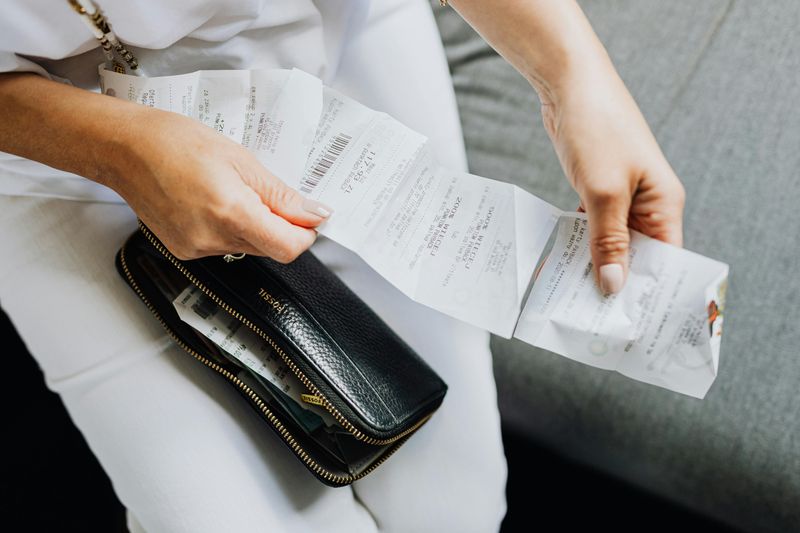
A full month of tracking can feel overwhelming when you’re already stressed, so a one-week snapshot is often enough to reveal the real problem.
The key is to write down every purchase, including the “small” ones that don’t feel like spending in the moment, such as coffee runs, snacks, delivery fees, app purchases, and convenience stops.
Most people are not overspending in every category; they’re bleeding money in one or two areas that add up fast.
That leak category is where your budget will either succeed or collapse, so identifying it early is powerful.
Once you know your biggest leak, you don’t have to cut joy everywhere; you simply set guardrails around the one spot that keeps sabotaging you.
Awareness turns “mystery broke” into actionable control.
3. Automate your “bill money” the same day you get paid.
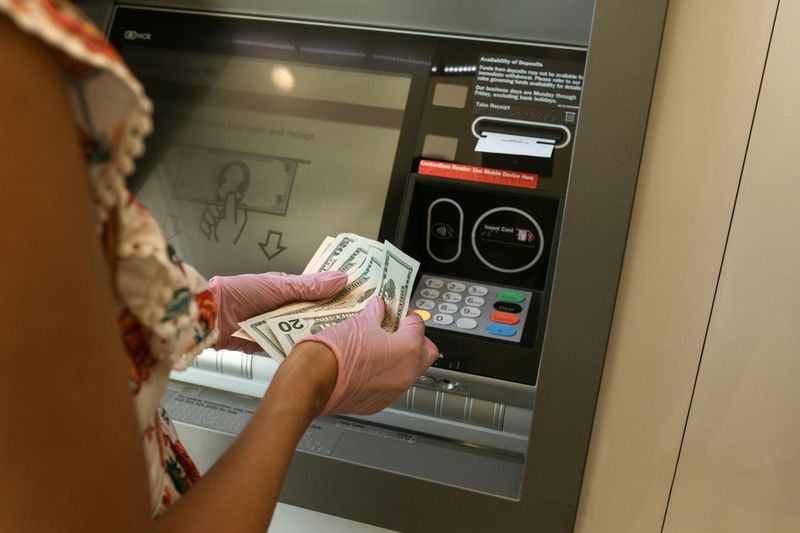
If bills are paid “whenever you get around to it,” your budget will always feel shaky because spending happens faster than intentions.
A practical expert move is separating your bill money immediately on payday, either by transferring it to a dedicated bills account or by using a budgeting app that effectively locks those dollars into categories you don’t touch.
This works because it removes decision fatigue and protects you from accidental overspending that leads to late fees, overdrafts, or scrambling at the end of the pay period.
Even if your income is small, automation makes your money behave predictably, which is exactly what you need when life feels unpredictable.
Start with your biggest fixed bills first, then add smaller ones as you get comfortable.
You’re not trying to be strict; you’re trying to make sure essentials are always covered without drama.
4. Use a simple rule to stop overthinking: Needs first, then savings, then wants.

The most useful budgeting framework is one that helps you decide quickly, especially when every dollar has a job.
A needs-first approach means essentials get funded before anything else, including lifestyle spending that feels harmless but quietly puts you in a hole.
After necessities are covered, the next priority is a small emergency cushion, because the absence of savings is what keeps you trapped in the hand-to-mouth cycle.
Only then do “wants” get a place in your plan, and that doesn’t mean you never enjoy life; it means you choose enjoyment without sacrificing stability.
This rule stops the common pattern of spending early in the paycheck and hoping the rest works out later.
You will feel calmer because your budget becomes a sequence, not a constant negotiation.
In tight seasons, clarity is more valuable than complexity, and this hierarchy creates it.
5. Build a $500 “don’t-panic” fund before trying to save big.

Big savings goals can feel impossible on a small salary, which often leads people to quit entirely and save nothing.
A better strategy is starting with a modest emergency buffer, because even a few hundred dollars can prevent a minor problem from becoming a major financial setback.
The purpose of a $500 fund is to keep you from reaching for a credit card when you get hit with a car repair, a copay, or a surprise bill that shows up at the worst time.
The way to build it is simple: pick a small amount per paycheck that feels doable, then automate it so you don’t rely on willpower.
Progress matters more than speed, and consistency adds up quickly.
Once you have that first cushion, you can increase the goal later, but you will already feel a measurable difference in stress and stability.
6. Plan meals like you’re protecting your paycheck.

Food spending is one of the easiest categories to underestimate because it’s a mix of necessity, habit, and convenience.
The most effective budgeters treat meal planning like a financial tool, not a personality trait, and they keep it simple enough to repeat.
Choosing five to seven low-cost meals you can rotate each week reduces the “what’s for dinner” panic that drives expensive takeout decisions after a long day.
Shopping once with a tight list also prevents multiple midweek store trips that always turn into extra purchases.
It helps to keep two emergency “no-spend” meals on standby, like pasta with canned sauce or eggs with frozen vegetables, so a hectic evening doesn’t derail the plan.
When you’re living on a small salary, your grocery routine can either drain you or save you, and structure usually wins.
7. Switch to weekly spending limits for categories that blow up.

Monthly budgets are useful on paper, but they often fail in real life because you don’t feel the impact until the end of the month.
Weekly limits create faster feedback, which makes it easier to stay on track when you’re prone to overspending in a few categories.
For example, instead of saying you’ll spend $400 on groceries this month, you set a $95 weekly cap and treat it like a firm boundary.
If you go over one week, you adjust the next week rather than pretending it won’t matter.
This method is especially helpful for spending areas that fluctuate, like food, gas, and personal spending, because it matches the rhythm of everyday life.
You can even use cash envelopes or a separate debit card for weekly money if that makes it easier.
The goal is not restriction for its own sake; it’s keeping your budget from exploding silently in the background.
8. Create a “true expenses” category so random costs stop feeling random.

What makes low-income budgeting feel impossible is not just bills, but the surprise expenses that show up and wreck everything.
The truth is many of those costs aren’t surprises at all; they’re predictable, just irregular, and you can plan for them with one simple category.
True expenses include things like car maintenance, annual subscriptions, holidays, birthdays, school fees, vet visits, and seasonal clothing needs.
An expert trick is listing the non-monthly costs you know are coming, estimating the yearly total, and dividing it into a small monthly amount you set aside automatically.
That way, when the expense hits, you already have money waiting instead of relying on credit or skipping other bills.
Even if you can only save a little at first, the act of planning changes your financial reality because it replaces panic with preparation.
Over time, your budget stops feeling like it’s constantly being attacked.
9. Negotiate one bill this week—then repeat monthly.

When your salary is small, the fastest way to create breathing room is often reducing fixed expenses rather than trying to endlessly “be disciplined.”
Many companies will lower your bill if you ask, especially for services like internet, phone plans, and insurance, and you don’t need a dramatic script to do it.
You can simply say you’re reviewing your budget, you’re considering switching providers, and you’d like to know what promotions or retention offers are available.
Another option is asking whether a cheaper plan would still meet your needs, which is a polite way of saying you’re willing to downgrade.
Even a $15–$30 monthly reduction can add up to hundreds of dollars a year, and that money can go directly to your buffer fund or debt.
To make it sustainable, commit to one “bill audit” each month so you’re consistently trimming costs instead of waiting until you’re desperate.
10. Use the “24-hour pause” rule for non-essentials.

Impulse spending often happens when you’re tired, stressed, or craving relief, which is exactly why it’s so common when you’re living paycheck to paycheck.
A simple expert safeguard is adding a 24-hour pause for non-essential purchases, so your emotions don’t get to make financial decisions in real time.
This doesn’t mean you never buy anything fun; it means you give yourself time to decide whether the purchase fits your budget and your priorities.
One practical approach is putting the item in your online cart, closing the tab, and checking back the next day, because many “must-have” wants lose their urgency overnight.
If you still want it, you can plan for it rather than pretending it’s harmless.
Over time, this habit protects your budget without requiring constant self-control, which is exactly what you need when your willpower is already being used up by life.
The pause rule is gentle, realistic, and surprisingly effective at stopping the slow leaks that keep you stuck.
11. Pick a debt strategy that matches your stress level.

When you’re already stretched thin, debt can feel like a constant weight, and the wrong payoff plan can make you quit because it feels too slow.
Two common expert strategies are the snowball method, where you pay off the smallest balance first for quick wins, and the avalanche method, where you attack the highest interest rate first to save more money over time.
Mathematically, avalanche is often best, but behaviorally, snowball can be better if you need motivation and visible progress to stay consistent.
The most important thing is choosing a method you can follow for at least six months, because consistency beats the “perfect” strategy you abandon after two paychecks.
Start by making minimum payments on everything, then put any extra you can manage toward your chosen target debt.
Even small additional payments matter because they reduce interest and shorten the timeline.
The goal is to build momentum, not punish yourself, and the right strategy helps you feel in control again.
12. Do a 10-minute money reset every payday.

Budgets usually fail because people set them once and then ignore them until something goes wrong.
A quick payday routine keeps your plan alive without turning your life into a spreadsheet.
The reset can be as simple as checking your account balance, confirming upcoming bills, transferring savings or true-expense money, and setting weekly spending limits for the next stretch.
This is also the moment to decide your “one treat” for the pay period, because planning a small joy keeps you from binge-spending later out of deprivation.
The power of this habit is that it makes budgeting a regular check-in rather than a monthly crisis, and it gives you repeated chances to adjust before the damage is done.
Over time, you’ll notice patterns, like which weeks are expensive and which categories need tighter boundaries, and you’ll make smarter decisions earlier.
Ten minutes twice a month can change the entire rhythm of your finances, especially on a small salary, because it replaces guesswork with intention.
Comments
Loading…