
 Mila Ross
Looking back, I didn’t struggle to get hired because I lacked potential.
I struggled because I treated the job search like a lottery ticket instead of a system I could improve.
As a student, it’s easy to assume you need more experience, more connections, or a more impressive major before you can compete, but that mindset usually slows everything down.
What actually gets you hired faster is clarity, proof, and consistency: knowing what you’re aiming for, showing you can do it, and repeating the steps that create interviews.
If I could redo my student years, I wouldn’t spam applications or hope someone “takes a chance” on me.
I’d make a handful of strategic changes that would have shortened my search by weeks, if not months.
Here are nine things I’d do differently.
1. Pick one clear job target (and title) first

Having a vague goal like “anything entry-level” sounds flexible, but it often reads as unfocused to employers and makes your applications blend into the pile.
A faster approach is to choose one primary target role and one backup role that uses similar skills, then build everything around those titles.
This small decision makes your resume stronger, your cover letters easier, and your interview answers more confident because you’re not trying to be ten different candidates at once.
When you know what you’re going for, you can mirror the language used in job postings and highlight the most relevant projects without forcing connections.
Even better, it helps you spot which jobs are truly a fit, so you stop wasting time applying to roles you would never enjoy.
2. Rewrite my resume around outcomes, not duties

Listing responsibilities can feel “professional,” but hiring managers are looking for proof that your work created results, even if the setting was school or a part-time job.
Results-based bullets show how you think, how you solve problems, and how you follow through, which matters more than having a fancy title.
Instead of saying you “helped with social media,” you could describe how you planned content, tracked engagement, or increased attendance for an event.
Instead of writing that you “worked in retail,” you could quantify how you handled transactions, improved displays, or trained new employees.
Numbers are helpful, but they aren’t required; clear outcomes are.
When your resume reads like evidence, it becomes easier for someone to picture you succeeding in the role you want.
3. Build a tiny “proof-of-skill” portfolio

Employers love candidates who reduce uncertainty, and a simple portfolio does that faster than paragraphs ever will.
It doesn’t have to be a fancy website; a clean Notion page or Google Drive folder can work perfectly if it’s organized and easy to skim.
The goal is to include a few pieces that match the job you want, such as a writing sample, a presentation, a spreadsheet, a mini research summary, or a mock project that shows your thinking.
If you’re applying for marketing, include a sample campaign plan.
If you’re applying for data or operations, include an analysis and a short explanation of what you learned.
A portfolio turns “I can do this” into “Here’s what it looks like when I do this,” which speeds up trust and interviews.
4. Stop relying on online applications alone

Submitting applications through job boards is easy, but easy also means crowded, and crowded means you can be qualified and still never get seen.
A better system is to treat every application as step one, not the whole plan.
After applying, find the recruiter or hiring manager and send a short message that proves you actually read the posting and understand the role.
This isn’t about begging or being pushy; it’s about making it simpler for the right person to notice you.
A good message mentions the role, highlights one relevant project or outcome, and politely asks if they’re the correct contact.
Even if you don’t get a response every time, you’ll create more real conversations than you ever will by clicking “Easy Apply” fifty times.
5. Use informational interviews as a shortcut

Talking to people who already have the job you want can save you weeks of guessing, because they’ll tell you what actually mattered when they were hired.
Informational interviews don’t need to be formal, and they don’t have to feel intimidating, especially if you approach them with genuine curiosity.
Reaching out to alumni, friends of friends, or professionals who graduated a few years ahead of you can lead to surprisingly useful insights about which skills to emphasize and which hiring systems the company uses.
Even a fifteen-minute chat can point you toward the right keywords, portfolio pieces, and interview stories.
The hidden bonus is that these conversations often turn into referrals when a position opens, because people like recommending someone who was respectful, prepared, and easy to talk to.
6. Apply in the first 48 hours whenever possible

The same resume can get ignored or get an interview depending on when it lands, which is why timing matters more than most students realize.
Many roles start getting reviewed as soon as applications arrive, and once a hiring manager has a few strong candidates, later submissions can be overlooked even if they’re great.
To move faster, I’d set job alerts and prioritize postings that are new, especially those posted in the last day or two.
That doesn’t mean applying carelessly; it means keeping a strong base resume and a few tailored versions ready so you can adjust quickly without starting from scratch each time.
When you consistently apply early, you increase the odds of being seen before the pile gets overwhelming, which often leads to faster callbacks.
7. Treat LinkedIn like a search engine
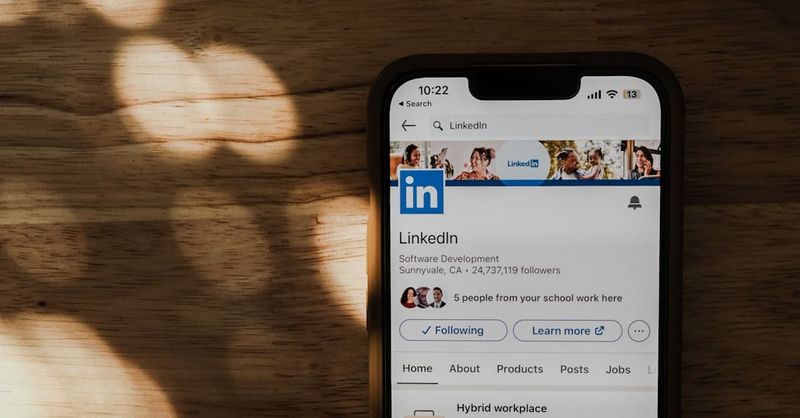
A LinkedIn profile isn’t just a digital resume; it’s how recruiters search, filter, and decide whether you’re worth a closer look.
If your headline and “About” section don’t include the role you want and the skills you’re building, you make it harder for the right opportunities to find you.
I’d rewrite my profile using the same language from job postings, then back it up with concrete examples from classes, clubs, volunteering, and work.
Adding project links and a few results-based bullets can immediately raise your credibility.
I’d also keep my settings open to recruiters and update my profile regularly so it stays active in the algorithm.
When your profile is searchable and specific, you get more inbound messages, which can shorten your job search dramatically.
8. Practice interviews like a class

Interview prep isn’t about memorizing perfect answers; it’s about becoming comfortable telling your story in a way that makes sense to a stranger.
The faster route is to build a set of strong examples and practice them until they sound natural, detailed, and confident.
I’d prepare eight to ten stories that show problem-solving, teamwork, initiative, conflict, leadership, and learning from mistakes, then adapt them to different questions.
A simple structure like situation, action, and result keeps you from rambling, while still giving enough context to be believable.
Recording yourself helps more than you’d think, because you’ll notice filler words and unclear phrasing that you can fix quickly.
When you practice this way, interviews stop feeling like high-pressure improvisation and start feeling like a skill you’re steadily sharpening.
9. Follow up (politely) and track everything

When you’re applying to many jobs, it’s easy to lose track of where you applied, who you contacted, and when you should follow up, which can quietly sabotage your results.
I’d keep a simple spreadsheet with the company, role, date applied, contact person, follow-up date, and notes from the posting.
That one habit prevents missed opportunities and makes you look more professional when someone replies weeks later and you can respond with context.
Following up also matters more than people admit, because hiring teams are busy and often appreciate a polite reminder that you’re still interested.
A short check-in after five to seven business days is usually enough, especially if you include one quick detail that reinforces fit.
The job search moves faster when you treat it like a pipeline instead of a guessing game.
Comments
Loading…