
 Harper Hall
People Who Let Dishes Pile Up Share These 10 Surprising Personality Traits
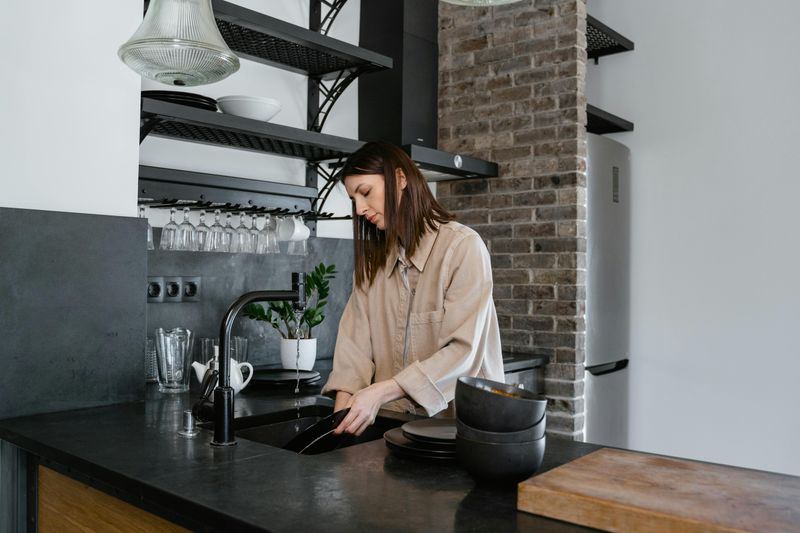
If you’ve ever left dishes in the sink for a day or two, you’re not alone.
Many people struggle with this household chore, and it turns out there might be deeper reasons behind it.
The way someone handles dishes can actually reveal fascinating insights into how their mind works and what they value most in life.
1. They Focus On Bigger Priorities

Some folks simply have their minds on larger goals.
When you’re deep into a creative project, managing a work deadline, or nurturing important relationships, washing a few plates just doesn’t make the priority list.
Their mental energy flows toward things that feel more meaningful in the moment.
A sink full of dishes can wait when you’re solving complex problems or pursuing dreams that matter deeply to you.
This isn’t laziness—it’s strategic focus.
They know where their attention creates the most value, and household chores often don’t make the cut until everything else settles down first.
2. They Experience Decision Fatigue Easily

Every single day bombards us with countless choices, from what to wear to complex work decisions.
By evening, some people’s mental tanks run completely empty, making even simple tasks feel overwhelming.
Deciding when to tackle dishes requires energy they’ve already spent elsewhere.
Should they wash now, after dinner, or tomorrow morning?
That tiny decision can feel surprisingly heavy when you’ve made hundreds already.
Their brains need recovery time between demanding choices.
What looks like procrastination is actually mental self-preservation, giving their decision-making abilities time to recharge before tackling even mundane household tasks.
3. They Thrive In Controlled Chaos

Walk into their space and you might see organized disorder everywhere.
But here’s the thing: that messiness doesn’t actually bother them or disrupt their thinking process at all.
Creative minds often function best without rigid order.
A few stacked dishes don’t trigger stress responses the way they might for others who crave visual cleanliness and perfect organization.
They’ve learned their brains work differently than conventional wisdom suggests.
Abstract thinkers and artistic types frequently discover that slight environmental chaos actually supports rather than hinders their mental processes and productivity levels.
4. They Struggle With Time Blindness

Hours can slip by without them noticing.
They genuinely intend to wash those dishes “in a few minutes,” then suddenly realize it’s been two days since that thought first crossed their mind.
Time perception works differently for some people.
They’re not deliberately avoiding chores—they honestly lose track of how many hours or days have passed since they last checked the sink.
This trait often connects to how their brains process time differently.
The present moment feels endless while future plans seem both urgent and distant simultaneously, making it hard to gauge when “later” actually arrives.
5. They Are Recovering Perfectionists

Here’s an ironic truth: sometimes people avoid tasks because they care too much about doing them perfectly.
If they can’t wash every dish thoroughly and organize everything just right, why start at all?
They’ve learned that perfectionism can be paralyzing.
Rather than doing a halfway job that feels unsatisfying, they wait until they have sufficient time and energy to complete the task properly.
This mindset shift helps them avoid burnout.
They’re learning to choose which battles deserve their perfectionist tendencies, even if that means dishes occasionally wait for the perfect moment to receive proper attention.
6. They Have Different Sensory Thresholds

Visual clutter simply doesn’t register as urgent for everyone.
While some people feel immediate stress seeing dirty dishes, others genuinely don’t experience that same sensory alarm bell ringing in their heads.
Their brains filter environmental information differently.
Stacked plates don’t trigger the same emotional or physical response that they might for someone with lower tolerance for visual disorder.
This isn’t about being unclean or careless.
Their nervous systems process sensory input on different wavelengths, meaning what feels overwhelming to one person barely registers as noticeable to another person entirely.
7. They Conserve Energy Strategically

Everyone has limited energy reserves each day.
Some people have learned to guard theirs carefully, making intentional choices about where their physical and mental resources go throughout their daily routines.
Routine chores take a backseat when emotional needs, mental health, or physical recovery require attention.
They’re not being lazy—they’re being smart about sustainability and long-term wellbeing.
This approach prevents burnout.
By prioritizing what truly matters for their health and happiness, they ensure they have enough energy for the things that genuinely require their best selves, even if dishes wait.
8. They Question Productivity Culture

Not everyone buys into the idea that constant efficiency equals personal worth.
Some folks actively resist the pressure to maintain spotless homes as proof of their value as human beings.
They’ve noticed how society ties self-worth to productivity and cleanliness.
Pushing back against that narrative feels important, even in small ways like refusing to stress over unwashed dishes piling up.
Their philosophy centers on being rather than doing.
They believe people deserve rest and imperfection without guilt, challenging the exhausting expectation that homes must always look magazine-ready to prove you’re succeeding at life.
9. They Process Stress Internally

When life gets overwhelming, different people cope in different ways.
Some clean frantically to feel control, while others turn inward to process emotions and regulate their internal state before addressing external chaos.
Their stress management focuses on mental and emotional balance first.
Organizing the physical environment comes later, after they’ve sorted through feelings and thoughts that need immediate attention and processing time.
This approach makes sense for their personality type.
External order doesn’t create internal peace for them—it works the opposite way, with inner calm eventually leading to handling outer responsibilities when they’re truly ready.
10. They Value Experiences Over Environments

Life happens in moments, not in perfectly arranged kitchens.
Some people would rather spend an extra hour with loved ones, pursuing hobbies, or enjoying spontaneous adventures than maintaining immaculate living spaces.
Their priorities reflect what brings genuine joy.
A spotless sink matters far less than meaningful conversations, creative pursuits, or simply relaxing after a long day doing things that actually matter to them.
This perspective shapes their entire lifestyle.
They measure a good life by memories made and connections deepened, not by how quickly they tackle household chores that will just need doing again tomorrow anyway.
Comments
Loading…