
 Hailey Watson
Not every movie with a cheerful finale is truly happy when you think about it.
Some films wrap up with smiles and celebrations, but a closer look reveals darker truths hiding beneath the surface.
From economic disasters to unresolved problems, these seemingly joyful conclusions might leave you feeling uneasy once you consider what really happens next.
1. Back to the Future (1985)
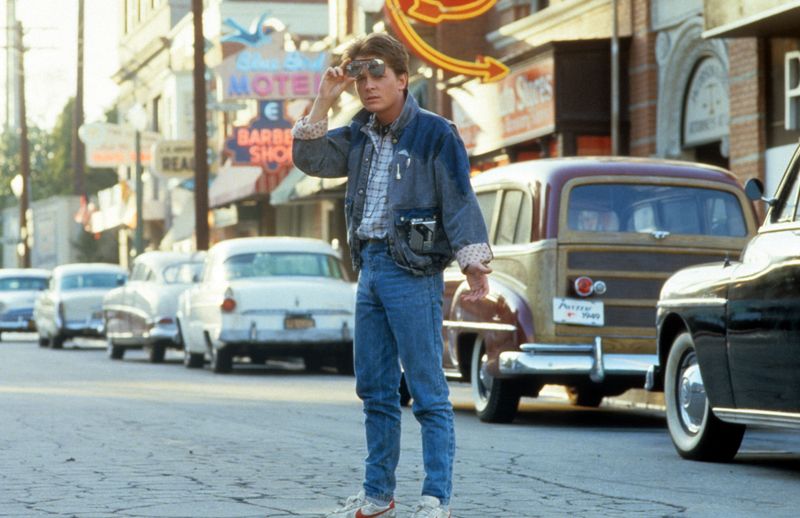
Marty McFly zips back to 1985 after fixing his parents’ relationship, and everything looks fantastic.
His family went from losers to winners overnight, with better jobs and cooler attitudes.
But here’s the catch: Marty’s living with strangers now.
These aren’t the parents who raised him for seventeen years.
They’re completely different people with new memories and personalities.
The real Marty McFly from this timeline vanished, replaced by our hero.
Plus, Doc Brown shows up immediately with another crisis brewing.
The supposed happy ending is actually just the beginning of more time-travel headaches and identity confusion.
2. Monsters, Inc. (2001)
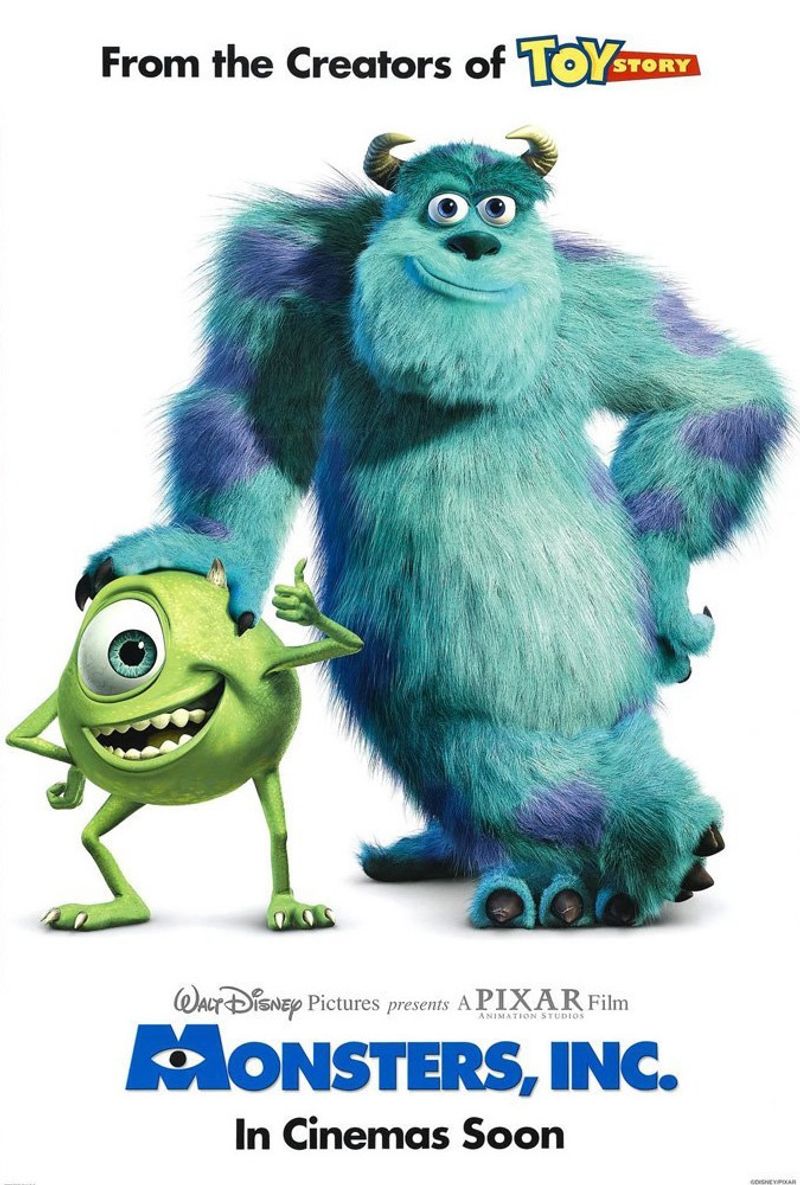
Sulley discovers laughter generates more power than screams, saving Monstropolis from an energy crisis.
The factory switches operations, kids stay safe, and everyone celebrates this brilliant solution.
Wait a second, though.
An entire economy just collapsed overnight.
Thousands of scarers lost their jobs because their skills became worthless instantly.
What happens to all those monster families who trained for years in scaring techniques?
The city faces massive unemployment and retraining costs.
Some monsters probably can’t make kids laugh effectively, leading to power shortages anyway.
This “happy” ending could trigger an economic depression that ruins countless lives across the monster world.
3. The Purple Rose of Cairo (1985)
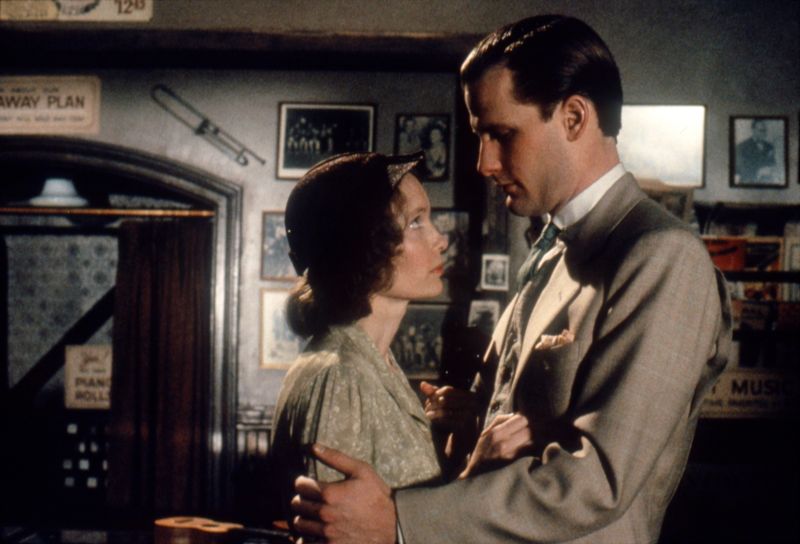
Cecilia finds magic when Tom Baxter steps off the movie screen to romance her, offering escape from her miserable life.
After wild adventures together, reality eventually forces them apart.
She returns to her abusive husband and dead-end existence.
Tom goes back into his fictional world, and the actor who played him abandons her completely.
The final scene shows Cecilia watching another movie, tears streaming down her face.
Her brief taste of happiness makes her real life even more unbearable now.
She’s stuck forever, using movies as her only escape from crushing poverty and domestic violence during the Great Depression.
4. Lucky Lady (1975)
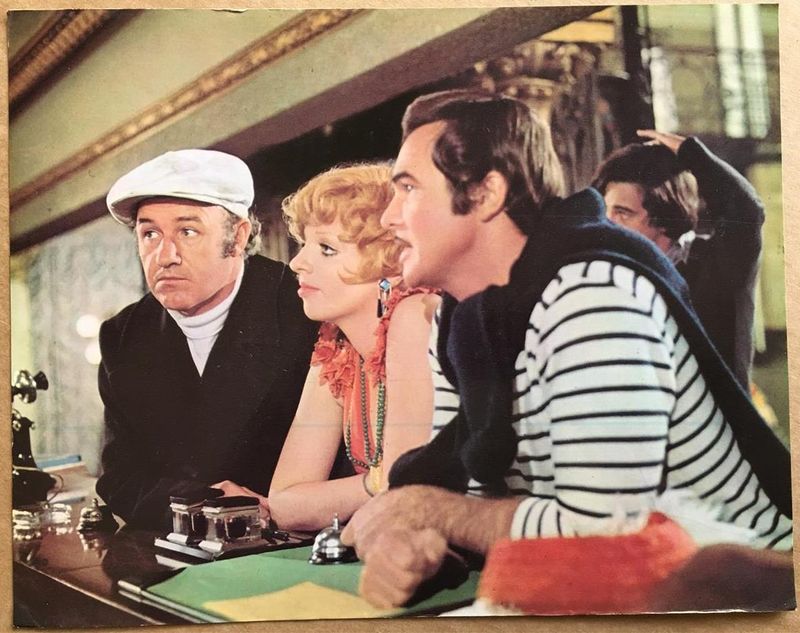
Originally, this bootlegging adventure ended with both male leads dying tragically, leaving Liza Minnelli’s character alone with her memories.
Test audiences hated watching everyone suffer, so filmmakers reshot a cheerier conclusion instead.
The new ending feels forced and fake, though.
Characters who should be dead suddenly survive through unbelievable circumstances.
Their dangerous lifestyle doesn’t magically become safe just because viewers wanted happiness.
This artificial rescue undermines the entire story’s realistic tone.
The characters still face the same threats from gangsters and law enforcement.
Pretending everything works out perfectly doesn’t change the fact that their risky choices should have serious consequences.
5. The Happy Ending (1969)

Mary Spencer breaks free from her suffocating marriage and oppressive suburban life, finally choosing herself over societal expectations.
The film originally planned a tragic conclusion but switched to something more optimistic for audiences.
However, her “liberation” arrives without any real plan or support system.
Where will she live?
How will she earn money?
Society in 1969 wasn’t kind to divorced middle-aged women with no work experience.
The rushed happy ending ignores harsh realities awaiting Mary.
She’s trading one set of problems for potentially worse ones, including poverty and social isolation.
True freedom requires more than just walking away from unhappiness.
6. The Graduate (1967)
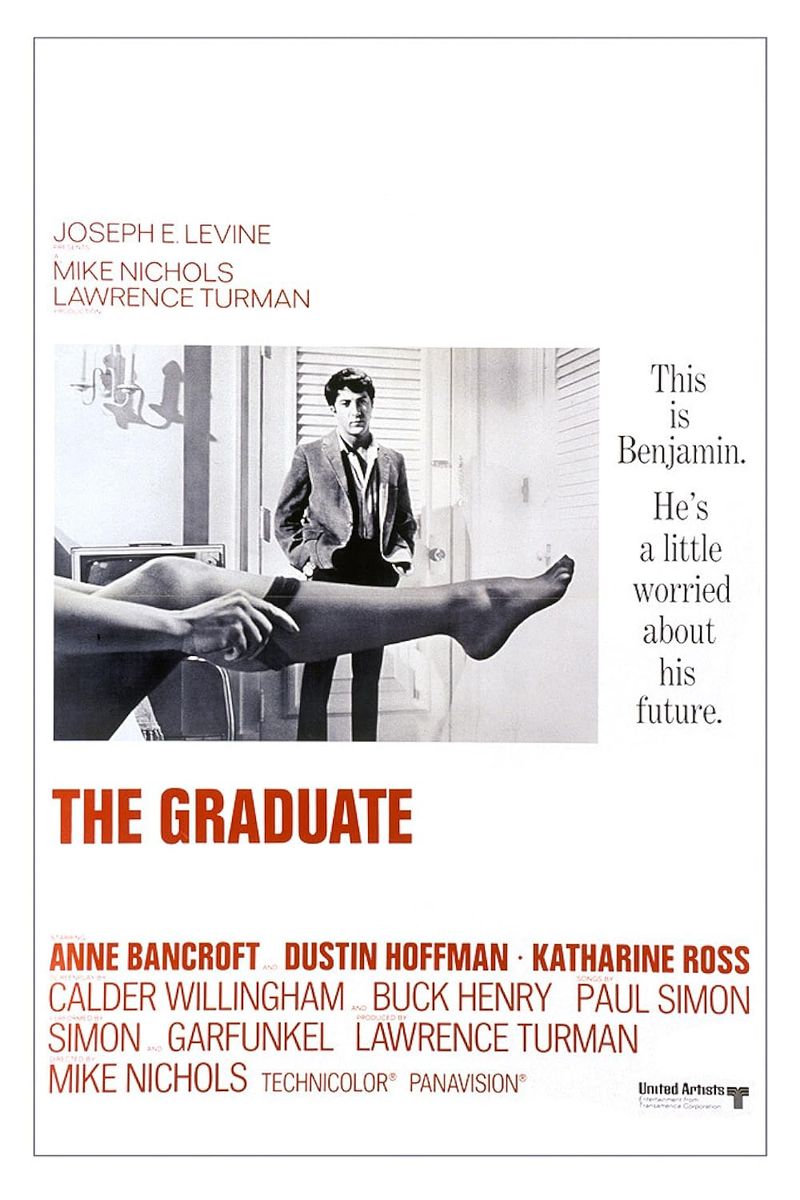
Benjamin and Elaine escape her wedding and jump on a bus, laughing like they just won the lottery.
They stopped the ceremony, grabbed each other, and ran away from all their problems.
Their smiles fade fast though.
Sitting on that bus, reality hits hard.
Benjamin has no plan, no job, and he just ruined Elaine’s wedding to steal her away.
She left her groom at the altar for a guy who dated her mom first.
Watch their faces in those final seconds.
The joy drains away completely.
They’re stuck together now, but neither knows what comes next or if they even made the right choice.
7. Toy Story 3 (2010)
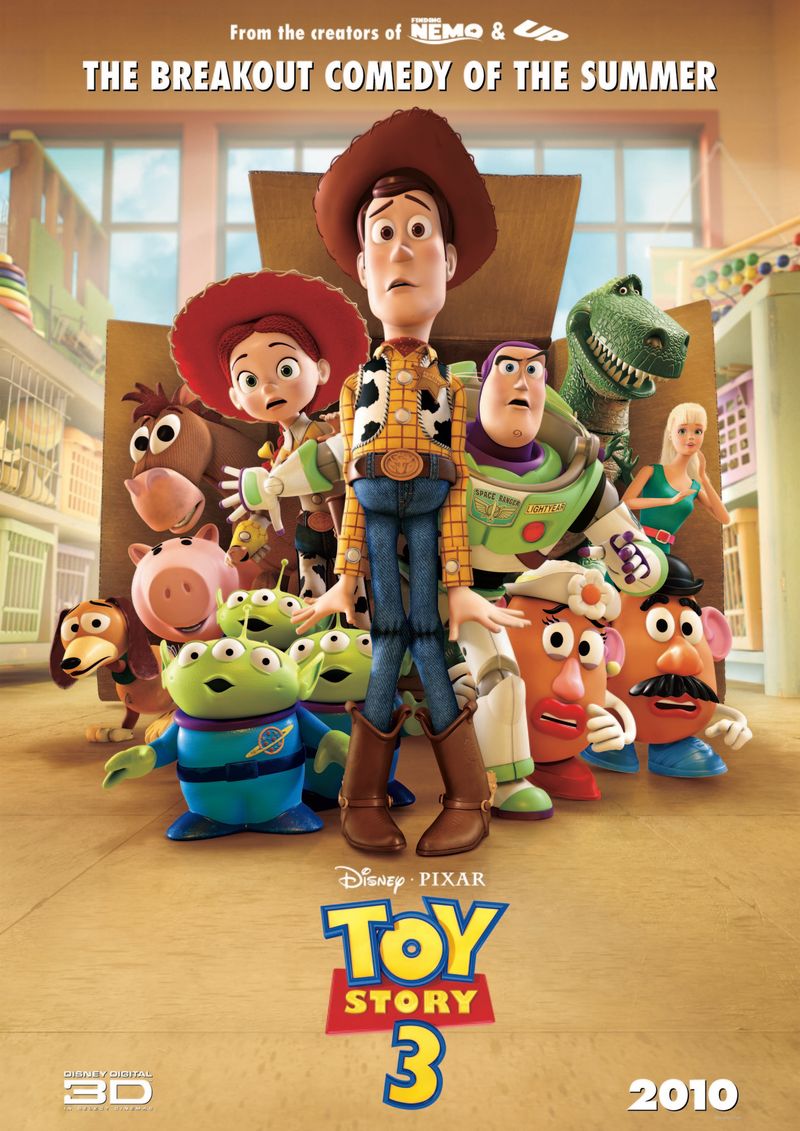
Andy gives his toys to Bonnie before heading to college, and it feels like the perfect goodbye.
The toys get a new kid who’ll love them, and Andy gets closure on his childhood.
But Andy’s toys are basically senior citizens in toy years.
Bonnie’s young now, but she’ll grow up too, probably faster than Andy did.
Woody and the gang will go through this heartbreak all over again.
Plus, they’re living with Bonnie’s toys now, not running the show anymore.
They went from being Andy’s favorites to being the new kids who have to fit in.
That’s rough for toys who ruled the toy box for fifteen years.
8. Grease (1978)
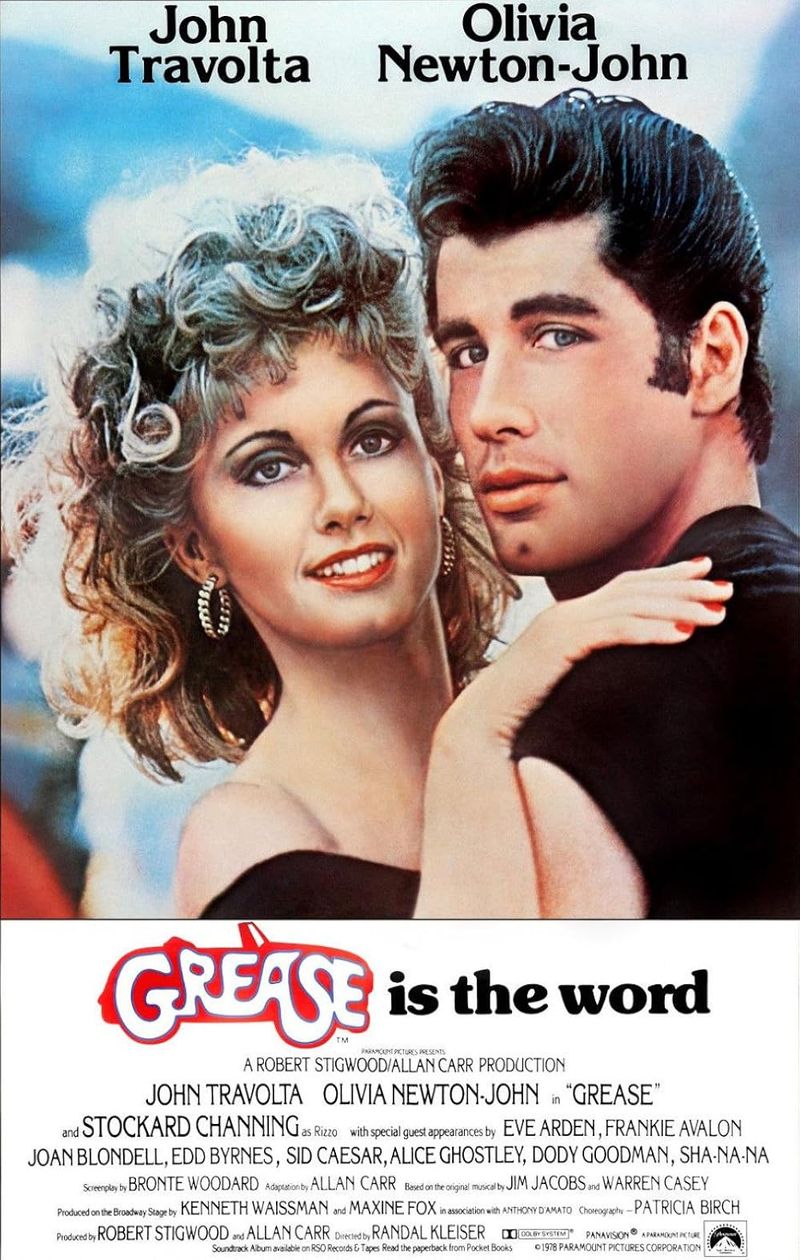
Sandy transforms into a leather-wearing bad girl, and suddenly Danny wants her.
They fly off together in a car, literally into the sky, and everyone cheers.
Hold up though.
Sandy completely changed who she was to get a guy’s attention.
She dumped her sweet personality and started smoking just because Danny liked tough girls better.
That’s not romantic; that’s losing yourself for someone else.
Danny tried changing for her earlier but gave up after one football practice.
Sandy had to do all the work.
Their relationship started because she became someone different, not because he accepted who she really was.
Comments
Loading…