
 Mary Murphy
10 Things Growing Up Poor Teaches You About Life

Money doesn’t buy happiness, but lacking it definitely teaches you a lot. Growing up with very little forces you to see the world through a different lens than those who never had to worry about unpaid bills, empty fridges, or making tough choices just to get by.
Those experiences quietly shape your priorities, your resilience, and the way you approach money, relationships, and everyday challenges. The lessons don’t fade with time—they stay with you, influencing how you value security, generosity, and stability. Here are ten powerful truths that poverty reveals about what truly matters in life.
1. Nothing Gets Wasted

Every scrap matters when resources are tight.
You learn to squeeze toothpaste tubes until they’re completely flat, wear clothes until they literally fall apart, and save leftovers that others might toss without thinking twice.
This mindset follows you into adulthood, making you resourceful in ways wealthy people never develop.
You fix things instead of replacing them.
You repurpose items creatively.
Some call it being cheap, but it’s actually being smart.
Waste feels physically painful when you remember going without.
That awareness becomes your superpower, helping you stretch every dollar further than most people think possible.
2. Creativity Thrives Under Constraints

Boredom hits different when you can’t just buy entertainment.
Without money for toys, games, or activities, your imagination becomes your playground.
Cardboard boxes transform into castles, sticks become swords, and rocks turn into entire civilizations.
This forced creativity doesn’t disappear as you age.
Adults who grew up poor often excel at problem-solving because they learned early that limitations spark innovation rather than stop it.
Where others see obstacles, you see possibilities.
That ability to make something from nothing becomes invaluable in careers, relationships, and life challenges that money alone can’t solve.
3. Real Friendship Isn’t Transactional

Friends who stick around when you can’t afford to go out are keepers.
Growing up poor filters out the shallow relationships fast.
You discover which people genuinely enjoy your company versus those who just want what you can provide.
Birthday parties without expensive gifts teach you that presence matters more than presents.
Hanging out costs nothing, yet creates the strongest bonds.
Later in life, you’re better at spotting authentic people.
You value loyalty over status.
Money might buy temporary companions, but poverty reveals who your real ride-or-die friends are, the ones who’d share their last dollar with you.
4. Food Is Never Guaranteed

Opening an empty fridge creates a knot in your stomach that never fully goes away.
You remember that hollow feeling, the uncertainty of when the next meal might come.
School lunches become lifelines, not just convenience.
As an adult, you probably keep your pantry stocked beyond reason.
Throwing away food feels wrong on a deep level.
You understand hunger in a way that fortunate people simply cannot.
This experience makes you compassionate toward others struggling with food insecurity.
You never judge someone for accepting help or taking extra napkins from restaurants.
You’ve been there, and you remember.
5. Shame Doesn’t Define You

Wearing the same outfit repeatedly or having holes in your shoes teaches brutal lessons about judgment.
Kids notice everything, and some aren’t kind about pointing out differences.
That embarrassment cuts deep at first.
Eventually, though, you develop thick skin.
You realize that people who mock others for circumstances beyond their control reveal their own character flaws, not yours.
Your worth isn’t determined by your wardrobe or possessions.
This resilience becomes armor.
As an adult, you’re less affected by others’ opinions because you’ve already survived worse judgment.
Material criticism bounces off you easier than it does people who never faced it young.
6. Small Luxuries Feel Extraordinary

Did you know?
Research shows people who grew up with less actually experience more joy from simple pleasures than those raised wealthy.
A pizza dinner becomes a celebration.
A new pair of socks feels like Christmas morning.
You never take basics for granted because you remember living without them.
Hot showers, clean clothes, a full tank of gas—these aren’t mundane necessities but genuine privileges.
This perspective is actually a gift.
While others chase bigger houses and fancier cars, you find happiness in everyday moments.
Your gratitude threshold is lower, meaning you’re satisfied more easily and genuinely appreciate life’s simple offerings.
7. Pride Can Be Your Enemy

Accepting help feels like admitting failure when you’re poor.
You want to prove you can handle everything alone, that you’re not a charity case.
This stubborn pride can actually make situations worse by refusing assistance you desperately need.
Learning to swallow that pride and accept kindness is hard but necessary.
Free lunch programs, hand-me-down clothes, or neighbors’ generosity aren’t shameful—they’re lifelines that help you survive tough times.
Eventually you understand that accepting help doesn’t make you weak.
Everyone needs support sometimes.
The people who offer it usually aren’t judging you; they’re simply being human.
Letting others help actually honors their kindness.
8. Time Matters More Than Money

Wealthy parents might buy expensive gifts, but poor parents often give something more valuable: their presence.
When money’s tight, entertainment means spending time together—playing cards, going to parks, telling stories, or just talking.
These moments create stronger memories than any toy ever could.
You learn that attention and affection can’t be purchased.
The parent working multiple jobs who still makes time to connect shows love more powerfully than any store-bought item.
As you mature, you prioritize experiences and relationships over possessions.
You understand that the best things in life truly are free, and that time is the ultimate currency nobody can buy more of.
9. Financial Anxiety Never Fully Leaves

Even after escaping poverty, that background hum of money worry persists.
You check your bank account obsessively.
You fear unexpected expenses.
Job security matters more than job satisfaction because you remember what unemployment meant for your family.
This hypervigilance can be exhausting but also protective.
You’re less likely to make reckless financial decisions.
You maintain emergency funds.
You plan for worst-case scenarios.
Some call it pessimism; you call it preparedness.
That anxiety, while uncomfortable, keeps you grounded and financially responsible in ways that people who never worried about money simply don’t understand or practice naturally.
10. Empathy Becomes Your Compass
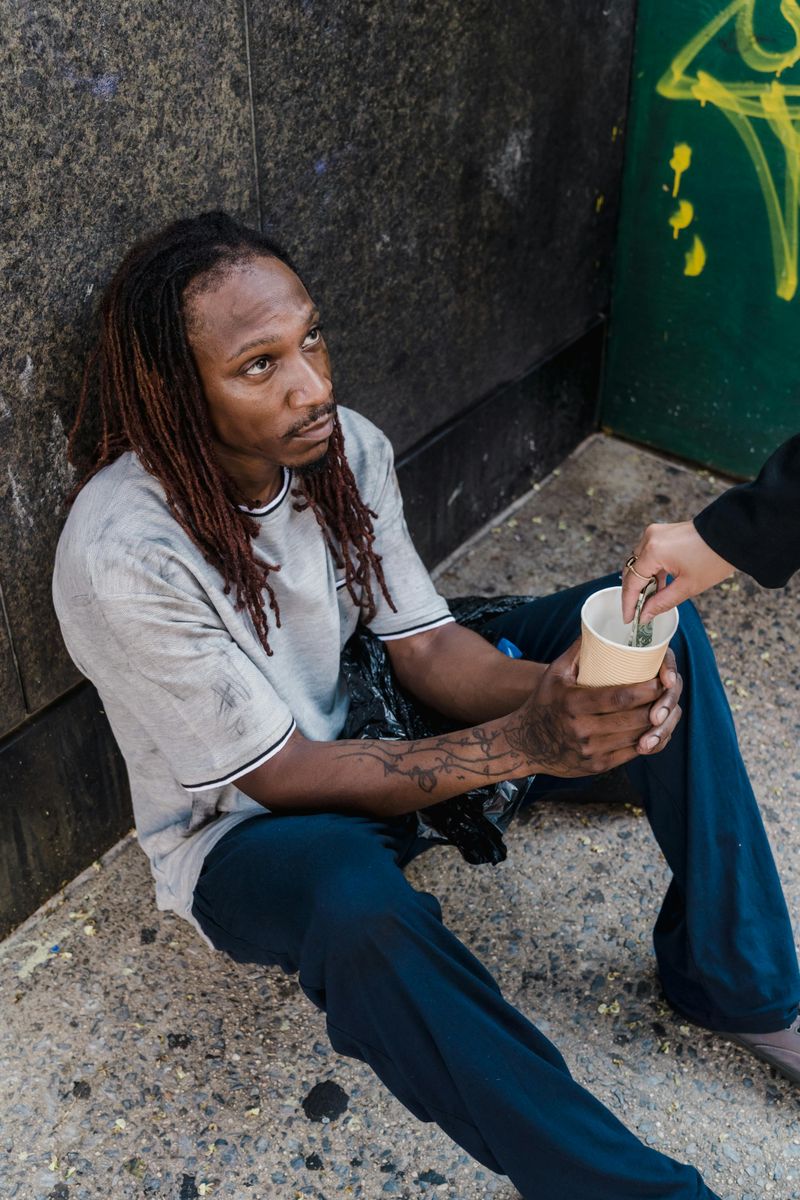
Walking past someone struggling hits differently when you’ve been in their shoes.
You don’t wonder why they don’t just get a job or make better choices.
You understand that circumstances, not character, often determine outcomes.
This deep empathy shapes how you treat service workers, homeless individuals, and anyone facing hardship.
You tip generously when possible.
You never complain about minor inconveniences.
You offer help without judgment.
Growing up poor gives you perspective that privilege can’t teach.
You see humanity in people others ignore or dismiss.
That compassion makes you kinder, more patient, and more understanding than you might have been otherwise.
Comments
Loading…