
 Isabel Parker
Garlic is one of those ingredients that feels foolproof, right up until it isn’t.
One minute you’re adding “just a little extra” for flavor, and the next your pasta tastes bitter, your stir-fry smells burned, or your dip has that harsh, lingering bite that won’t go away.
The tricky thing is that garlic is powerful but also delicate, which means small choices—how you cut it, when you add it, and even how long it sits after chopping—can completely change the outcome.
The good news is that you don’t need chef skills to get it right; you just need to avoid a few common missteps that most people make without realizing it.
Once you clean up these habits, garlic becomes what it’s supposed to be: a simple, inexpensive way to make everyday meals taste like you tried harder than you did.
1. Buying pre-minced garlic in a jar and expecting the same flavor
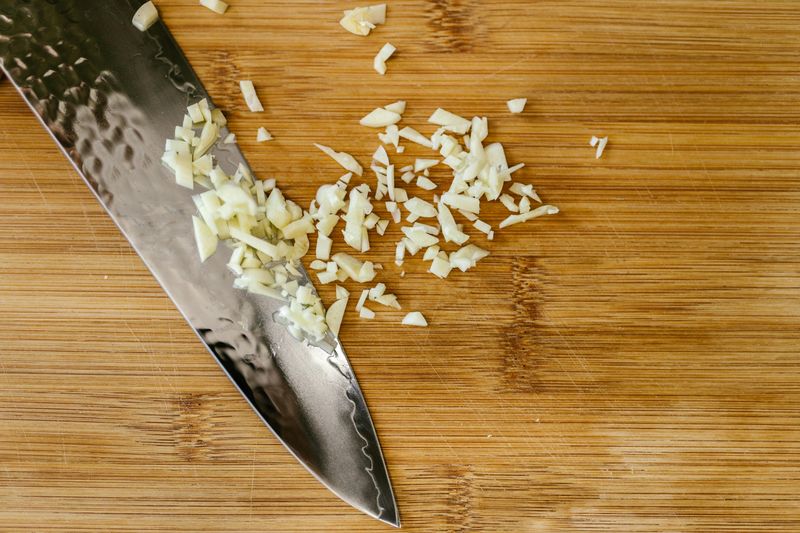
Convenience can be tempting, especially on busy weeknights, but pre-minced garlic in a jar often tastes dull compared to fresh cloves.
Part of the problem is that once garlic is chopped and stored, its flavor compounds change quickly, and many products include preservatives that can give it a slightly sour or “processed” edge.
That doesn’t mean jarred garlic is useless, but it usually works best when it’s just one background ingredient in a heavily seasoned dish, rather than the star of the show.
If you want bolder, cleaner garlic flavor without extra hassle, keep a few fresh bulbs on hand and mince only what you need.
Another budget-friendly compromise is freezing freshly minced garlic in small portions, which saves time while keeping much closer-to-fresh taste.
2. Burning garlic because it goes into the pan too early
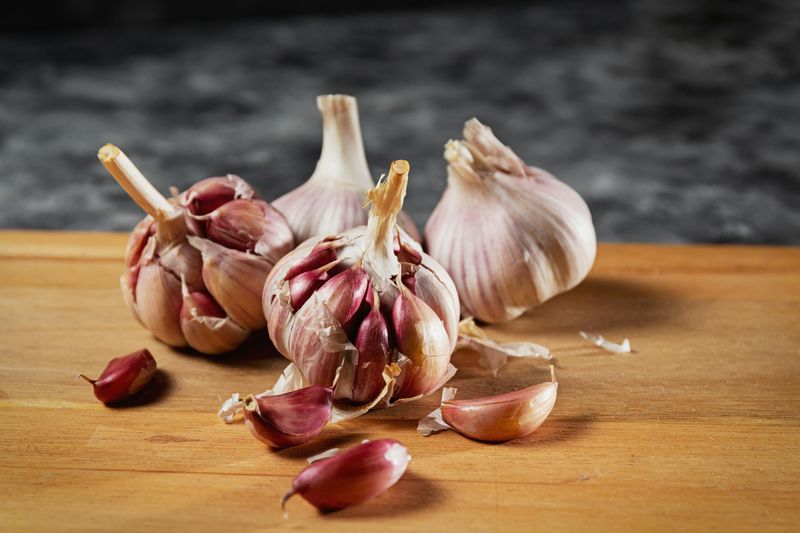
Garlic can turn from fragrant to bitter far faster than people expect, especially when it’s minced and hitting hot oil.
Because the pieces are small and full of natural sugars, they brown quickly, and once they cross the line into dark golden or burnt, that sharp bitterness will spread through the entire dish.
This is why a stir-fry or sauté can taste “off” even when everything else seems fine.
A smarter approach is to control the heat and timing, letting onions or other aromatics soften first, then adding garlic for the last 30 seconds to a minute so it blooms without scorching.
If you’re cooking something with a longer simmer, you can also add garlic later in the process to preserve more aroma and avoid that burnt edge.
3. Using the wrong cut for the job
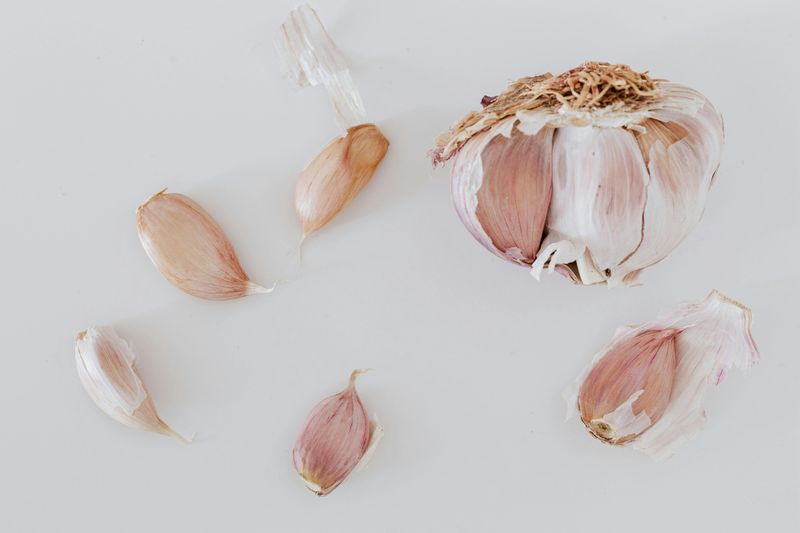
The way you cut garlic isn’t just about appearance; it changes how strong it tastes and how quickly it cooks.
Minced garlic releases the most flavor fastest, which is great for sauces and marinades, but it also burns easily.
Sliced garlic cooks more gently and can turn sweet and crisp, making it better for sautéed greens, pasta oil, or garlic chips.
Crushed or smashed cloves give you bold garlic flavor with less risk of scorching, which is useful for soups and braises.
Whole cloves are the mellowest and can become buttery and sweet when roasted or slowly cooked.
If a dish always comes out too harsh or too weak, try changing the cut before you change the amount.
Often, that small adjustment fixes the entire flavor balance.
4. Not letting garlic “rest” after chopping
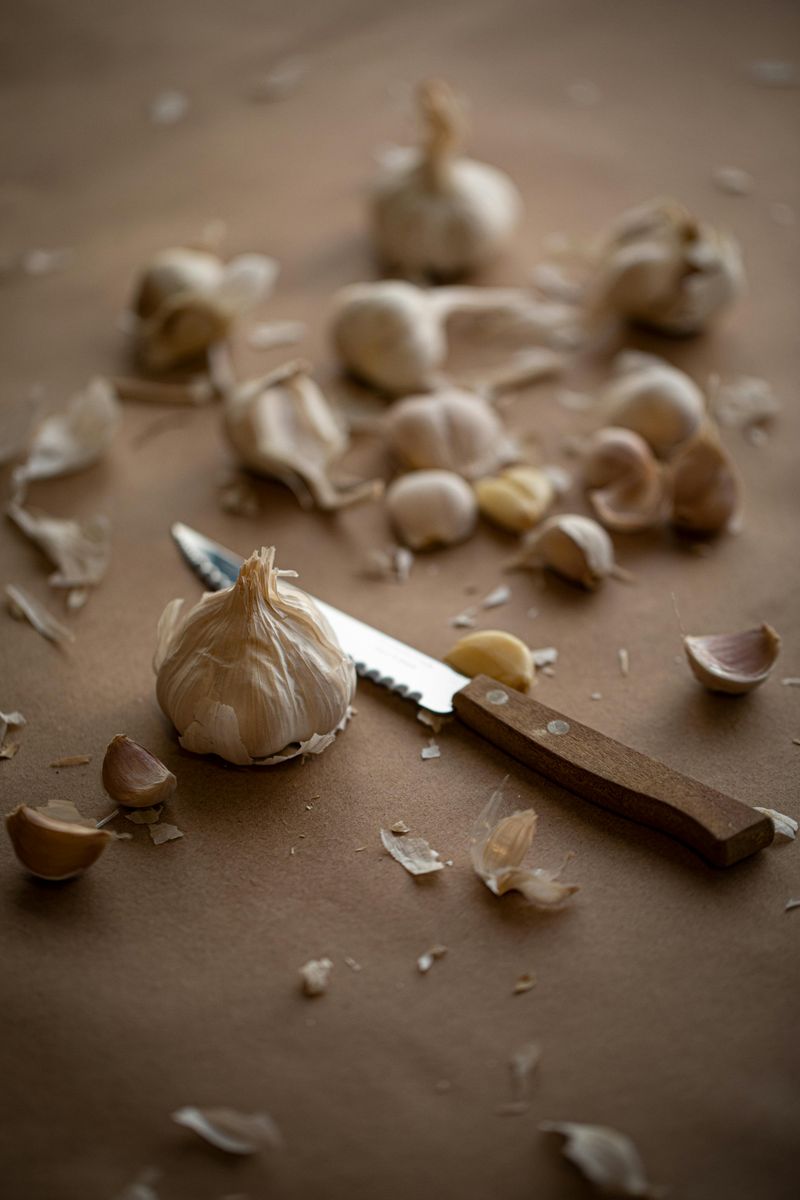
Most people don’t realize garlic has a “sweet spot” after chopping where the flavor becomes more pronounced.
When you cut into a clove, chemical reactions begin that create the signature garlicky bite, and those reactions need a little time to develop.
If you mince garlic and toss it into the pan right away, you may lose some of that punch, especially if it gets heated quickly.
Letting chopped garlic sit for about 5 to 10 minutes before cooking can deepen the flavor without adding more cloves.
This is an easy habit to build because it doesn’t slow you down; you can chop garlic first, then prep the rest of your ingredients while it rests.
For recipes where garlic matters a lot—like simple pasta, garlicky greens, or pan sauces—this tiny step makes a noticeable difference.
5. Overdoing it and making the whole meal taste sharp
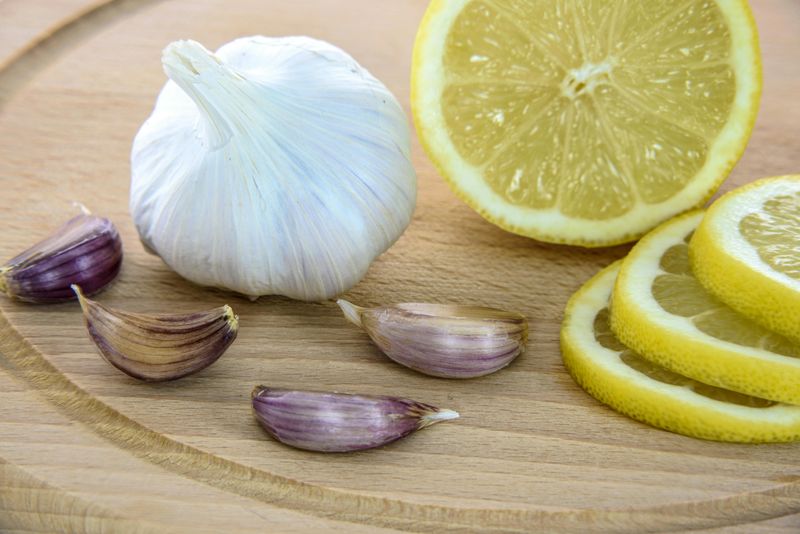
Garlic lovers often learn this lesson the hard way: doubling the garlic doesn’t always double the deliciousness.
Too much can dominate a dish, making it taste sharp, hot, and almost medicinal, especially in lighter recipes like salad dressings, scrambled eggs, or simple pasta.
Raw garlic is even stronger, and what seems like a small extra clove can be the difference between pleasantly flavorful and painfully pungent.
A better strategy is to build flavor without overdoing it by adjusting technique instead of quantity.
Roasting garlic makes it sweet and mellow, while sautéing it gently reduces harshness.
If you want a stronger garlic presence, using minced or grated garlic often adds more impact than adding extra whole cloves.
The goal is balance, so the garlic supports the meal instead of taking it hostage.
6. Using old garlic (or storing it wrong)
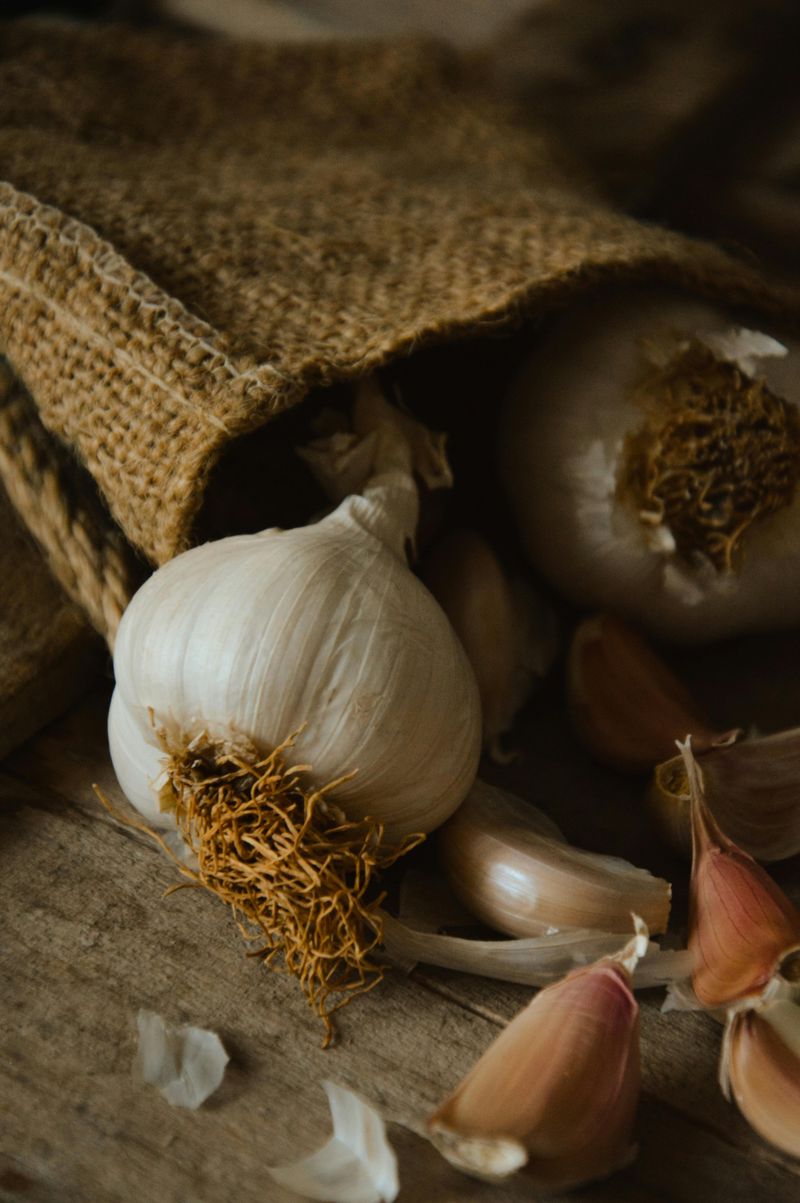
Garlic doesn’t last forever, and when it gets old, it loses the sweet, clean flavor that makes it so useful.
Cloves that feel rubbery, look shriveled, or have started sprouting tend to taste harsher and sometimes slightly bitter.
Storage plays a huge role here because garlic prefers a cool, dry, well-ventilated spot, not a sealed container or a damp area where it can mold.
Keeping bulbs in the fridge can also encourage sprouting and make the texture weird over time.
If you want garlic to last, store it like you would onions: somewhere dark, airy, and away from moisture.
When a bulb starts going downhill, using it for roasted garlic or a long-simmered sauce can help salvage the flavor and reduce waste without sacrificing your meal.
7. Forgetting to remove the green sprout (when it’s large)
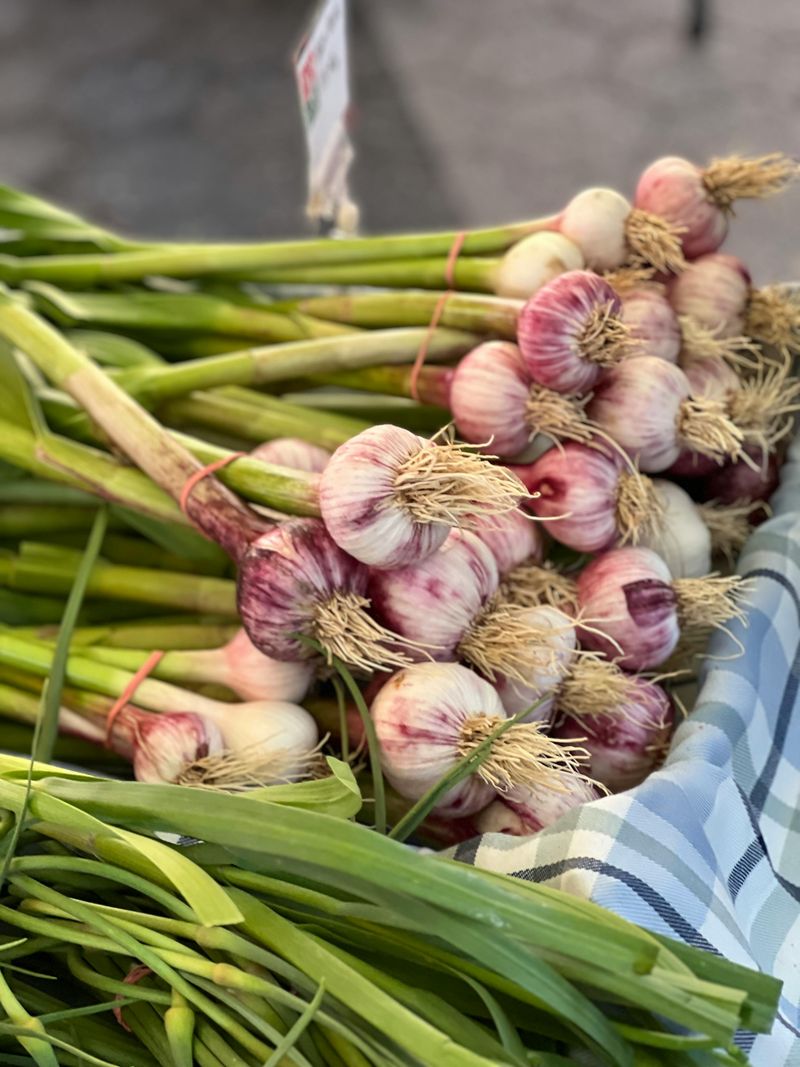
That little green shoot in the center of a clove is easy to overlook, but it can change the taste of your food more than you’d expect.
When garlic starts sprouting, the green core often becomes bitter, and in simple recipes—like garlic butter, mashed potatoes, or vinaigrettes—you may notice a sharp edge that wasn’t there before.
Removing it is quick: slice the clove lengthwise and lift out the green center with the tip of your knife.
It’s not mandatory every time, especially if the sprout is tiny, but it’s worth doing when the clove is older or the dish is delicate.
The rest of the garlic is still perfectly usable, so you’re not throwing anything away, just preventing one small bitter element from taking over an otherwise good recipe.
8. Putting raw garlic straight into dressings/dips without taming it
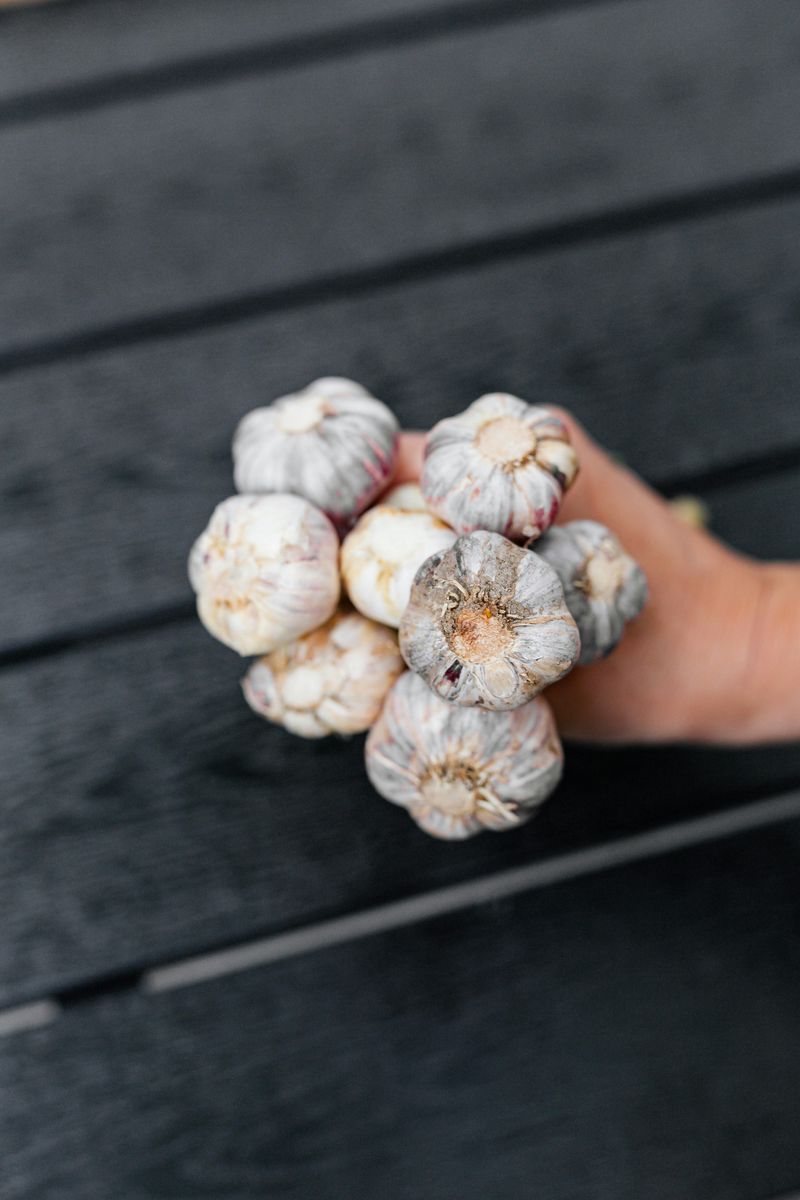
Raw garlic has a powerful heat that can feel almost spicy, and when it’s stirred straight into a dressing or dip, that bite can overwhelm everything else.
The flavor can also linger intensely, which is why some homemade sauces taste harsh even when the ingredient list looks right.
A simple fix is to mellow garlic before mixing it in, especially if you’re using more than a small amount.
Letting minced garlic sit in lemon juice or vinegar for a few minutes can soften its sharpness, and grating garlic very finely helps it blend more smoothly.
Another option is using roasted garlic for creamier dips, which adds sweetness without that aggressive raw bite.
If you’re meal-prepping dressings, time can help too, because garlic tends to mellow as it rests, turning sharpness into depth.
Comments
Loading…