
 Jade Reed
Millions of Views to Millions of Dollars: The 10 Richest Content Creators in the World
“Richest” can mean net worth, but for content creators it’s usually who brought in the biggest checks this year—from ads, brand deals, touring, licensing, and the businesses they’ve built around their audiences.
Forbes’ Top Creators 2025 ranking (covering April 2024–April 2025) shows just how far the creator economy has evolved: these aren’t people casually posting on a phone anymore, they’re running studios, product lines, and media empires that look a lot like modern entertainment companies.
10. Druski — $14M

Some creators earn more by being intensely loved by a slightly smaller crowd than by being broadly known by everyone.
Druski’s profile fits that perfectly: Forbes lists $14 million in earnings and points out his standout engagement, which makes him extremely valuable to advertisers.
Instead of chasing constant reinvention, he leans into a recognizable comedic voice—hip-hop satire and cultural commentary—that fans share because it feels personal and on-the-nose.
Forbes also highlights major mainstream visibility, including a Dunkin’ Super Bowl ad alongside big-name celebrities, plus other partnerships with brands like Google and Nike.
For your readers, the lesson is that engagement is currency: brands pay for attention that feels “alive,” and creators who can reliably deliver that often turn sponsorships into steady, high-margin income streams.
9. Khaby Lame — $20M
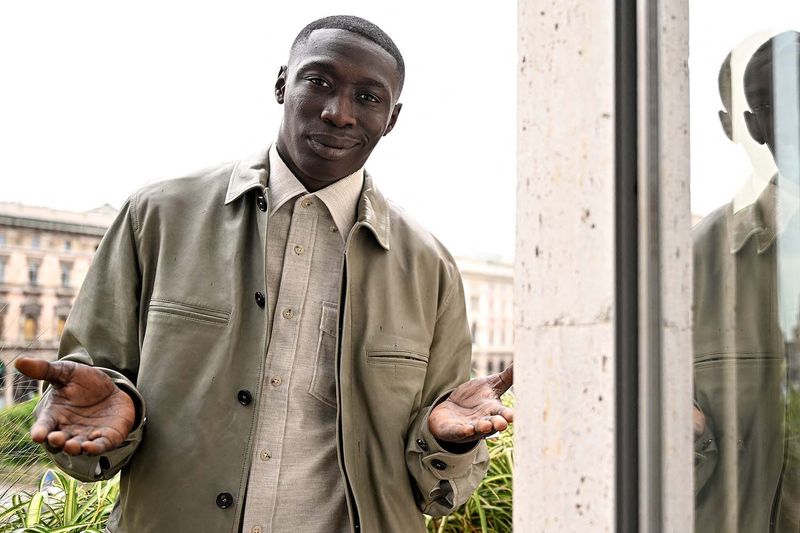
Global fame doesn’t always require language, and that’s exactly why Khaby Lame’s format travels so well.
His wordless reactions and deadpan humor make him easy to understand anywhere, which helps explain how he became the most-followed human on TikTok.
Forbes estimates $20 million in earnings and attributes much of it to high-value brand deals with companies like Hugo Boss and Binance, plus collaborations with major entertainment brands where celebrity cameos amplify reach.
What’s compelling for a money-focused audience is how clean the model is: a simple, repeatable content style becomes a worldwide brand-safe advertising vehicle.
The financial takeaway is that creators who build a universally shareable “signature” often gain pricing power—because brands aren’t just buying a post, they’re buying global cultural distribution.
8. Charli D’Amelio — $23.5M
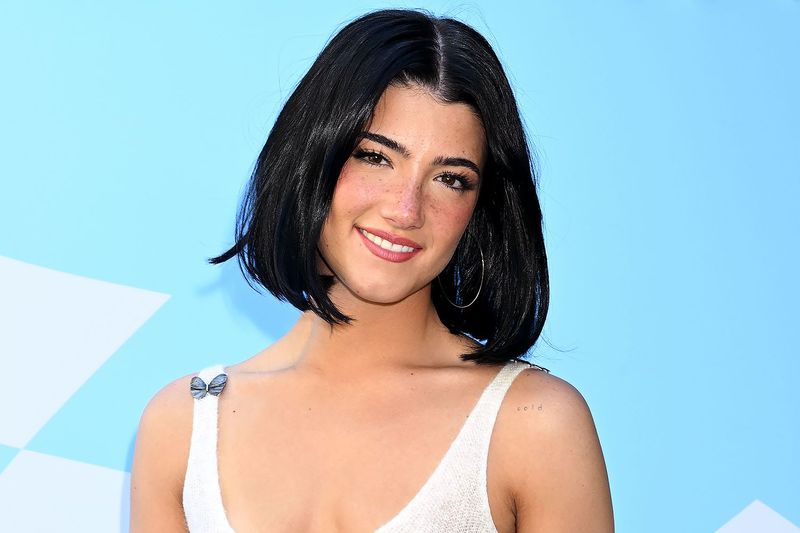
The biggest misconception about TikTok fame is that it stays locked on TikTok.
Charli D’Amelio’s career shows how a massive audience can become a springboard into mainstream entertainment and long-term brand equity.
Forbes estimates $23.5 million in earnings and notes her Broadway debut in & Juliet, a move that signals real staying power beyond short-form trends.
Even with new projects, she hasn’t abandoned the brand-deal engine that built her fortune; Forbes mentions ongoing fashion partnerships and her stake in the family’s broader business portfolio through D’Amelio Brands.
The financial lesson here is that cultural visibility can be “converted” into credibility in other industries—stage, fashion, products—creating multiple income streams that don’t all rise and fall with a single platform’s popularity.
7. Mark Rober — $25M
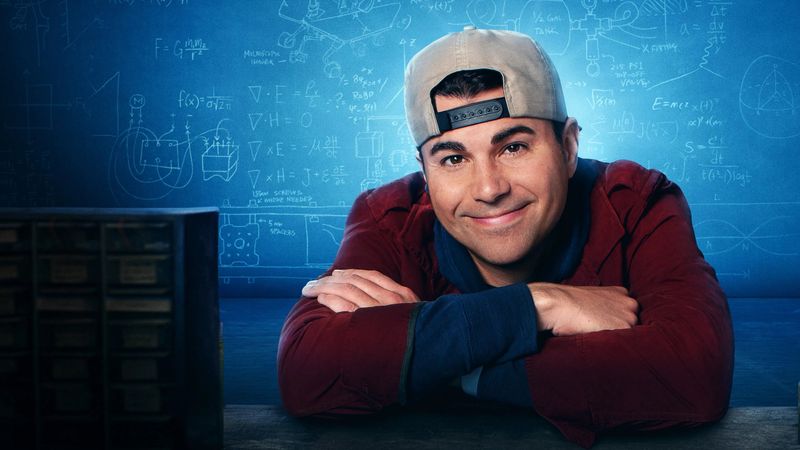
Science content doesn’t sound like the most obvious route to wealth, yet Mark Rober shows how “educational” can still be blockbuster entertainment when it’s packaged with curiosity and big visual payoffs.
Forbes estimates $25 million in earnings and highlights his massive growth as a former NASA engineer who now produces high-concept experiments designed to spark wonder.
The really smart money move, though, is the business extension: Forbes points to CrunchLabs, his subscription company that sells hands-on STEM kits, turning passive viewers into recurring customers.
That kind of productized learning is powerful because it builds revenue that’s more predictable than ad rates.
The SheBudgets-friendly takeaway is that niche content can become premium content when it serves a community and offers a tangible next step beyond watching.
6. Alex Cooper — $32M
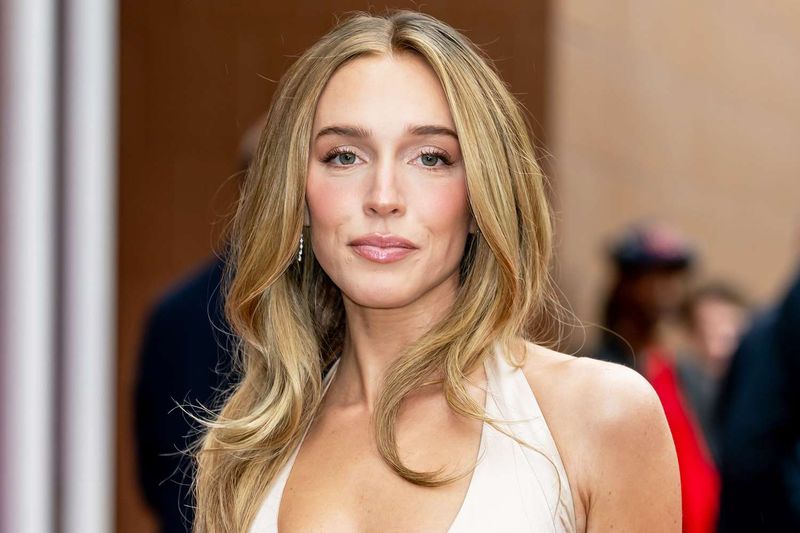
Podcasting has always been a relationship business, and Alex Cooper has converted that intimacy into enormous leverage.
Forbes lists $32 million in earnings and points to her headline-making move from Spotify to a multi-year SiriusXM deal reportedly valued at $125 million, which shows how creator IP can be priced like premium media.
Instead of staying a one-show star, she’s built a broader network with multiple podcasts under her umbrella, expanding both revenue and influence.
Forbes also notes a documentary release and the launch of Unwell Hydration, a consumer product extension that places her brand in major retail.
Her playbook is a great SheBudgets angle: when creators own an audience’s trust, they can monetize through contracts, networks, and products—often with margins that beat ad revenue by a mile.
5. Rhett & Link — $36M
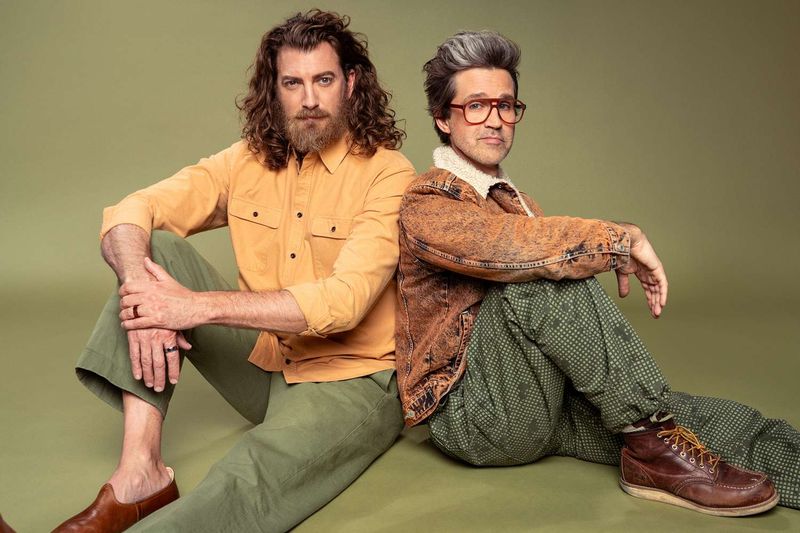
Long-running creators often win because they build systems, and Rhett & Link are a textbook example.
Their comedy-and-variety brand has been refined for years, and Forbes estimates $36 million in earnings while emphasizing how their empire keeps expanding beyond the original channel.
They’ve launched streaming channels across platforms like Roku, Amazon Prime, and Samsung, developed a live events business, and even published a best-selling cookbook—moves that turn fans into customers in multiple places.
Just as important, Forbes highlights their behind-the-scenes creator fund, which supports other influencers and strengthens their position in the ecosystem.
The core idea to underline in your article: longevity becomes a financial advantage when it’s paired with products, distribution, and a business structure that outgrows any single show format.
4. Matt Rife — $50M
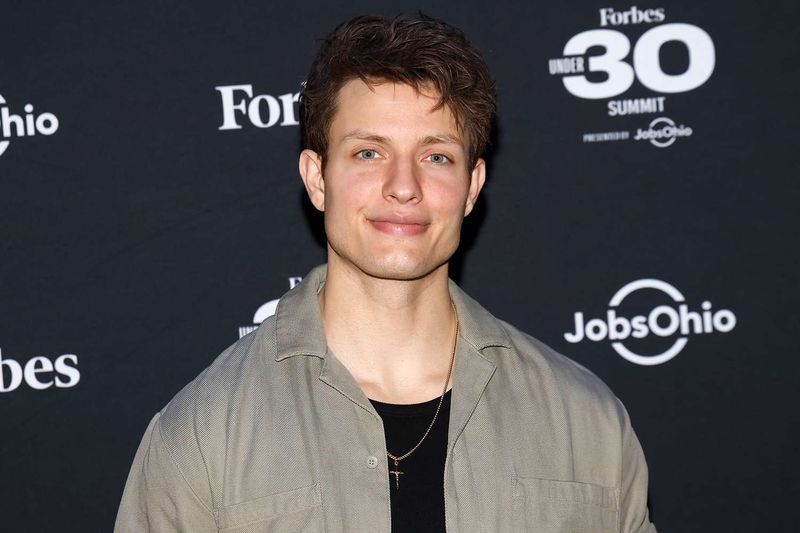
Stand-up comedy used to be a slow climb through clubs and small rooms, but Matt Rife demonstrates how content can accelerate that path dramatically.
Forbes puts his earnings at $50 million, crediting years of grinding followed by a breakout driven by crowd-work clips that spread widely on social media.
Once the audience was built online, the business model flipped: live shows became the major driver, with Forbes noting the ability to sell out huge numbers of seats.
Add in Netflix specials and a pipeline of film projects, and you get a modern version of “touring plus media,” supercharged by algorithm-friendly clips.
For your article, it’s a strong example of why creators chase moments that showcase authenticity—fans feel like they’re seeing something unfiltered, and that connection converts directly into ticket sales.
3. Jake Paul — $50M
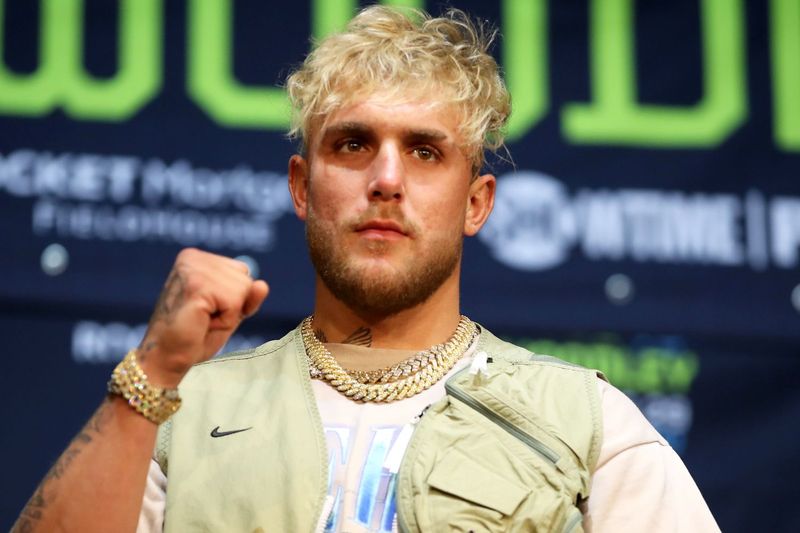
What makes Jake Paul’s creator career unusual is that his biggest spikes come from events that look more like sports entertainment than social media.
Forbes pegs his earnings at $50 million and ties a major part of that to the massive attention—and payday—around the Jake Paul vs. Mike Tyson matchup, with Netflix streaming the event live.
That kind of tentpole moment changes the math: instead of earning in small increments from views, he can stack revenue from live gate economics, sponsorships, media rights, and spin-off content.
Forbes also notes his crossover into a reality series with his brother, extending the brand into a more traditional “celebrity” lane.
For your readers, his path illustrates the power of diversification—when your income isn’t tied to one platform’s algorithm, you can build bigger, steadier upside.
2. Dhar Mann — $56M
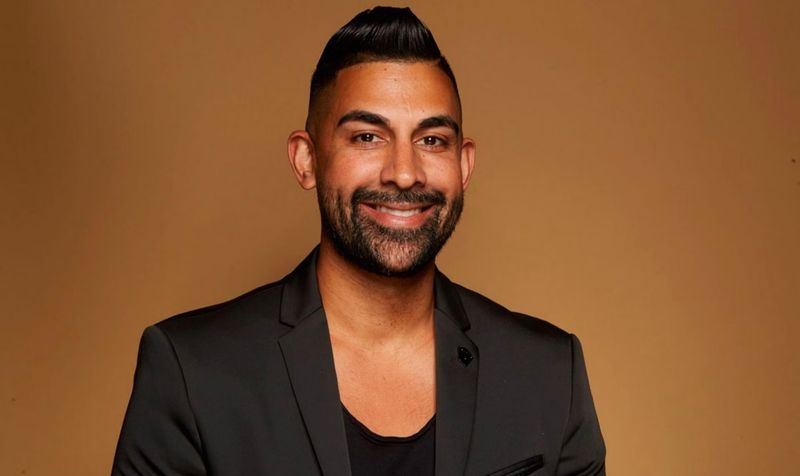
Feel-good storytelling may sound soft, but the business behind it is anything but small.
Dhar Mann’s model leans into highly shareable scripted videos with clear morals, then scales that concept with a studio approach that resembles traditional TV production.
Forbes estimates $56 million in earnings and highlights how he has built a large team and a full-fledged studio to keep output consistent and professional.
Instead of relying on one viral hit at a time, his advantage is volume plus reliability—audiences know exactly what they’re getting, and brands know the content will stay broadly “safe” and family-friendly.
Forbes also points to major brand relationships, including partnerships with companies like Meta and Universal.
In a money lesson sense, he’s proof that predictability can be a growth strategy.
1. MrBeast (Jimmy Donaldson) — $85M
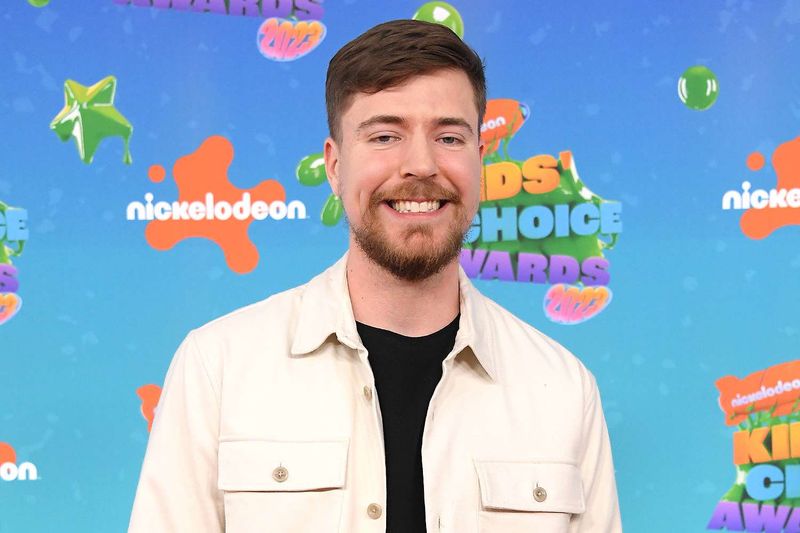
No one has scaled internet spectacle into a full-blown business machine quite like the creator behind MrBeast.
His strategy is simple to describe but expensive to execute: outrageous, high-production challenges that attract massive viewership, which then fuels everything else—brand partnerships, platform deals, and product sales.
Forbes lists him at $85 million in earnings, and the size of his audience turns every launch into a global event.
Beyond YouTube, his growth is powered by consumer brands and entertainment expansion, including Feastables and his streaming hit Beast Games, which Forbes notes has been renewed for additional seasons on Amazon Prime.
The key takeaway for readers: the biggest creator fortunes often come from turning attention into repeatable businesses, not just ad revenue.
Comments
Loading…