
 Jade Reed
Friendships should make us feel happy and supported, but sometimes we stick around in relationships that actually hurt us. Many people stay connected to friends who bring negativity, drama, or pain into their lives without even realizing it.
Understanding why we hold onto these unhealthy friendships can help us make better choices about who deserves our time and energy.
1. Fear of Being Alone

Nobody wants to feel lonely, so sometimes we accept friendship with people who treat us badly just to avoid being by ourselves.
This fear can be so strong that we convince ourselves a bad friend is better than no friend at all.
Loneliness feels scary, especially when you see other people hanging out together and having fun.
But staying in a friendship that makes you feel worse is actually more painful than spending time alone.
Building confidence in yourself helps you realize that being alone temporarily is okay.
Quality friendships are worth waiting for, and you deserve people who truly care about you.
2. Shared History and Memories
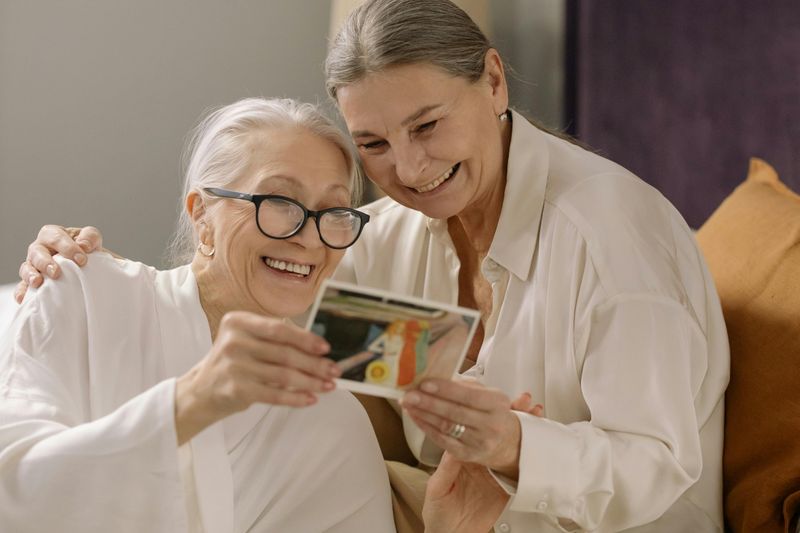
When you’ve known someone since kindergarten, it feels impossible to let them go even when they’ve changed into someone mean or dishonest.
All those birthday parties, sleepovers, and inside jokes create a bond that’s hard to break.
Memories can trick us into thinking the friendship is still good when it really isn’t anymore.
People grow and change, and sometimes they become different from who they used to be.
Holding onto the past keeps you stuck with someone who doesn’t treat you right in the present.
Cherish the good memories, but don’t let them trap you in an unhealthy relationship today.
3. Guilt and Obligation

Sometimes friends make us feel like we owe them something, especially if they’ve helped us in the past or are going through tough times.
This guilt can keep us trapped even when the friendship has become toxic.
Manipulative friends are experts at making you feel responsible for their happiness.
They might say things like “I’d be so lonely without you” or remind you of every nice thing they’ve ever done.
Real friendship shouldn’t feel like a burden or an obligation.
You’re not responsible for fixing someone else’s problems, and it’s okay to prioritize your own mental health and wellbeing over someone else’s demands.
4. Low Self-Esteem

When you don’t think highly of yourself, you might believe you don’t deserve better friends than the ones treating you poorly.
Low self-esteem makes you accept disrespect because you think that’s all you’re worth.
Friends who put you down or make fun of you reinforce these negative feelings about yourself.
They might even say you’re lucky to have them as friends, making you feel grateful for their attention.
Recognizing your own value is the first step toward demanding better treatment.
Everyone deserves kindness, respect, and genuine care from their friends, including you, no matter what anyone has told you.
5. Hope They’ll Change

Believing that your friend will eventually become kinder or more supportive keeps many people stuck in bad friendships.
You make excuses for their behavior and convince yourself things will get better soon.
Unfortunately, people rarely change unless they genuinely want to improve themselves.
Waiting around for someone to treat you better usually just leads to more disappointment and wasted time.
Actions speak louder than promises, so pay attention to how your friend actually behaves rather than what they say they’ll do.
If someone consistently hurts you, believing they’ll change is just giving them permission to keep doing it.
6. Social Status and Popularity

Being friends with popular people can feel important, even when those friendships are shallow or mean-spirited.
The social benefits seem worth the emotional cost of being treated badly.
Popularity doesn’t equal genuine friendship, though it might seem that way when you’re trying to fit in at school.
Cool friends who make you feel bad about yourself aren’t actually making your life better.
True confidence comes from being yourself, not from associating with certain people.
Trading your self-respect for social status leaves you feeling empty inside, even if you look happy on the outside to everyone else.
7. Avoiding Confrontation

Ending a friendship requires an uncomfortable conversation that many people desperately want to avoid.
It’s easier to just keep going along with things rather than face the drama of a breakup.
Conflict-avoidant people would rather suffer quietly than deal with tears, anger, or awkward explanations.
They worry about hurting the other person’s feelings or creating tension in their friend group.
However, avoiding difficult conversations just prolongs your unhappiness and prevents you from moving forward.
Setting boundaries might feel scary, but it’s necessary for your wellbeing and shows respect for yourself and your needs.
8. Lack of Other Options

When your social circle is small, you might feel like you have to accept whatever friendships are available, even bad ones.
This happens especially in small schools or towns where making new friends feels impossible.
Limited options make us lower our standards and tolerate behavior we know isn’t okay.
We tell ourselves that having these friends is better than starting over or being the new kid somewhere.
Expanding your social opportunities through clubs, sports, or online communities can help you meet better people.
You’d be surprised how many potential friends are out there once you start looking beyond your immediate surroundings.
9. Not Recognizing the Problem

Sometimes people genuinely don’t realize their friendship is unhealthy because they’ve never experienced anything better.
If you’ve always had friends who gossip, lie, or put you down, it might seem normal.
Without healthy examples to compare against, toxic behavior can seem like just how friendships work.
You might think constant drama or feeling bad about yourself is just part of having friends.
Learning what healthy friendships look like helps you identify problems in your current relationships.
Good friends support you, respect your boundaries, and make you feel valued rather than drained or anxious after spending time together.
Comments
Loading…