
 Chloe Peterson
17 Actors Who Make Every Movie Hard to Sit Through
Movie nights are supposed to be an escape, but sometimes one familiar face is all it takes to make you reach for the remote.
It isn’t always about talent, either.
For a lot of viewers, “unwatchable” energy comes from overexposure, the feeling that an actor plays the same persona in every project, or a style so loud it pulls attention away from the story.
Add in a few infamous performances, public controversies, and meme-level reputations, and you’ve got the perfect recipe for instant groans the moment the credits roll.
Of course, taste is subjective, and every name on this list has fans who will defend them to the bitter end.
Still, these are the actors many audiences say can tank their interest before a plot even has a chance.
1. James Corden

For many viewers, the issue isn’t that he’s incapable of being funny, but that his presence can feel like a forced detour away from the movie you actually came to see.
His screen persona often leans into a very specific brand of “lovable chaos,” and when a film already has its own tone, that energy can land like a loud interruption.
The frustration gets worse in projects that require subtlety, because his style tends to sit on top of the scene rather than blend into it.
A lot of people also complain about overexposure, since he seemed to pop up everywhere for a while, which can trigger instant fatigue.
When audiences feel like they’re being “sold” a personality instead of a character, the movie loses goodwill fast.
2. Jared Leto
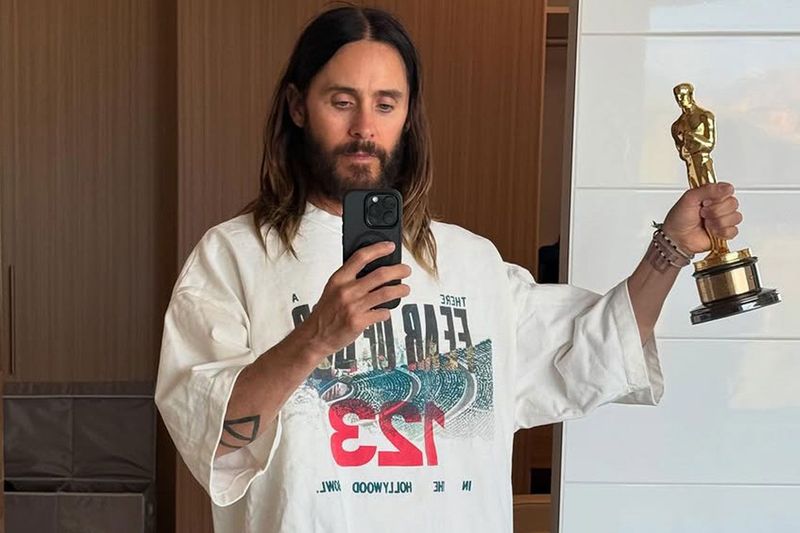
When he shows up, some movie fans brace themselves for a performance that feels less like acting and more like a high-wire experiment.
He’s known for going extremely intense, and while that commitment can be impressive, it can also come off as self-indulgent, especially when the film around him is trying to stay grounded.
Viewers who already dislike his approach often say he pulls focus in a way that makes the whole story feel off-balance, like the camera is quietly begging you to admire the effort.
His polarizing track record doesn’t help, because certain roles have become shorthand for “this didn’t work,” and that reputation follows him into new releases.
For people who want immersion rather than spectacle, his presence can feel like a warning label before the plot even starts moving.
3. Steven Seagal
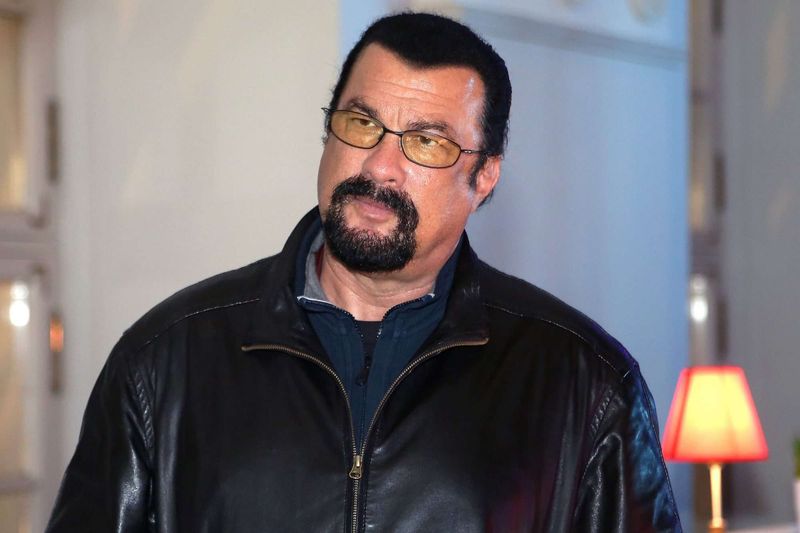
A lot of audiences associate him with a very specific era of action movies, and not in a flattering way.
His later career in particular has developed a reputation for stiff performances, minimal movement, and plots that feel like they were assembled from leftover clichés.
Even if a film around him tries to build tension, viewers who have seen a few of these projects often expect the same monotone delivery and strangely staged fights, which makes it hard to take anything seriously.
The bigger problem is that the vibe can feel less like “action hero” and more like “self-parody,” without the self-awareness that makes parody enjoyable.
Once people get the sense that the movie is coasting on a persona instead of telling a story, their patience tends to disappear quickly.
4. Rob Schneider
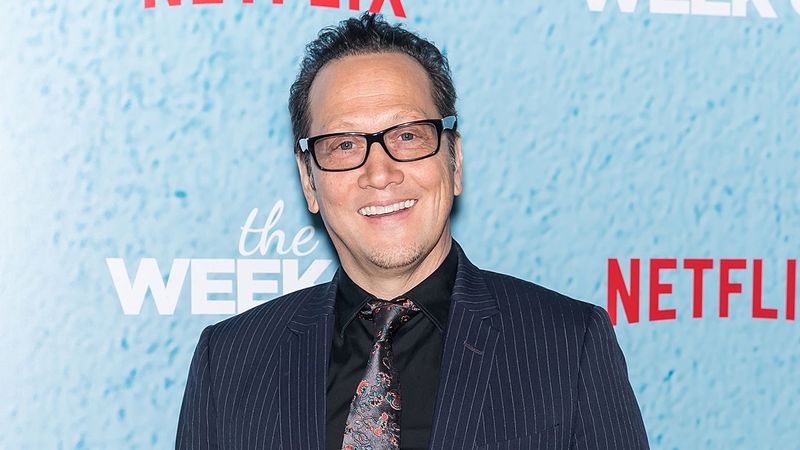
Some actors become lightning rods because their comedic style is so specific that it either works for you or it absolutely doesn’t.
His humor is often broad, loud, and built around exaggerated characters, which can feel like a leftover from a time when comedies tried to win laughs by sheer volume.
For viewers who prefer wit or sharper writing, that approach can make a movie feel childish, even when the premise has potential.
The frustration is amplified by the perception that he frequently plays variations of the same persona, so the moment he appears, people think they already know exactly how the next few minutes will go.
When a film leans heavily on “bits” instead of building real comedic momentum, audiences who aren’t on board can check out fast, sometimes before the storyline even gets going.
5. Pauly Shore
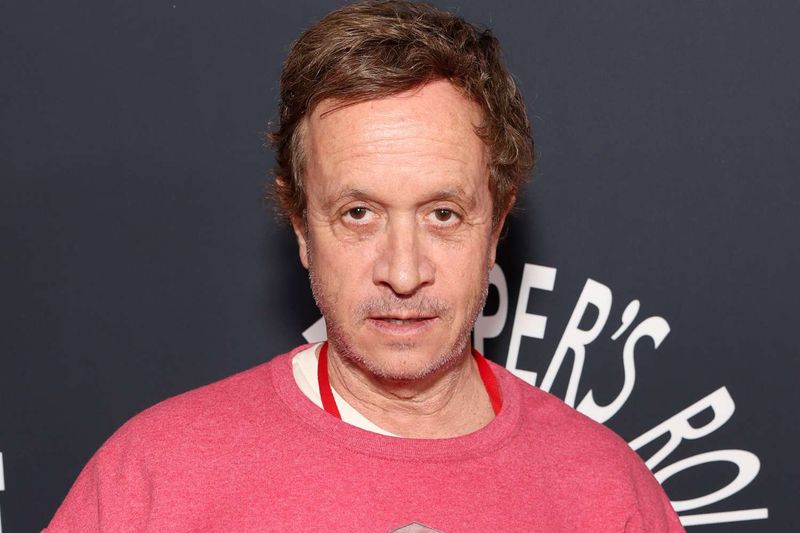
Nostalgia can be a powerful thing, but it doesn’t always translate into rewatchability, and that’s where he tends to divide people.
His signature persona is extremely recognizable, with a vocal style and delivery that can feel like an inside joke you weren’t invited to.
Fans see it as goofy and charming, but critics experience it as grating, especially when it clashes with the tone of a movie trying to be more than a sketch.
Because his on-screen identity is so dominant, it can swallow the character and leave the plot fighting for oxygen.
Even people who don’t actively dislike him sometimes admit they can only handle that energy in small doses.
If you’re not already in the mood for his brand of “wacky,” a cameo can feel like a speed bump that throws the whole film off course.
6. Carrot Top
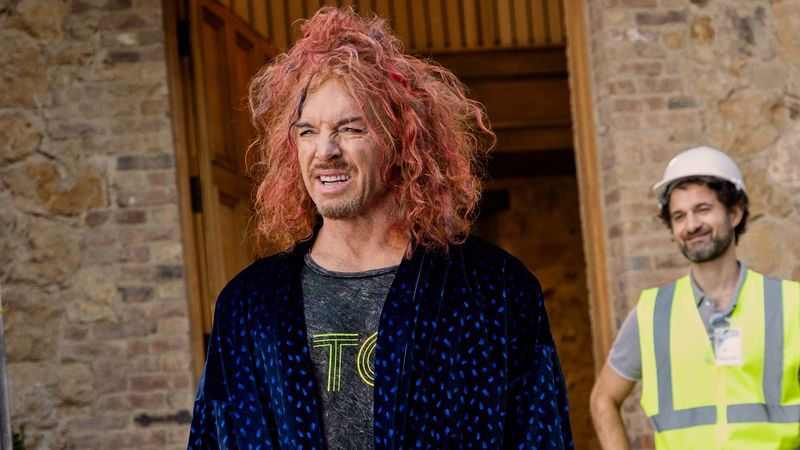
Seeing a stand-up novelty act pop up in a movie can be fun, but it can also feel like the film is daring you to take it seriously.
His image is so tied to a specific kind of prop-comedy fame that audiences often read his casting as a shortcut to cheap laughs rather than a choice that serves the story.
Even when he’s trying to play it straight, the “celebrity as themselves” association can be hard to shake, and viewers end up watching the persona instead of the character.
That disconnect becomes a bigger problem in movies that require emotional investment, because every scene risks turning into a wink at the audience.
For people who want immersion, his presence can instantly reframe the movie as something disposable, like it’s more interested in a gimmick than a plot.
7. Tommy Wiseau
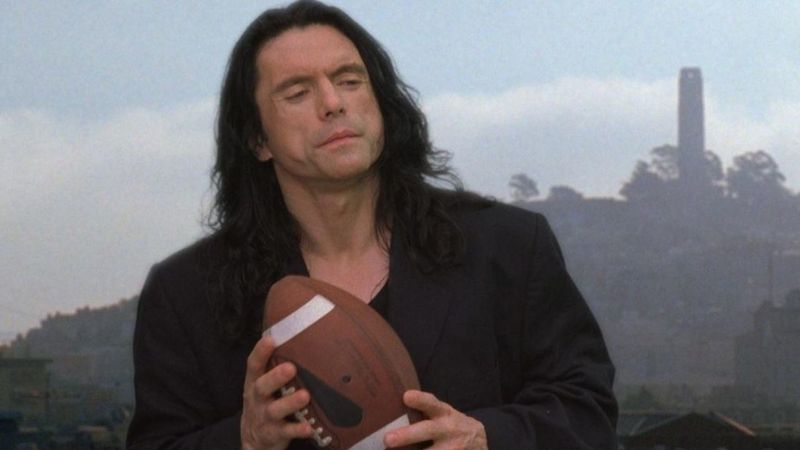
Cult fame is a double-edged sword, and he’s basically the poster child for that phenomenon.
His notoriety is so tied to the idea of “so bad it’s good” that many viewers can’t see him as part of a normal movie experience.
The moment he appears, audiences often expect awkward line readings, odd pacing, and that surreal vibe that makes people laugh for reasons the film didn’t intend.
Even if the project is trying to be sincere, his screen presence can turn everything into an ironic watch party in viewers’ minds.
That might be fun if you’re in the mood for a meme, but it’s brutal if you wanted a story with genuine stakes.
For a lot of people, his name signals that the movie will be more of a curiosity than something you can actually sit down and enjoy.
8. Ruby Rose
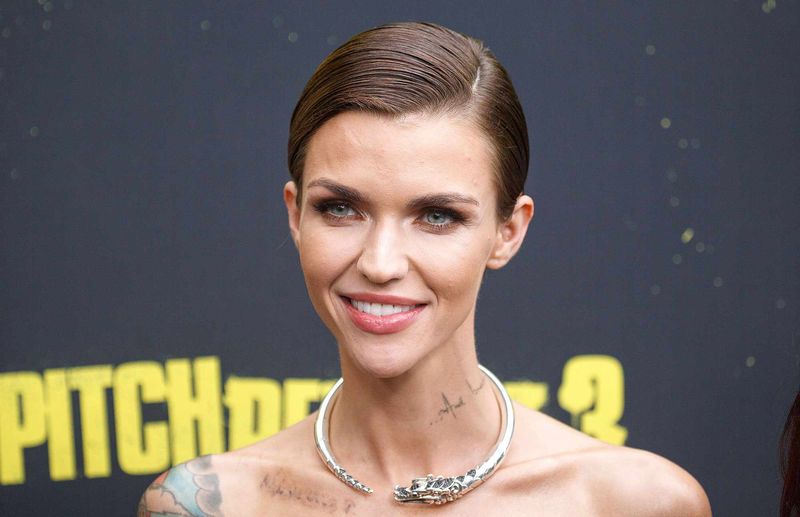
For some audiences, the frustration comes from the sense that her roles rely more on “cool factor” than on giving the character real texture.
She often plays stoic, edgy figures with minimal emotional range, and viewers who dislike that style say it makes scenes feel flat, especially in projects that need warmth or vulnerability.
When a film is already struggling with writing or pacing, a performance that reads as detached can become the easiest target.
The backlash also gets fueled by how quickly she was positioned as a major screen presence, because rapid hype can create unrealistic expectations that are hard to meet.
Fans will point to certain roles where she fits the vibe perfectly, but critics argue that the vibe is often the only thing there.
If you want characters that evolve on screen, her appearances can feel like the movie is stuck in neutral.
9. Scott Eastwood
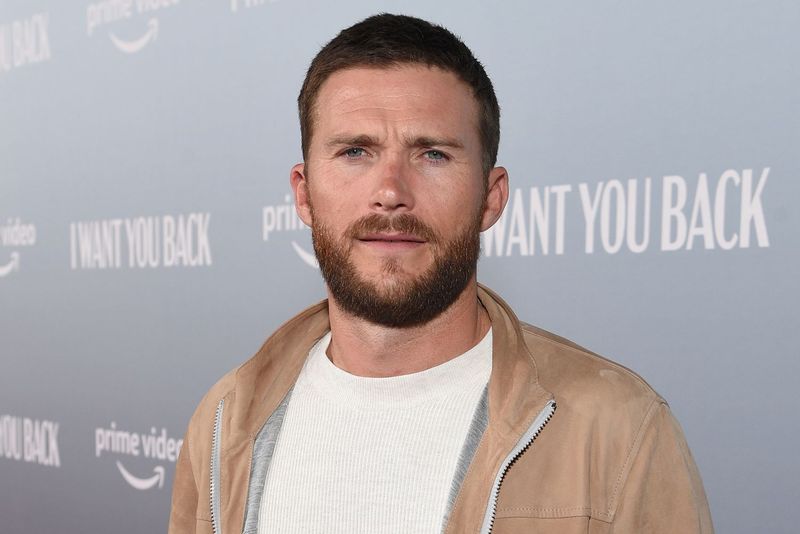
Sometimes an actor becomes “unwatchable” not because they’re offensively bad, but because they feel like a placeholder where a stronger presence should be.
He’s often criticized for coming across as a generic leading-man template, with performances that don’t add much personality beyond the look.
In action or thriller roles, that can be a real problem, because the genre depends on charisma and urgency to keep the audience invested.
Viewers who aren’t convinced by his screen presence say it’s hard to believe the stakes when the protagonist feels emotionally distant.
The comparisons to his famous father don’t help, because people inevitably measure him against a larger-than-life standard he didn’t create.
When audiences sense that casting was driven by pedigree more than a perfect fit for the role, they can get annoyed before the movie even has a chance to prove itself.
10. Gina Carano
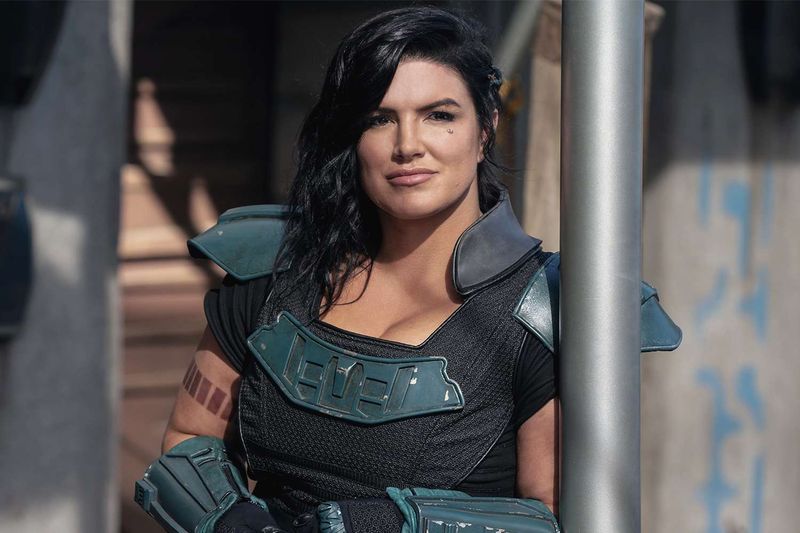
For many viewers, the biggest issue is that her performances can feel more like physical presence than emotional storytelling.
She’s undeniably strong in action sequences, but critics often say the acting between the punches doesn’t always land, which makes it hard to stay invested in the character’s inner life.
In projects that depend on nuance, that can turn scenes into something stiff or oddly hollow, even if the production values are high.
On top of that, public controversy has made her a lightning rod, and for some audiences, it’s impossible to separate the performer from the headlines.
Once that association sets in, a movie can feel like a distraction rather than entertainment, because viewers are thinking about everything outside the film.
When the conversation around an actor becomes bigger than the role they’re playing, it can push people to opt out entirely.
11. Kevin Hart
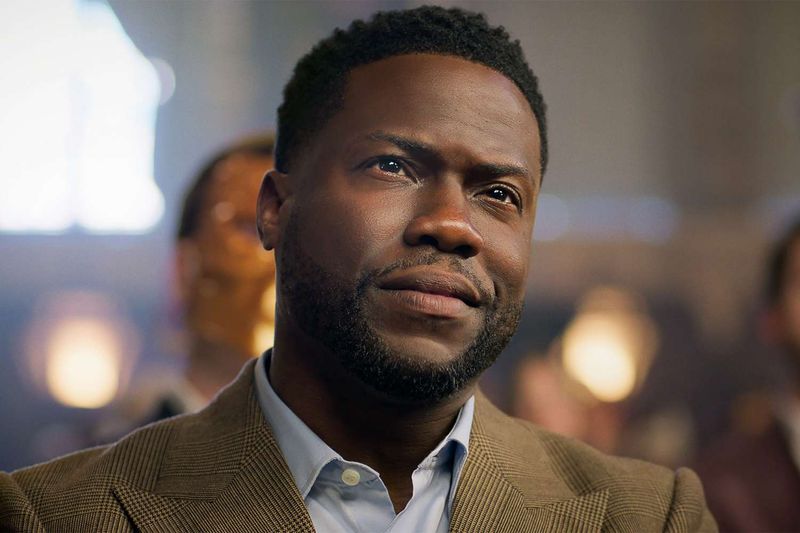
His energy is a feature, not a bug, but not everyone wants that feature in every movie.
He often plays a familiar comedic persona—fast-talking, high-volume, constantly reacting—which can be hilarious in the right setup and exhausting in the wrong one.
Viewers who complain about him usually say the problem isn’t talent, but repetition, because the character can feel like “Kevin Hart” regardless of the script.
That predictability makes it easy for people to decide they’ve already seen the movie before it starts, even if the premise is new.
The overexposure factor is real, too, because he appears in so many projects that audiences can get fatigued by the brand.
When a film needs a quieter kind of humor or a more grounded emotional beat, his default mode can clash with the tone and pull people out of the story.
12. Dwayne “The Rock” Johnson
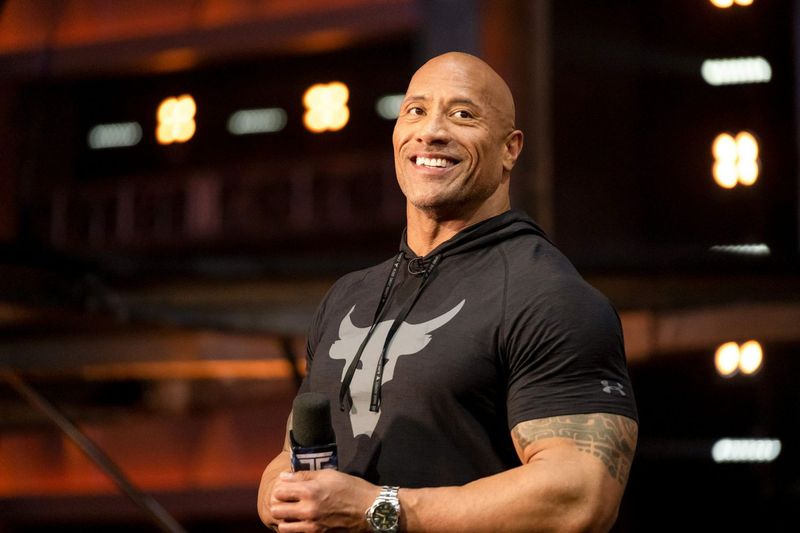
A lot of moviegoers enjoy his charm, but critics argue that his on-screen persona has become so consistent it’s basically a contract with the audience.
He often plays an unshakeable, hyper-competent hero with a wink, and while that’s comforting in popcorn entertainment, it can also make every project feel interchangeable.
When viewers start predicting the emotional arc, the jokes, and even the “tough guy learns to care” beats, the suspense disappears.
Some audiences also feel that movies bend around him, as if the story exists to protect the brand rather than challenge the character.
That can create a weird lack of stakes, because you never believe he can truly lose.
If you like actors who disappear into roles, seeing him can feel like watching a franchise mascot show up instead of a real person in a real plot.
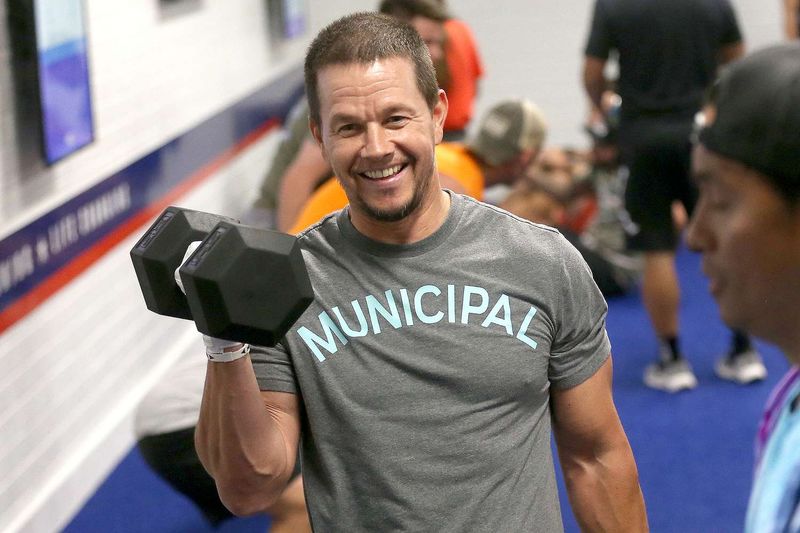
13. Mark Wahlberg
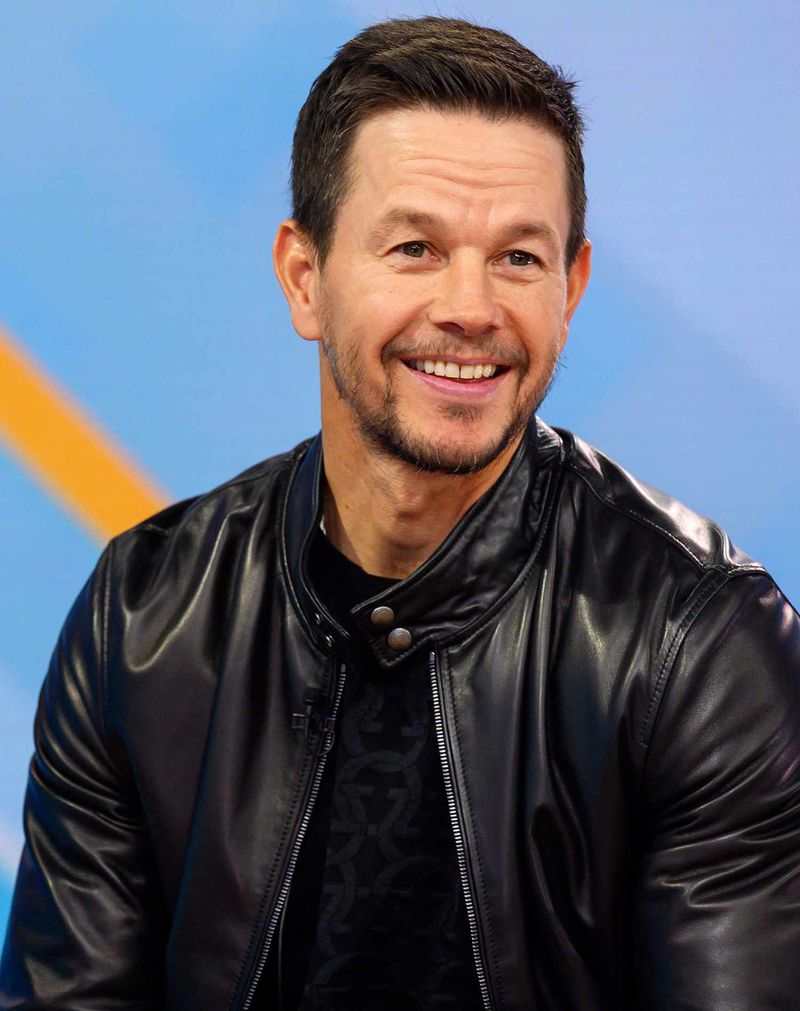
The most common complaint isn’t that he can’t act, but that his performances often carry the same blunt, slightly aggrieved vibe no matter what genre he’s in.
Viewers who dislike him say he has a way of flattening a character into a familiar rhythm—tough guy, confused guy, intense guy—without adding much surprising emotional shading.
In some movies, that straightforwardness works, but in others it can make dramatic moments feel unintentionally funny, especially when the script asks for vulnerability and the delivery stays rigid.
His long career also includes enough uneven projects that audiences sometimes assume the worst when they see his name attached.
Add in the fact that he’s frequently cast as an everyman hero, and critics argue it’s harder and harder to buy the illusion.
When the actor’s presence feels louder than the character, immersion is the first thing to go.
14. Tyler Perry
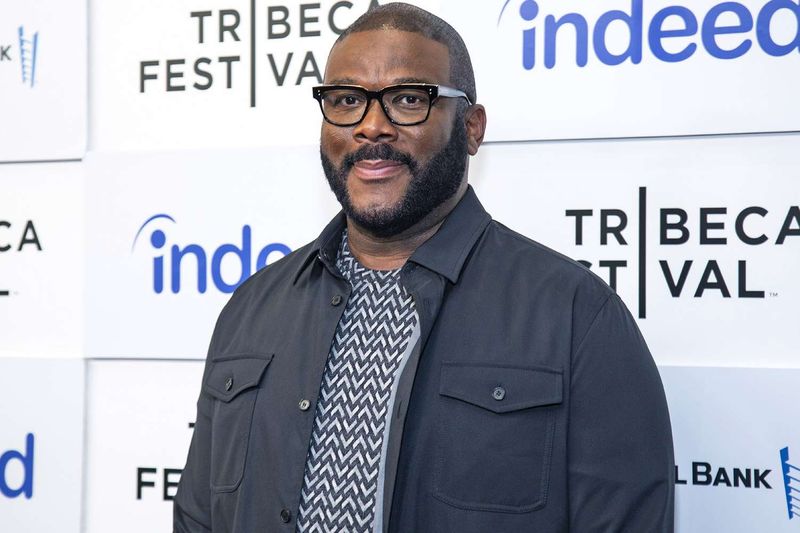
As a filmmaker and entertainer, he has a loyal audience, but he also triggers a very specific kind of skepticism.
Some viewers feel his acting roles come with a built-in “Tyler Perry-ness” that can override the tone of a movie, especially when the project isn’t one of his own.
Even when he’s playing a serious part, audiences who aren’t fans sometimes see the celebrity brand first, which makes it harder to settle into the story.
He’s also associated with a style of melodrama that can feel heavy-handed to people who prefer subtle characterization, so the moment he appears, they expect big speeches, broad emotions, and very clear moral messaging.
None of that is automatically bad, but it’s very specific, and it doesn’t fit every genre.
If your taste leans toward quiet realism, his presence can feel like a signal that you’re about to watch a different kind of movie than you wanted.
15. Melissa McCarthy
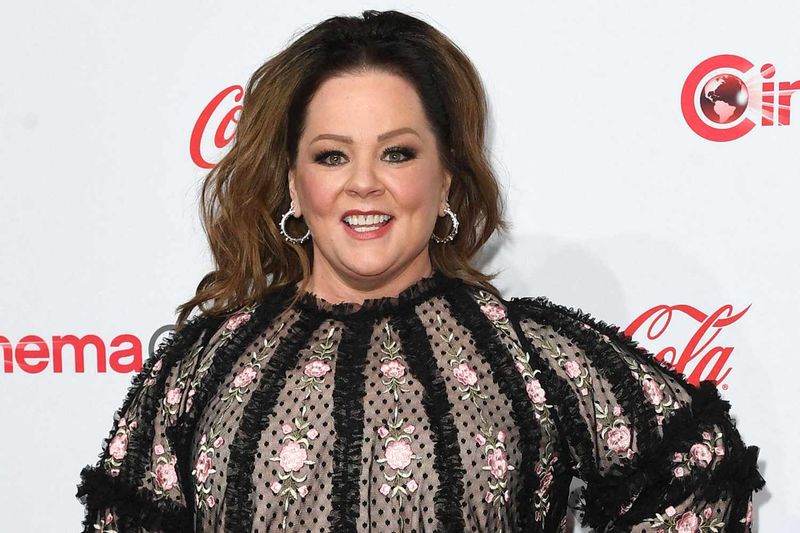
She’s proven she can be genuinely great, which is why the backlash often focuses less on her ability and more on how Hollywood uses her.
Many viewers complain that too many of her comedies lean on the same toolbox—big physical bits, chaotic improvisation, and characters written as exaggerated hurricanes of personality.
When the script is sharp, that energy can be fantastic, but when the writing is lazy, it can feel like the movie is trying to substitute volume for jokes.
Some audiences also get tired of seeing a performer boxed into a narrow “type,” because it starts to feel like you’re watching the same role with a different name tag.
The frustration grows when a film clearly expects her presence to do the heavy lifting without building a story strong enough to support it.
If you prefer comedies with lighter touch and more variety, her casting can look like a warning that the humor will be more exhausting than fun.
16. Adam Sandler
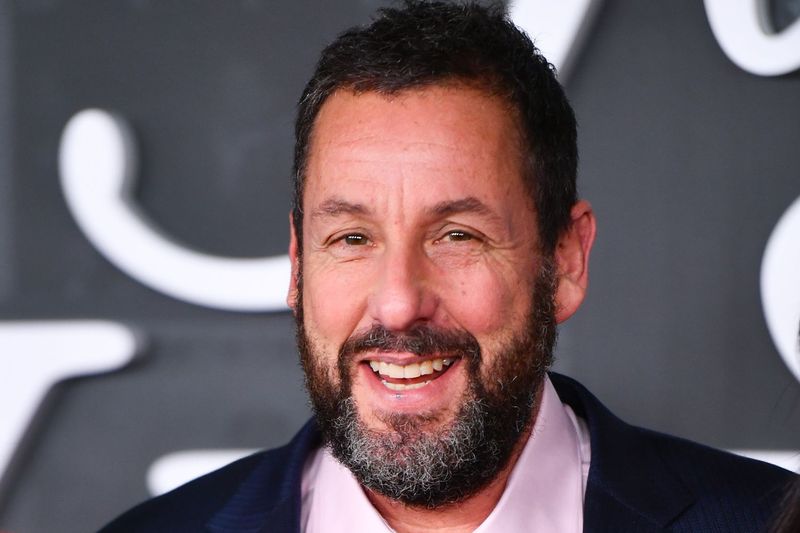
For a lot of people, his name is a coin flip that determines whether movie night becomes a comfort watch or an instant skip.
The divide usually comes from the perception that he alternates between genuinely strong performances and projects that feel like an inside joke he made with his friends.
Fans love the silly, loose vibe, but critics argue that the low-effort comedies can feel like the same recycled formula, with familiar voices, familiar faces, and humor that leans juvenile.
Once audiences get burned a few times, they start assuming the next movie will be another “phoning it in” situation, even if it isn’t.
At the same time, his dramatic work shows how good he can be, which makes the weaker films even more frustrating.
If you want consistency more than surprises, seeing his name in the cast list can feel like rolling the dice with your evening.
17. Awkwafina

Her voice and comedic rhythm are so distinctive that, for some viewers, they become the only thing they can focus on.
Fans find her delivery fresh and funny, but critics say her performances can feel like the same persona dropped into wildly different worlds, which can break immersion in fantasy, animation, or period stories.
When an actor’s “brand” is instantly recognizable, it can be harder to believe the character is real, and that’s the common complaint here.
Some audiences also feel she’s been everywhere in a short span of time, which creates overexposure fatigue even if you like her in small doses.
The pushback tends to spike when her casting feels like a studio default choice rather than the perfect fit for the role.
If you’re sensitive to repetition, her presence can flip a movie from “curious” to “hard pass” in seconds.
Comments
Loading…