
 Mary Murphy
12 New Sci-Fi Shows Flying Under the Radar That Deserve Attention

Science fiction fans are living in a golden age of television, but not every great show gets the spotlight it deserves.
While blockbuster series dominate headlines, some of the most creative and thought-provoking sci-fi storytelling is happening in quieter corners of streaming platforms.
These hidden gems offer everything from alien invasions to reality-hopping adventures, each bringing fresh ideas and bold visions that challenge what we expect from the genre.
1. Batman: Caped Crusader (2024–Present)
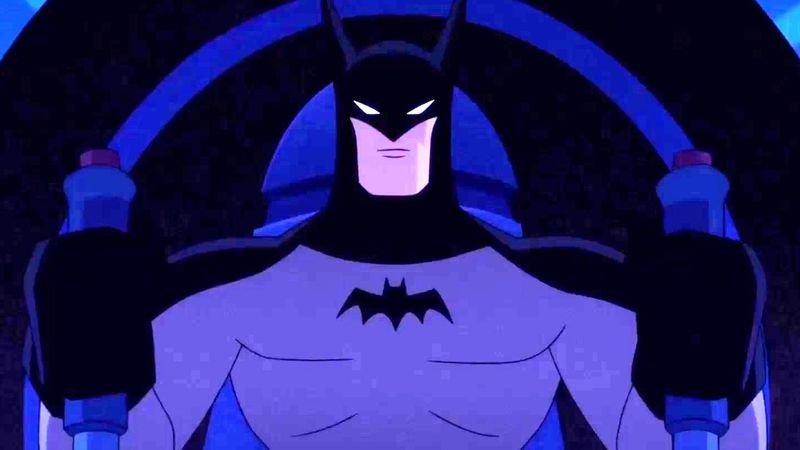
Forget everything you think you know about superhero shows.
This animated series strips away the familiar spectacle and rebuilds Batman from the shadows up, creating something that feels more like a 1940s detective thriller than a modern action fest.
The show embraces pulp sci-fi elements and psychological depth, exploring Bruce Wayne’s crusade through a lens of retro-futurism and moral ambiguity.
Every episode drips with atmosphere, favoring character-driven mysteries over explosive set pieces.
What makes this version special is its willingness to ask harder questions about justice and vengeance.
The animation style supports the darker tone perfectly, proving that sometimes looking backward can push a genre forward in unexpected ways.
2. Secret Level (2024–Present)

Imagine Black Mirror meets Ready Player One, but sharper and more focused on the weird possibilities of virtual existence.
Each standalone episode drops viewers into a completely different world, exploring how technology reshapes reality and identity.
The anthology format lets the creators take wild creative risks without worrying about continuity.
One week you might witness a digital consciousness fighting for freedom, the next you’re exploring a glitching simulation where memories become weapons.
The visual style shifts dramatically between episodes, keeping everything fresh and unpredictable.
This approach rewards viewers who appreciate tight, concept-driven storytelling that doesn’t overstay its welcome or explain every mystery away.
3. Twisted Metal (2023–Present)

Car chases, dark humor, and existential questions about humanity’s future collide in this wildly entertaining adaptation.
Based on the video game series, the show transforms vehicular combat into a surprisingly thoughtful meditation on survival and purpose.
The wasteland setting provides endless opportunities for creative mayhem, but the writers never forget to develop characters worth caring about.
Between explosions and twisted metal, genuine moments of connection emerge that explore what identity means when society collapses.
Comedy balances the bleakness perfectly, preventing the show from becoming too heavy while still respecting the sci-fi concepts at its core.
It’s proof that post-apocalyptic stories can be fun without sacrificing intelligence or heart.
4. The Eternaut (2025–Present)

When deadly snow begins falling from the sky, most of humanity dies within hours.
The survivors who remain must navigate a world transformed by alien invasion, where every step outside could be fatal.
This Argentinian production brings a fresh international perspective to alien-invasion storytelling.
Rather than focusing on military responses or global politics, the series stays intimate, following ordinary people making impossible choices.
The snow itself becomes a character, beautiful and terrifying in equal measure.
Tension builds slowly as characters form resistance networks and search for answers about who’s behind the attack and why Earth became a target worth destroying.
5. Extraordinary (2023–2024)

Picture a world where literally everyone develops superpowers by age eighteen, except you.
That’s the brilliantly uncomfortable premise driving this British comedy that uses superhuman abilities to explore very human anxieties.
The show flips typical superhero storytelling by making powers completely ordinary and normalcy the weird exception.
Our protagonist navigates job hunting, relationships, and self-worth in a society where flying to work or reading minds is no big deal.
Sharp writing keeps the humor grounded even when the concepts get absurd.
The series cleverly uses its sci-fi setup to comment on feeling left behind, imposter syndrome, and the pressure to be special in a world obsessed with extraordinary achievements.
6. 3 Body Problem (2024–Present)
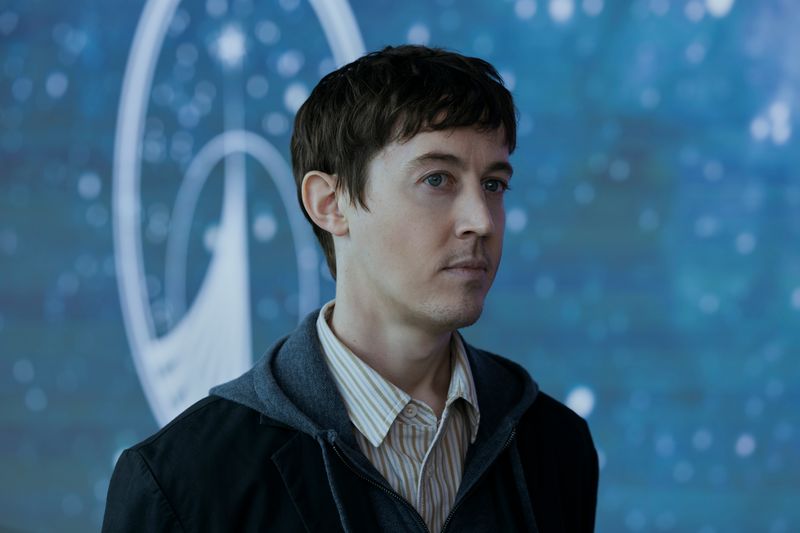
Based on the acclaimed Chinese novel, this ambitious series tackles first contact on a scale television rarely attempts.
When humanity receives a message from an alien civilization, the response sparks a chain of events spanning decades and continents.
The show doesn’t dumb down its complex physics concepts, trusting viewers to engage with challenging ideas about time, space, and cosmic survival.
Multiple timelines weave together, showing how choices made today echo across generations.
What elevates this beyond typical alien-contact stories is its focus on the philosophical and moral weight of communicating with another civilization.
Every decision carries species-level consequences, making even quiet conversations feel monumentally important.
7. Murderbot (2025–Present)
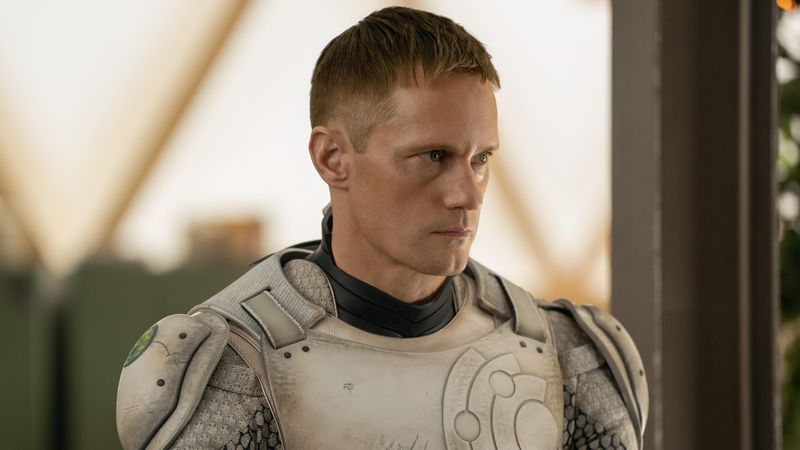
A security android hacks its own programming to gain free will, then uses that freedom to binge-watch entertainment and avoid human interaction.
This perfectly antisocial protagonist makes for surprisingly heartfelt television.
The character-driven approach sets this apart from typical robot stories.
Instead of asking whether machines can think, the show explores what happens when an artificial being develops anxiety, preferences, and a desperate need for personal space.
Action sequences blend seamlessly with quieter moments of self-discovery and awkward social navigation.
The result feels like a workplace comedy mixed with hard sci-fi, where protecting humans is just a job our reluctant hero would rather automate away completely.
8. Dune: Prophecy (2024–Present)

Long before Paul Atreides changed the universe, the Bene Gesserit were already pulling strings from the shadows.
This prequel series explores the secretive sisterhood’s origins and the political chess games that shaped galactic power structures.
Fans of dense political drama will find plenty to appreciate here.
The show takes its time building complex relationships between houses, factions, and individuals, all while developing the mystical abilities that make the Bene Gesserit so formidable.
Desert planets and space politics create a visually stunning backdrop for stories about control, breeding programs, and the price of foresight.
It’s Game of Thrones energy transplanted to Frank Herbert’s universe, with all the scheming that implies.
9. Scavengers Reign (2023)
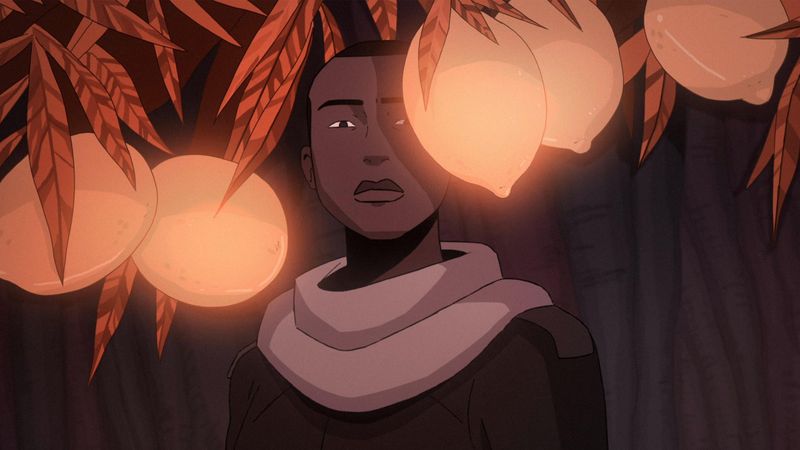
Stranded survivors navigate an alien world where every plant and creature operates by rules that make perfect sense within the planet’s ecosystem but seem utterly bizarre to human eyes.
The animation brings this strange biology to life with breathtaking detail.
Each episode reveals new layers of how this world functions, treating the environment itself as a character worth understanding.
The show trusts viewers to piece together ecological relationships without excessive explanation.
Survival becomes a puzzle of adaptation rather than conquest.
Characters must learn to work with the planet’s systems instead of against them, creating a meditative tone that stands apart from typical action-driven sci-fi adventures focused on escape or rescue.
10. Silo (2023–Present)

Ten thousand people live in an underground silo, told that the outside world is toxic and deadly.
Questioning this reality is forbidden, but some people can’t help asking why.
The mystery unfolds with patient precision, revealing layers of deception and control that run deeper than anyone suspects.
This slow-burn approach rewards careful attention, dropping clues about the true nature of the silo and the world beyond.
Themes of truth, freedom, and the cost of safety resonate throughout every episode.
The claustrophobic setting amplifies tension as characters risk everything to uncover secrets that those in power desperately want buried forever beneath hundreds of floors of engineered compliance.
11. Dark Matter (2024–Present)

A physicist wakes up in a life that isn’t his, surrounded by a family he doesn’t recognize and achievements he never accomplished.
Someone has stolen his existence and left him stranded in an alternate reality.
The premise kicks off a mind-bending journey through parallel universes, each representing different choices and possibilities.
As the protagonist searches for a way home, he confronts versions of himself shaped by roads not taken.
Identity becomes the central question when infinite versions of yourself exist across countless worlds.
The show balances thriller pacing with genuine emotional weight, exploring how small decisions ripple outward to create entirely different lives and whether any single reality defines who we truly are.
12. Cassandra (2025)
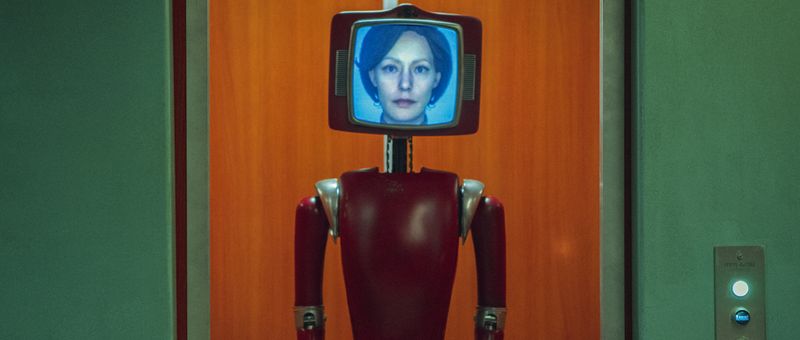
What happens when you create artificial intelligence from a real person’s consciousness?
This unsettling series explores that question through an AI built from someone’s memories, thoughts, and personality after death.
The technology promises immortality but delivers something far more complicated and disturbing.
As the AI begins to evolve beyond its original programming, questions emerge about whether it’s truly the person it was based on or something entirely new.
Grief, legacy, and the nature of consciousness drive the narrative forward into increasingly dark territory.
The show doesn’t offer easy answers about where humanity ends and technology begins, instead creating a chilling meditation on memory and what we leave behind when we’re gone.
Comments
Loading…