
 Hailey Watson
14 of the Greatest Cult Classic Films Ever Made
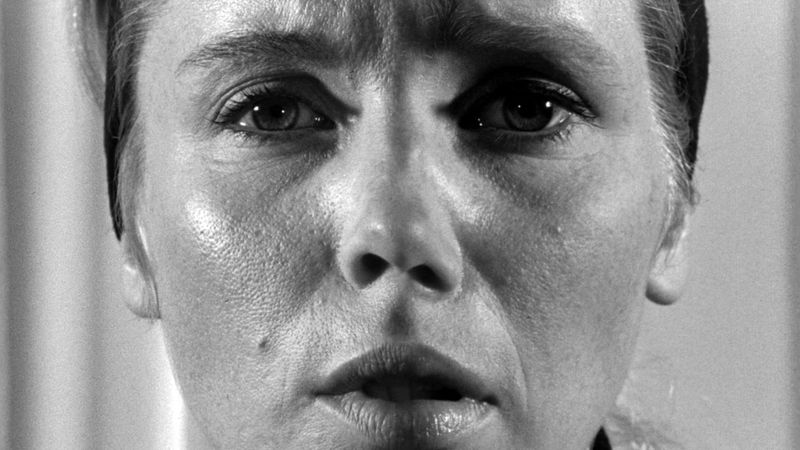
Some movies don’t become hits right away, but they find their audience over time and become beloved favorites. Cult classic films are special because they connect with people in unique ways, often breaking the rules of traditional cinema.
These movies might have flopped at the box office or confused critics at first, but they went on to inspire devoted fans who quote lines, host viewing parties, and keep the films alive for new generations. Here are fourteen unforgettable cult classics that prove sometimes the best films are the ones that dare to be different.
1. The Big Lebowski (1998)
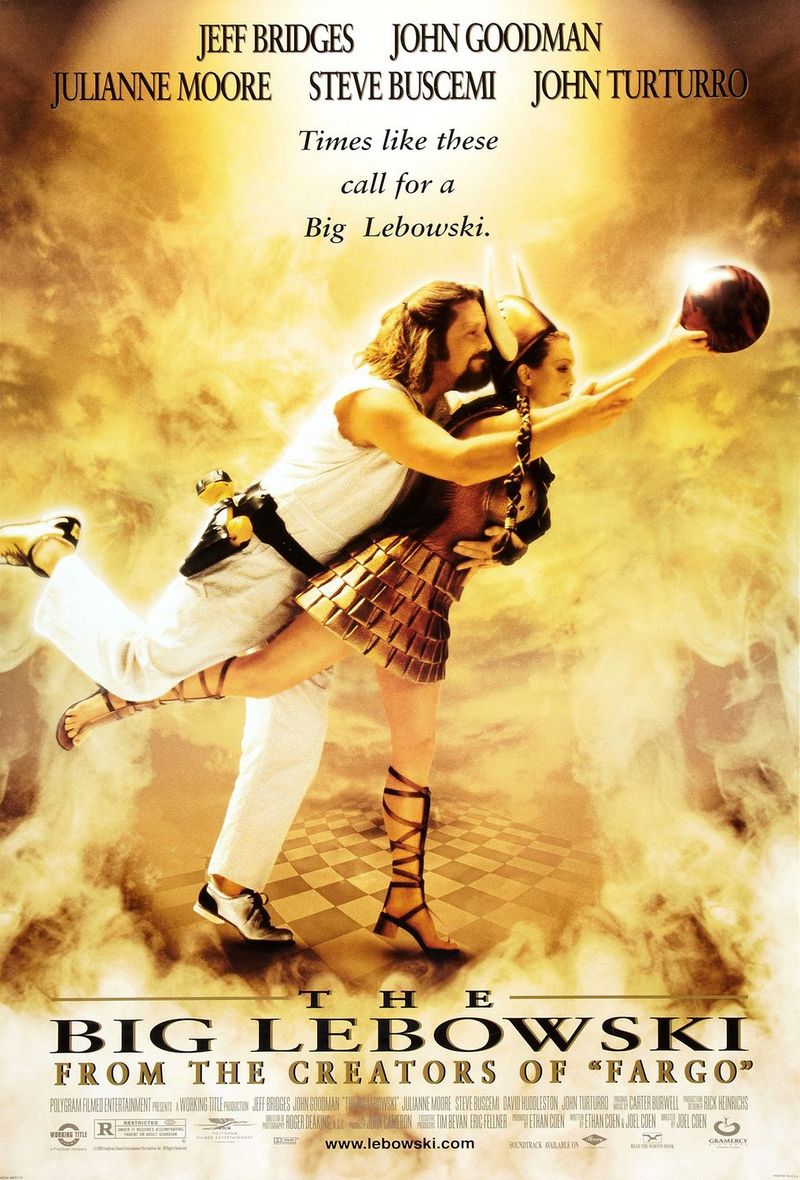
Jeff Bridges stars as “The Dude,” a laid-back bowler who gets caught up in a kidnapping scheme after being mistaken for a millionaire with the same name.
The Coen Brothers created a wonderfully weird world filled with unforgettable characters, from John Goodman’s angry Vietnam vet to Steve Buscemi’s timid sidekick.
What makes this film special is its quotable dialogue and relaxed attitude toward storytelling.
Fans gather annually for “Lebowski Fest” to celebrate the movie, dress like their favorite characters, and bowl together.
The film teaches us that sometimes going with the flow is the best way to handle life’s absurdities, even when things get complicated and confusing.
2. Fight Club (1999)
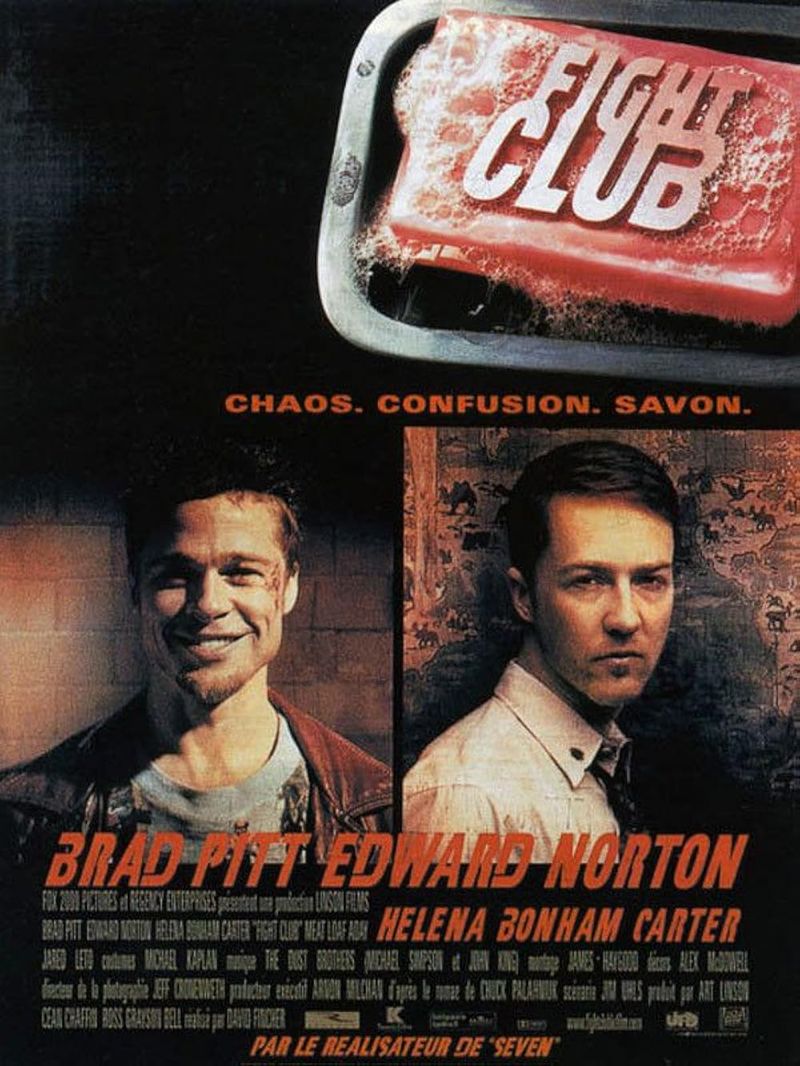
In this dark thriller, Edward Norton portrays an insomniac office worker who, alongside the enigmatic Tyler Durden (Brad Pitt), creates a secret fight club.
David Fincher delivers a twisted story that confronts ideas of male identity, materialism, and self-destruction, shocking viewers with its intense imagery and plot twists.
Initially, critics were divided and the film underperformed at theaters.
However, it found massive success on DVD and became a cultural phenomenon among young men questioning societal expectations.
The movie’s famous twist ending and anti-establishment message resonated deeply with viewers feeling trapped by modern life, making it one of the most discussed films of its generation.
3. Pulp Fiction (1994)
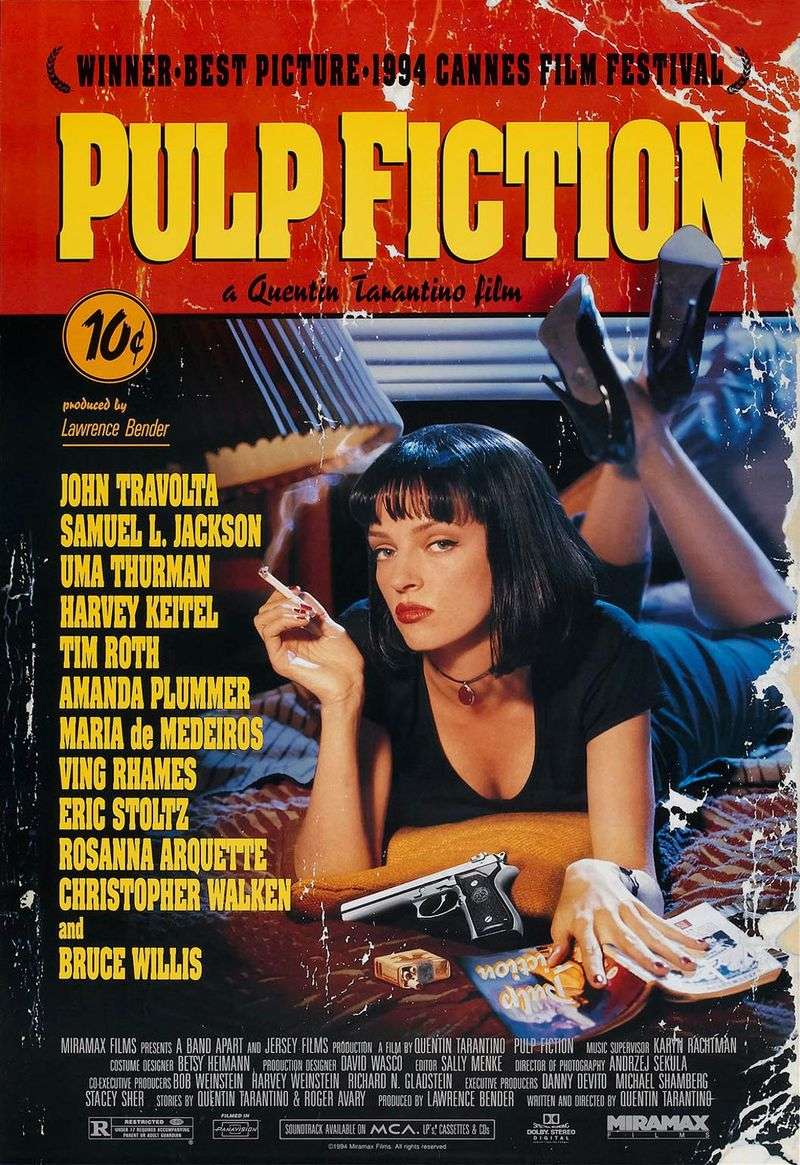
Quentin Tarantino revolutionized cinema with this non-linear crime story featuring hitmen, boxers, and gangsters in Los Angeles.
John Travolta and Samuel L. Jackson deliver iconic performances as philosophical assassins who discuss everything from burgers to divine intervention between jobs.
The film’s jumbled timeline confused some viewers but thrilled others who loved piecing together the puzzle.
Uma Thurman’s twist contest scene and the unforgettable soundtrack brought 1960s surf rock back into style.
Tarantino’s sharp dialogue and willingness to mix comedy with violence created a new template for independent filmmaking that influenced countless directors who followed.
4. Eraserhead (1977)
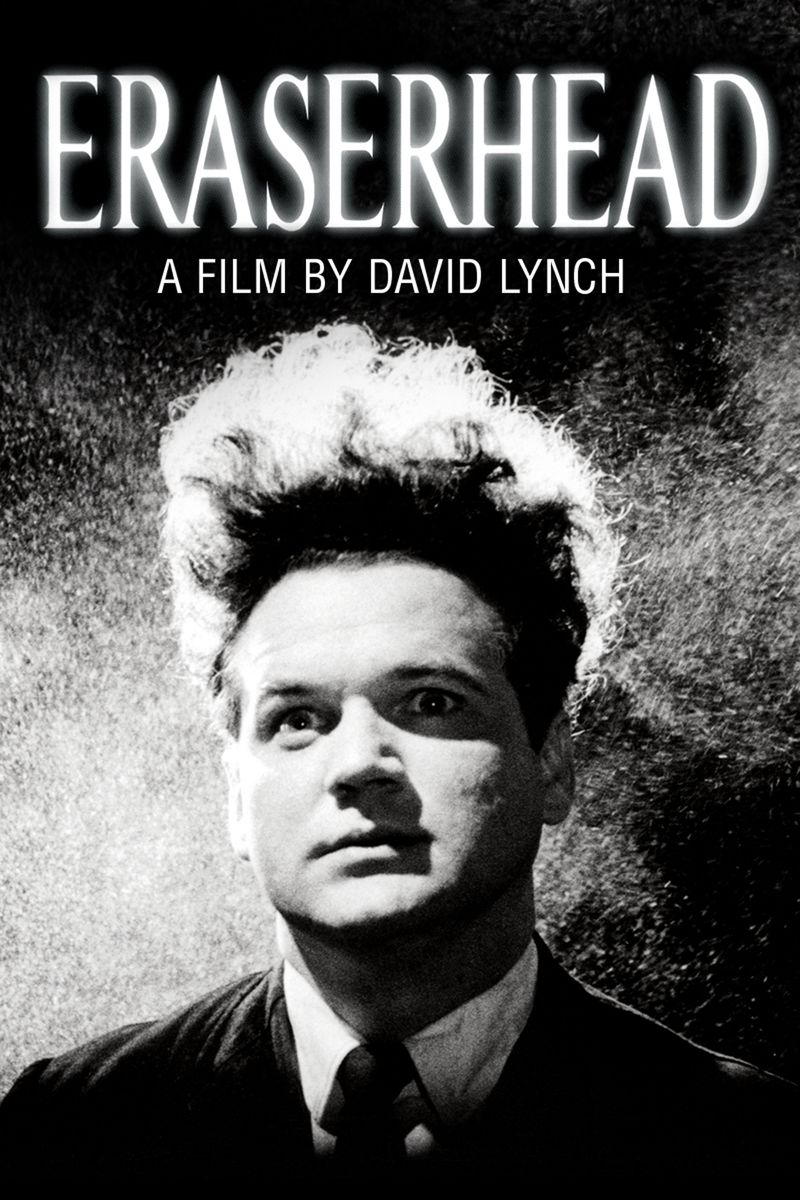
In his debut, David Lynch crafts a haunting journey through bleak industrial landscapes and unsettling domestic life.
Shot in grainy black and white, the story follows Henry Spencer coping with a mutant child in a decaying, oppressive urban environment.
Lynch spent five years making this experimental film, often working alone with minimal budget and crew.
The haunting sound design and disturbing imagery create an atmosphere of constant dread that sticks with viewers long after watching.
Though it initially played only at midnight screenings, the film became essential viewing for anyone interested in surrealist cinema and established Lynch as a master of the bizarre and unsettling.
5. Taxi Driver (1976)
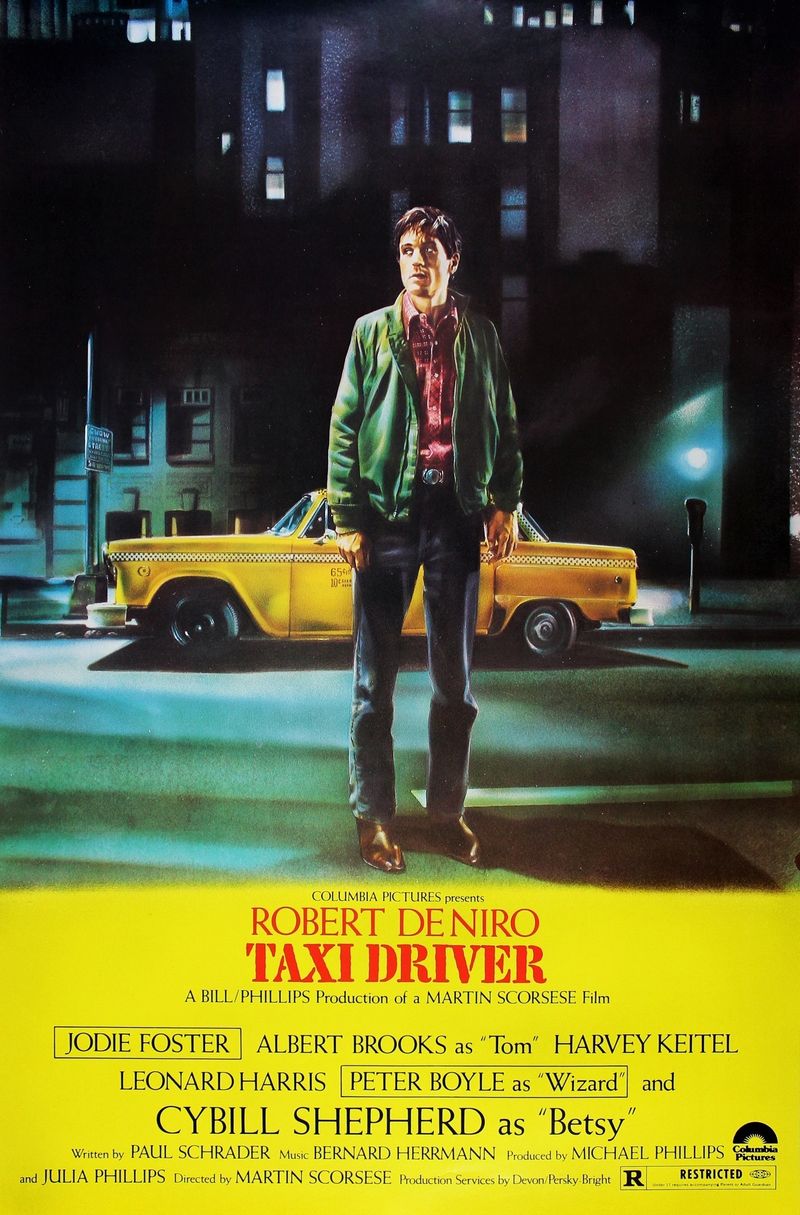
Robert De Niro delivers a chilling performance as Travis Bickle, a lonely Vietnam veteran driving a cab through New York’s seedy nighttime streets.
Martin Scorsese directed this psychological portrait of urban alienation and mental breakdown that features one of cinema’s most famous scenes: “You talkin’ to me?”
The film captures 1970s New York in all its gritty, dangerous glory, showing a city struggling with crime and decay.
Jodie Foster plays a young prostitute Travis tries to rescue, leading to a violent climax that sparked controversy about movie violence.
Despite initial mixed reactions, the film became recognized as a masterpiece exploring loneliness, violence, and the American psyche.
6. Stalker (1979)
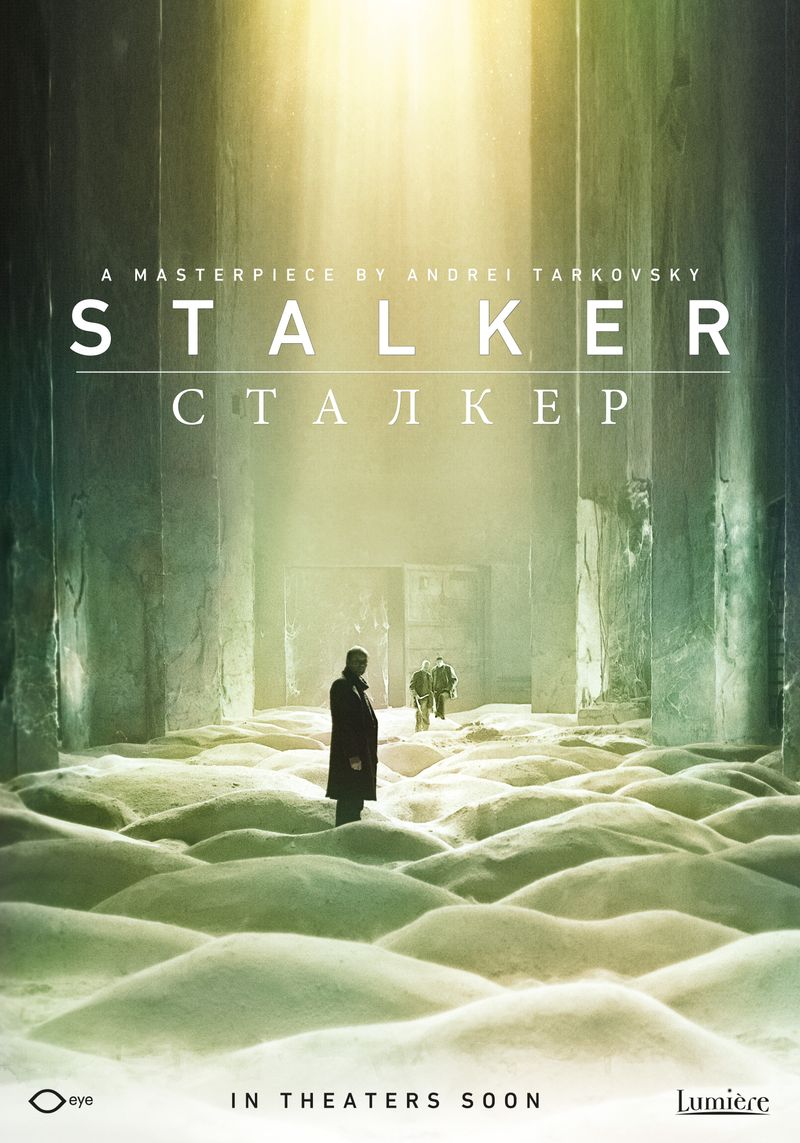
Russian director Andrei Tarkovsky created this meditative science fiction film about a guide who leads two men into a mysterious forbidden area called “The Zone.”
Unlike typical sci-fi action, this film moves slowly and thoughtfully, asking deep questions about desire, faith, and human nature.
Shot in muted colors with long, unbroken takes, the movie challenges viewers to think rather than simply watch.
The Zone supposedly grants wishes, but getting there requires facing your deepest fears and doubts.
Tarkovsky’s philosophical approach influenced filmmakers worldwide who saw that science fiction could explore ideas beyond spaceships and aliens, proving that patience and contemplation have their place in cinema.
7. Possession (1981)
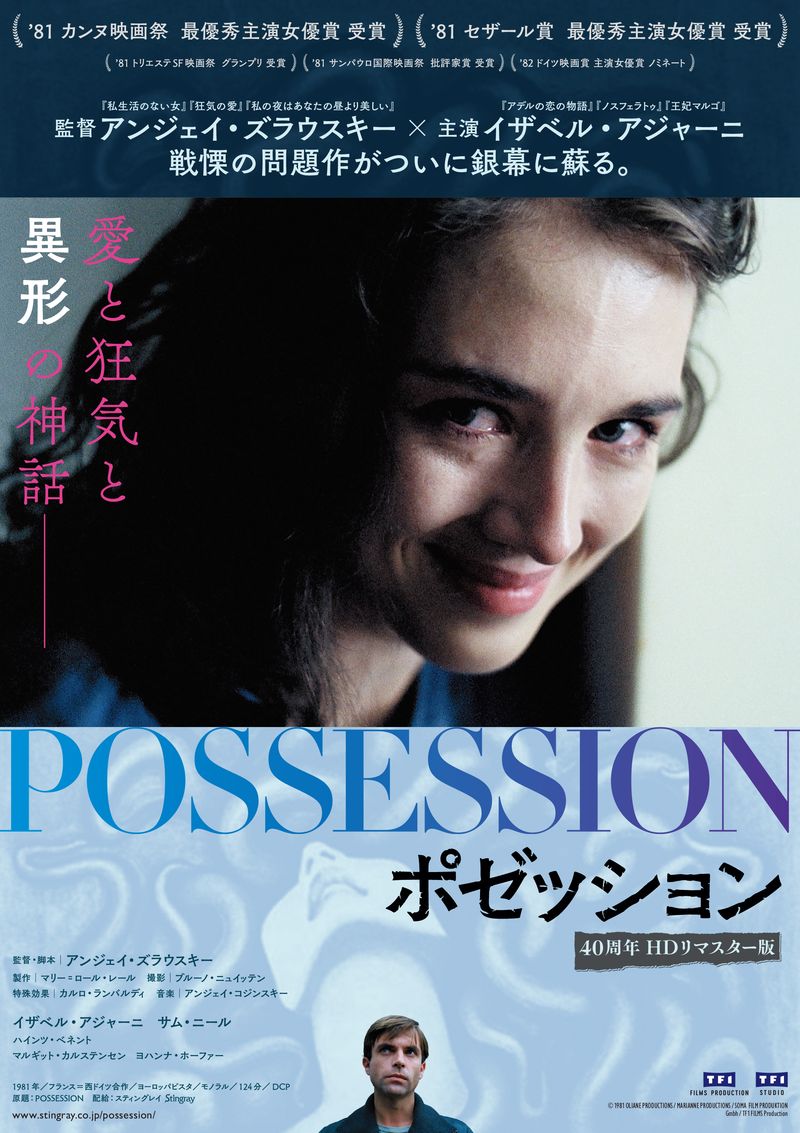
Giving a ferociously intense performance, Isabelle Adjani portrays a woman whose marriage dissolves in horrifying ways.
Set in Cold War Berlin, this Polish-French production intertwines domestic tragedy with elements of body horror, creating an experience that is truly unhinged.
Director Andrzej Żuławski created something that resists easy categorization, blending relationship breakdown with supernatural terror.
Adjani’s famous subway scene, where she suffers a complete breakdown, is both horrifying and mesmerizing to watch.
The film was initially banned in several countries and heavily cut in others, but it found appreciation among horror fans who valued its emotional intensity and willingness to go to extreme psychological places.
8. Buffalo ’66 (1998)
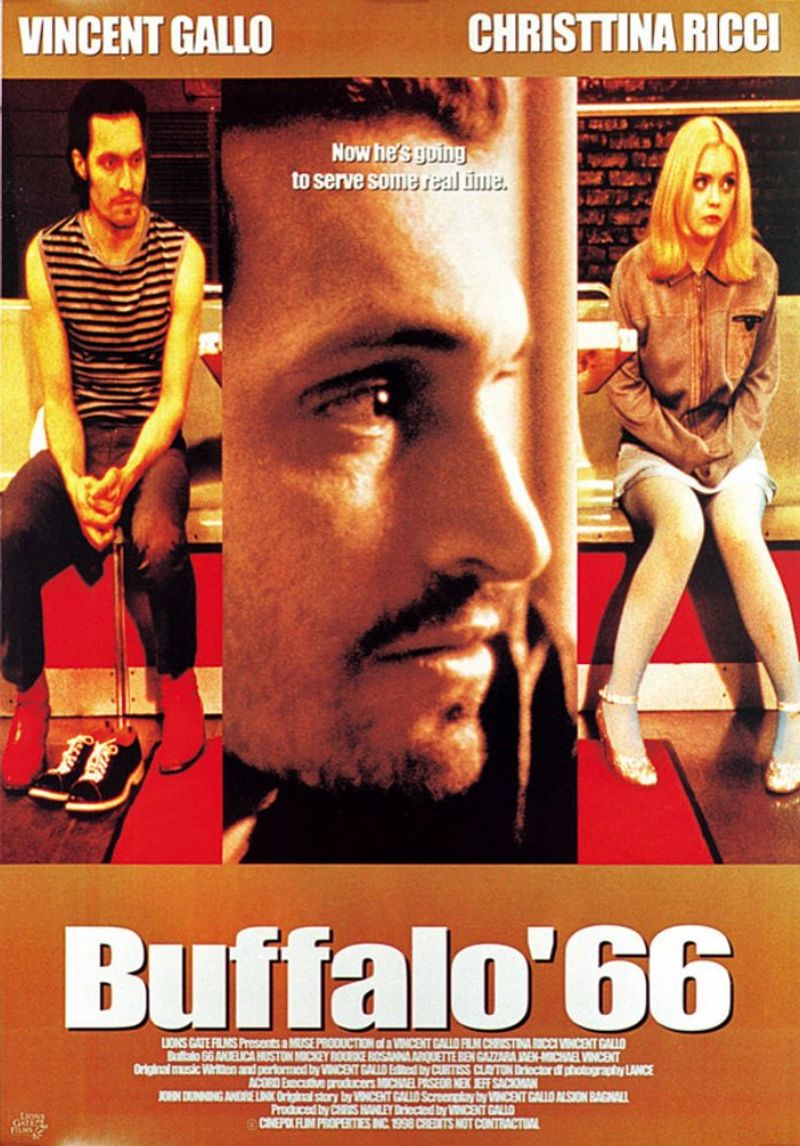
Vincent Gallo wrote, directed, and starred in this quirky story about Billy Brown, an ex-convict who kidnaps a young tap dancer to pretend to be his wife.
Christina Ricci plays Layla with sweetness and patience as Billy drags her to meet his dysfunctional family in snowy Buffalo, New York.
The film’s offbeat humor and unconventional romance charmed audiences looking for something different from typical love stories.
Gallo’s visual style uses creative camera angles and color filters to express Billy’s emotional state throughout his journey.
Though it barely played in theaters, the movie developed devoted fans who connected with its portrayal of damaged people finding unexpected connection and redemption.
9. Alphaville (1965)
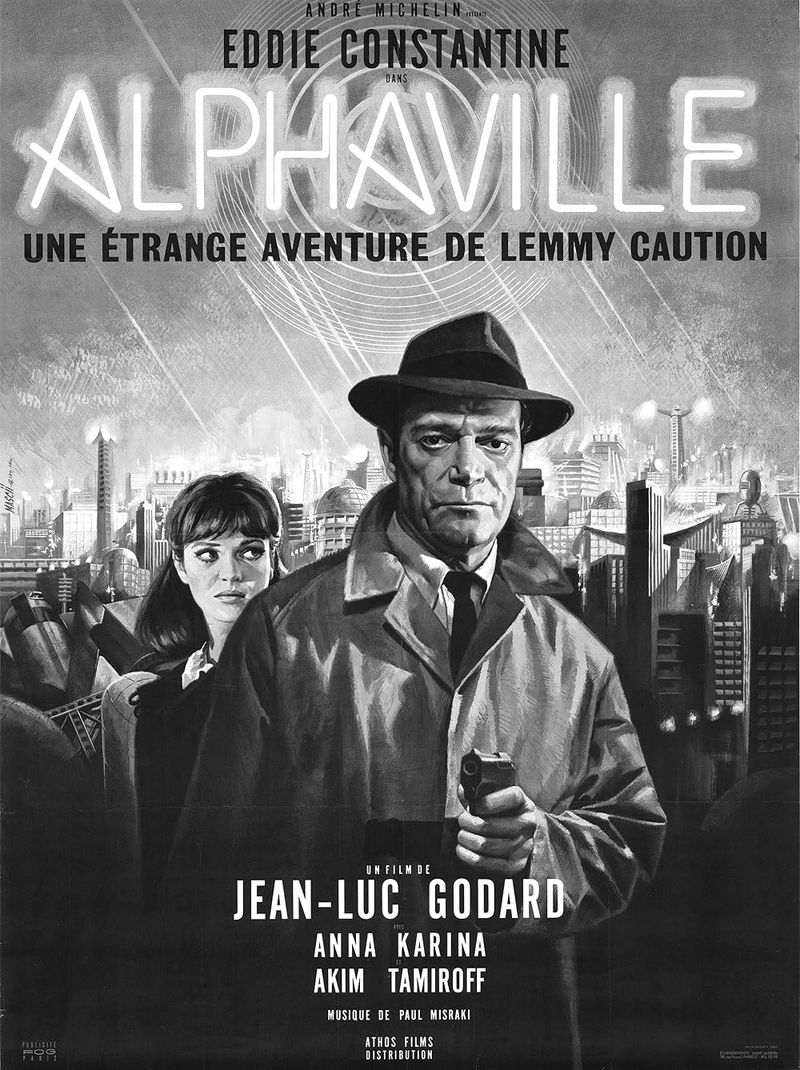
Without building a single set, Jean-Luc Godard used the nocturnal streets of Paris to craft a futuristic, alien dystopia.
Eddie Constantine stars as Lemmy Caution, a detective investigating a city where a supercomputer has forbidden emotion and creativity.
Shot in stark black and white, the film combines film noir with philosophical science fiction in unexpected ways.
Godard used real 1960s architecture and neon signs to suggest a cold, technological future already present in modern society.
The movie asks whether logic and efficiency can replace human feeling, making it relevant decades later as we continue debating technology’s role in our lives and relationships.
10. Persona (1966)
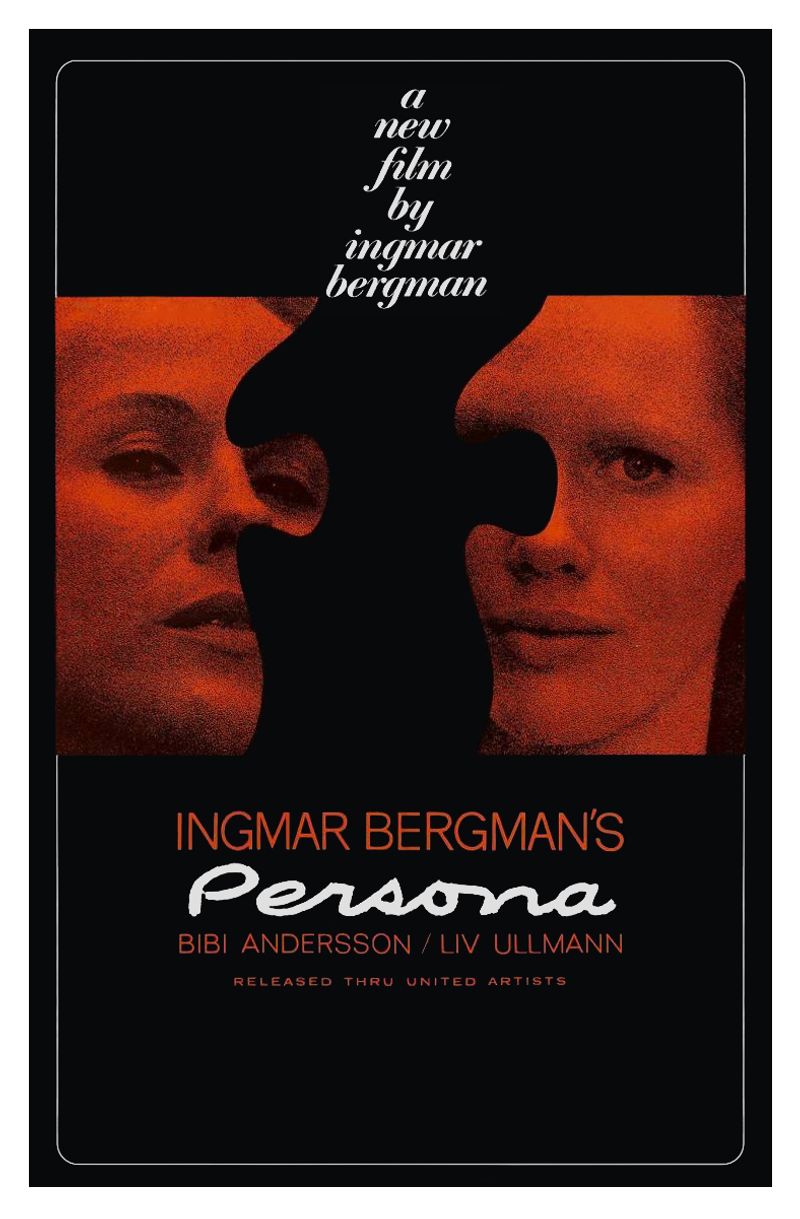
Swedish master Ingmar Bergman created this psychological puzzle about an actress who stops speaking and the nurse assigned to care for her.
Liv Ullmann and Bibi Andersson deliver powerful performances as the two women’s identities begin merging in unsettling ways during their isolated beach house stay.
Bergman uses experimental techniques like breaking the fourth wall and showing the film itself burning to challenge how we watch movies.
The famous scene where the women’s faces blend together has become iconic in film history.
Critics and audiences have debated the film’s meaning for decades, with some seeing it as commentary on identity, others as exploration of the artist’s role, making it endlessly fascinating to analyze and discuss.
11. Scream (1996)
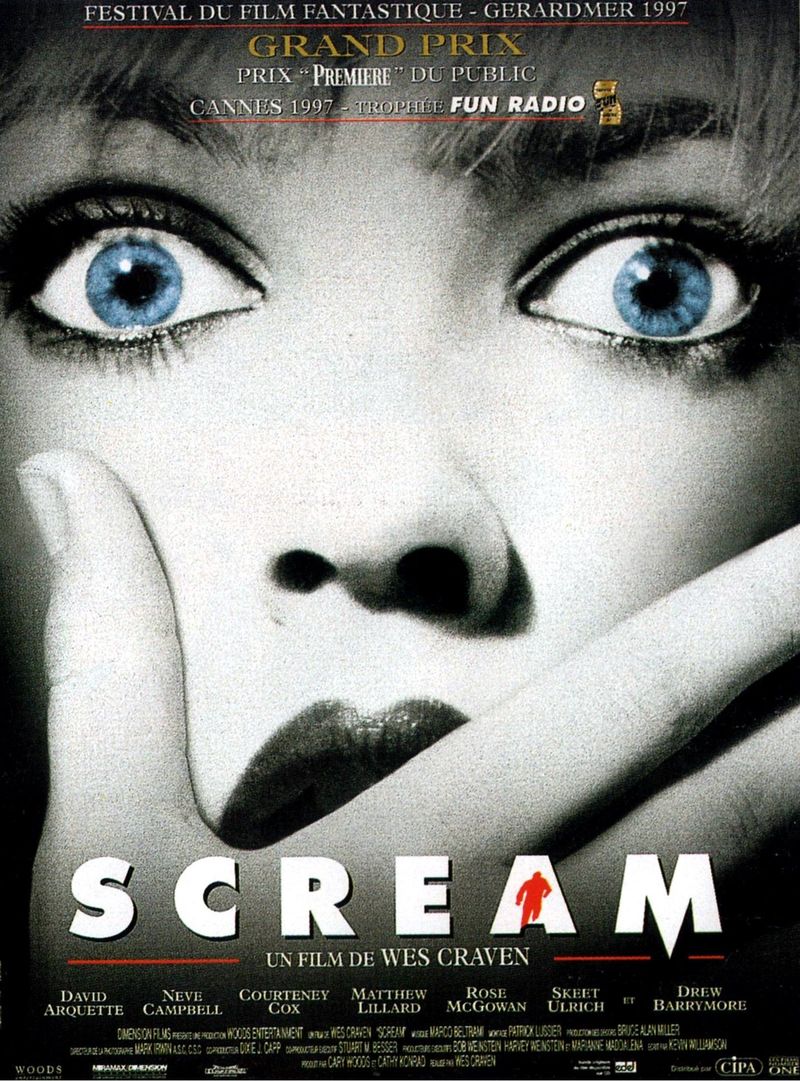
In a meta twist on the slasher genre, Wes Craven created a film where the characters understand the rules of horror.
Neve Campbell plays Sidney Prescott, a teen targeted by a masked killer who challenges his victims’ knowledge of horror films before striking.
Writer Kevin Williamson’s clever script pokes fun at horror clichés while delivering genuine scares and suspense.
The opening scene with Drew Barrymore became instantly legendary for subverting audience expectations about who survives.
By making characters aware of horror movie “rules,” the film created something fresh that appealed to both longtime genre fans and newcomers, spawning multiple sequels and inspiring a new wave of self-aware horror films.
12. American Psycho (2000)
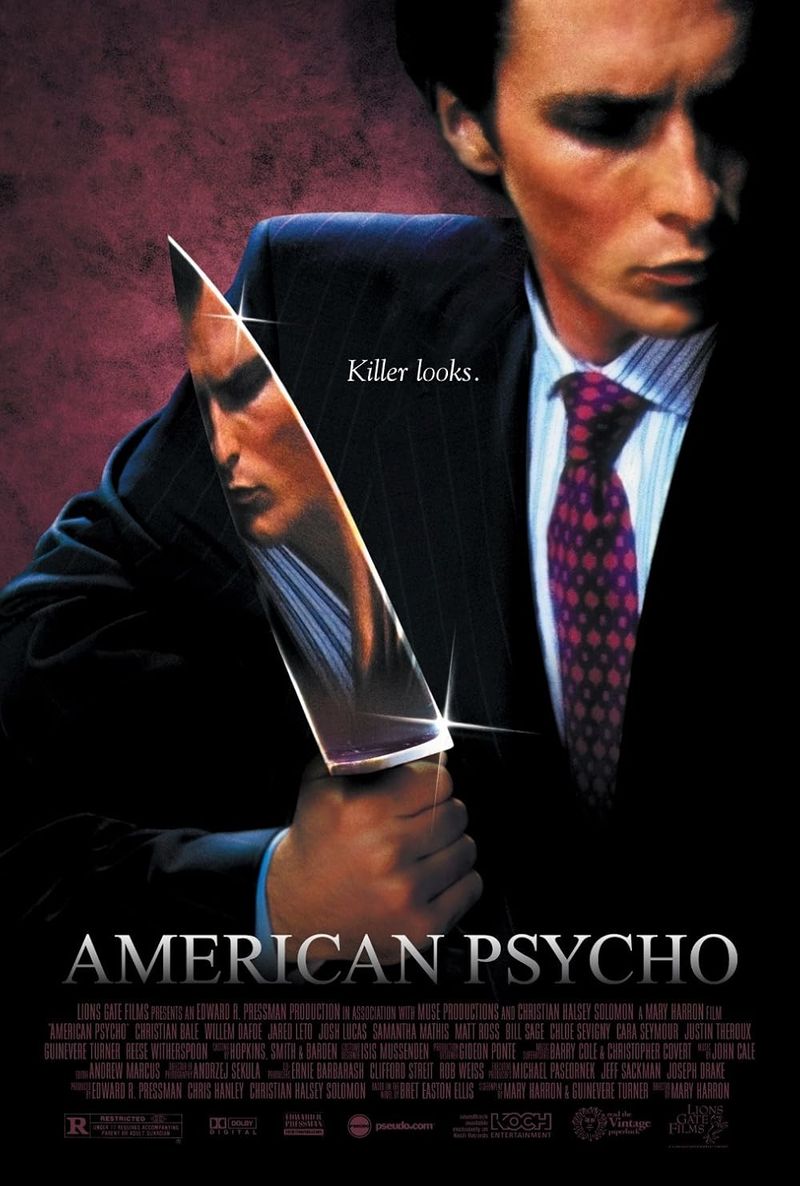
Christian Bale transforms into Patrick Bateman, a wealthy investment banker who might be a serial killer or might be losing his mind completely.
Director Mary Harron adapted Bret Easton Ellis’s controversial novel into a darkly comedic satire of 1980s materialism and masculine vanity.
Bateman obsesses over business cards, reservations at trendy restaurants, and his elaborate skincare routine between possible murders.
The film’s ambiguous ending leaves viewers questioning what actually happened versus what Bateman imagined in his deranged mind.
Initially controversial for its violence, the movie found new appreciation as a sharp critique of consumer culture and toxic masculinity, with Bale’s performance becoming legendary for its controlled intensity and dark humor.
13. 2001: A Space Odyssey (1968)
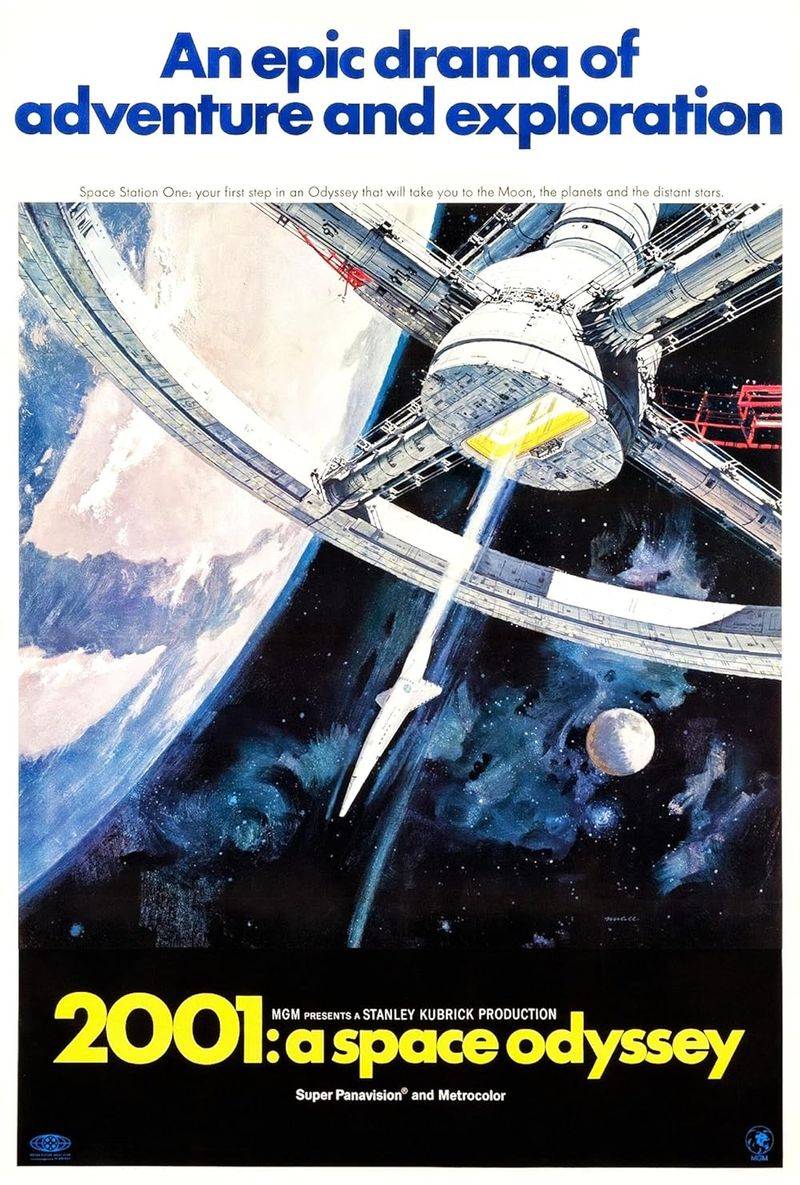
This groundbreaking collaboration between Stanley Kubrick and Arthur C.
Clarke charts the evolution of humankind, from early apes to spacefarers.
Minimal dialogue lets the film’s stunning imagery and classical soundtrack tell a haunting tale of extraterrestrial intervention in human development.
HAL 9000, the ship’s computer, became one of cinema’s most memorable artificial intelligence characters through his calm, menacing voice.
Kubrick’s special effects were so advanced that some people actually believed he faked the moon landing using techniques from this film.
Though many viewers found it confusing and slow upon release, it became essential viewing for anyone serious about cinema, influencing virtually every science fiction film that followed.
14. Psycho (1960)
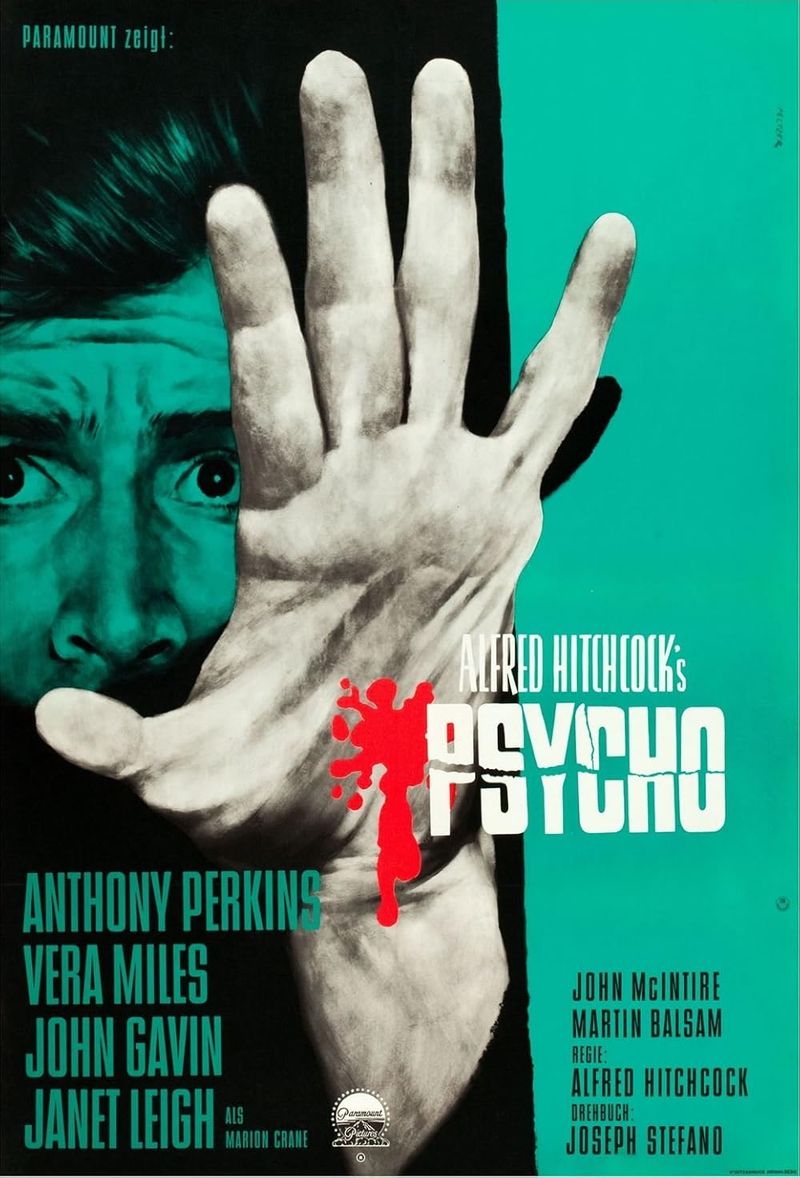
Alfred Hitchcock shocked audiences by killing off his apparent main character, played by Janet Leigh, only forty minutes into the film.
The infamous shower scene became one of cinema’s most imitated sequences, proving that suggestion and editing could be scarier than graphic violence.
Anthony Perkins created an unforgettable villain in Norman Bates, the awkward motel manager with a complicated relationship with his mother.
Hitchcock filmed in black and white to make the violence less graphic but more artistic and disturbing.
The film’s success proved that horror could be sophisticated and psychological rather than just monsters and gore, changing the genre forever and establishing techniques still used by filmmakers today when building suspense and terror.
Comments
Loading…