
 Chloe Peterson
11 Steps to Safely Detach From Toxic People

Breaking free from toxic relationships isn’t easy, but it’s one of the most important things you can do for your mental health and happiness. Whether it’s a friend who constantly puts you down, a family member who drains your energy, or anyone else who makes you feel bad about yourself, you deserve to feel safe and respected.
Learning how to step away from these harmful connections takes courage, but with the right approach, you can protect your peace and build healthier relationships.
1. Recognize the Warning Signs

Before you can safely distance yourself from toxic people, you need to identify who they are.
Watch for patterns like constant criticism, manipulation, or making you feel guilty for setting boundaries.
People who drain your energy every time you interact with them are showing you red flags.
Trust your gut feelings when something doesn’t feel right.
Your body often knows before your mind catches up that a relationship isn’t healthy.
Pay attention to how you feel after spending time with certain people—exhausted, anxious, or upset are all warning signals.
Keep track of specific behaviors that bother you.
Writing them down helps you see patterns more clearly and reminds you why creating distance matters for your wellbeing.
2. Set Clear Personal Boundaries

Establishing what you will and won’t tolerate creates a protective shield around your emotional health.
Boundaries aren’t mean or selfish—they’re essential for any healthy relationship.
Start by deciding what behaviors you’re no longer willing to accept from others.
Communicate your limits clearly and calmly when the time is right.
You might say things like “I need you to stop criticizing my choices” or “I can’t listen to negative talk about others anymore.” Being direct leaves no room for confusion.
Remember that boundaries are for you, not to control others.
Some people will respect them, while others won’t, and their reaction tells you everything you need to know about whether they deserve space in your life.
3. Reduce Contact Gradually

Going cold turkey isn’t always possible or safe, especially with family members or coworkers.
Instead, slowly decrease how often you talk to or see the toxic person.
This gradual approach feels less dramatic and gives you time to adjust emotionally.
Start by taking longer to respond to messages or declining some invitations.
You don’t need elaborate excuses—simple statements like “I’m not available” work perfectly fine.
The goal is creating space without causing unnecessary conflict.
Notice how much better you feel as the distance grows.
This positive reinforcement reminds you why you’re making these changes and motivates you to keep protecting your peace and energy.
4. Build a Support System
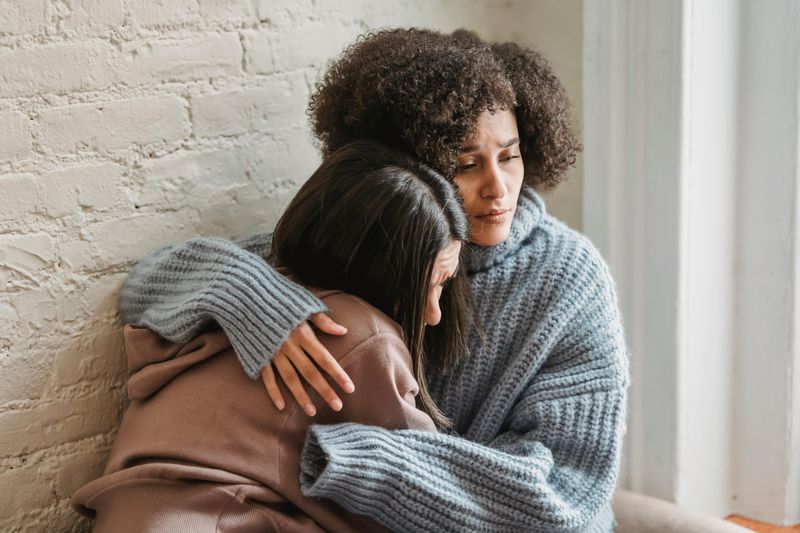
Surrounding yourself with positive, caring people makes detaching from toxic ones so much easier.
Healthy friendships remind you what respect and kindness actually look like.
Reach out to people who make you feel good about yourself and who support your growth.
Don’t be afraid to share what you’re going through with trusted friends or family.
Having someone validate your feelings helps you realize you’re not overreacting or being too sensitive.
Their outside perspective can be incredibly valuable.
Consider joining groups or communities where you can meet like-minded people.
Whether it’s a hobby club, volunteer organization, or online community, connecting with others who share your values creates a strong foundation of support.
5. Practice Saying No

Learning to refuse requests without guilt is a superpower when dealing with toxic people.
They often take advantage of people-pleasers who struggle to decline.
Your time and energy are valuable, and you get to decide how to spend them.
Start with small refusals to build your confidence.
You might turn down a coffee invitation or say no to doing someone a favor.
The more you practice, the easier and more natural it becomes to assert yourself.
Understand that “no” is a complete sentence requiring no justification.
While you can offer brief explanations if you choose, you never owe anyone a detailed defense of your decisions or choices about your own life.
6. Limit Information Sharing

Toxic individuals often use personal information against you or spread it to others.
Protecting your privacy means sharing less about your life, plans, feelings, and experiences.
Keep conversations surface-level and redirect when they pry too deeply into your business.
You’ll be amazed at how much drama disappears when people don’t know your every move.
What they don’t know, they can’t twist, judge, or use to manipulate you later.
This strategy works especially well with gossipy or competitive people.
Share your real thoughts and feelings with your trusted support system instead.
Save your authentic self for people who’ve proven they deserve access to your inner world and won’t weaponize your vulnerability against you.
7. Develop an Exit Strategy

Having a plan for ending conversations or leaving situations helps you feel more in control.
Think ahead about what you’ll say when you need to escape an uncomfortable interaction.
Simple phrases like “I need to go now” or “I have another commitment” work perfectly.
For in-person encounters, position yourself near exits when possible.
Know your transportation options and have a backup plan if your original way home falls through.
Physical safety matters, especially if the person has shown aggressive tendencies.
Mental preparation is just as important as practical planning.
Visualize yourself calmly leaving the situation, which makes actually doing it feel less scary when the moment arrives and you need to protect yourself.
8. Focus on Your Own Growth

Channeling your energy into personal development shifts your focus from toxic people to your own amazing potential.
Take up new hobbies, learn skills you’ve always wanted to master, or work toward goals that excite you.
Growth creates positive momentum in your life.
Self-improvement naturally increases your confidence and self-worth.
When you feel good about yourself and your progress, toxic people’s opinions matter less and less.
You start recognizing you deserve better treatment than they’re offering.
Celebrate every small victory along your journey.
Each step forward—whether it’s finishing a book, trying something new, or simply having a good day—proves you’re moving in the right direction away from negativity.
9. Seek Professional Help

Therapists and counselors specialize in helping people navigate difficult relationships and build healthier patterns.
There’s absolutely no shame in asking for professional guidance—it’s actually one of the smartest things you can do.
They offer tools and perspectives you might not discover on your own.
A mental health professional can help you understand why you attracted or tolerated toxic people in the first place.
This insight prevents you from repeating the same patterns in future relationships.
They also validate your experiences when you’re doubting yourself.
Many affordable options exist, including community mental health centers, online therapy platforms, and support groups.
Your wellbeing is worth the investment of time and resources to heal properly.
10. Prepare for Pushback

Toxic people rarely accept your boundaries gracefully or respect your decision to create distance.
Expect guilt trips, manipulation tactics, angry outbursts, or attempts to pull you back in.
Knowing this ahead of time helps you stay strong when it happens.
They might suddenly act extra nice or promise to change, but actions speak louder than words.
Real change takes consistent effort over time, not desperate promises made when they feel you slipping away.
Stay focused on their patterns, not their promises.
Remind yourself why you’re doing this whenever you feel your resolve weakening.
Keep a list of specific incidents that hurt you, and read it when you’re tempted to give them another chance they haven’t earned.
11. Commit to Your Decision

Staying committed to your boundaries requires ongoing effort, especially during lonely or difficult moments.
You might miss the person or question whether you’re doing the right thing.
These feelings are completely normal and don’t mean you should go back.
Remember that healthy relationships shouldn’t consistently hurt you or require you to shrink yourself.
Missing someone doesn’t mean they were good for you—it just means you’re human.
Give yourself permission to grieve the loss while staying firm in your decision.
Each day without toxic influence gets easier as you rebuild your peace and confidence.
Eventually, you’ll look back and wonder why you didn’t create this distance sooner, grateful for choosing yourself and your wellbeing.
Comments
Loading…