
 Jade Reed
The 13 Most Toxic TV Boyfriends of All Time
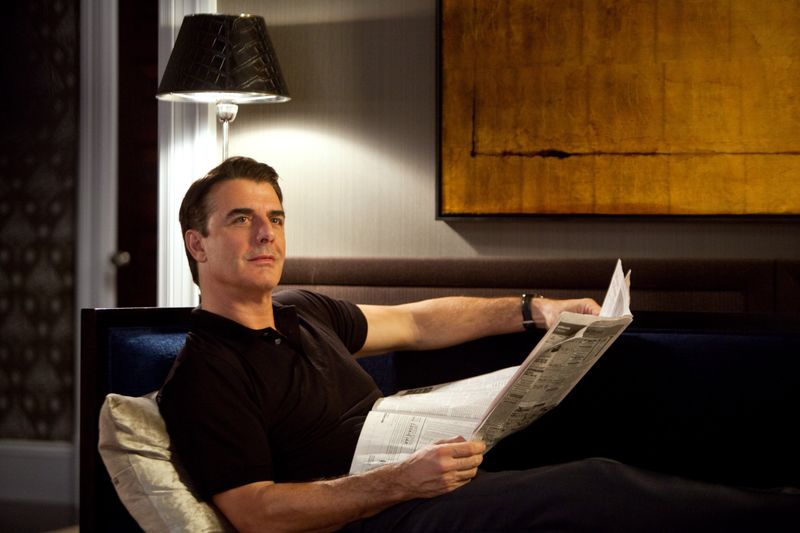
TV has a special talent for turning messy relationships into must-watch entertainment, especially when the boyfriend is charming enough to make viewers forget the chaos he leaves behind.
The problem is that what plays as “romantic drama” on screen often looks a lot more like manipulation, control, and emotional whiplash when you map it onto real life.
This ranking looks at the guys who didn’t just make bad decisions, but consistently built relationships around power, guilt, intimidation, or self-serving games.
Some are obvious villains, while others hide their toxicity behind jokes, grand gestures, or the “misunderstood” label.
If you’ve ever found yourself rooting for a couple and then thinking, “Wait… why is this okay?” you’re in the right place.
Here are the 13 most toxic TV boyfriends, ranked.
13. Jess Mariano — Gilmore Girls
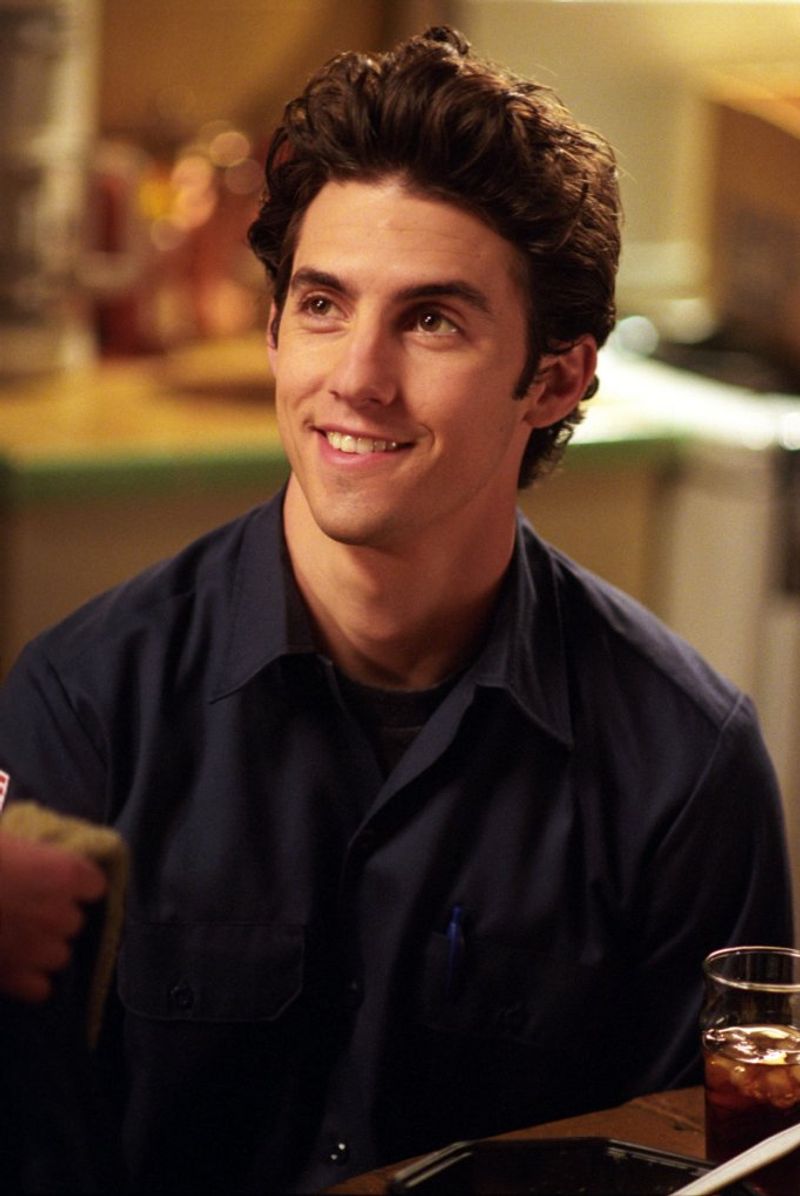
Some characters win people over because they feel real, and Jess is a prime example of how realism can still be a red flag.
His relationship with Rory often runs on withdrawal rather than communication, and when he gets overwhelmed, he doesn’t talk it through so much as disappear.
That pattern creates an uneven emotional burden, because Rory is left doing the work of guessing what he feels, smoothing over tension, and hoping he’ll show up differently next time.
Even when he clearly cares about her, he struggles to show up with consistency, which can make affection feel conditional.
The biggest issue isn’t that he’s complicated; it’s that his coping style frequently turns into avoidance that hurts the person closest to him.
Love shouldn’t feel like waiting for someone to choose you again.
12. Pacey Witter — Dawson’s Creek
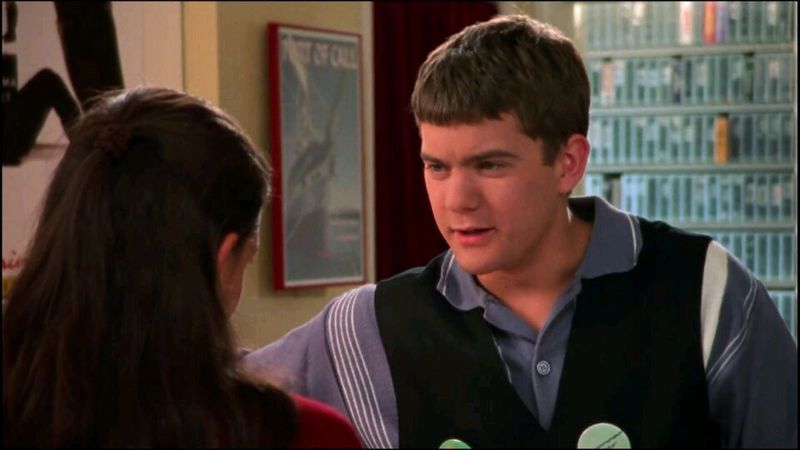
A lot of Pacey’s toxicity comes in waves, which is why it can be easy to excuse when he’s being sweet or supportive.
His insecurity can flare into sulking, jealousy, or emotional pressure, especially when he feels compared to Dawson or fears he isn’t “enough.”
That kind of insecurity doesn’t stay internal; it spills into the relationship and quietly asks his partner to constantly reassure him.
At times, he can make his discomfort the center of the conversation, turning moments that should be about mutual support into a test of loyalty.
The danger of this dynamic is that it trains the other person to manage his mood, rather than simply exist as themselves.
A boyfriend doesn’t have to be cruel to be toxic; sometimes it’s the repeated emotional whiplash that wears someone down.
11. Mr. Big — Sex and the City
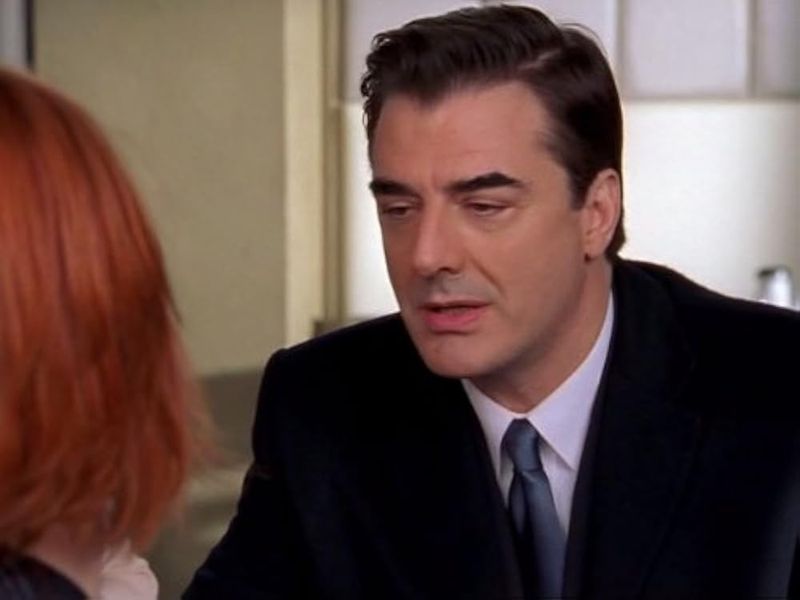
One of the most frustrating things about Mr. Big is that the relationship rarely runs on clarity; it runs on ambiguity that always seems to benefit him.
Carrie spends years trying to decode where she stands, and he responds with just enough affection to keep her hopeful without ever offering real emotional security.
That push-and-pull creates a situation where she’s constantly performing, adjusting, or bargaining for basic consistency, which is a draining way to love someone.
His emotional unavailability isn’t presented as a firm boundary so much as a moving target, and that’s what makes it feel manipulative.
When someone keeps you in the “almost” stage indefinitely, they’re not simply confused; they’re choosing a setup where they get companionship without accountability.
Romance should not feel like an ongoing audition.
10. Logan Huntzberger — Gilmore Girls
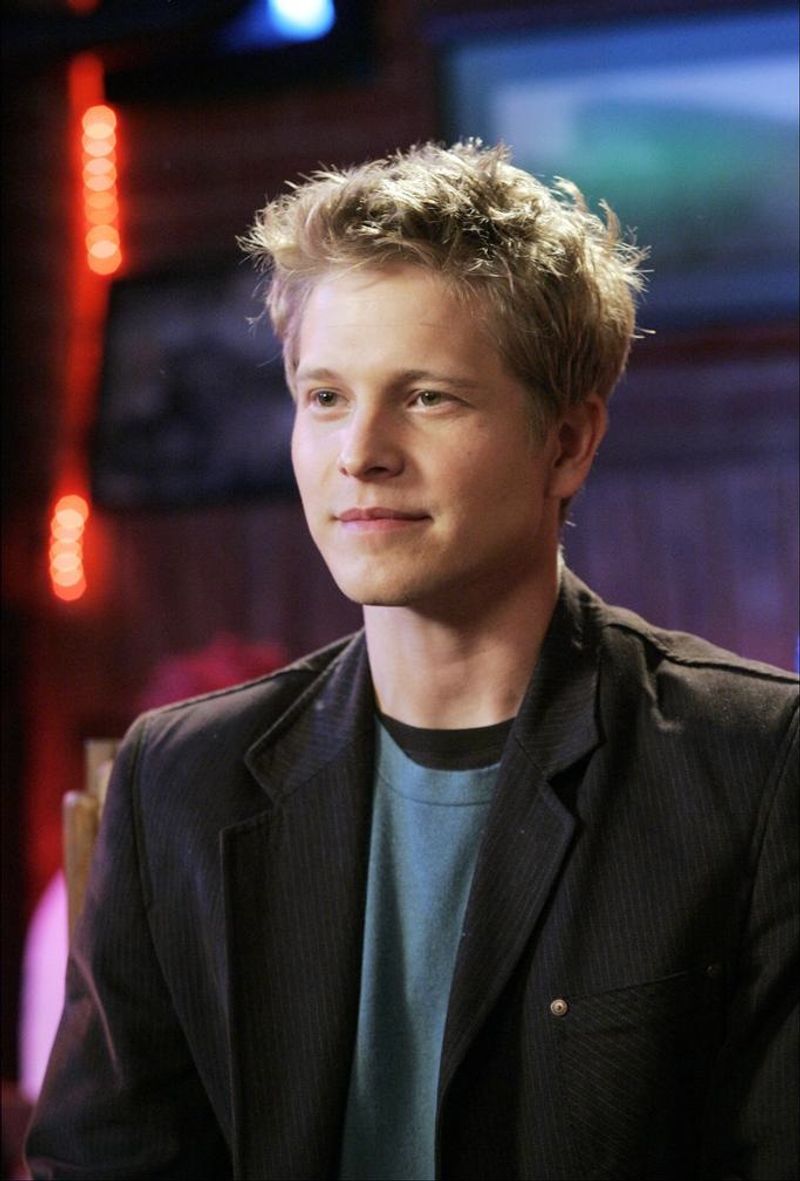
Charm can be a powerful distraction, and Logan often uses it to glide past the parts of himself that cause the most damage.
His privilege cushions consequences, which makes reckless decisions feel like “adventure” even when they put strain on Rory’s stability and confidence.
When conflict hits, he can lean on grand gestures or persuasive language rather than consistent behavioral change, creating a cycle where the relationship resets without truly improving.
There’s also a subtle power imbalance that comes from his world being the one with access, status, and connections, which can pressure a partner to adapt instead of being met halfway.
The end result is a dynamic where excitement competes with reliability, and reliability often loses.
A healthy boyfriend doesn’t require you to constantly adjust your boundaries just to keep up with his lifestyle.
9. Xander Harris — Buffy the Vampire Slayer
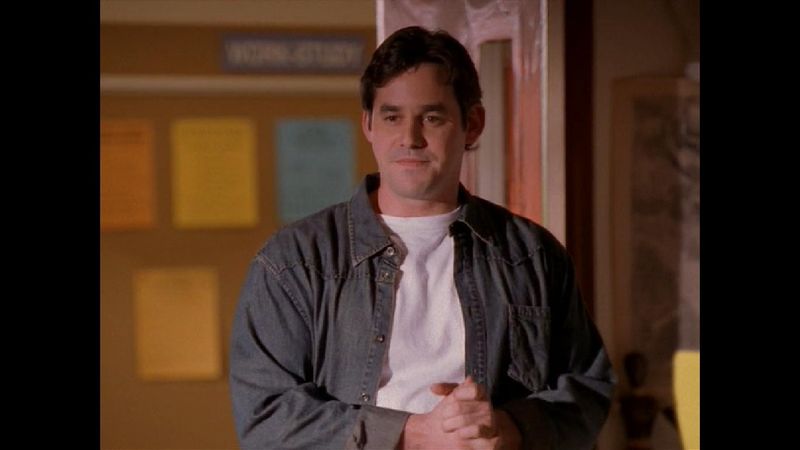
The “best friend who secretly knows what’s best for you” can be one of the most toxic archetypes, and Xander sometimes slips into that role without realizing it.
His jealousy often shows up as judgment, sarcasm, or moralizing, especially when Buffy makes choices he doesn’t approve of.
Instead of respecting her autonomy, he can act entitled to an opinion that carries extra weight, as if his feelings automatically deserve priority because he’s “always been there.”
That dynamic can become emotionally coercive, because it pressures Buffy to justify her decisions rather than simply make them.
Even when he’s trying to protect her, the protection can feel possessive, which is a different thing entirely.
A boyfriend—or any partner—should be someone who supports your agency, not someone who punishes you emotionally when your choices don’t match their ideal version of you.
8. Ross Geller — Friends
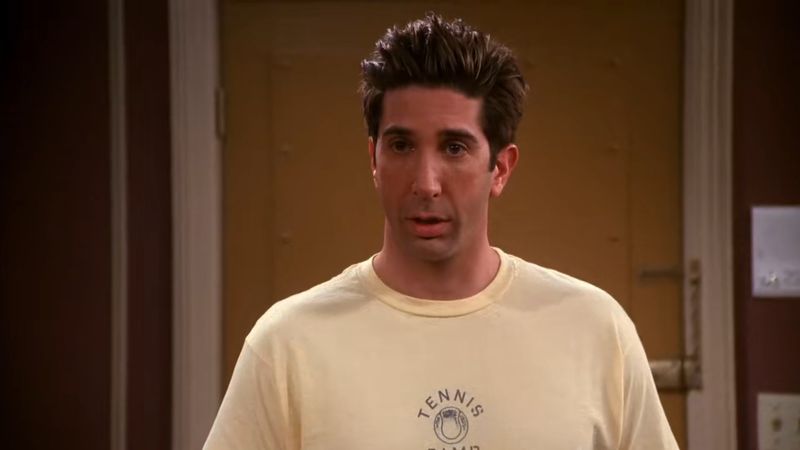
Ross is often framed as lovable and anxious, but many of his most memorable relationship moments are powered by jealousy and control.
He tends to spiral when he feels insecure, and instead of regulating those feelings, he pushes them onto his partner through suspicion, monitoring, or attempts to “fix” the situation by dictating terms.
That pattern can show up as boundary-crossing behavior, like over-involvement in a partner’s career or social life, which subtly communicates that trust is conditional.
Even when he apologizes, the underlying dynamic often repeats, suggesting that the issue isn’t a single mistake but a habit.
Watching it as comedy can make it easy to miss how exhausting that would be in real life, because constant reassurance becomes an unspoken job.
A relationship should not feel like you’re responsible for managing someone else’s insecurity every day.
7. Dawson Leery — Dawson’s Creek
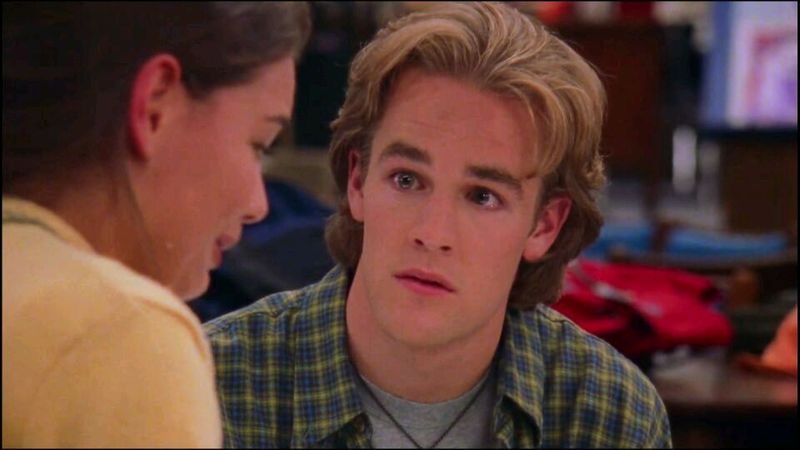
Dawson’s toxicity is wrapped in the kind of earnestness that can look romantic if you don’t examine the entitlement underneath it.
He often treats relationships like stories with expected endings, and when reality doesn’t follow his script, he can respond with guilt-tripping or possessiveness.
That creates a dynamic where the person he loves is pressured to prioritize his feelings because he believes he “deserves” a certain outcome.
The “nice guy” angle makes it even trickier, because his hurt is positioned as proof of his goodness rather than a sign he needs to respect boundaries.
When someone consistently interprets your independence as betrayal, it becomes emotionally controlling, even if they never raise their voice.
Love isn’t about claiming a role in someone’s life because you’ve wanted it for a long time; it’s about mutual choice without punishment.
6. Barney Stinson — How I Met Your Mother
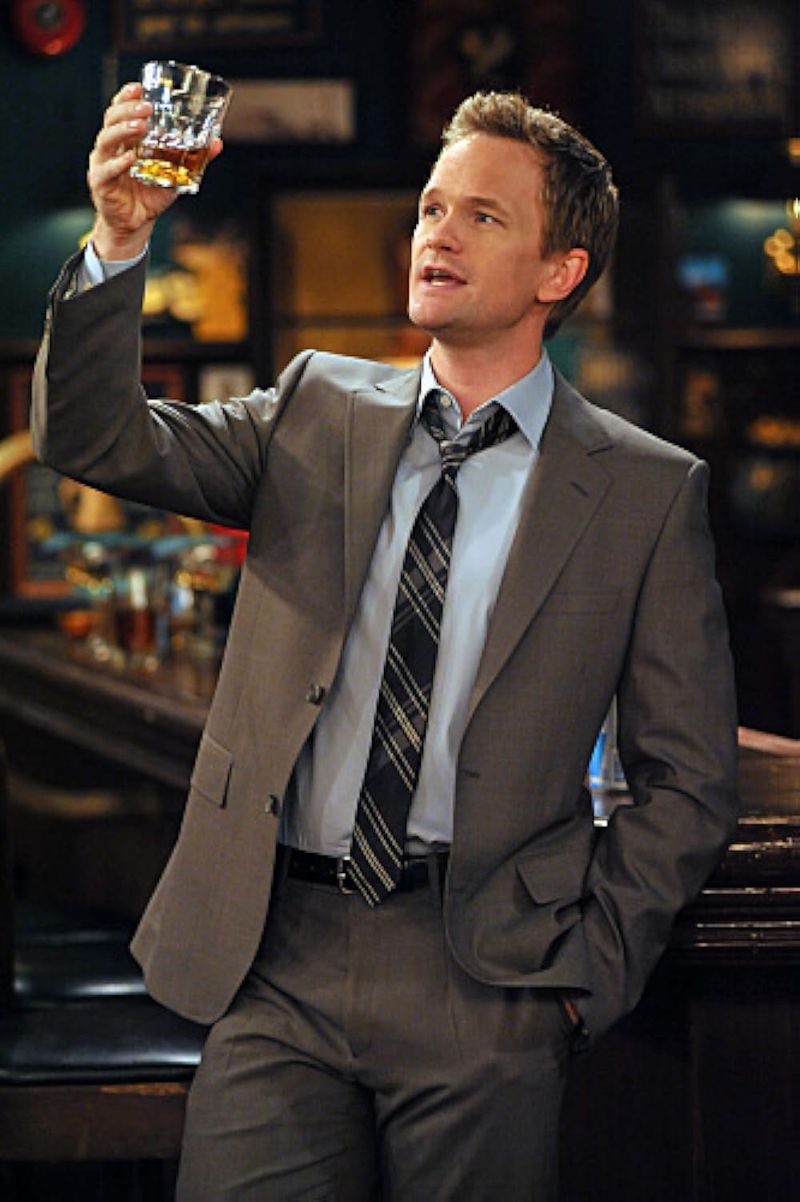
A relationship can’t thrive when one person treats intimacy like a sport, and Barney’s entire persona is built around deception as entertainment.
His “plays” and elaborate lies aren’t harmless jokes; they normalize the idea that consent and honesty are optional when you’re chasing attention.
Even when he develops feelings, the default pattern remains manipulation, because he’s trained himself to get what he wants through strategy rather than vulnerability.
That makes it hard for any partner to feel safe, since the relationship can suddenly become a performance with hidden motives.
The show often frames his behavior as comedic exaggeration, but the underlying message is darker: he uses people, then asks to be forgiven because he’s charismatic.
Emotional growth doesn’t erase harm if the harm keeps happening.
A boyfriend should make you feel respected, not like you’re another prop in his personal game.
5. Ryan Howard — The Office
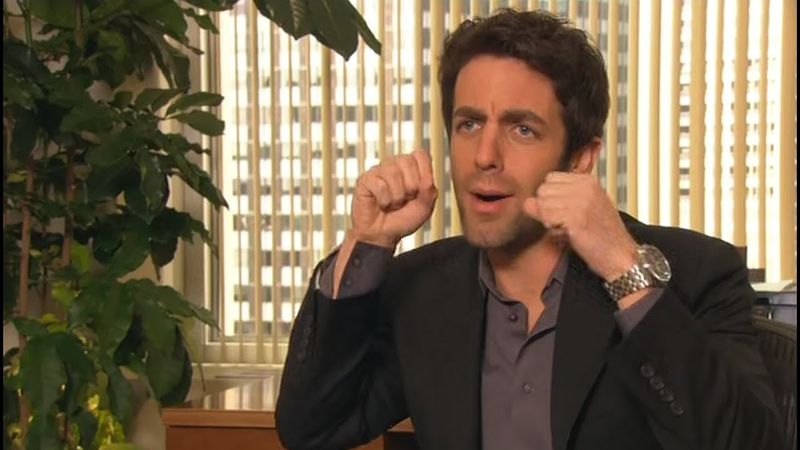
Ryan’s toxicity isn’t loud, which can make it feel almost more realistic, because it’s the kind that drains you slowly through self-absorption.
He often treats relationships as accessories to his self-image, using attention, flirtation, or promises when they benefit him, then pulling away the second he gets bored or threatened.
With Kelly, he repeatedly dangles commitment as bait, knowing she’ll chase it, and that pattern keeps her stuck in a loop of hope and disappointment.
He also has a way of rewriting the story to make himself look like the victim or the visionary, which is a subtle form of manipulation.
You don’t have to be physically intimidating to be toxic; consistently wasting someone’s time and emotions can be its own kind of cruelty.
A healthy partner doesn’t make love feel like a job interview you can never pass.
4. Nate Jacobs — Euphoria
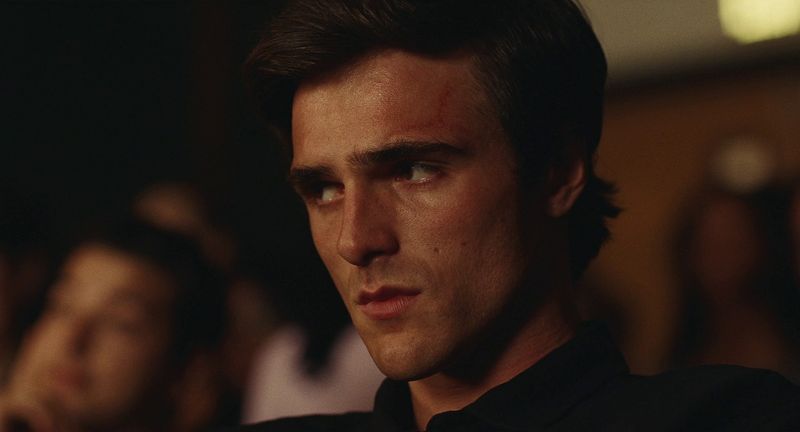
Fear is not passion, even when a show frames intensity as romance, and Nate’s relationships are fueled by intimidation more than affection.
His volatility creates an environment where partners are constantly scanning for the next outburst, which is a classic sign of emotional abuse.
He uses power—social status, threats, and psychological games—to control how others behave, and that kind of control can make someone doubt their own instincts just to stay safe.
Even when he shows tenderness, it often feels transactional, like a reward for compliance rather than genuine care.
The most toxic part is the unpredictability, because it conditions people to accept chaos as normal and to confuse anxiety with love.
In real life, that dynamic can escalate quickly and leave lasting damage.
A boyfriend who makes you feel afraid isn’t complicated; he’s unsafe.
3. Chuck Bass — Gossip Girl
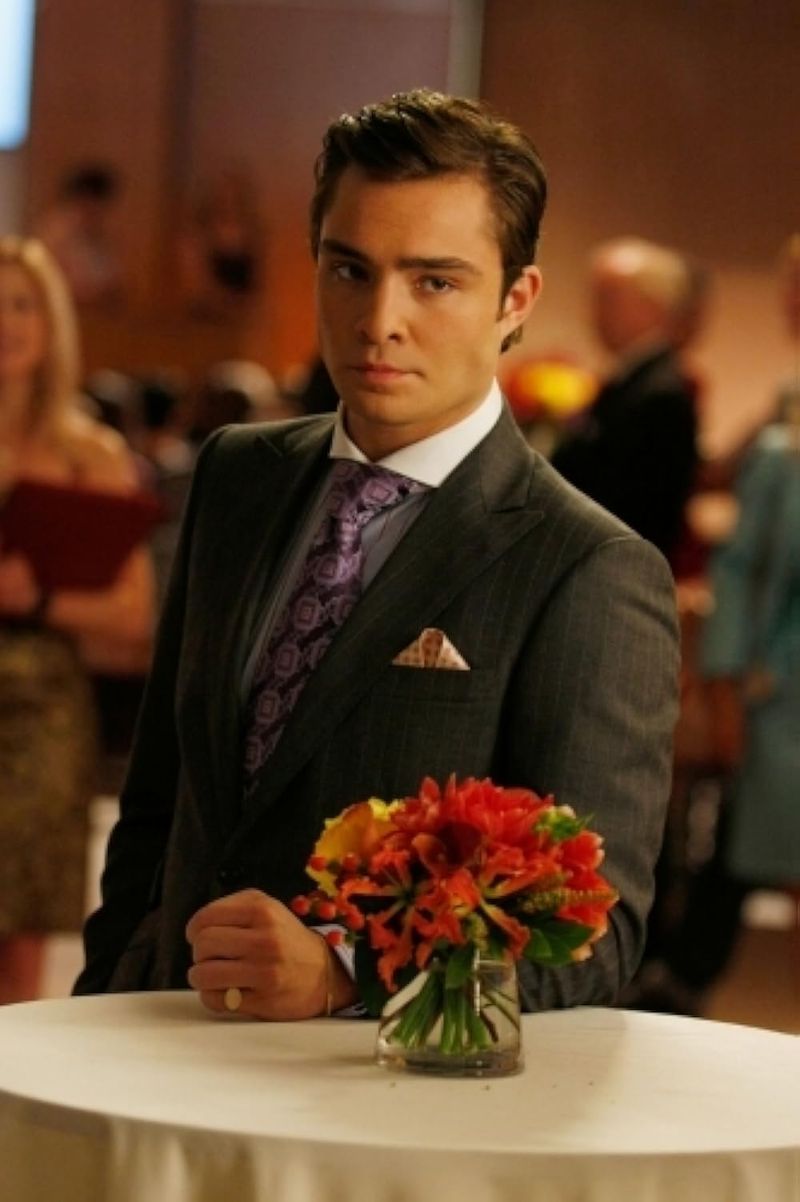
Chuck’s appeal is built on the fantasy of a powerful man who “softens” for the right woman, but that storyline often masks repeated manipulation.
He uses wealth and influence as leverage, turning the relationship into a chess match where emotional security depends on his mood.
When he feels rejected, he doesn’t simply cope; he retaliates, withdrawing affection, testing loyalty, or creating situations that put his partner off balance.
That cycle trains someone to chase stability by appeasing him, which is exactly how toxic dynamics become addictive.
The show presents big gestures as proof of love, yet grand gestures can’t cancel out patterns of coercion and emotional harm.
It’s not romantic when a partner makes you earn basic respect through suffering.
A healthy boyfriend doesn’t treat your boundaries as obstacles to overcome; he treats them as lines to honor.
2. Ramsay Bolton — Game of Thrones
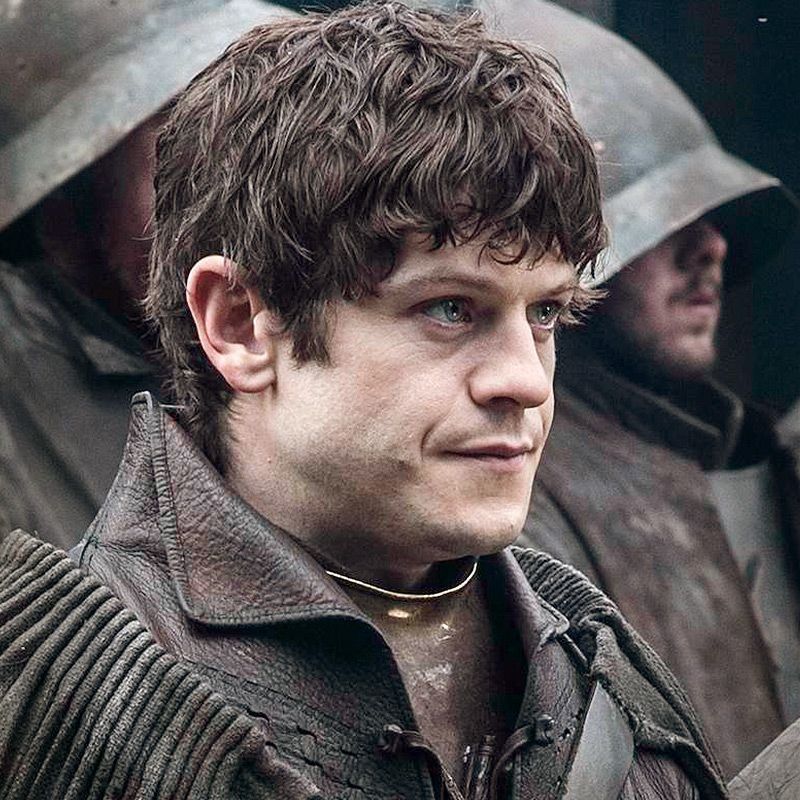
Some characters aren’t “toxic” in the everyday sense so much as openly monstrous, and Ramsay represents the extreme end of relationship horror.
His behavior is built on domination, humiliation, and cruelty, using fear as a tool to break another person’s identity.
There is no intimacy in his relationships, only control, and that makes him a stark reminder of how power can become violence when a person sees others as property.
Even within a world full of brutal characters, his actions stand out because they’re personal, calculated, and often done for enjoyment.
Including him on this list is uncomfortable, but it’s also honest: the most toxic partner is the one who removes your ability to choose, resist, or feel safe.
When someone treats suffering as entertainment, there is no redemption arc that can balance it.
Love cannot exist where humanity is denied.
1. Joe Goldberg — You
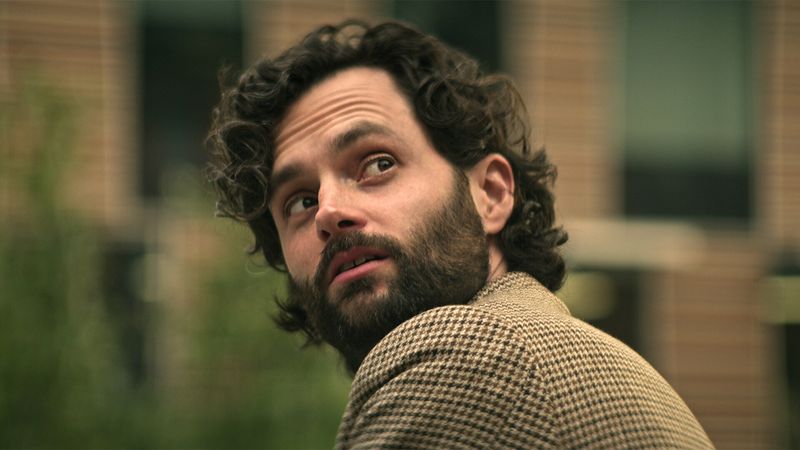
The scariest thing about Joe is that he speaks the language of devotion while acting out the behavior of a predator.
He frames stalking, surveillance, and control as love, which twists romance into something claustrophobic and dangerous.
His partners aren’t treated as full people with boundaries; they’re treated as narratives he can curate, protect, and “fix” according to his personal fantasy.
That kind of obsession is inherently dehumanizing, because it values possession over partnership.
He also justifies harm with moral storytelling, convincing himself that he’s the hero even when his actions are clearly violent and coercive.
The result is a relationship dynamic where safety depends on staying inside his script, and stepping outside it triggers punishment.
Joe is toxic because his love is conditional on control, and control is the opposite of love.
A real relationship requires trust, not surveillance.
Comments
Loading…