
 Mary Murphy
Top 10 Richest Black Celebrities In the World (and How They Built Their Fortunes)
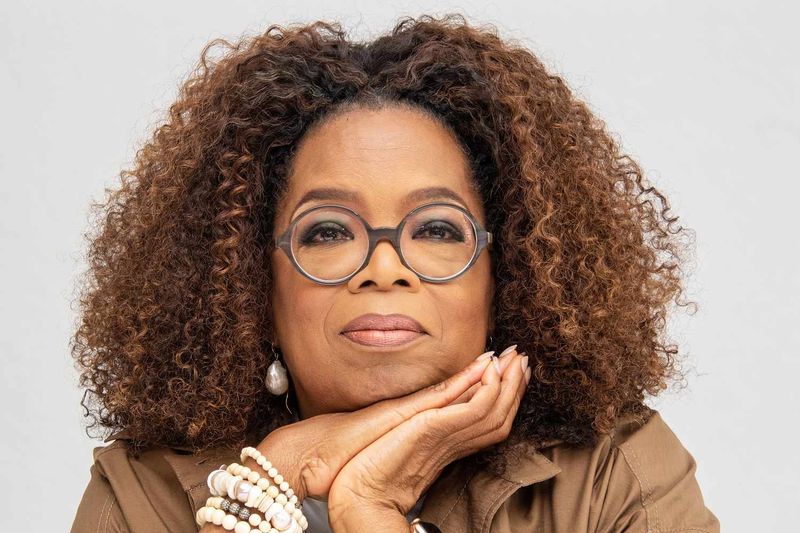
Big fame can bring big paychecks, but the celebrities at the very top of the wealth ladder rarely get there on salary alone.
The richest Black stars tend to pair visibility with ownership, turning cultural influence into lasting equity through brands, catalogs, licensing deals, production companies, and smart investing.
Their fortunes aren’t just about one blockbuster role or a record-breaking tour, either; most of these names built layered empires that keep earning even when they’re off the stage or out of the spotlight.
In this list, we’re looking at ten of the wealthiest Black celebrities and the key moves that helped them build immense net worth.
Consider it a reminder that the biggest financial flex is often control—over your image, your products, your intellectual property, and the businesses that can outlive any single moment of fame.
10. Shaquille O’Neal — ~$500M
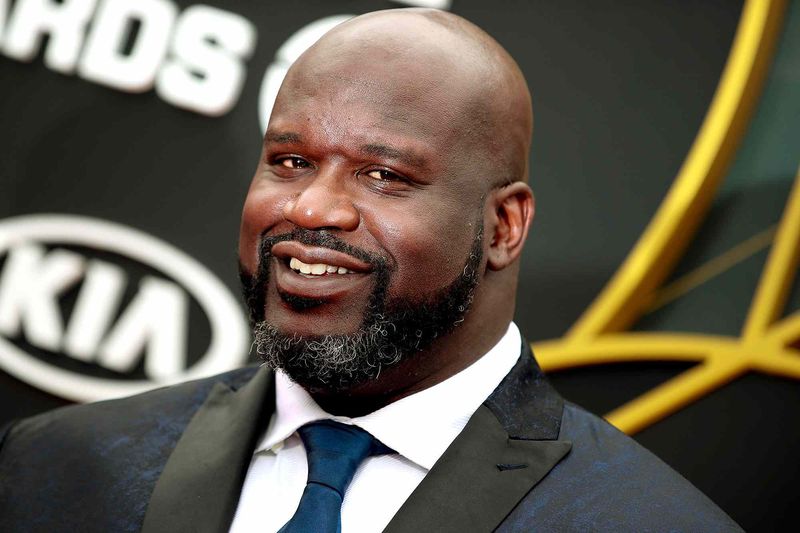
A larger-than-life personality turned into a business advantage, especially when he leaned into endorsements, media visibility, and an unusually broad investment approach.
His wealth is often linked to a steady stream of partnerships and ownership stakes, which means the money doesn’t depend on a single brand or one industry behaving well.
What makes his strategy stand out is how he treats fame like a marketing engine that supports multiple deals at once, from franchising and consumer products to on-air work.
He has also built a reputation for being relatable, which can make brands eager to attach themselves to his image.
That likability has real economic value because it translates into trust and sales.
When celebrity becomes a distribution channel, business opportunities multiply quickly.
9. Dr. Dre — ~$500M
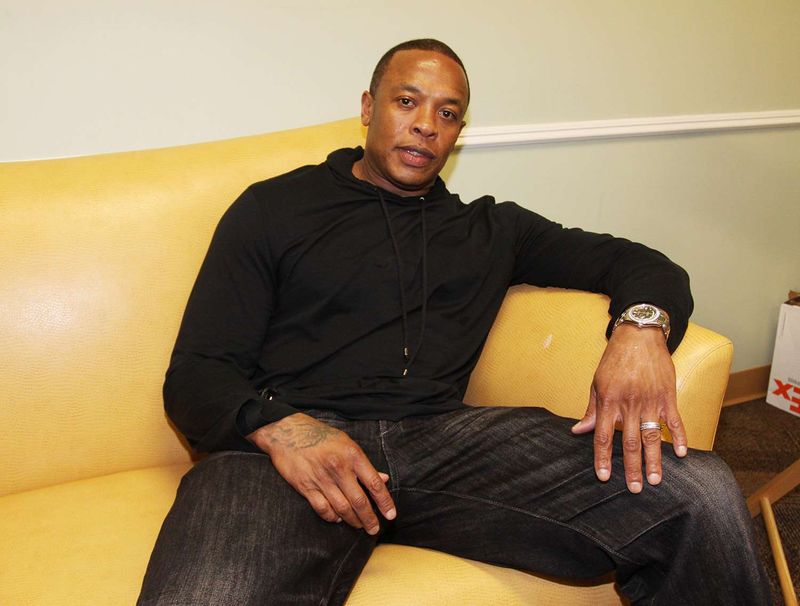
Behind-the-scenes power can be just as profitable as being the face of a brand, and his career proves it.
His production work and music legacy built credibility, but the biggest public wealth milestone came through the Beats era, showing how a strong brand concept can explode when paired with the right partner and distribution.
Beyond that headline-making deal, his long-term fortune is also supported by catalog value and continued influence in the industry.
The key theme is leverage; when your expertise becomes the standard, people pay for your taste, your sound, and your endorsement.
Instead of being tied to one stage of fame, he has remained relevant by evolving roles, shifting from artist to builder.
That flexibility is often what keeps wealth growing.
8. Beyoncé — ~$1.0B
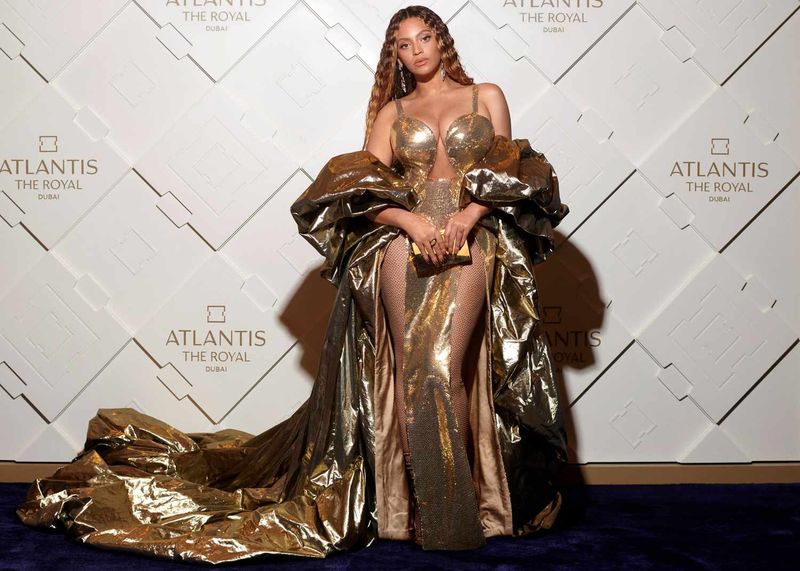
A career built on performance excellence also became a masterclass in brand building and strategic ownership.
Touring revenue is a huge piece of the puzzle, but her long-term wealth is supported by business ventures, catalog value, and partnerships that capitalize on global demand.
She has consistently positioned herself as more than an entertainer, building a premium image that makes each project feel like an event.
That “event” quality matters because it raises pricing power, whether it’s tickets, merchandise, or brand collaborations.
The important detail is how she protects the brand by being selective, which can keep earning potential high over decades.
When scarcity meets demand, the economics get powerful.
The result is a fortune shaped by both artistry and disciplined strategy.
7. Rihanna — ~$1.0B
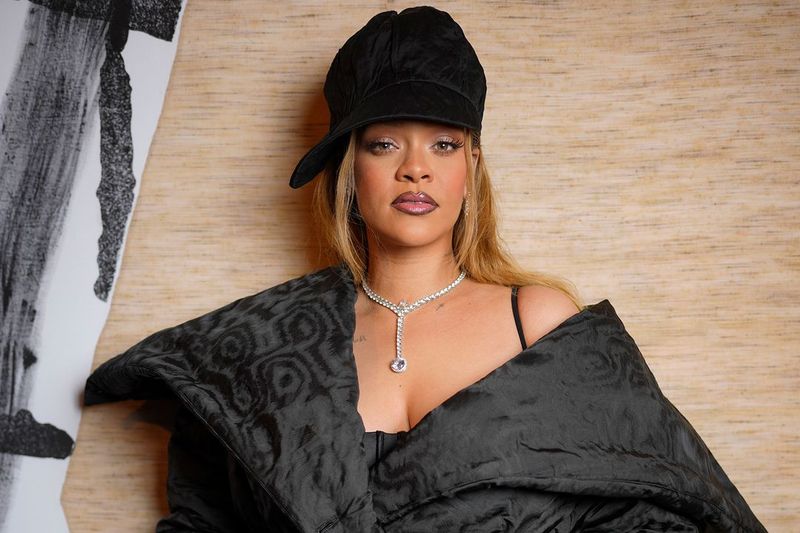
A massive music career put her on the map, but her billionaire status is tied strongly to business ownership in beauty and fashion.
Fenty Beauty became a headline-making success by combining brand identity, distribution strength, and products that filled a market gap, and her stake in the company is a major driver of her net worth.
What’s especially interesting is how she used cultural influence as a direct business advantage; fans didn’t just want to listen, they wanted to buy into the aesthetic.
That kind of loyalty can be monetized responsibly when the product delivers.
The bigger point is that entrepreneurship can sometimes out-earn the original talent that created fame in the first place.
When you own the brand, you can scale far beyond your time.
6. LeBron James — ~$1.2B
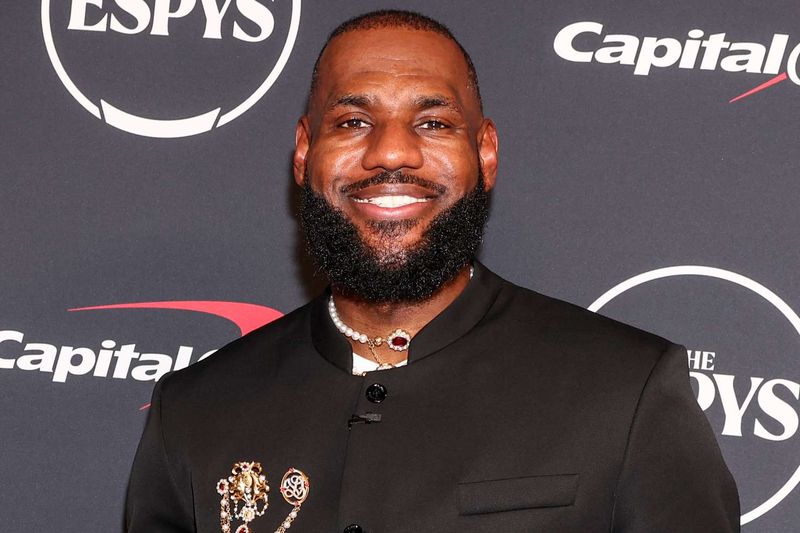
Even for a generational athlete, the real wealth leap tends to come from business strategy, not game checks.
His empire blends endorsements, media ventures, and investment stakes that keep growing regardless of the basketball calendar.
He has been connected with major brand deals for years, but what makes his path especially notable is how he expanded into production and long-term equity plays.
When you combine global visibility with smart capital allocation, the earnings don’t stop at retirement; they evolve.
He also benefits from building a brand that appeals across age groups, which makes partnerships more valuable and more durable.
The lesson is simple but powerful: high income is great, but high ownership is how you turn income into legacy-level wealth.
5. Tyler Perry — ~$1.4B
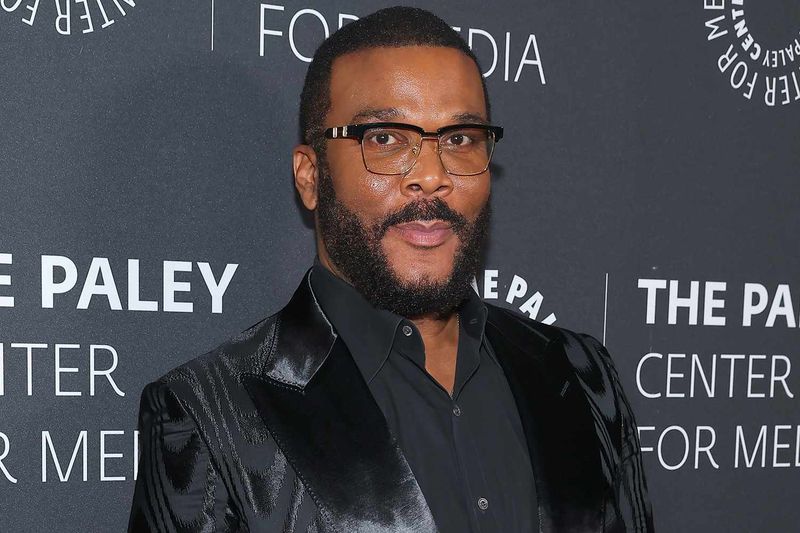
Creative control is often the difference between being paid well and becoming truly wealthy, and his career is an example of that gap.
By owning a massive studio operation and building a library of film and TV content, he turned storytelling into an asset that keeps earning through licensing and distribution.
That ownership position also gave him the flexibility to make deals from a place of strength, because the intellectual property was already his.
Instead of relying on a single hit, he built an entire pipeline that can produce multiple projects, across multiple platforms, year after year.
The biggest takeaway is how infrastructure changes the game; once you own the studio, you’re not just talent—you’re the industry.
That’s when the money gets serious.
4. Magic Johnson — ~$1.6B
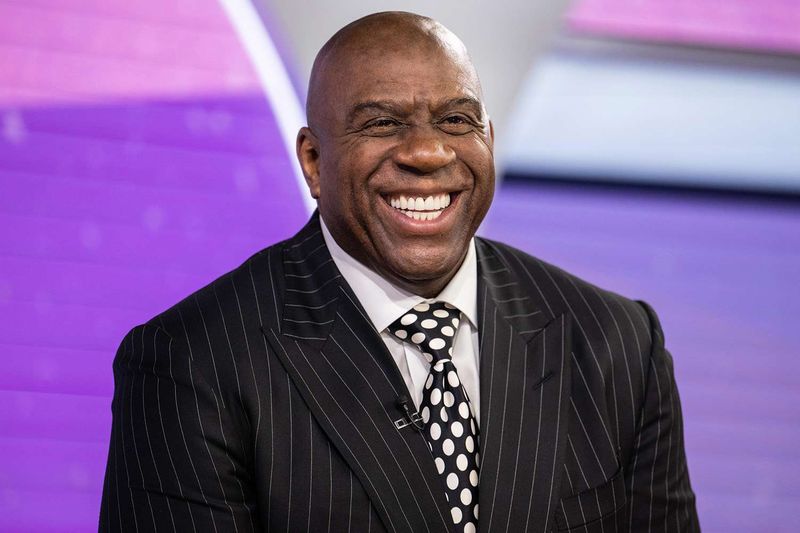
A superstar career created the name recognition, but entrepreneurship is what multiplied it.
His wealth story is rooted in building a serious business portfolio through Magic Johnson Enterprises and a long track record of investing in high-growth, community-focused opportunities.
He has been associated with major ownership groups and large-scale business moves that stretch beyond sports, showing how smart partnerships can accelerate wealth.
One of the key lessons is how he treated his post-playing years like a second career, not a retirement plan, and used credibility to get into rooms where large deals happen.
The end result is a net worth shaped by equity, not appearances.
When your investments do the heavy lifting, time becomes your ally.
3. Jay-Z — ~$2.5B–$2.6B
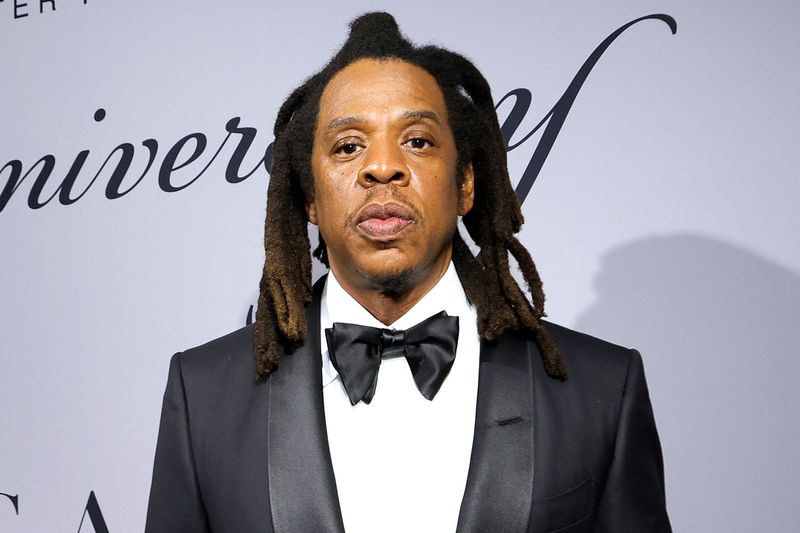
The blueprint here is diversification with an ownership-first mindset.
Music created the platform, but business decisions built the empire, especially when he focused on equity rather than quick cash.
Roc Nation added management and production muscle, while investments and high-profile brand partnerships helped move his wealth beyond entertainment cycles.
What makes his story notable is how he repeatedly leveraged cultural relevance into business leverage, turning visibility into negotiating power.
Instead of treating fame as the product, he used it as the distribution channel for larger assets.
Whether it’s stakes in companies, branding ventures, or catalog value, the recurring theme is control.
The bigger the stake, the less dependent the fortune is on the next album or tour.
2. Oprah Winfrey — ~$3.2B
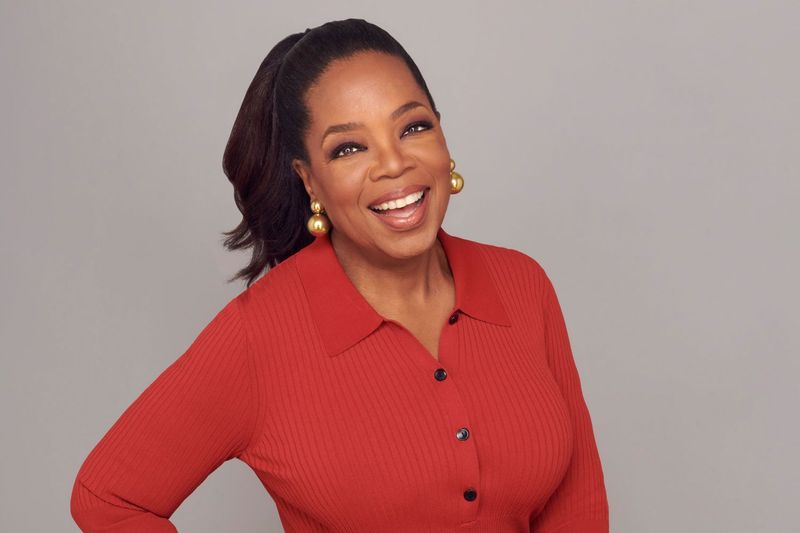
Media success can be fleeting, but building the platform behind the spotlight can last for decades.
Her rise from talk show dominance to business mogul status shows the difference between being a star and owning the studio.
Through Harpo, she maintained control over production and distribution in ways that many celebrities never manage, and her network ventures helped expand her reach beyond one format.
Partnerships, strategic investments, and a reputation for shaping public taste have kept her brand remarkably resilient.
She also represents the power of trust, since audiences are more likely to follow recommendations from someone they believe in.
When credibility becomes an asset, it can translate into everything from licensing opportunities to high-value equity deals.
1. Michael Jordan — ~$3.8B
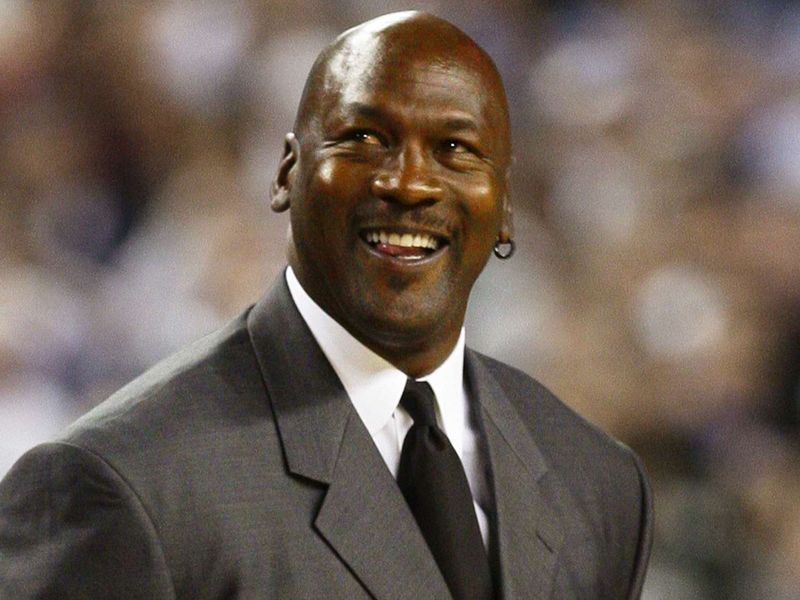
Few athletes have turned a sports legacy into a global business engine the way this NBA icon has.
The cornerstone of his wealth is the long-running partnership with Nike, where the Jordan Brand has become a category-defining powerhouse that sells far beyond basketball fans.
Add in decades of endorsements, smart investing, and major ownership plays, and you get a fortune that keeps compounding.
His sale of the Charlotte Hornets stake also reinforced how powerful equity can be compared to straight income.
What stands out most is the durability of his brand; even people who never watched him play still buy the shoes, the apparel, and the myth.
When a name becomes a product line, the earning potential stops being tied to time.
Comments
Loading…