
 Mary Murphy
Drinking Nothing But Soda for a Month: 10 Things That Happen to Your Body

Swapping water, coffee, tea, and everything else for soda sounds like one of those “how bad could it be?” experiments—until you actually live it.
Whether you’re reaching for regular soda, diet, or a mix of both, making it your only drink for a full month can affect far more than your waistline.
Soda is a concentrated combo of sugar (or sweeteners), acidity, carbonation, and often caffeine, and each one has a ripple effect on how your body feels and functions day to day.
Some changes show up quickly, like energy swings and headaches, while others build gradually, like dental damage and stubborn inflammation.
If you’ve ever wondered what would happen if soda became your default source of hydration, here are 10 real ways your body can respond after a month of nothing but fizzy drinks.
1. Your blood sugar turns into a roller coaster
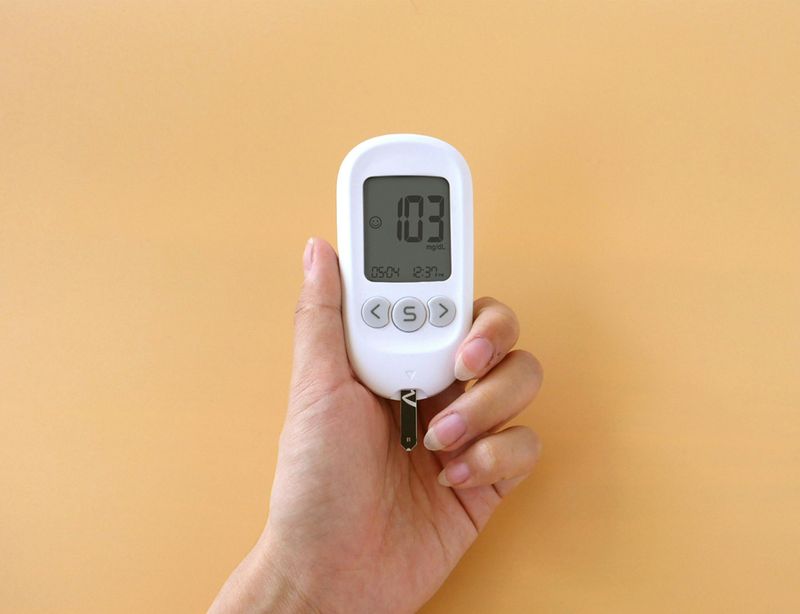
Even if you don’t normally think about blood sugar, drinking soda all day can force you to notice it.
Regular soda delivers a fast, heavy dose of sugar that absorbs quickly, which can make your glucose surge and then drop hard as your body scrambles to bring things back into balance.
Those swings often show up as irritability, shakiness, sudden fatigue, and the weird feeling of being hungry right after you’ve consumed plenty of calories.
Over time, frequent spikes can also make your body less responsive to insulin, meaning it may take more effort to manage the same amount of sugar than it did before.
If you’re mixing soda with typical meals, the cycle can become even more intense because you’re stacking sugar on top of carbs.
2. You start craving more sugar (even when you’re not hungry)

What starts as a simple habit can quickly become a feedback loop: soda makes you crave more soda, plus more sweets in general.
Highly sweet drinks hit your reward system fast, teaching your brain to look for that quick “feel good” boost whenever you’re bored, stressed, or tired.
After a couple of weeks, regular foods can seem less satisfying, which makes it easier to reach for cookies, candy, or extra snacks just to feel the same level of pleasure.
Even diet soda can keep the craving cycle going, because your taste buds stay trained on extreme sweetness.
That can make it harder to enjoy naturally sweet foods like fruit, and it can increase mindless grazing because your body keeps expecting another sugar hit.
3. You gain weight fast—especially around your midsection

Replacing every drink with soda can quietly add hundreds, sometimes thousands, of extra calories per day, depending on how much you’re drinking.
The tricky part is that liquid calories don’t register the same way food does, so you might not feel fuller or naturally eat less to compensate.
Instead, your appetite can stay the same while your daily intake climbs.
Over a month, that surplus can translate into noticeable weight gain, and many people find it settles around the midsection.
Beyond the calorie math, sugary drinks can also influence hunger hormones and make you more likely to crave refined carbs, which creates even more opportunities to overeat.
If you’re choosing diet soda, weight gain isn’t guaranteed, but the appetite and craving effects can still make balance harder.
4. Your energy tanks and brain fog kicks in

The first few days might feel like a boost, especially if your soda has caffeine, but the long-term effect often flips.
Sugar and caffeine can create a high-alert sensation followed by a slump, and when soda is your only drink, those highs and lows can happen repeatedly throughout the day.
You may notice that it’s harder to concentrate, you forget little things, and you feel mentally “slow” in the afternoon even if you slept.
The crash can also trigger another craving for soda, which restarts the cycle and makes it harder to stabilize your energy naturally.
If you cut back suddenly after relying on it heavily, withdrawal headaches and fatigue can make you feel even worse, which is why the habit can be surprisingly difficult to break.
5. Your teeth take a serious hit
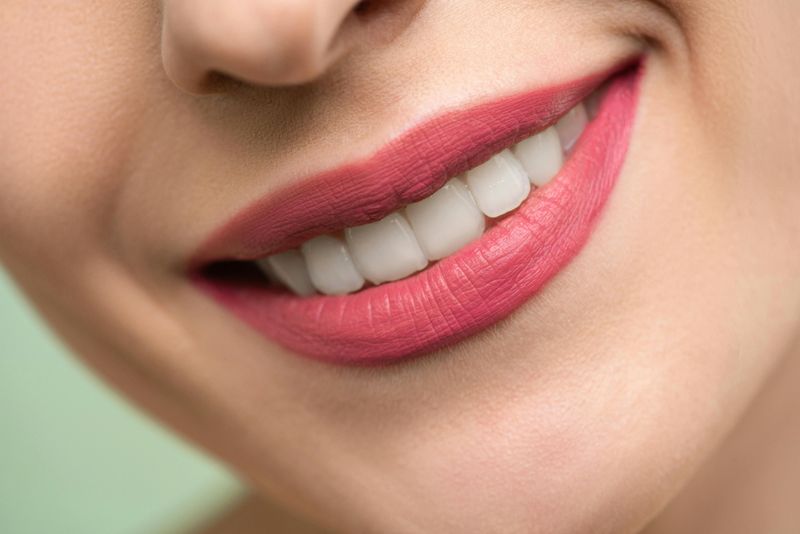
A month of constant sipping exposes your mouth to a steady stream of acid, and that matters even if the soda is sugar-free.
The acidity softens tooth enamel, making it easier for it to wear down over time, while regular soda adds sugar that feeds cavity-causing bacteria.
The combination can lead to sensitivity, dull-looking teeth, and a higher risk of decay, especially if you sip slowly throughout the day rather than finishing a drink with meals.
People are often surprised by how quickly they notice changes like a “zinger” when drinking something cold or the feeling that their teeth aren’t as smooth.
Even brushing immediately after soda isn’t a perfect fix, because enamel can be temporarily softened, making aggressive brushing more damaging.
6. Your gut gets weird

Living on fizzy drinks can make your digestive system feel like it’s having a personality change.
Carbonation adds extra gas, so bloating and burping may become frequent, and some people find their stomach feels stretched or uncomfortable after drinking a lot of bubbles.
If you’re choosing regular soda, the high sugar load can pull water into the intestines and contribute to loose stools, while diet sodas may cause issues for a different reason: certain sweeteners can be hard to digest and may trigger gassiness or diarrhea in sensitive people.
Many sodas are also acidic, which can aggravate reflux, creating that burning sensation in the chest or a sour taste that shows up when you lie down.
Over a month, those small symptoms can add up to daily discomfort.
7. You get dehydrated without realizing it
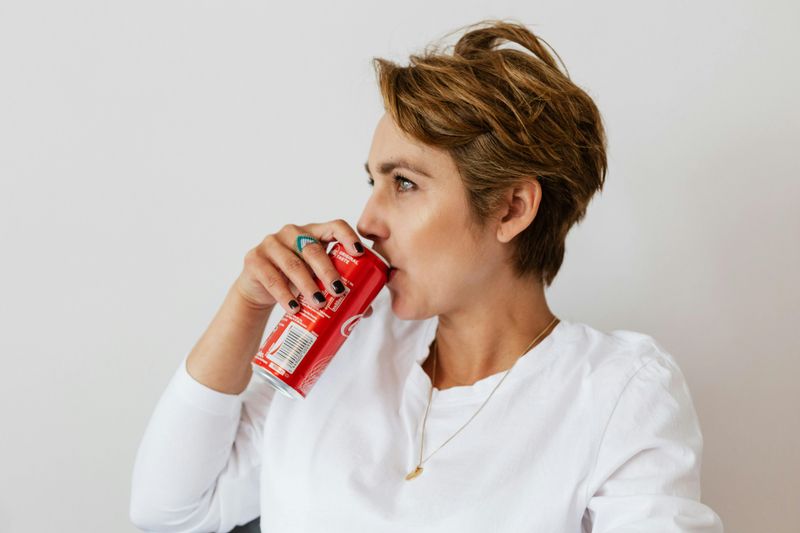
It’s easy to assume that any liquid counts as hydration, but a soda-only month can still leave you feeling dry and depleted.
If the soda contains caffeine, it can increase urination, which makes it easier to lose fluids without noticing until symptoms appear.
Even without caffeine, soda doesn’t replace what your body normally gets from water, and that can show up as headaches, dry lips, constipation, and feeling unusually thirsty even while you’re drinking constantly.
Some people notice their urine gets darker or they start feeling lightheaded when standing up quickly.
Dehydration also makes workouts feel harder and recovery slower, which can be frustrating if you’re active.
The biggest issue is that the thirst signal isn’t always obvious, so you can be under-hydrated while still consuming plenty of beverages.
8. Your skin looks dull (and breakouts may flare)

A soda-only month can show up on your face in ways that feel unfairly fast.
Dehydration can make skin look less plump, which often translates into a tired, dull appearance and more noticeable fine lines around the eyes or mouth.
On top of that, high sugar intake can increase inflammation in the body, and inflammation is a common ingredient in acne flare-ups and redness.
Some people notice oilier skin, while others experience dry patches that feel harder to manage with skincare alone.
If you’re already prone to hormonal breakouts or sensitive skin, the stress of blood sugar swings can make blemishes more frequent or slower to heal.
Even if your routine stays the same, your skin may look “off” simply because your body is juggling sugar, acidity, and hydration issues all at once.
9. Your sleep quality gets wrecked

Even when you’re exhausted, drinking soda all day can make real rest harder to achieve.
Caffeine is the obvious culprit, and many people underestimate how long it lingers in the body, meaning an afternoon soda can still affect bedtime.
Sugar swings can also interfere with sleep by causing nighttime restlessness or waking you up feeling hungry or thirsty.
Some people notice they fall asleep quickly but wake up repeatedly, while others struggle to wind down because they feel jittery or mentally wired.
If you’re drinking soda close to bedtime, frequent bathroom trips can become part of the problem too, especially if you’re compensating for thirst late in the day.
After a few weeks of disrupted sleep, mood and appetite tend to worsen, which makes the overall cycle feel even more intense.
10. Your heart and blood pressure may feel “off”

A steady stream of soda can leave you more aware of your heartbeat than you want to be.
Caffeine can trigger jitters and palpitations in some people, especially when intake climbs without much water or food balance to buffer it.
Sugar also plays a role by increasing stress on the body, which may contribute to feeling anxious, flushed, or unusually “amped up” at random moments.
Some people notice their blood pressure readings creep higher, while others simply feel short of breath during normal activities because their body feels overstimulated.
If you already have anxiety, sensitivity to caffeine, or blood pressure concerns, a soda-only month can make those issues more noticeable.
Even without an underlying condition, feeling your heart race after something as routine as climbing stairs can be a wake-up call that your body isn’t loving the experiment.
Comments
Loading…