
 Mila Ross
12 Things People Regret Not Learning Earlier in Life

Most people look back on their younger years and wish they had picked up certain skills or habits sooner. Whether it’s managing money better, speaking up for yourself, or taking care of your health, these lessons often come after we’ve already made mistakes.
Learning them early can save you stress, time, and even money down the road. Here are twelve things that people commonly wish they had started learning much earlier in life.
1. Financial Literacy and Money Management

Understanding how money works can change your entire future.
Many adults realize too late that knowing how to budget, save, and invest could have prevented years of financial stress.
Schools rarely teach practical money skills, leaving many people to figure it out through costly mistakes.
Learning to track your spending, avoid unnecessary debt, and build an emergency fund are essential life skills.
Starting early gives your savings more time to grow.
Even small amounts invested wisely can become substantial over decades, setting you up for a more secure and comfortable life.
2. A Second Language
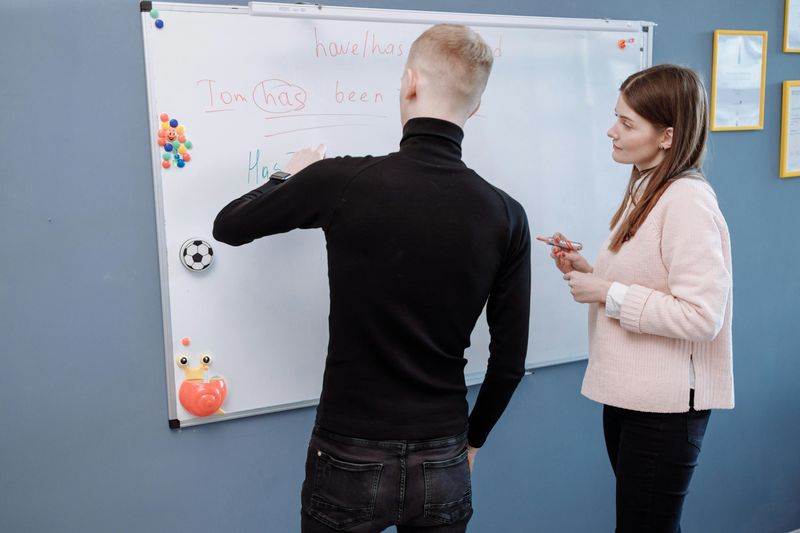
Your brain is like a sponge when you’re young, soaking up new languages with remarkable ease.
Adults often struggle for years to achieve what children pick up in months.
Speaking another language opens doors to different cultures, career opportunities, and ways of thinking.
It makes travel more meaningful and helps you connect with people from around the world.
Bilingual people often enjoy cognitive benefits too, including better problem-solving skills and memory.
The earlier you start, the more natural and fluent you’ll become, making the effort feel less like work and more like second nature.
3. Basic Cooking Skills

Relying on takeout and processed foods takes a toll on both your wallet and your health.
Knowing how to prepare simple, nutritious meals is a form of self-care that pays dividends every single day.
Cooking isn’t just about following recipes.
It’s about understanding flavors, nutrition, and how to nourish yourself properly without depending on restaurants or convenience foods.
People who learn to cook early develop healthier eating habits that last a lifetime.
You’ll save thousands of dollars over the years while enjoying fresher, tastier food that you made with your own hands.
4. How to Say No

Saying yes to everything might seem like the polite thing to do, but it often leads to burnout and resentment.
Learning to set boundaries protects your time, energy, and mental health.
Many people spend years overcommitting themselves before they realize that “no” is a complete sentence.
You don’t owe everyone an explanation for prioritizing your own needs and goals.
When you respect your own limits, others learn to respect them too.
This skill helps you build healthier relationships, perform better at work, and maintain the balance you need to actually enjoy your life.
5. Physical Fitness and Exercise Habits

Bodies that move regularly stay healthier longer.
Establishing an exercise routine in your youth makes it easier to maintain as you age, preventing many health problems before they start.
Waiting until you have health issues to start exercising makes everything harder.
Building strength, flexibility, and endurance early creates a foundation that supports you through every stage of life.
Regular physical activity improves your mood, sleep, and energy levels immediately.
It’s not about becoming an athlete; it’s about moving your body consistently so you can feel good and stay independent as you grow older.
6. Emotional Intelligence and Self-Awareness

Recognizing and managing your emotions is just as important as any academic skill.
People with high emotional intelligence navigate relationships, conflicts, and stress far more effectively than those who ignore their feelings.
Self-awareness helps you understand why you react certain ways and how your behavior affects others.
This knowledge transforms how you communicate, make decisions, and build meaningful connections.
Many people spend decades reacting impulsively before they learn to pause and reflect.
Starting this practice early saves you from unnecessary drama, damaged relationships, and years of repeating the same mistakes over and over.
7. Time Management and Prioritization

Hours slip away faster than you realize when you don’t have a plan.
People who master their time early accomplish more, stress less, and actually have space for the things they enjoy.
Procrastination and poor planning create unnecessary pressure and missed opportunities.
Learning to identify what truly matters and tackle it first prevents that constant feeling of being overwhelmed and behind.
Time is the one resource you can never get back.
Developing systems to use it wisely early on means you’ll spend less of your life catching up and more of it moving forward toward your goals.
8. Basic Home and Car Maintenance

Calling a professional for every small issue gets expensive fast.
Knowing how to handle basic repairs and maintenance saves you money and gives you confidence in managing your own space.
Simple tasks like changing air filters, unclogging drains, or checking your car’s fluids aren’t complicated once someone shows you how.
These small skills add up to big savings over time.
Being self-sufficient feels empowering.
When something breaks, you won’t panic or feel helpless; you’ll either fix it yourself or at least understand what needs to be done and whether you’re being charged fairly.
9. Effective Communication Skills

Getting your point across clearly while truly hearing what others say is harder than it sounds.
Poor communication causes most relationship problems, workplace conflicts, and misunderstandings that could have been avoided.
Active listening, expressing yourself without blame, and reading social cues are learnable skills.
They improve every interaction you have, from job interviews to family discussions to romantic relationships.
People who communicate well get more of what they need from life.
They negotiate better salaries, resolve conflicts faster, and build stronger connections because others feel heard and understood when talking with them.
10. How to Fail and Recover

Failure isn’t the opposite of success; it’s part of the path to it.
Yet many people never learn how to fail gracefully, so they avoid risks altogether and miss out on growth.
Resilience comes from experiencing setbacks and discovering you can handle them.
Each failure teaches you something valuable if you’re willing to learn from it instead of letting it define you.
People who embrace failure early develop a growth mindset that serves them forever.
They try new things, take calculated risks, and bounce back faster because they know that falling down doesn’t mean staying down.
11. Proper Sleep Habits and Rest

Pulling all-nighters and running on caffeine might feel productive, but chronic sleep deprivation damages your health in ways that compound over time.
Quality sleep isn’t laziness; it’s essential maintenance for your brain and body.
Your memory, mood, immune system, and decision-making all suffer when you’re sleep-deprived.
Establishing a consistent sleep schedule early prevents years of health problems and poor performance.
Rest is when your body repairs itself and your mind processes information.
Treating sleep as a priority rather than an inconvenience sets you up for better health, clearer thinking, and more energy to actually enjoy your waking hours.
12. Networking and Building Relationships

Who you know really does matter, not because of manipulation but because genuine connections create opportunities.
Many jobs, collaborations, and life-changing chances come through people, not applications.
Building a network isn’t about collecting contacts; it’s about forming real relationships where you offer value and support others.
These connections become a web of mutual help throughout your career and life.
Starting early means your network grows with you.
By the time you need advice, a referral, or a helping hand, you’ll have cultivated relationships with people who are happy to support you because you’ve supported them too.
Comments
Loading…