
 Harper Hall
12 TV Characters Who Carried the Entire Series

Some shows are built like true ensembles, with a dozen characters sharing the spotlight and taking turns pulling your attention.
Others pretend they’re balanced, but everyone watching knows the truth: one person is doing the heavy lifting.
Whether it’s a magnetic lead performance, a character written with sharper edges than everyone else, or a personality so big it warps the entire story around it, these are the TV figures who feel like the series’ beating heart.
When they’re on screen, the pacing tightens and the jokes land harder, and even the supporting cast seems to level up just by standing near them.
When they’re gone, the absence feels obvious, like the show misplaced its compass.
Here are twelve characters who didn’t just star in their series—they carried it.
1. Michael Scott — The Office (US)

Few sitcom characters have ever been as cringeworthy, lovable, and strangely essential as the manager of Dunder Mifflin’s Scranton branch.
The workplace setting is intentionally bland, which makes the show’s success hinge on a single unpredictable force who can turn a routine meeting into chaos or an awkward party into comedy history.
Michael’s need for approval drives storylines forward in a way that feels both ridiculous and painfully human, and his emotional sincerity gives the series its surprising warmth.
Even when he behaves terribly, the writing keeps him understandable rather than cartoonish, which is why viewers stay invested.
The show still has great moments later, but his presence is the spark that consistently transforms office boredom into something unforgettable.
2. Tyrion Lannister — Game of Thrones

In a series packed with war councils, betrayals, and sudden deaths, the sharpest scenes often belonged to the smallest man in the room.
Tyrion brings a rare mix of intelligence and vulnerability that makes the political plotting feel personal, and his dialogue frequently serves as the show’s moral and comedic counterweight.
While other characters swing between extremes, he stays compelling because he adapts, calculating risks while still craving basic dignity and belonging.
His relationship with power is complicated enough to keep viewers guessing, and even quieter moments land because you can see the toll of surviving in a world designed to crush him.
When his storylines weaken, the show’s overall spark tends to dim right along with them.
3. Olivia Pope — Scandal
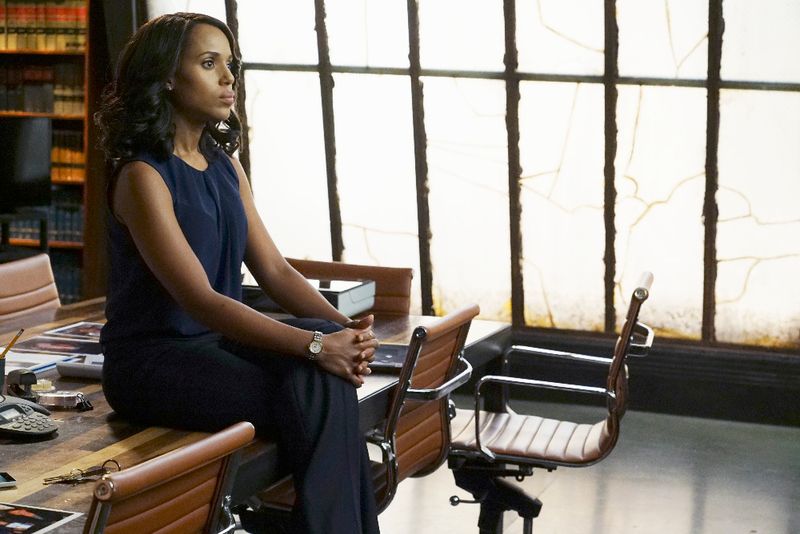
Instead of relying on a huge ensemble to create momentum, this drama runs on one woman’s ability to control the room.
Olivia is written as both mythic and deeply flawed, and that combination makes every case-of-the-week feel tied to something larger.
She isn’t just solving crises; she’s battling the consequences of her ambition, her appetite for power, and her complicated relationships with people who should be off-limits.
The show’s pacing often mirrors her energy, moving faster when she’s in command and feeling shakier when she isn’t.
Kerry Washington’s performance also does a lot of invisible work, selling speeches that could sound absurd on paper and making even quiet pauses feel loaded.
Without Olivia, the series would be mostly noise without a center.
4. Walter White — Breaking Bad
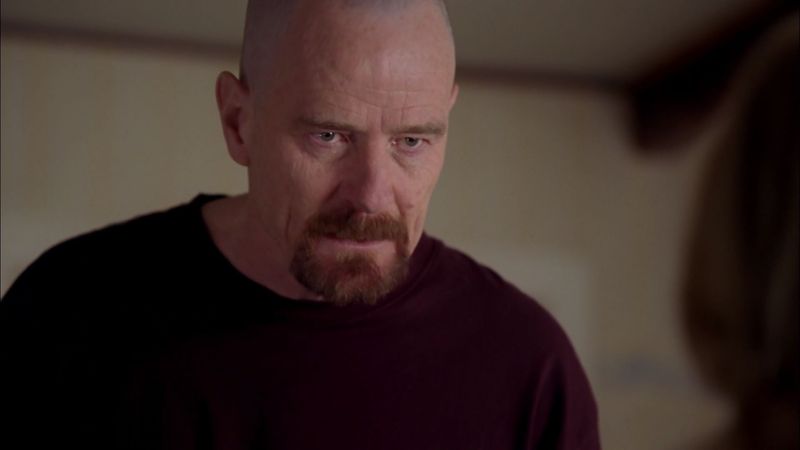
Even before the show became a cultural obsession, its foundation rested on one unforgettable transformation.
Walter’s shift from mild-mannered teacher to ruthless kingpin creates the tension that keeps every episode humming, because viewers are constantly tracking what he’ll justify next.
The brilliance is that the series never treats his descent as a simple flip of a switch; it unfolds through pride, fear, and ego in ways that make you uncomfortable with how often you understand him.
Supporting characters are strong, but their best moments usually happen in reaction to Walt, whether they’re resisting him, enabling him, or being destroyed by him.
The stakes rise because his choices escalate, and the drama works because he remains unpredictable while still feeling psychologically consistent.
That’s carrying a series in the truest sense.
5. Fleabag — Fleabag
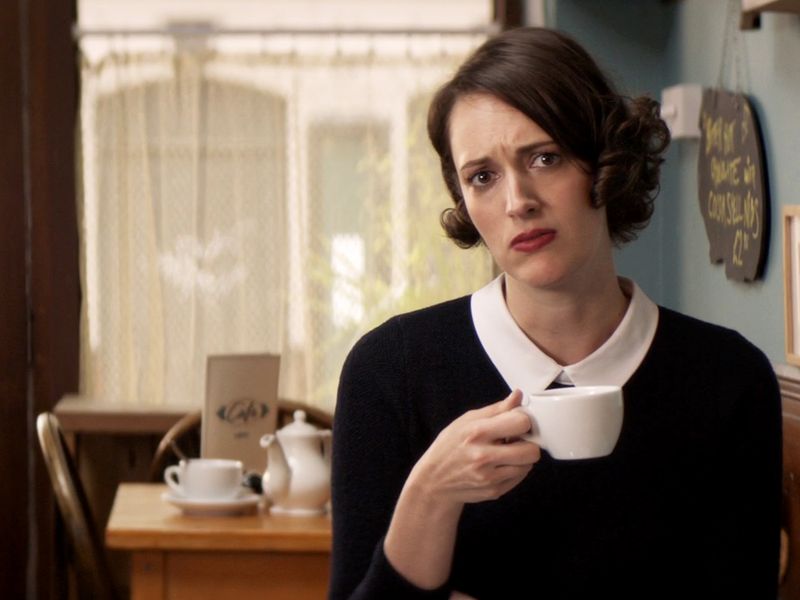
A lot of shows rely on plot twists to keep viewers hooked, but this one relies on voice—specific, intimate, and impossible to ignore.
The central character’s ability to narrate her life directly to the audience turns ordinary moments into confessionals, and the humor hits harder because it’s always sitting beside grief.
She’s messy without being shallow, and the writing trusts viewers to follow the contradictions rather than demanding likability.
The supporting cast is memorable, yet everything is filtered through her perspective, which is why the show feels so cohesive and emotionally sharp.
When she breaks the fourth wall, it isn’t just a gimmick; it’s a coping mechanism, and watching that armor crack becomes the series’ real story.
Take her away, and there’s simply no show left.
6. Jessica Day — New Girl

A quirky roommate comedy can collapse fast if the lead feels like a collection of “adorable” traits, but this character works because she’s both sincere and stubborn.
Jess sets the tone with her big feelings, impulsive optimism, and slightly chaotic life choices, which gives everyone else something to bounce off.
Even when the guys become fan favorites, the structure still revolves around her friendships, romances, and constant attempts to build a home out of mismatched people.
The show’s emotional beats land because she’s the one who pushes for honest conversations, even when doing so is embarrassing.
Her flaws help, too, since the sweetness isn’t presented as perfection; it’s a coping style that occasionally backfires.
Without Jess, the loft would just be a funny apartment, not a story.
7. Meredith Grey — Grey’s Anatomy
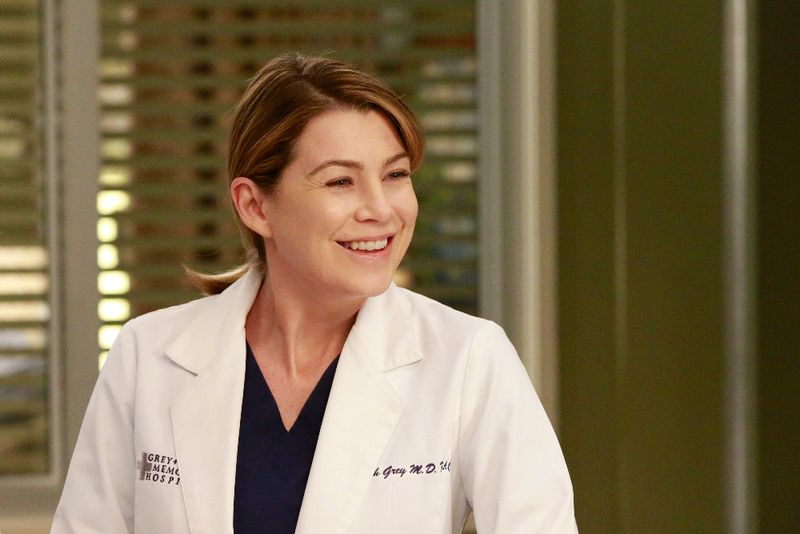
Long-running medical dramas can survive cast shake-ups, but this one’s identity has always been tethered to a single perspective.
Meredith acts as the emotional narrator, whether she’s literally voicing over an episode or simply anchoring the chaos with her evolving sense of self.
The hospital storylines change, relationships come and go, and entire eras of characters disappear, yet the audience stays connected because her journey provides continuity.
She’s written as resilient without being invulnerable, and the show repeatedly returns to themes of loss, ambition, and chosen family through her experiences.
Even when viewers argue about later seasons, the conversation still revolves around what Meredith is doing, who she’s losing, and what she’s becoming.
That’s the mark of a character who carries a franchise, not just a series.
8. Buffy Summers — Buffy the Vampire Slayer

The supernatural elements are fun, but the reason the show works is that its hero makes the monsters feel meaningful.
Buffy carries the weight of being “the chosen one” while still dealing with school, friendships, and heartbreak, and that balance keeps the series grounded.
Her strength is never portrayed as effortless, which makes victories satisfying and losses genuinely painful.
The tone shifts from horror to comedy to tragedy, yet she stays believable because her core conflict remains constant: wanting a normal life while being responsible for everyone else’s survival.
Sarah Michelle Gellar also brings a steady emotional intelligence to the role, letting humor and vulnerability coexist in the same scene.
The ensemble is strong, but the show’s moral center and emotional intensity live in Buffy’s choices.
9. Tony Soprano — The Sopranos
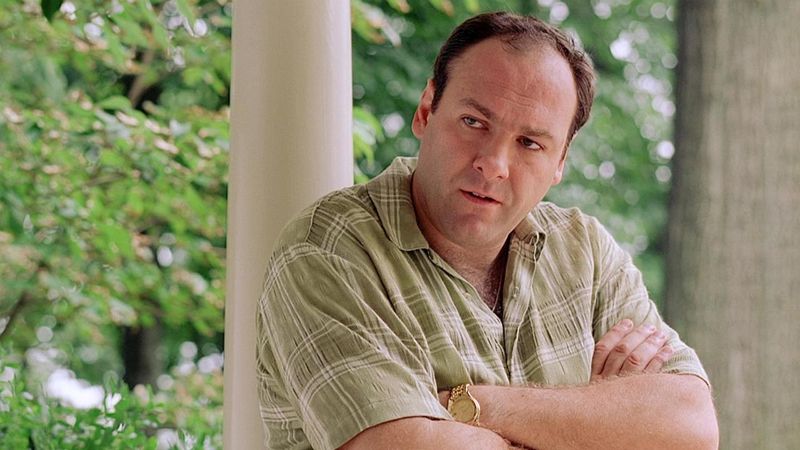
Crime stories have existed forever, but this series changed television by making one complicated man feel like an entire universe.
Tony isn’t just a mob boss; he’s a father, a husband, and a walking contradiction who can be charming and terrifying in the same breath.
The writing builds tension by forcing viewers to sit inside his justifications, watching him rationalize cruelty while still craving love and approval.
Therapy scenes are especially revealing because they strip away the usual gangster mythology and replace it with raw insecurity and rage.
Many characters are memorable, but the show’s gravity always returns to Tony’s psyche, because his choices ripple outward into everyone’s lives.
When he’s on screen, you feel like you’re watching the engine of the story run in real time.
10. Carrie Bradshaw — Sex and the City

The series is remembered for friendships and fashion, but its glue is the woman whose voice frames the entire experience.
Carrie’s narration turns dating mishaps into cultural commentary, and her perspective shapes how viewers interpret the other women’s choices, even when those choices are more grounded.
She’s not always right, which is part of why she carries the show; her blind spots generate conflict, and her romantic contradictions keep episodes moving.
The writing also uses her as a bridge between glamorous fantasy and uncomfortable realism, letting the show be both escapist and emotionally messy.
Because she’s the lens, her relationships determine the rhythm of the series, from the excitement of new romance to the lingering ache of old love.
Without Carrie’s point of view, the show would lose its signature voice.
11. Dexter Morgan — Dexter

A premise this dark only works if the audience is willing to follow the lead into uncomfortable territory, and Dexter earns that investment through relentless interiority.
His narration invites viewers into a mind that is trying to imitate normal life while quietly craving control, which creates tension even in mundane scenes.
The show’s best episodes thrive on the gap between what he presents to others and what he admits to himself, because that gap keeps shifting as his attachments grow.
Supporting characters matter, but they function largely as mirrors, temptations, or threats that force Dexter to confront the limits of his “code.”
The series can wobble when plotting gets messy, yet the character remains the hook because he’s both monster and man, and watching him balance those identities is the entire point.
12. House — House, M.D.

Medical mysteries come and go, but this show’s staying power comes from a protagonist who treats every case like a personal battle.
House is brilliant, abrasive, and relentlessly skeptical, which turns ordinary diagnoses into philosophical arguments about truth, pain, and human behavior.
The supporting doctors are important, yet their most compelling moments usually happen when they challenge him, enable him, or suffer the consequences of working in his orbit.
What makes him a true series-carrier is that he’s never just “mean for laughs”; his cynicism is tied to addiction, loneliness, and a refusal to be comforted by easy answers.
The show’s formula stays familiar, but his unpredictability keeps it alive, because you never know whether he’ll solve the case through genius, sabotage it through ego, or reveal something unexpectedly tender in spite of himself.
Comments
Loading…