
 Hailey Watson
These Everyday American Habits Seem Strange to the Rest of the World

America is a land of unique traditions, and what feels perfectly normal to Americans often leaves visitors scratching their heads in confusion.
From the way we eat to how we communicate, these everyday practices reveal just how different cultures can be.
Understanding these quirks not only helps travelers prepare for their American adventures but also reminds us that normal is relative depending on where you call home.
1. Adding a Tip to Nearly Every Service

Walk into any American restaurant and you’ll quickly learn that the price on the menu isn’t really the final price.
Servers, bartenders, delivery drivers, and even hairstylists expect tips ranging from fifteen to twenty percent of your total bill.
This system exists because many service workers earn wages well below minimum wage, relying on customer generosity to make ends meet.
In countries like Japan, Australia, and much of Europe, tipping is either minimal or considered insulting.
Workers there earn full wages, so the bill you see is what you pay.
For visitors to America, calculating tips on top of already-added sales tax creates confusion and sometimes frustration at checkout.
2. Price Tags That Lie About the Real Cost

Picking up an item marked nine dollars and ninety-nine cents, only to discover at checkout that you actually owe ten dollars and seventy-five cents.
Sales tax in America gets added after you’ve already decided to buy something, unlike most countries where the displayed price includes everything.
Each state, county, and even city can set different tax rates, making it impossible for stores to show one uniform price.
International shoppers often feel tricked by this system, carefully budgeting their purchases only to come up short at the register.
Americans grow up doing mental math at every store, automatically adding roughly ten percent to everything they buy.
3. Restaurant Portions Big Enough for Two People
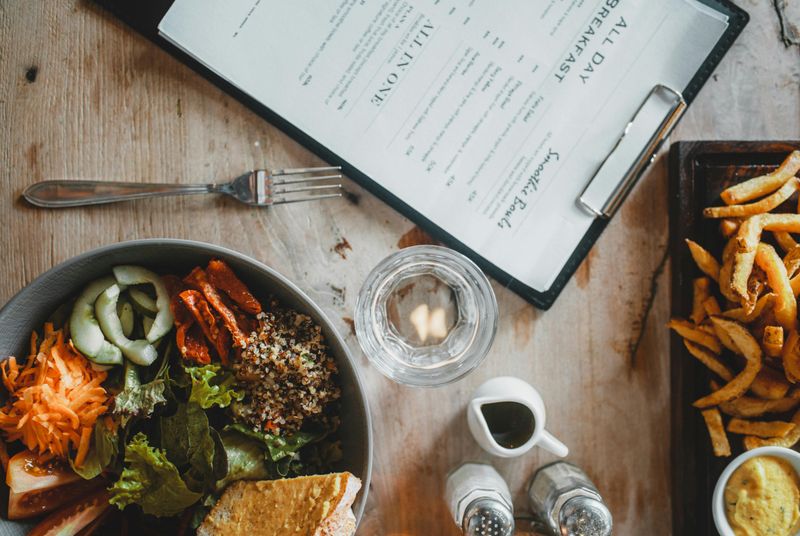
American restaurants serve meals that could feed a small family, with burgers the size of dinner plates and pasta bowls that overflow.
This tradition of abundance stems from agricultural prosperity and a cultural belief that more equals better value.
Many Americans routinely take home leftovers in doggy bags, planning tomorrow’s lunch while still eating today’s dinner.
Visitors from Europe, Asia, and other regions often stare in disbelief when their order arrives.
In their home countries, portions are carefully measured to match typical appetites, and finishing your plate is expected rather than impossible.
The American super-size mentality extends beyond restaurants to grocery stores, where even snack packages dwarf their international equivalents.
4. Unlimited Drink Refills at Restaurants
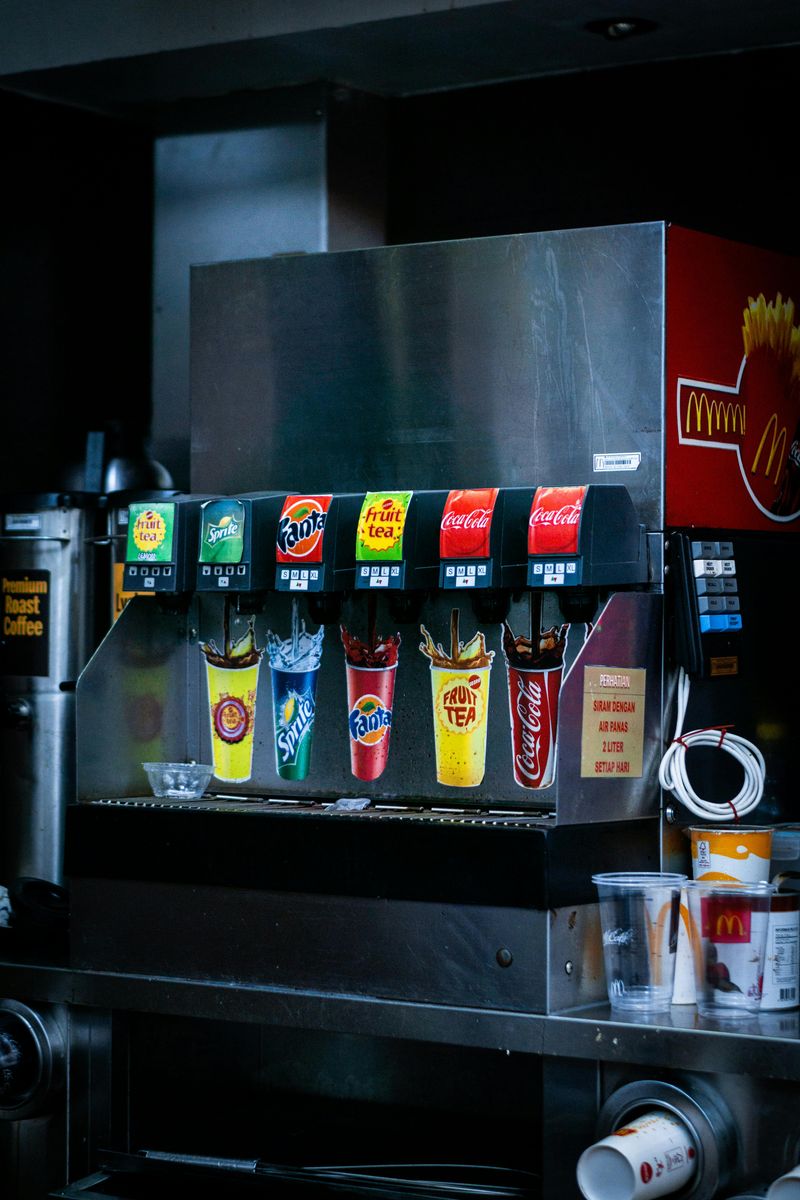
Order a soda or coffee at most American restaurants and your cup will magically refill without anyone asking if you want more or charging extra.
This endless beverage policy feels luxurious to visitors who pay per drink back home.
Americans barely notice servers swooping in to top off their glasses, treating unlimited refills as a basic dining right rather than a special perk.
In Europe, ordering a second Coke means paying for a second Coke, making the American system seem wastefully generous.
Some countries view this practice as contributing to health problems, encouraging people to consume far more sugary drinks than necessary.
Fast food chains particularly embrace this policy, with self-serve fountains allowing customers to refill dozens of times if desired.
5. Cups Overflowing With Ice Cubes

Americans love their drinks ice-cold, filling glasses so full of frozen cubes that actual beverage barely fits.
This obsession with icy refreshment confuses visitors from countries where drinks arrive at room temperature or with just one or two cubes floating on top.
The practice started when ice became cheap and abundant, transforming from luxury to expectation in American food culture.
Many international guests feel cheated, watching their expensive juice disappear behind a wall of ice that quickly melts and dilutes the flavor.
Europeans especially prefer tasting their beverages rather than numbing their tongues with arctic temperatures.
Americans, meanwhile, consider a drink without substantial ice to be warm and unappetizing, requesting extra cubes even in winter months.
6. Keeping Shoes On Inside the House
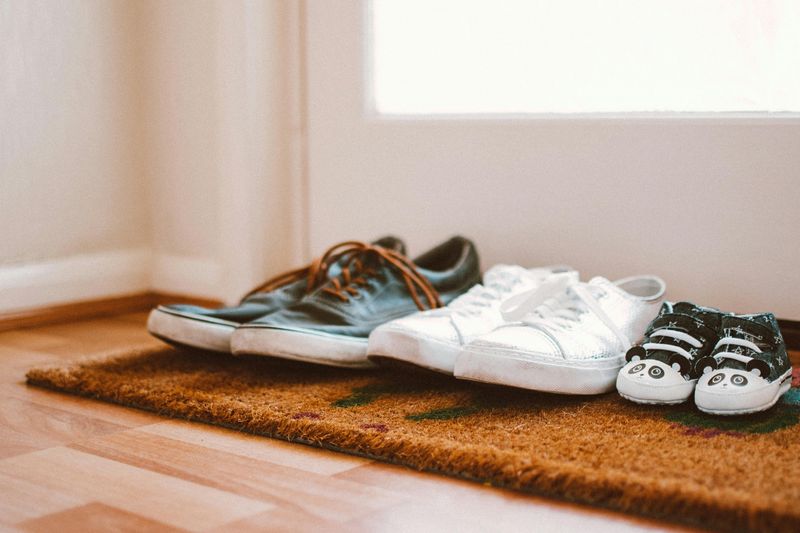
Most Americans walk through their homes wearing the same shoes they wore outside, tracking invisible dirt across carpets and hardwood floors.
This habit shocks visitors from Asian, Scandinavian, and Middle Eastern cultures where removing shoes at the door is non-negotiable.
The American approach values convenience and casual comfort over the cleanliness concerns that dominate other societies.
Some American households do enforce shoe-removal rules, but many consider it an optional preference rather than mandatory etiquette.
Guests often feel uncertain whether to unlace their sneakers or keep them on, watching for social cues from their hosts.
The debate continues even among Americans themselves, with neat freaks horrified by shoe-wearers and relaxed types finding the whole discussion unnecessarily fussy.
7. Speaking Bluntly Without Softening Messages

Americans pride themselves on saying exactly what they mean, valuing efficiency and clarity over diplomatic cushioning.
While other cultures wrap criticism in layers of politeness and indirect suggestions, Americans deliver feedback straight and expect the same in return.
This directness speeds up business decisions and prevents misunderstandings, at least among people who share this communication style.
However, visitors from high-context cultures like Japan, Korea, or the Middle East can perceive American bluntness as shockingly rude or aggressive.
What Americans consider honest and helpful, others experience as insulting and disrespectful.
The clash becomes especially apparent in workplace settings, where American managers give criticism that would be considered career-ending harshness in countries that prioritize harmony and face-saving communication.
8. Hugging and Touching People in Public

Americans hug hello, hug goodbye, and sometimes hug people they just met five minutes ago if the conversation went well.
This touchy-feely approach to friendship extends to back pats, shoulder squeezes, and enthusiastic high-fives in public spaces.
The behavior reflects American informality and desire to create instant connections, breaking down social barriers through physical warmth.
Many cultures consider such displays inappropriate outside of romantic relationships or close family bonds.
British, German, and many Asian societies maintain much stricter physical boundaries, making American friendliness feel invasive and uncomfortable.
Even holding hands or kissing in public, which barely registers to Americans, can violate social norms in conservative countries where such intimacy belongs strictly behind closed doors.
9. Demanding Lots of Personal Space Around You
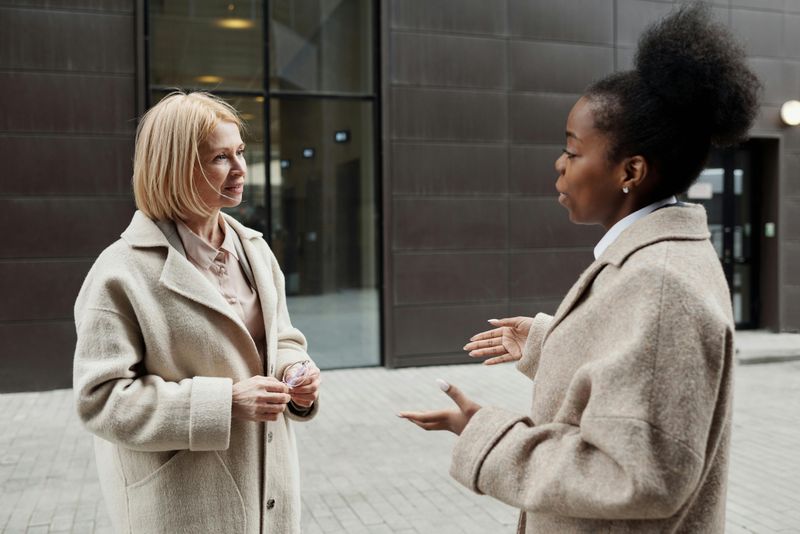
Stand too close to an American and watch them instinctively step backward, protecting an invisible bubble of personal space that extends roughly two feet in every direction.
This territorial behavior stems from cultural values around individualism and privacy, making crowded subway cars and packed elevators genuinely stressful experiences.
Americans unconsciously maintain these distances during conversations, shopping, and waiting in lines.
People from Latin America, Southern Europe, and the Middle East find this standoffishness cold and unfriendly, as their cultures embrace closer proximity during normal interactions.
What feels respectfully distant to Americans registers as rejection or aloofness to visitors accustomed to warmth through nearness.
The pandemic intensified these preferences, with Americans eagerly embracing six-foot distancing rules that felt natural to their existing spatial comfort zones.
10. Arriving Exactly On Time for Everything
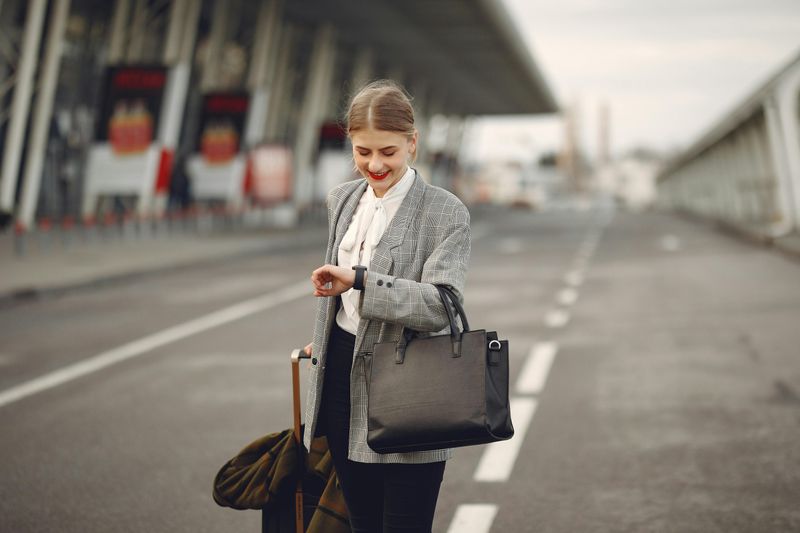
If an American meeting starts at two o’clock, participants arrive at one fifty-eight, considering anything later than two-oh-one to be disrespectfully tardy.
This obsession with punctuality treats time as a valuable resource that shouldn’t be wasted, reflecting Protestant work ethic values deeply embedded in American culture.
Being late signals disorganization, lack of consideration, or insufficient commitment to the relationship or task.
Many cultures operate on much more flexible time concepts, where arriving thirty minutes after the stated time is perfectly normal and even expected.
Mediterranean, Latin American, and some African societies prioritize relationship quality over schedule adherence, finding American time rigidity unnecessarily stressful.
These cultural clashes create awkward situations when punctual Americans wait impatiently for guests who haven’t even started getting ready yet.
Comments
Loading…