
 Hailey Watson
Ever wonder why certain songs seem to play on the radio every single hour?
Some bands hit it big not because of groundbreaking talent, but because radio stations just couldn’t stop spinning their tracks.
Heavy rotation turned these groups from unknowns into household names almost overnight.
Without constant airplay pushing their music into millions of cars and living rooms, many of these acts might have faded into obscurity instead of dominating the charts.
1. Autograph – Turn Up the Radio
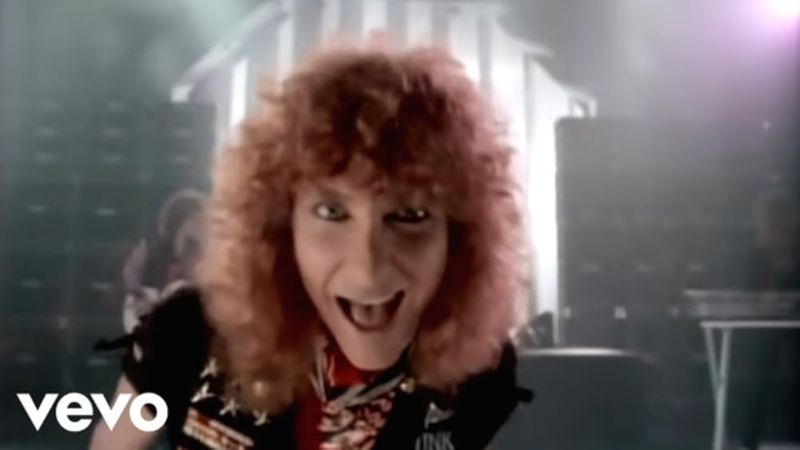
Remember when one catchy song could define an entire band’s career?
Autograph nailed that formula in 1984 with “Turn Up the Radio,” a glam metal anthem that became impossible to escape.
The track climbed to number 29 on the Billboard Hot 100, fueled almost entirely by nonstop radio play across rock stations nationwide.
Radio programmers loved the song’s infectious hook and rebellious energy, spinning it during every prime-time block.
While Autograph released other music, nothing else came close to matching this hit’s success.
They became the textbook definition of a one-hit wonder, remembered solely for that single radio-friendly track that captured lightning in a bottle during the mid-80s rock explosion.
2. REO Speedwagon – Hi Infidelity Era
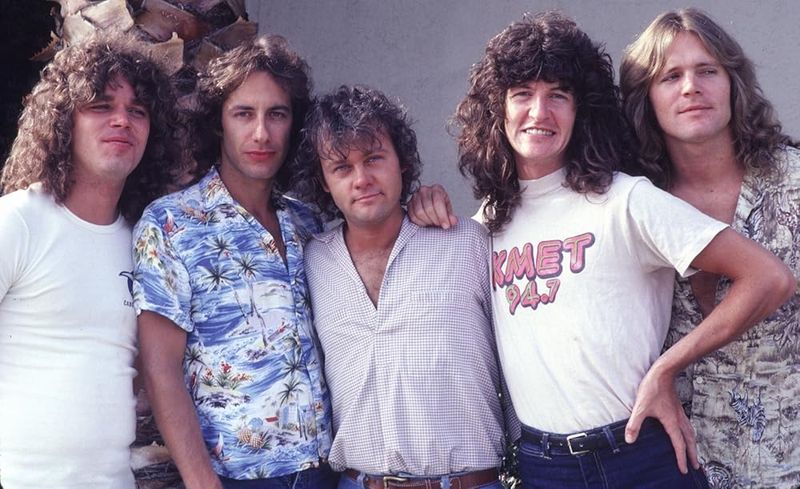
Formed way back in 1966, REO Speedwagon spent over a decade grinding away before radio finally made them superstars.
Their 1980 album Hi Infidelity changed everything, selling more than ten million copies thanks to relentless airplay.
Hits like “Keep On Loving You” and “Take It on the Run” dominated both rock and pop stations simultaneously.
Radio DJs couldn’t resist these power ballads with their emotional lyrics and soaring choruses.
The constant exposure transformed REO Speedwagon from regional favorites into arena-packing megastars almost overnight.
Without those songs playing hourly on stations nationwide, the band likely would have remained cult favorites instead of achieving mainstream dominance throughout the entire decade.
3. Rheostatics – Claire
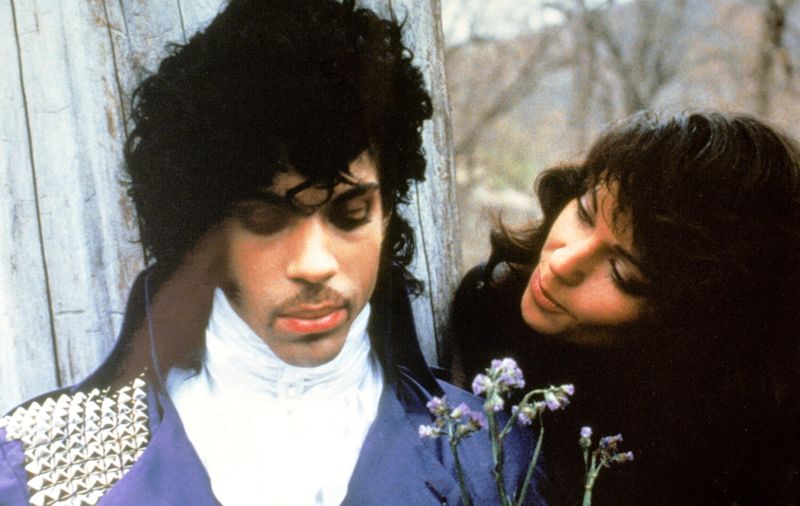
Canadian indie rockers Rheostatics built their reputation on quirky, eclectic music that defied easy categorization.
Then 1995 happened, and “Claire” became their surprise radio breakthrough.
This single cracked the Top 40, introducing their unusual sound to mainstream audiences who had never heard anything quite like it before.
Canadian radio stations embraced the track’s melodic hooks despite its unconventional arrangement and offbeat lyrics.
The song’s success proved more influential than commercially sustainable, though.
Rheostatics remained critical darlings rather than chart dominators, but that one radio-friendly moment gave them recognition far beyond their indie rock fanbase. “Claire” stands as proof that even the most alternative bands need radio support to reach wider audiences.
4. The Verve Pipe – The Freshmen

“The Freshmen” turned The Verve Pipe from Michigan locals into alternative rock stars practically overnight in 1996.
Radio programmers latched onto this melancholic track’s emotional depth and accessible melody, playing it constantly on modern rock and adult contemporary stations alike.
The song’s confessional lyrics about guilt and regret resonated deeply with listeners navigating their twenties.
Without massive radio support pushing the single into heavy rotation, The Verve Pipe likely would have remained regional favorites.
Instead, “The Freshmen” peaked at number five on the Billboard Hot 100 and became one of the decade’s most recognizable alternative anthems.
The band struggled to replicate this success, making them another example of radio creating instant fame that proved difficult to sustain.
5. Chumbawamba – Tubthumping
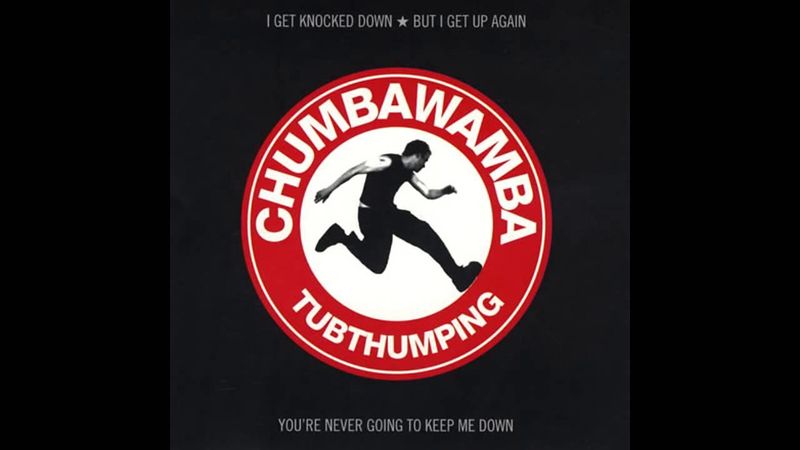
British anarcho-punk band Chumbawamba existed for nearly three decades before “Tubthumping” exploded in 1997.
Radio programmers latched onto the infectious chorus about getting knocked down and getting up again, spinning it relentlessly across multiple formats.
The song’s universal message and singalong quality made it perfect for sports arenas and party playlists.
Despite their long history of politically charged music, most listeners only knew them for this one anthem.
The track reached number six on the Billboard Hot 100, powered almost exclusively by radio saturation.
Once stations moved on to newer hits, Chumbawamba struggled to recapture mainstream attention, proving how fleeting radio-driven fame could be.
6. A-ha – Take On Me
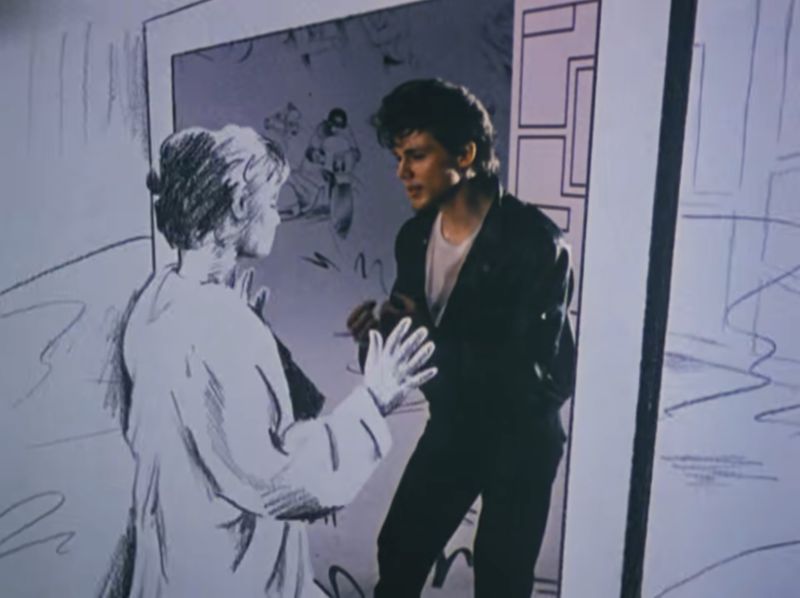
Norwegian synth-pop trio A-ha released “Take On Me” twice before it finally caught fire in 1985.
American radio stations initially ignored the track until its groundbreaking animated music video caught MTV’s attention.
Soon, programmers couldn’t resist the soaring vocals and keyboard hooks, playing it dozens of times daily across top 40 stations nationwide.
The song rocketed to number one on the Billboard Hot 100, making A-ha international superstars overnight.
However, American radio never embraced their follow-up singles with the same enthusiasm.
While they enjoyed continued success in Europe, U.S. audiences primarily remember them for that one unforgettable synth-driven earworm that dominated 1985.
7. Spin Doctors – Two Princes

New York jam band Spin Doctors built a following through relentless touring before radio discovered them in 1992. “Two Princes” featured a bouncy bassline and playful lyrics that program directors found irresistible for daytime rotation.
The track became a staple on alternative and mainstream rock stations, climbing to number eight on the Hot 100.
Radio’s obsession with the song lasted well over a year, with some stations playing it multiple times per shift.
Their debut album went quintuple platinum, driven almost entirely by this single’s airplay.
When radio finally tired of “Two Princes,” the band discovered how quickly fame evaporates without constant broadcast support, never matching this commercial peak again.
8. Blind Melon – No Rain
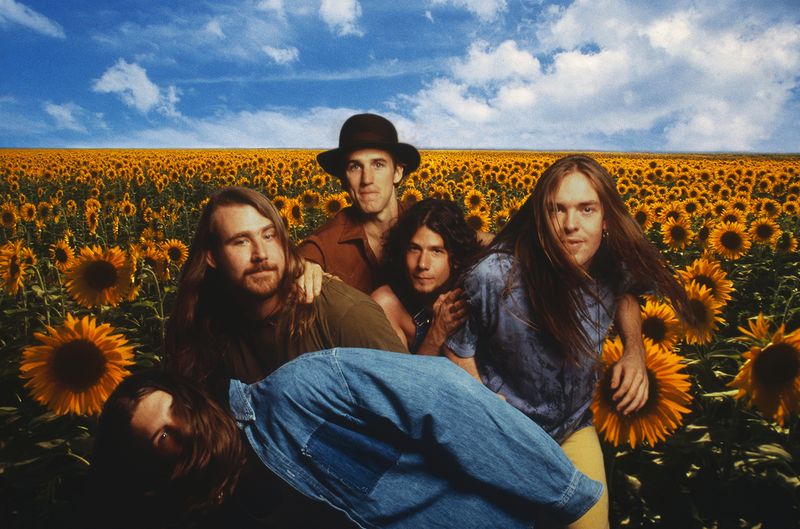
Blind Melon’s “No Rain” almost didn’t happen as a single until its quirky bee girl music video became an MTV sensation in 1993.
Radio programmers jumped aboard immediately, recognizing the song’s gentle melody and optimistic vibe as perfect for daytime playlists.
Alternative rock stations played it constantly, helping the track reach number twenty on the Billboard Hot 100.
The song’s universal themes about finding acceptance resonated with listeners, but radio’s relentless rotation made it unavoidable that summer.
Blind Melon released other quality tracks, yet stations showed little interest in expanding beyond this one hit.
The band’s tragic story ended with lead singer Shannon Hoon’s death in 1995, cementing their legacy as radio-created one-hit wonders.
Comments
Loading…