
 Hailey Watson
11 Small Lifestyle Changes People Are Making to Save Money

Americans are finding creative ways to keep more cash in their pockets without making drastic sacrifices.
From rethinking dinner plans to canceling forgotten subscriptions, small tweaks in daily routines are adding up to serious savings.
These simple changes don’t require a complete life overhaul, just a bit of intentional decision-making that can lead to hundreds or even thousands of dollars saved each year.
1. Eating Out Less

Bank of America research reveals that cutting back on restaurants and takeout has become one of the fastest ways Americans reduce monthly spending.
Gen Z leads this trend, swapping frequent dining experiences for home-cooked meals that cost a fraction of the price.
Cooking at home doesn’t mean giving up flavor or variety.
Many people are discovering new recipes online, hosting potluck dinners with friends, or meal prepping on weekends to make weeknight cooking easier.
The savings add up quickly when you consider that a single restaurant meal often costs what three or four home-cooked dinners would.
Plus, you control ingredients, portions, and nutrition when you prepare food yourself.
2. Changing Grocery Shopping Habits

Nearly nine out of ten shoppers have adjusted their grocery buying habits according to a LendingTree survey.
Store brands have become the go-to choice for many families, offering similar quality at significantly lower prices than name brands.
Coupons aren’t just for extreme savers anymore.
Regular shoppers are using apps and store loyalty programs to stack discounts and earn rewards on everyday purchases.
Avoiding impulse buys makes a huge difference too.
Shopping with a list and steering clear of the tempting middle aisles keeps spending focused on necessities.
These small adjustments transform grocery trips from budget busters into opportunities for smart savings.
3. Actively Cutting Everyday Expenses

Bank of America data shows that young adults are intentionally trimming discretionary spending across multiple categories.
Clothing, entertainment, and travel budgets are getting careful scrutiny as people prioritize financial stability over temporary pleasures.
This doesn’t mean eliminating fun entirely.
Instead, people are getting creative about entertainment, choosing free community events, borrowing instead of buying, and waiting for sales before making purchases.
The shift reflects a growing awareness that small purchases accumulate quickly.
By questioning each discretionary expense and asking whether it’s truly needed, consumers are finding hundreds of dollars that were previously slipping through their fingers unnoticed each month.
4. Using Automated Savings Tools

Personal finance apps have revolutionized how people save money by removing the effort and willpower traditionally required.
These tools automatically transfer small amounts into savings accounts through features like round-ups or scheduled transfers.
The beauty of automation lies in its consistency.
When savings happen automatically, there’s no monthly decision to make or temptation to skip.
Many users are surprised at how quickly small automated transfers add up.
Rounding up purchases to the nearest dollar might seem insignificant, but over time these micro-savings accumulate into emergency funds or goal-specific accounts.
The growing adoption of these apps shows that making saving effortless is key to building financial security.
5. Canceling Unused Subscriptions

Consumer finance studies reveal that households are regularly auditing their recurring charges to eliminate forgotten subscriptions.
Streaming services, app memberships, and monthly subscriptions often continue charging long after they’ve stopped providing value.
The average American has more subscriptions than they realize.
From music streaming to fitness apps to meal kits, these monthly charges can total hundreds of dollars annually.
A quarterly subscription audit helps identify services that aren’t being used enough to justify their cost.
Many people are consolidating entertainment options, sharing family plans, or rotating subscriptions seasonally rather than maintaining everything year-round.
This simple practice frees up cash for more important priorities.
6. Meal Planning and Buying in Bulk

Financial behavior surveys highlight meal planning as a powerful strategy for controlling food costs and reducing waste.
Planning a week’s worth of meals before shopping prevents impulse purchases and ensures ingredients get used efficiently.
Bulk buying complements meal planning perfectly.
Staples like rice, pasta, canned goods, and frozen vegetables cost significantly less per serving when purchased in larger quantities.
The combination of these strategies means fewer emergency takeout orders and less food thrown away.
Families report saving substantial amounts each month simply by knowing what they’ll cook and having ingredients ready.
The initial planning investment of thirty minutes weekly pays dividends throughout the month.
7. Taking on Side or Gig Work

Many consumers are supplementing their income through gig work specifically to offset rising living costs and boost savings accounts.
The flexibility of side hustles allows people to earn extra money without leaving their primary jobs.
Options range from food delivery and rideshare driving to freelance writing, virtual assistance, and online tutoring.
The gig economy has made it easier than ever to monetize spare time and specific skills.
Even a few hours weekly can generate several hundred dollars monthly.
Reports show this extra income often goes directly into savings or toward paying down debt, accelerating financial goals that would otherwise take years to achieve on a single income alone.
8. Doing DIY Instead of Hiring Services

Trend analyses reveal increased interest in DIY home repairs, basic maintenance, and clothing fixes as people avoid costly service fees.
YouTube tutorials and online forums have made learning these skills more accessible than ever before.
Simple tasks like changing air filters, patching drywall, hemming pants, or fixing running toilets are easier than many people assume.
The confidence gained from completing one project often leads to tackling more complex repairs.
Professional services charge both for labor and expertise, with minimum service fees often exceeding the actual work value.
By investing time instead of money, homeowners and renters are keeping hundreds of dollars annually while developing valuable practical skills.
9. Making Energy-Saving Home Changes

Energy agencies and consumer reports confirm that small efficiency upgrades lower utility bills significantly over time.
LED lighting uses seventy-five percent less energy than traditional bulbs and lasts years longer, making the initial investment worthwhile.
Smart thermostats learn household patterns and adjust temperatures automatically, preventing energy waste when nobody’s home.
These devices often pay for themselves within a year through reduced heating and cooling costs.
Other simple changes include weatherstripping doors, using power strips to eliminate phantom energy drain, and running appliances during off-peak hours.
Combined, these modifications can reduce monthly utility bills by twenty to thirty percent without sacrificing comfort or convenience.
10. Using Credit Cards Strategically
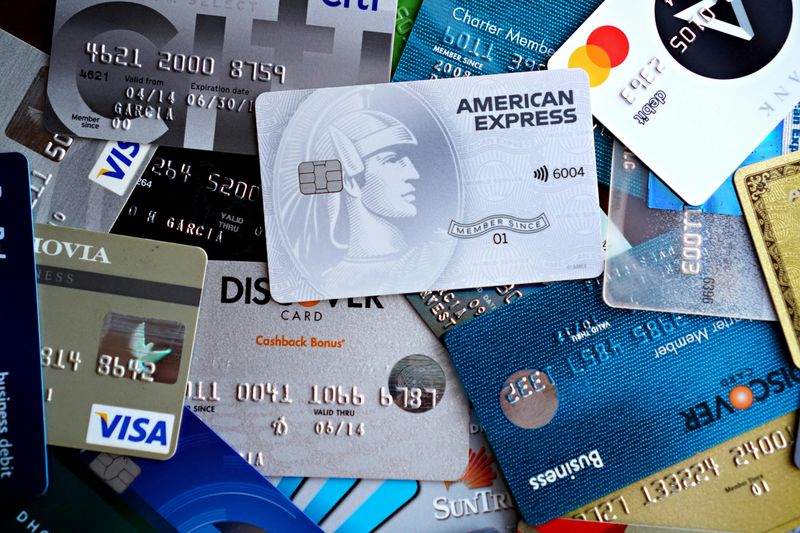
Financial institutions report that consumers are focusing more on disciplined card usage rather than relying on credit for overspending.
Strategic use means taking advantage of rewards programs while paying balances in full each month to avoid interest charges.
Cash-back cards return one to five percent on purchases, essentially providing free money for spending that would happen anyway.
Travel rewards cards offer similar benefits for those who can maximize category bonuses.
The key is treating credit cards like debit cards, only charging what you can immediately afford.
This approach builds credit scores while earning rewards, transforming credit cards from debt traps into valuable financial tools that work in your favor.
11. Trying No-Spend or Savings Challenges

Personal finance surveys and app data show growing participation in no-spend weeks or months as people reset spending habits and accelerate savings.
These challenges involve cutting all non-essential purchases for a defined period, focusing only on necessities like groceries and bills.
The psychological reset is often more valuable than the money saved.
Participants discover how much they spend on autopilot and identify triggers that lead to unnecessary purchases.
Many people start with a single no-spend weekend before attempting longer challenges.
The money that would have been spent gets transferred directly into savings, creating visible progress that motivates continued participation.
These challenges build awareness and discipline that extends beyond the challenge period itself.
Comments
Loading…