
 Jade Reed
10 Romantic Movie Gestures That Would Be Red Flags Today
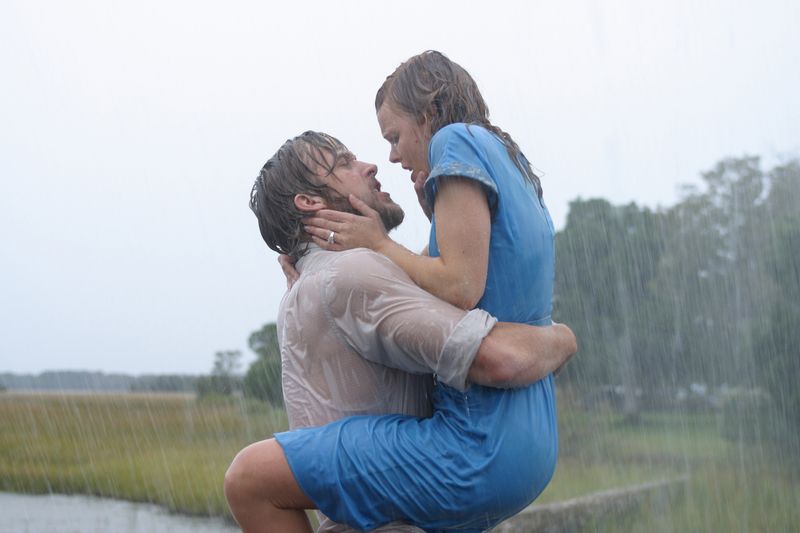
Rom-coms trained a lot of us to mistake intensity for intimacy, especially when a grand gesture is framed with swelling music and perfect lighting.
For decades, movies have sold the idea that love should be loud, public, and a little bit unreasonable, because “true love” is supposedly worth any discomfort along the way.
The problem is that real relationships aren’t scripted, and the person on the receiving end doesn’t exist to be convinced.
What once read as charming now often looks like boundary-blindness, pressure, or even control, particularly in a world where we take consent, privacy, and emotional safety more seriously.
None of this means romance is dead, but it does mean the sweetest moments tend to be the ones that respect choice.
Here are ten classic movie moves that would raise eyebrows today.
1. Showing up at their house uninvited (especially late at night)
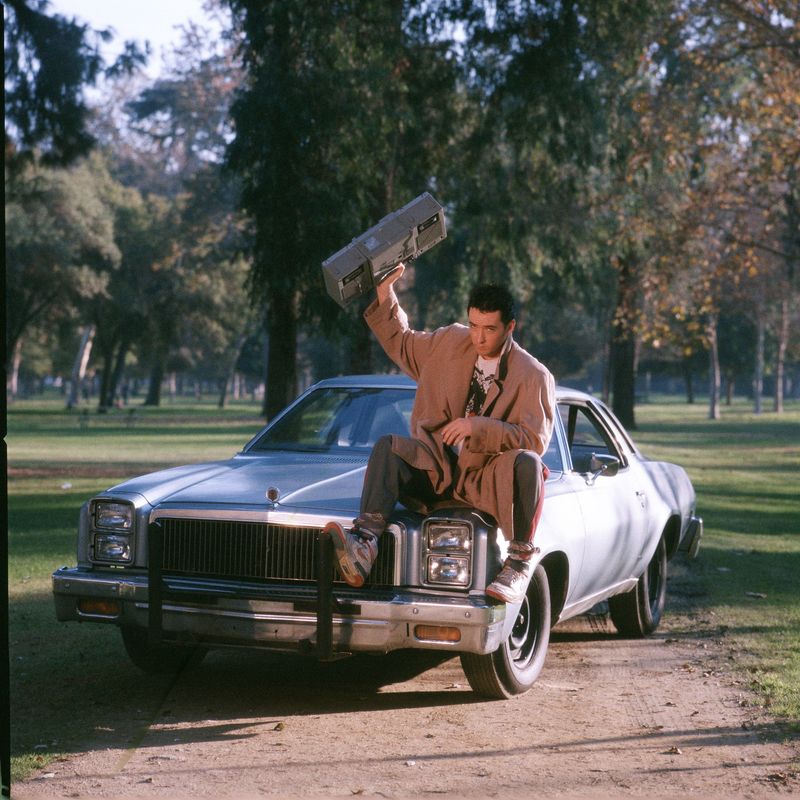
Romantic movies love the dramatic doorstep moment, where someone appears out of nowhere to “prove” how much they care.
In real life, arriving at a person’s home without asking—especially late at night—can feel less like devotion and more like an intrusion.
Home is where people should feel safest, and surprise visits can trigger anxiety, not butterflies, because the recipient has no chance to prepare or opt out.
It also quietly communicates that the visitor’s emotions matter more than the other person’s boundaries.
Even if the intention is sweet, the impact can be unsettling, particularly if the relationship is new or the couple has been arguing.
A modern, healthier version of this gesture is simple: ask first, respect the answer, and let “no” be final without trying to rewrite it.
2. Grand public declarations after being told “no”
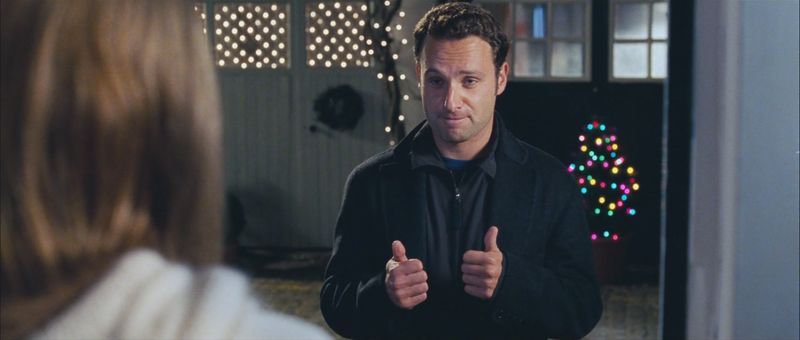
Movies often treat the public confession of love as the ultimate mic-drop moment, especially when it happens after someone has already said they’re not interested.
The crowd cheers, the music swells, and the person being pursued suddenly realizes they were wrong all along.
Outside a script, that kind of spectacle can feel like emotional cornering, because it puts the recipient on the spot in front of other people.
Instead of being free to respond honestly, they may feel pressured to smile, agree, or at least avoid “embarrassing” the other person.
That’s not romance, it’s social leverage.
Public gestures can be meaningful when the relationship is solid and both people enjoy that kind of attention, but using an audience to override a boundary is a major red flag.
Real love doesn’t need a stage to be valid.
3. Relentless “persistence” that looks like refusal to accept rejection
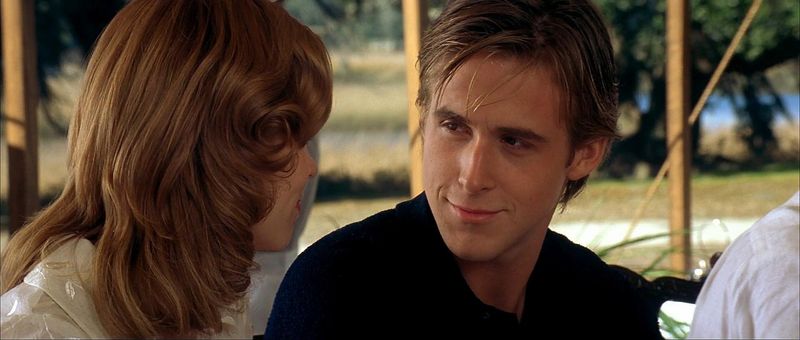
A lot of classic love stories are built on the idea that if you just try hard enough, the other person will eventually come around.
On screen, the relentless pursuit is framed as loyalty, courage, or proof that the feelings are “real.”
In reality, repeatedly pushing after a clear rejection can cross into disrespect, because it treats “no” as a temporary obstacle rather than a complete answer.
It also shifts the dynamic from mutual interest to one person managing the other’s emotions, which is exhausting and unfair.
Healthy attraction doesn’t require convincing someone to see your worth, and it definitely doesn’t require wearing them down.
The most romantic thing you can do when someone declines you is accept it gracefully and move forward.
If someone keeps coming back after you’ve said no, it isn’t a love story—it’s a boundary problem.
4. Love-bombing with extravagant gifts early on
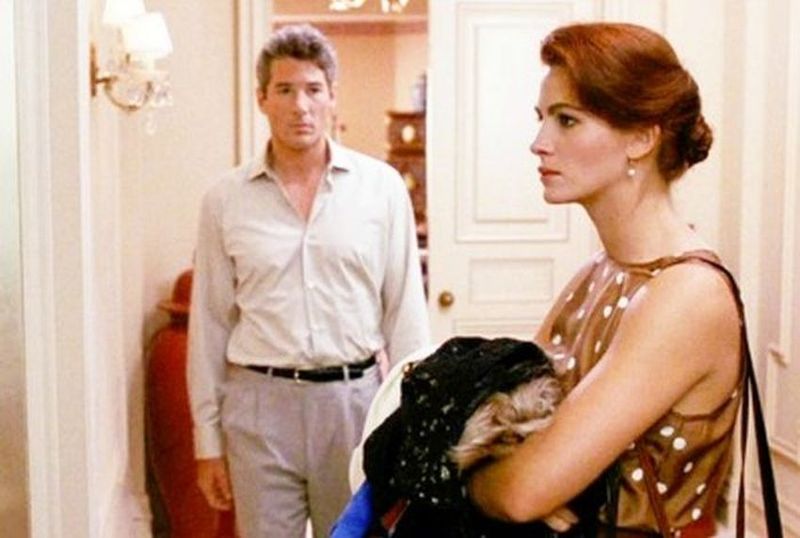
Romantic movies make big early gestures look magical, like the fastest route to a soulmate connection.
Lavish bouquets, expensive jewelry, and surprise getaways are presented as proof of serious intention, even when the couple barely knows each other.
Today, that level of intensity can set off alarms, because love-bombing often looks exactly like “too much, too soon.”
Huge gifts can create a sense of obligation, as if the recipient now owes affection, time, or forgiveness in return.
They can also be a way to speed-run intimacy without building trust, which is how people end up ignoring their own discomfort because the gesture feels flattering.
Thoughtful doesn’t have to mean expensive, and romance doesn’t have to be overwhelming.
The healthiest kind of early affection leaves room for choice, pace, and the ability to say, “This is moving too fast,” without backlash.
5. Quitting a job / moving cities “for love” without a real conversation
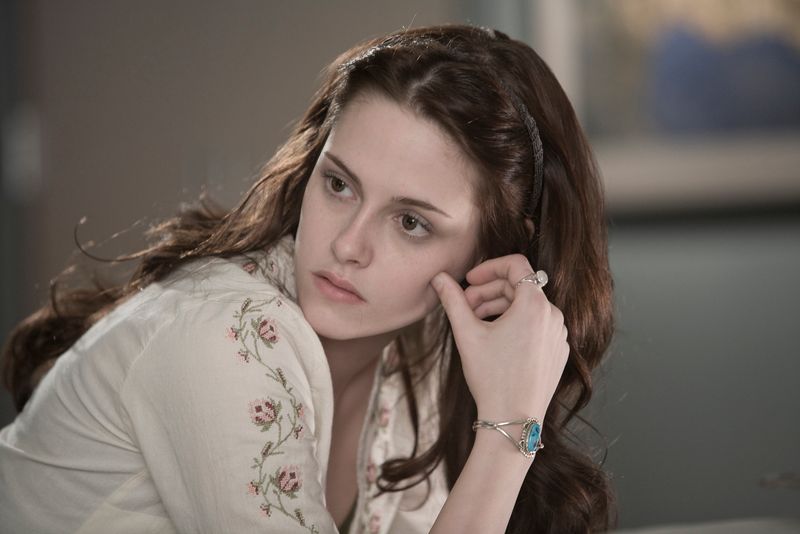
Films love the moment where someone quits their job, drops everything, and moves across the country “for love,” as if impulse is the most romantic language.
In real relationships, that kind of decision can come with a heavy emotional bill, because it places huge responsibility on the other person to make it “worth it.”
Even if it’s meant to be a grand sacrifice, it can feel like pressure, especially if it wasn’t discussed in detail beforehand.
Major life changes affect finances, family ties, career growth, and mental health, and skipping the conversation signals that the decision-maker is prioritizing dramatic impact over partnership.
Love isn’t proven by detonating your life plan; it’s proven by building something sustainable together.
If someone makes a giant move and then expects gratitude or commitment as payment, it’s less romantic and more like a guilt-based contract.
6. Reading their private stuff “because I care” (texts, emails, diary)
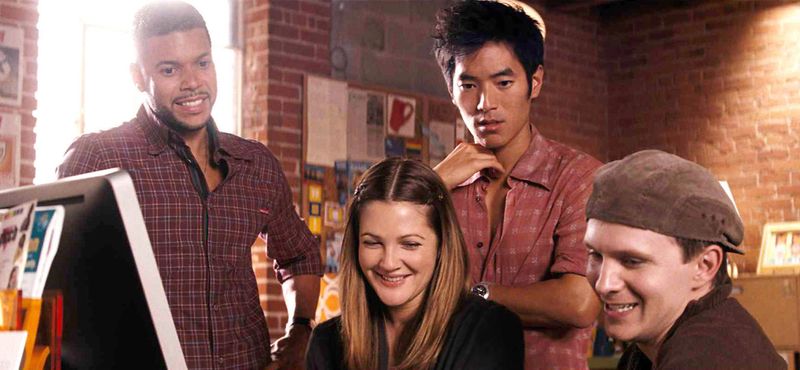
On screen, privacy invasions are often framed as a shortcut to closeness, like reading someone’s diary or scrolling their phone is an understandable reaction to “love” and worry.
In the real world, that behavior is a trust violation, no matter how noble the excuse sounds.
Looking through messages, emails, or personal notes without permission sends the message that suspicion is more important than respect.
It also creates a relationship dynamic where one person becomes the investigator and the other becomes the suspect, which is a toxic foundation for intimacy.
The irony is that snooping rarely brings peace, because once boundaries are crossed, the urge to keep checking usually grows.
A healthier alternative is direct communication: ask the question you’re afraid to ask, and listen to the answer without punishing honesty.
If trust doesn’t exist, surveillance won’t create it—it will only expose the cracks faster.
7. Jealous “protectiveness” presented as passion

Older romances often treat jealousy as a flattering compliment, like it proves the other person cares so much they can’t stand the thought of losing you.
Movies show the “protective” partner glaring at strangers, starting fights, or making dramatic threats, and the audience is supposed to read it as devotion.
Today, that behavior looks a lot more like possessiveness and insecurity, especially when it’s paired with monitoring who you talk to or subtly shaming you for getting attention.
Love should feel expansive, not like you’re being guarded like property.
Jealousy isn’t automatically a villain, but when someone uses it to justify aggression or control, it becomes a serious warning sign.
The healthiest relationships make room for trust, independence, and confidence, even in social situations that might trigger insecurity.
If a partner’s “passion” comes with intimidation, it stops being romantic and starts being risky.
8. Big surprise visits at work or important events
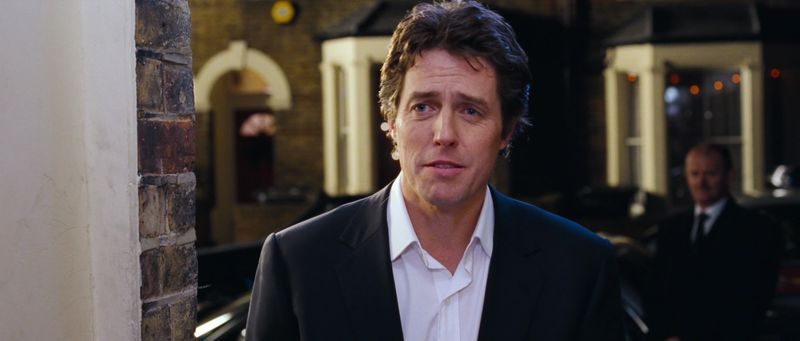
Rom-coms adore the interruption: someone bursts into a workplace, a meeting, or a big event to deliver flowers, a kiss, or a dramatic apology, and everyone claps like they just witnessed true love.
In real life, dropping in unannounced can be disrespectful, because it ignores the other person’s responsibilities and puts their reputation on the line.
Not everyone wants their private relationship moments turned into office entertainment, and some people work in environments where public distractions can have real consequences.
Even outside work, crashing an important event can feel like a power move, as if the visitor’s feelings deserve center stage no matter what’s happening.
A truly caring partner is considerate about timing and context, and they ask what would feel supportive rather than assuming.
Romance doesn’t need an audience, and it definitely shouldn’t come at the cost of someone’s professionalism or peace.
9. Making a major decision for them as a “romantic surprise”
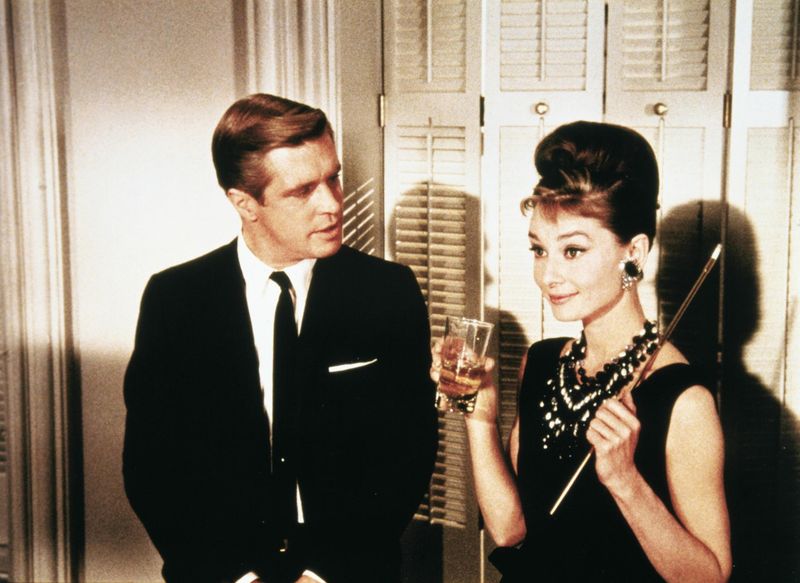
Some movie gestures are presented as irresistibly sweet, but they involve making a major choice on someone else’s behalf.
Think about adopting a pet as a surprise, planning a weekend with no input, inviting friends and family over without asking, or buying a big-ticket item the other person never requested.
Even when it’s done with good intentions, it can come off as controlling, because it removes the recipient’s agency and forces them to deal with the consequences.
A surprise should be additive, not life-altering, and it should match what you already know the person enjoys.
Otherwise, it becomes a performance where the giver gets credit for being “thoughtful,” while the receiver quietly manages the stress.
The most romantic surprises still include consent, even if it’s subtle—like confirming availability, preferences, and comfort level.
Love is not deciding for someone; it’s choosing with them.
10. Stalking-adjacent “fate” moves
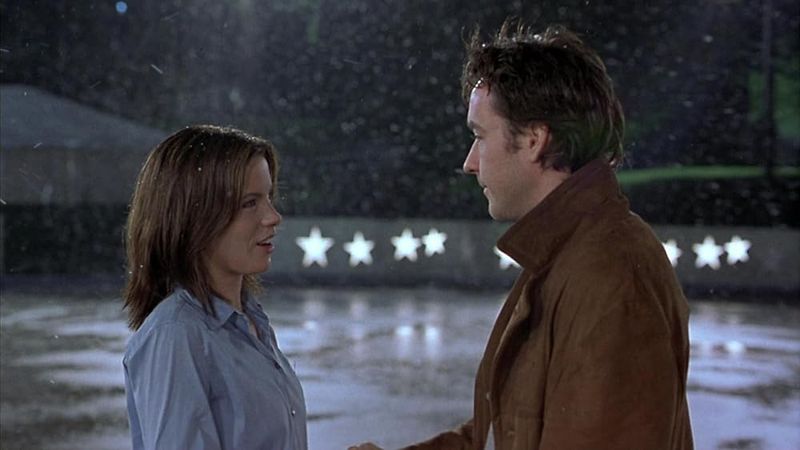
Movies have a long history of dressing up creepy behavior as destiny, especially when the story needs a “meet-cute” that feels magical.
Characters follow someone around the city, engineer repeated “accidental” run-ins, or show up everywhere the person goes, and it’s framed as proof the universe is pushing them together.
In real life, that pattern reads as surveillance, because it involves gathering information and inserting yourself into someone’s routine without permission.
Even if the pursuer insists it’s romantic, the behavior can make the other person feel watched, unsafe, or pressured to reciprocate.
Attraction doesn’t require strategy, and love doesn’t need manipulation to exist.
The modern version of fate is straightforward: introduce yourself, express interest, and accept the response without trying to control the setting.
If someone has to orchestrate access to you, it’s not destiny—it’s entitlement wearing a cute outfit.
Comments
Loading…