
 Isabel Parker
12 Movies That Were Wrongfully Hated—and Deserve a Rewatch
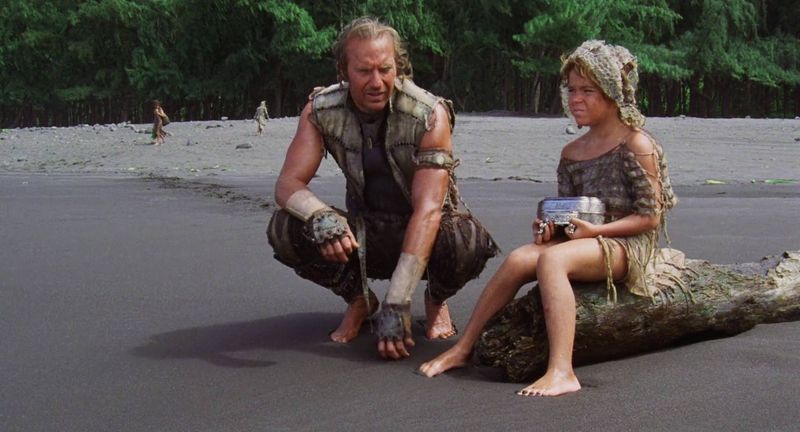
There’s a special kind of movie that becomes a punchline before most people even give it a fair shot.
Maybe the marketing promised the wrong genre, critics piled on because it was fashionable to do so, or the audience simply wasn’t ready for what the film was trying to pull off.
Years later, those same “failures” can look surprisingly bold, clever, or emotionally sharper than we remember.
Rewatching a wrongly hated movie is like opening an old time capsule and realizing the stuff that once felt awkward now feels original.
Some of these films were victims of bad timing, others were misunderstood experiments, and a few were simply judged more harshly than they deserved.
If you’ve ever found yourself defending a movie everyone else insists is “terrible,” this list is for you—because these titles might just win you over the second time around.
1. Jennifer’s Body (2009)
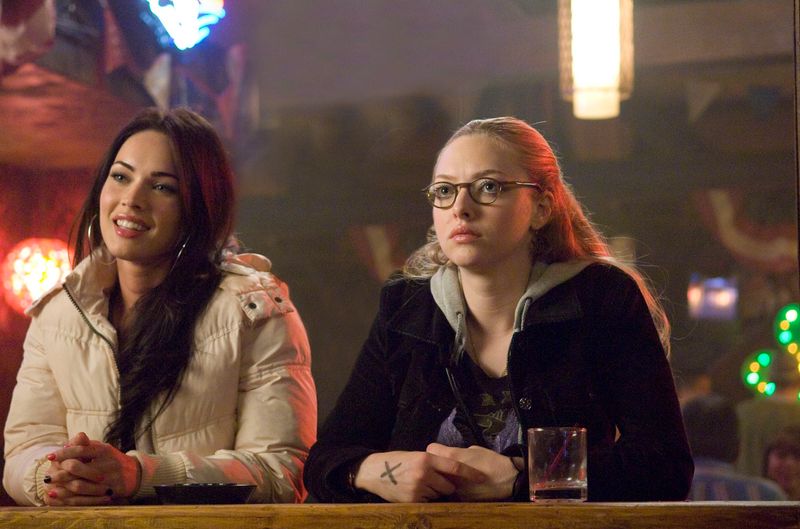
Back when this horror-comedy hit theaters, a lot of the conversation focused on the wrong things, from the marketing’s thirsty angle to people dismissing it as shallow teen bait.
On a rewatch, it lands as a sharp, surprisingly thoughtful story about power, jealousy, and the messy politics of teenage friendship, wrapped in bloody fun.
Megan Fox gives a performance that’s more playful and controlled than she was ever credited for at the time, while Diablo Cody’s dialogue is intentionally stylized in a way that feels like a snapshot of an era.
The movie also understands the discomfort of being objectified and uses genre tropes to bite back, which feels clearer now than it did in 2009.
If you skipped it because of the bad buzz, this is the perfect one to reclaim.
2. Speed Racer (2008)
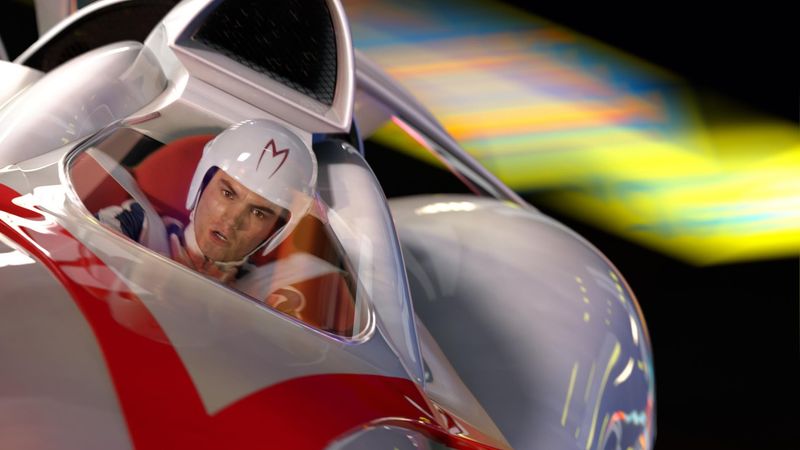
The first time many viewers encountered this neon-soaked adaptation, it was easy to call it overwhelming, childish, or simply too much.
Watching it now, the visual style reads less like chaos and more like an intentional commitment to making live-action feel like pure animation, complete with comic timing and surreal motion.
The Wachowskis built a movie that treats sincerity as a strength, letting family loyalty and big-hearted optimism drive the plot instead of hiding behind cynicism.
Under all that color, there’s also a pointed critique of corporate greed and the way talent gets swallowed by profit, which hits harder when you’re older.
It’s an earnest, weird, visually inventive film that was punished for not trying to be “cool,” and that’s exactly why it deserves another chance.
3. The Cable Guy (1996)
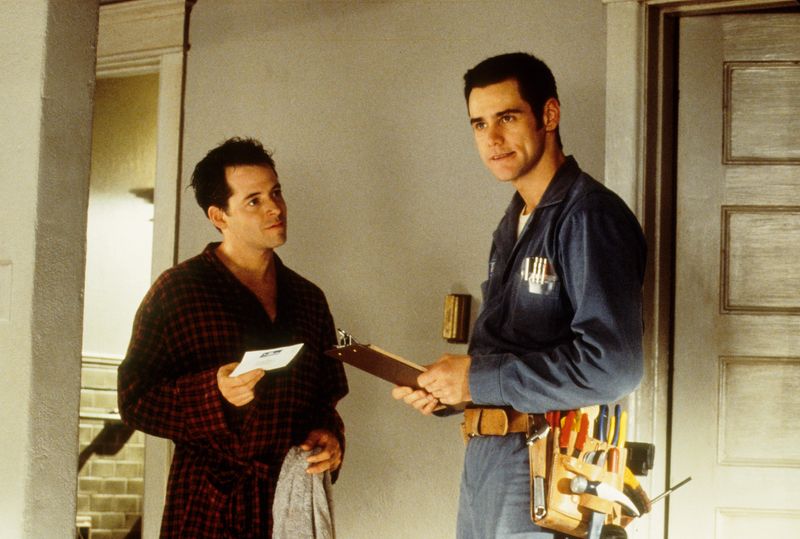
When Jim Carrey was at peak popularity, audiences expected a broad, lovable goof, not a dark comedy that makes you squirm while you laugh.
That mismatch helped turn this movie into a punching bag, even though it’s smarter than its reputation suggests.
The story leans into loneliness, boundary-crossing friendship, and the way modern life can blur genuine connection, which feels almost prophetic now that we live online.
Carrey’s performance is intentionally unsettling, and Matthew Broderick plays the perfect straight man as the friendship spirals from awkward to alarming.
Beneath the jokes, there’s a sharp satire about media, consumer culture, and how easy it is to confuse entertainment with intimacy.
If you remember it as “that weird one,” a rewatch will show why weird was the point.
4. Waterworld (1995)
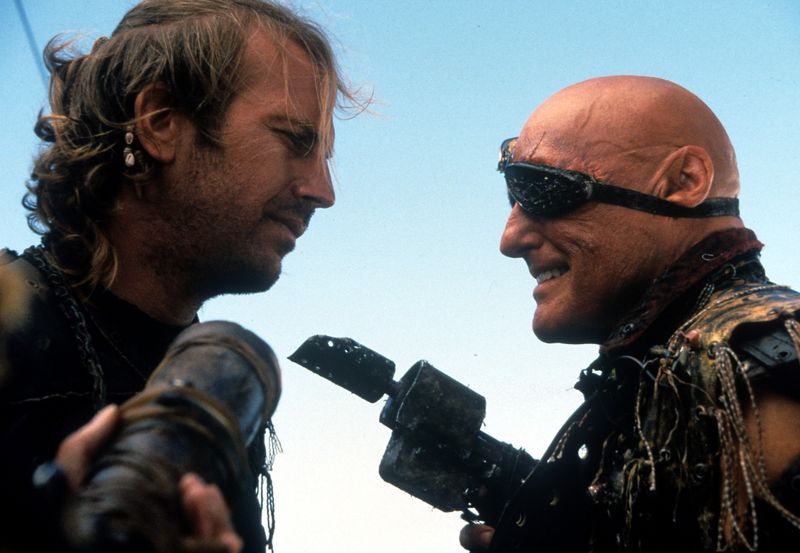
For years, this movie’s reputation has been chained to its production drama and “most expensive flop” headlines, which made it fashionable to hate.
Rewatching it without that baggage reveals an ambitious, muscular adventure that commits to its setting in a way few blockbusters would attempt.
The world-building is more imaginative than people give it credit for, from floating towns and barter economies to the desperation of surviving on scraps, and the practical stunts still feel tangible.
Kevin Costner’s stoic lead works better in a movie that’s essentially a sea-bound Western, and the villains are delightfully theatrical without tipping into cartoon.
Is it perfect?
Not remotely, but it’s far more entertaining than its meme status implies.
If you like big, practical 90s action, this one is an easy second look.
5. Hook (1991)
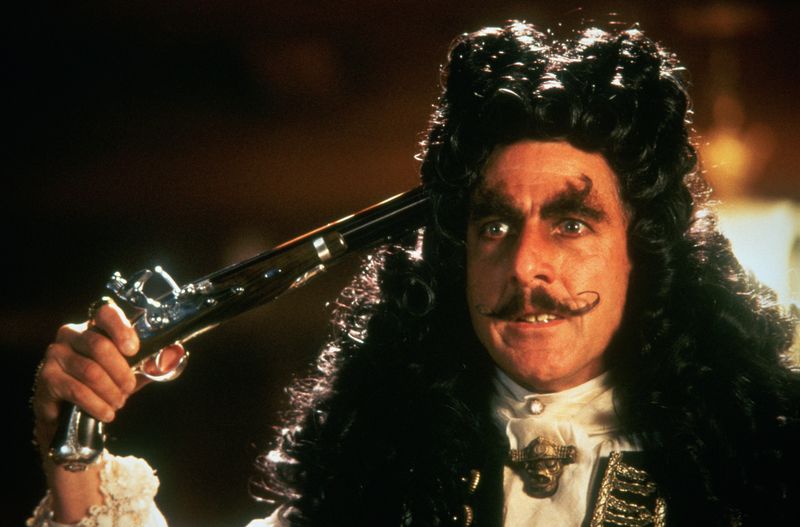
For a movie that shaped so many childhoods, it’s wild how often this one gets written off as messy or overly sentimental.
Seeing it again as an adult can actually deepen the emotional impact, because it’s really about burnout, priorities, and the fear that growing up means losing yourself.
Robin Williams brings warmth and vulnerability to an overworked Peter Pan who has forgotten how to play, and that arc hits differently when you’ve had a few exhausting years yourself.
The Neverland visuals are bold and theatrical, and the performances—especially Dustin Hoffman’s scene-chewing Captain Hook—feel like a stage show in the best way.
It may not be subtle, but it’s sincere, and sometimes sincerity is exactly what a rewatch needs.
If you only remember the bright colors, you might be surprised by the heart underneath.
6. Showgirls (1995)
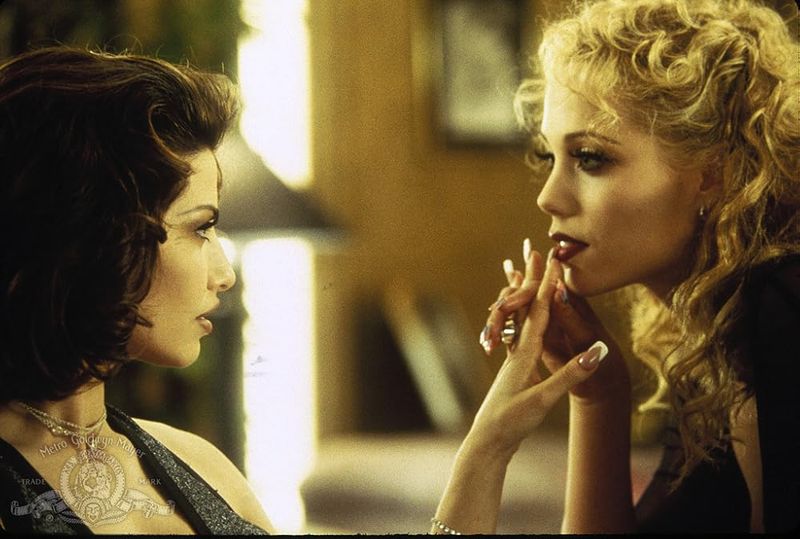
Few movies have been mocked as loudly or as lazily as this one, mostly because people decided “campy” meant “worthless” and stopped looking any deeper.
Revisiting it now, the film reads like an exaggerated, glossy nightmare about ambition, exploitation, and the way industries chew up women while pretending to celebrate them.
The performances are big on purpose, the tone swings wildly, and the whole thing feels like it’s daring you to be uncomfortable, which is exactly why it has become a cult favorite.
You don’t have to believe it’s a hidden masterpiece to see how it skewers power dynamics and the illusion of glamour.
It’s also visually striking, and Elizabeth Berkley’s commitment is fearless in a way that’s easier to respect with time.
A rewatch might not make you love it, but it’ll likely make you understand it.
7. Tron: Legacy (2010)
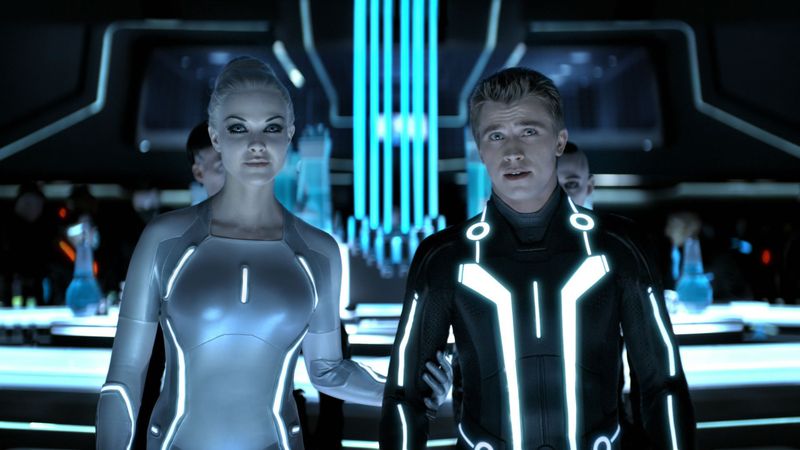
Back when this sequel arrived, a lot of people wrote it off as style over substance, even though its style is genuinely impressive and still looks better than plenty of newer effects-heavy films.
Watching it again, the atmosphere becomes part of the storytelling, with the sleek digital world reflecting themes of control, perfection, and what happens when creators lose empathy for the things they build.
The soundtrack alone makes the experience feel immersive, and the film’s pacing works better when you treat it like a moody sci-fi fable rather than a quip-heavy action ride.
Garrett Hedlund and Olivia Wilde ground the movie’s emotional beats more than they’re credited for, while Jeff Bridges plays both flawed creator and corrupted creation in a way that’s surprisingly poignant.
If you’re in the mood for hypnotic visuals and big ideas, this one rewards a second viewing.
8. Van Helsing (2004)
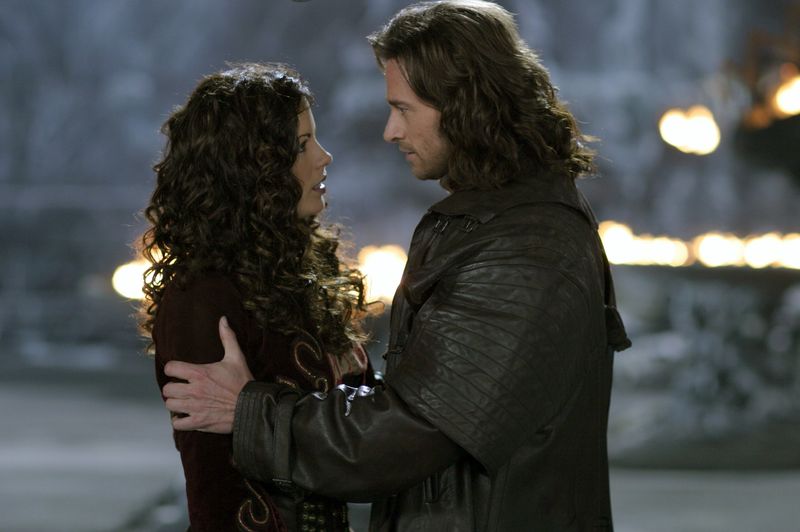
This movie got dunked on for being loud, overstuffed, and unapologetically cheesy, but that’s also what makes it such a fun rewatch when you’re not expecting prestige cinema.
It’s basically a gothic monster theme park, packed with werewolves, vampires, mad-scientist energy, and the kind of dramatic set pieces that feel like a Halloween roller coaster.
Hugh Jackman leans into the pulp hero vibe, Kate Beckinsale is effortlessly cool, and the whole thing moves with the confidence of a film that knows it’s being ridiculous.
The production design is lavish, the creature effects are a time capsule of early-2000s blockbusters, and the vibe is pure “Saturday night on the couch” entertainment.
If you enjoy movies that commit to spectacle and don’t apologize for it, this is one of the most rewatchable guilty pleasures of its era.
9. The Village (2004)
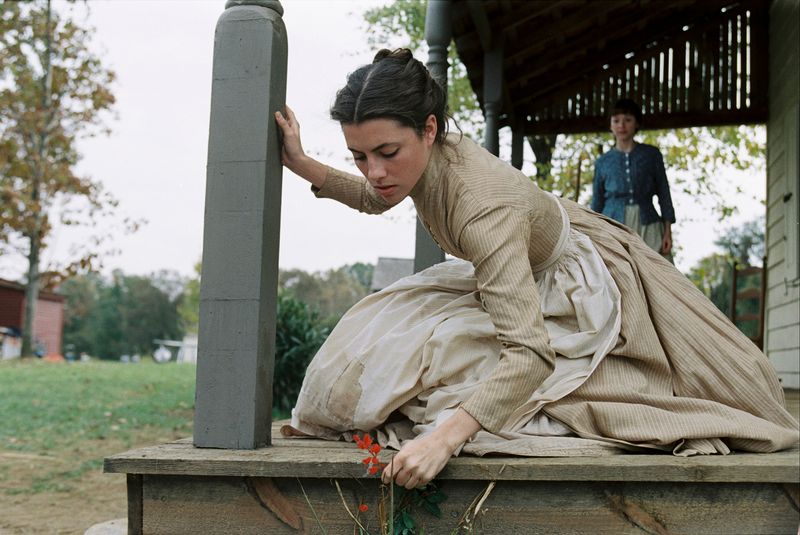
A lot of the backlash to this film came from expectations, because many viewers went in wanting a straight horror movie and ended up with something slower, sadder, and more character-driven.
Revisiting it with fresh eyes makes it easier to appreciate the atmosphere, the careful tension, and the central idea about how fear can be engineered to control people.
The performances are quietly strong, the cinematography is gorgeous in a way that feels almost storybook, and the score elevates the emotional stakes without bludgeoning you.
Even the parts people argued about make more sense when you view the film as a tragic romance and a meditation on grief, rather than as a twist-delivery system.
If you remember being angry at it, a rewatch is an opportunity to see it on its own terms, which is where it’s at its best.
10. Spring Breakers (2012)

When this one came out, it was easy to dismiss it as empty shock value, especially because the surface story looks like a neon party fantasy.
A second viewing reveals something more unsettling: a hypnotic satire about consumer desire, performative rebellion, and the way “freedom” gets sold like a product.
The repetition, the glossy visuals, and the dreamlike pacing are intentional, creating a trance that mirrors the characters’ descent into something darker than they understand.
It’s not meant to be comforting, and that’s why it sticks, because it’s showing how quickly indulgence can become a trap.
The casting also plays a clever trick, using familiar faces to highlight how easily identity can be reshaped by the environment.
If you can approach it like an art-house fever dream instead of a traditional crime film, it becomes far more interesting than its initial reputation.
11. Cloud Atlas (2012)
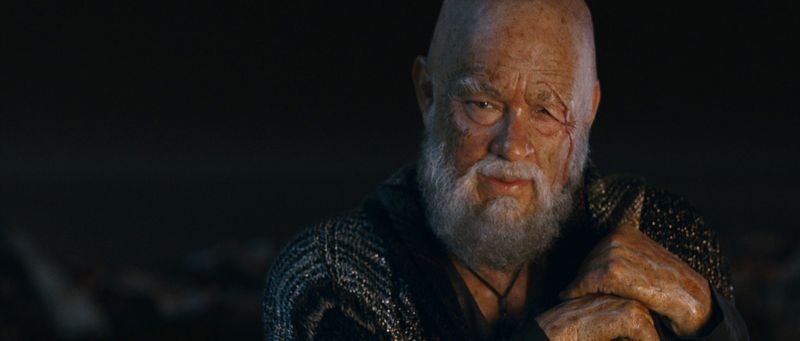
This ambitious film was criticized for being confusing, too long, or simply trying too hard, which is fair if you expected a straightforward story.
Watching it again, especially when you already know how the timelines connect, makes the structure feel more like a mosaic than a mess.
The movie is essentially asking whether kindness echoes across time, whether cruelty repeats, and whether individual choices matter in a world that often feels too big to change.
Once you settle into the rhythm, the emotional through-lines become clearer, and the performances—often playing against type—start to feel like deliberate variations on the same human impulses.
It’s a movie that benefits from patience and a willingness to let it wash over you, because the payoff is more about feeling than plot mechanics.
If you’ve ever wished blockbusters took bigger swings, this is one to reconsider.
12. John Carter (2012)
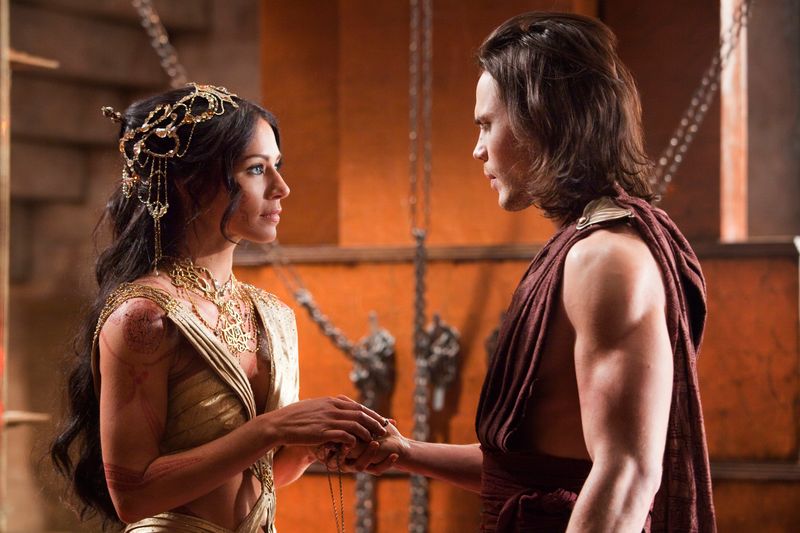
For years, this movie has been shorthand for “box office disaster,” but that label has overshadowed the fact that it’s a genuinely entertaining adventure with old-school charm.
The marketing didn’t help, and the title gave people no idea what they were signing up for, but the film itself delivers a pulpy, energetic ride with big landscapes, strange creatures, and a hero’s-journey arc that’s easy to enjoy.
On rewatch, the pacing feels brisk, the world-building is more coherent than you might remember, and the central relationship has a sweetness that many louder franchises skip.
It’s also worth remembering that the source material inspired a lot of modern sci-fi and fantasy, which means the movie can feel familiar for reasons that aren’t its fault.
If you want a fun, earnest blockbuster that doesn’t require homework, this one is surprisingly satisfying the second time around.
Comments
Loading…