
 Hailey Watson
12 Household Items You’re Overpaying For (And Better Alternatives)

Household expenses have a sneaky way of inflating, not because you’re doing anything “wrong,” but because modern convenience comes with a premium price tag.
When you’re busy, it’s easy to grab whatever looks easiest, best-smelling, or most “powerful,” even when a cheaper option works just as well.
The trouble is that these small upgrades don’t stay small for long.
A few dollars extra here and there can quietly become hundreds over the course of a year, especially for things you buy over and over again.
The good news is that cutting costs doesn’t have to mean lowering your standards or living with a half-clean house.
In many cases, the better alternative is simpler, more flexible, and less wasteful.
Here are 12 household items you may be overpaying for, plus smart swaps that keep your home clean and your budget happier.
1. Laundry detergent pods
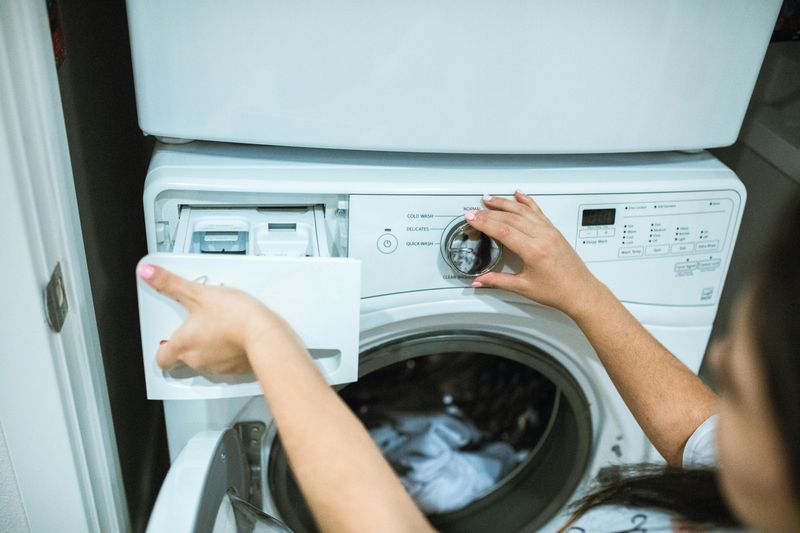
Pre-measured detergent packets feel like a tiny luxury because they remove the guesswork and make laundry day feel effortless.
The problem is that you’re paying extra for that convenience, along with the added packaging and marketing that comes with “premium” pods.
Another downside is that pods lock you into a fixed dose, even when you’re washing a small load or lightly soiled clothes, which is basically like pouring money into the washer.
A more budget-friendly option is powdered detergent or a concentrated liquid, which lets you control how much you use based on the load size and water hardness.
Most people can cut back to a tablespoon or two per load and still get clean results.
If you love the simplicity of pods, you can even pre-measure your detergent into a small container once a week, keeping the routine easy without the extra cost.
2. Paper towels
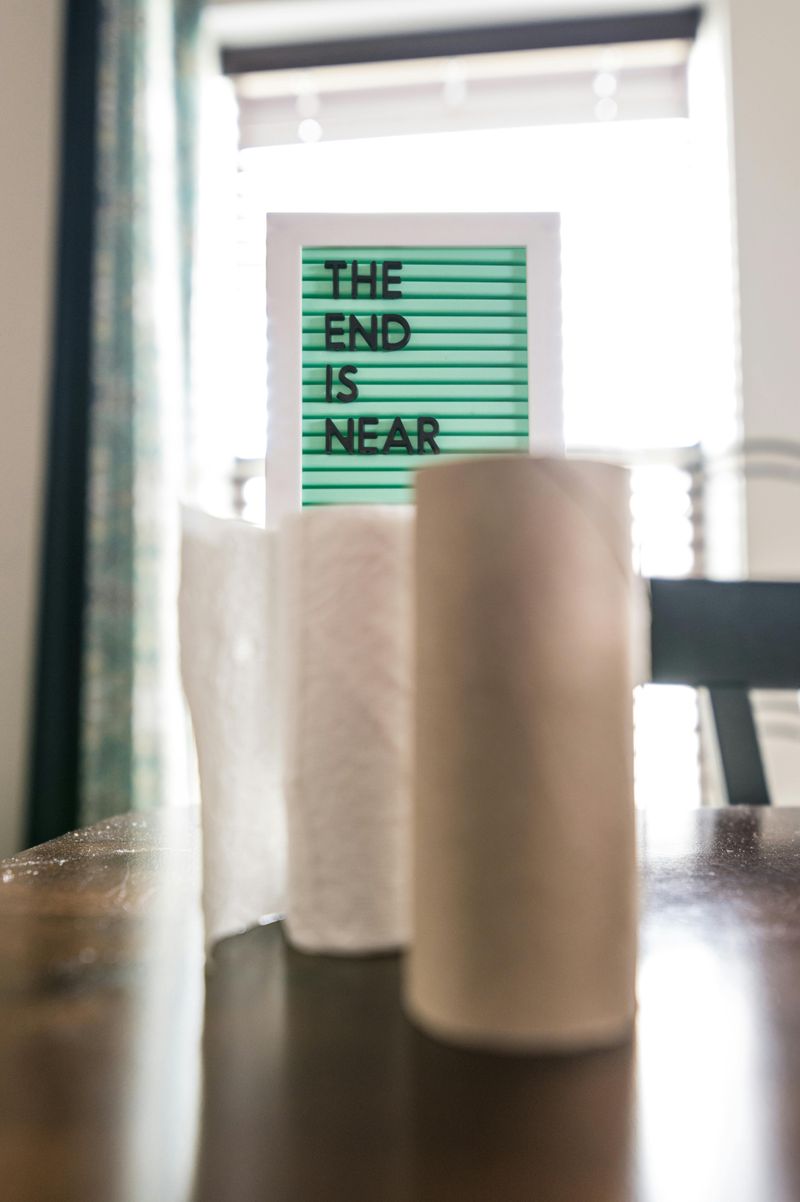
Disposable paper products can make a home feel tidy because you can wipe, toss, and move on without thinking twice.
Still, paper towels are one of the most expensive “everyday” conveniences, and the cost doesn’t stop at checkout since you keep buying them again and again.
They’re also rarely used efficiently, which means the roll disappears faster than you expect, especially in households with kids or messy cooking habits.
Switching to reusable cleaning cloths can cut that expense dramatically while still keeping your home just as clean.
Microfiber cloths handle counters, mirrors, and dust surprisingly well, and a stack of washable utility towels can be dedicated to spills, bathrooms, or pet messes.
Old T-shirts and worn-out bath towels can be cut into rags for free if you want an even cheaper option.
Keeping a small basket of clean cloths within reach makes the swap feel effortless instead of restrictive.
3. Bottled water
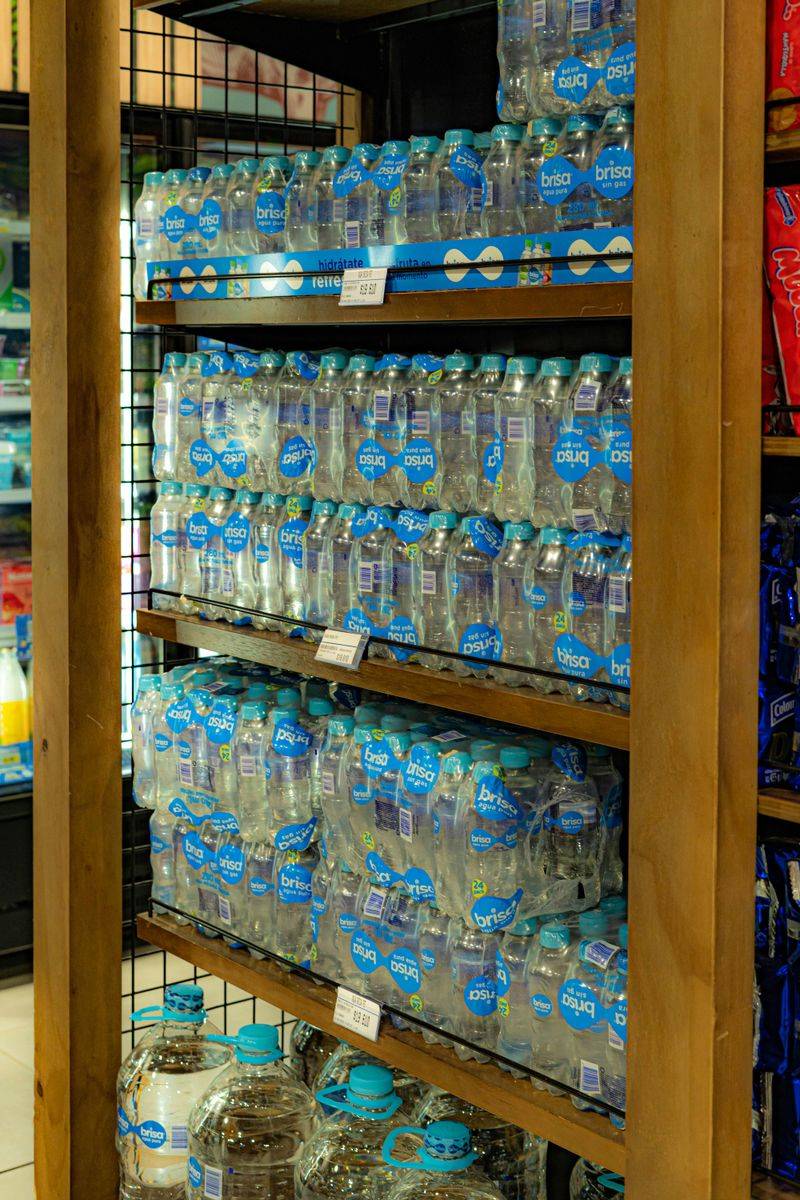
Buying bottled water seems harmless because it’s “just a couple dollars,” but it’s one of the fastest ways to overspend on something your home can usually provide at a fraction of the cost.
The real price is in the packaging, shipping, and convenience markup, and those costs add up quickly if you drink multiple bottles a day or keep them stocked for the family.
A budget-friendly upgrade is a filter pitcher, faucet filter, or under-sink filter, which can make tap water taste better and feel more appealing without the constant repurchase.
Even if you invest in a mid-range filtration system, the per-glass cost usually drops dramatically compared to bottled options.
Pair the filter with a reusable bottle you actually like using, and it becomes easier to stay hydrated without grabbing expensive single-use bottles.
If you prefer sparkling water, consider a soda maker or buying larger bottles, which typically cost less per ounce.
4. Name-brand dishwasher pods
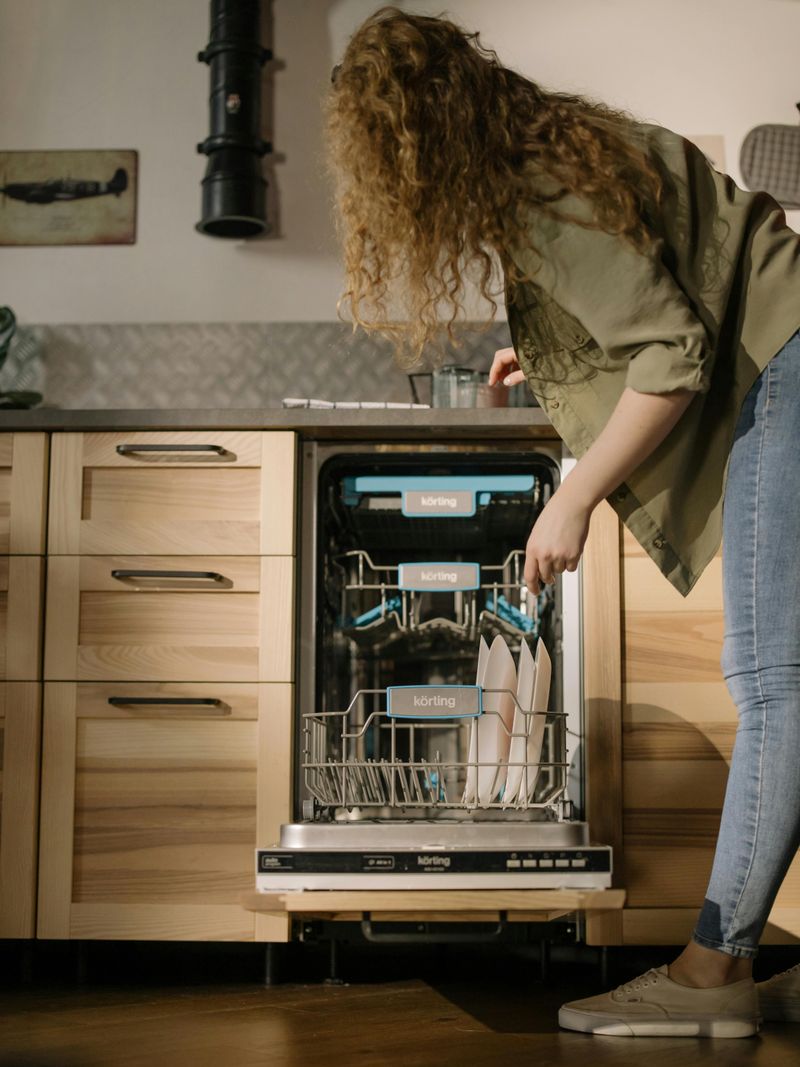
Those shiny pod packs look like the simplest way to keep your dishes spotless, but they often cost significantly more per load than you realize.
Since each pod contains a fixed amount of detergent, you can’t adjust the dose based on how dirty your dishes are or whether your dishwasher is smaller than average.
That means you may be using “full strength” even when you don’t need it, which is one of the easiest ways to waste money.
Powder or gel detergent is usually cheaper per wash and gives you more control, allowing you to use less for lightly soiled loads while still getting clean plates and clear glasses.
If you have hard water, adding rinse aid can help prevent spots without requiring premium pods.
You can also improve results by scraping, not pre-rinsing, and running hot water at the sink for a few seconds before starting the cycle.
Small changes like that make lower-cost detergent perform surprisingly well.
5. Single-purpose cleaning sprays
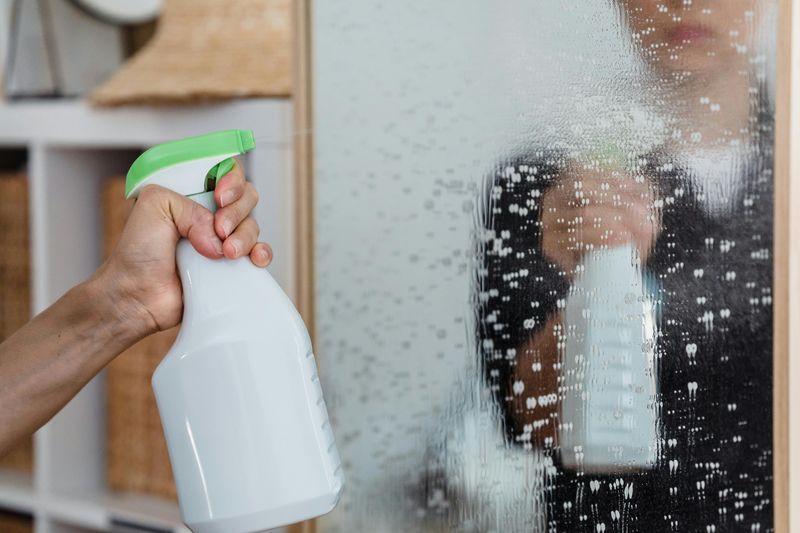
It’s tempting to stock a different spray for every surface because the labels make it sound like your home needs a specialized solution for each room.
In reality, many of these products are slight variations of the same ingredients, and you’re paying extra for branding, scent, and the promise of “targeted” performance.
This can turn cleaning into an expensive routine where you’re constantly replacing bottles, even though most homes don’t need that many formulas.
A better alternative is building a simple cleaning “capsule” with a few versatile options.
Diluted dish soap handles grease and general grime, a vinegar-and-water mix works well for glass and many surfaces, and one disinfecting product can be reserved for high-touch areas when you truly need it.
The key is knowing what each product is for instead of buying duplicates.
Using fewer, multipurpose cleaners also reduces clutter under the sink, which makes cleaning feel easier and more consistent.
6. “Disposable” floor wipes

Pre-moistened floor wipes are popular because they make it feel like you can clean your floors in minutes without hauling out a bucket.
The downside is that they’re a refill-based system, and those replacement pads can become a constant household expense.
Because the wipes are thin, you often need multiple pads for a single cleaning session, which makes the cost per “mop” much higher than it first appears.
A washable alternative can save money quickly while still giving you the same grab-and-go convenience.
Reusable microfiber mop pads can be tossed in the laundry, and a basic spray mop lets you control how much solution you use without buying proprietary refills.
Even a traditional mop with a washable head can be a cost-effective option if you want something durable.
If you like the idea of disposable wipes for quick messes, consider saving them for emergencies and using reusables for regular cleaning.
That way, convenience stays available without becoming a costly habit.
7. Scented plug-ins and odor eliminator sprays

Home fragrance products can make your space feel instantly cleaner, but they often work more like perfume than a true fix for odors.
Plug-ins and odor sprays are designed to be used continuously, which means you’re paying for refills on an ongoing basis, even when the underlying issue could be solved more cheaply.
A better approach is to remove odors instead of masking them, which also tends to make your home feel fresher in a more natural way.
Baking soda is a classic, low-cost option for absorbing smells in carpets, shoes, trash bins, and refrigerators, and it works surprisingly well when used consistently.
Good ventilation helps too, even if it’s just cracking a window for a few minutes each day.
For persistent odors from pets, cooking, or smoke, a small charcoal absorber or a budget-friendly HEPA air purifier can offer longer-lasting results without constant refills.
If you still enjoy a scented home, candles used occasionally or simmering citrus peels on the stove can create fragrance without turning it into a monthly expense.
8. Trash bags (especially “ultra-premium”)
Kitchen trash bags are one of those things people assume must be top-tier, because no one wants leaks or a ripped bag at the worst possible moment.
However, many “premium” bags are priced like a luxury item, and the thicker material isn’t always necessary for everyday household waste.
The result is that you’re paying extra for features you may not even notice, especially if you mostly toss lightweight trash like packaging, paper, and food scraps that are already wrapped.
Store-brand trash bags are often much cheaper and can work just as well when you choose the correct size and avoid overfilling.
Another simple trick is matching the bag to the job, since bathroom bins and office trash don’t need the same strength as kitchen waste.
If you deal with messy garbage, using a small amount of newspaper or paper towels at the bottom can reduce leaks without requiring expensive bags for every can.
The goal is to buy durability only where it truly matters, not automatically everywhere.
9. Shaving razors (name-brand cartridges)

Replacing cartridge refills can feel like a normal part of grooming, until you realize how quickly the cost stacks up over months and years.
Name-brand systems are often designed so the handle is inexpensive while the cartridges stay pricey, which creates a long-term expense you keep paying without noticing.
Even if you stretch each cartridge, the per-shave cost is usually far higher than it needs to be, especially for households with multiple people shaving regularly.
A cheaper alternative is switching to a safety razor, which uses inexpensive replaceable blades and can still deliver a smooth shave once you adjust your technique.
Another option is choosing a more affordable subscription blade brand that offers good quality without luxury pricing.
Good prep also matters because it makes blades last longer, so shaving after a warm shower and using a rich shaving soap or gel can reduce irritation and extend cartridge life.
If you’re nervous about switching, start by calculating your annual cartridge spending, because seeing the total often makes the upgrade feel much more worthwhile.
10. Candles from trendy brands

Designer candles are often sold as an “experience,” which is why they can cost as much as a nice dinner even though they’re basically wax and fragrance.
When you buy them regularly, you’re paying for packaging, branding, and that boutique vibe more than the candle itself.
While there’s nothing wrong with enjoying a splurge occasionally, it’s easy for this category to become a sneaky recurring expense, especially in fall and winter when people burn candles constantly.
A budget-friendly alternative is using unscented pillar candles for ambiance and reserving fragrance for cheaper options like wax melts or lightly used essential-oil diffusers.
You can also shop sales and choose larger candles that cost less per hour of burn time, instead of small jars that disappear quickly.
Another smart move is rethinking when you need scent, since a candle doesn’t have to burn all evening to make your home feel cozy.
By treating fragrance as a finishing touch rather than an all-day habit, you keep the vibe without the markup.
11. Overpriced air “fresheners” and car vent clips

Small air fresheners can seem inexpensive, but they’re designed to be replaced constantly, which is exactly how they become a long-term budget drain.
Car vent clips and disposable fresheners are especially sneaky because they fade gradually, so you replace them before you realize how many you’ve bought in a year.
The fragrance can also end up masking smells rather than removing them, which keeps the cycle going.
A better alternative is using odor-absorbing solutions that last longer and cost less over time.
Charcoal bags work well in cars and closets, and they can be refreshed by placing them in sunlight instead of buying a brand-new product.
For linens and upholstery, a simple DIY spray made from water and a few drops of essential oil can offer a light scent without recurring store-bought refills.
Keeping your car clean also makes a huge difference, since vacuuming crumbs and wiping surfaces prevents odors from building in the first place.
When you focus on neutralizing and preventing smells, you can still enjoy a fresh space without paying a monthly “scent tax.”
12. Brand-name batteries
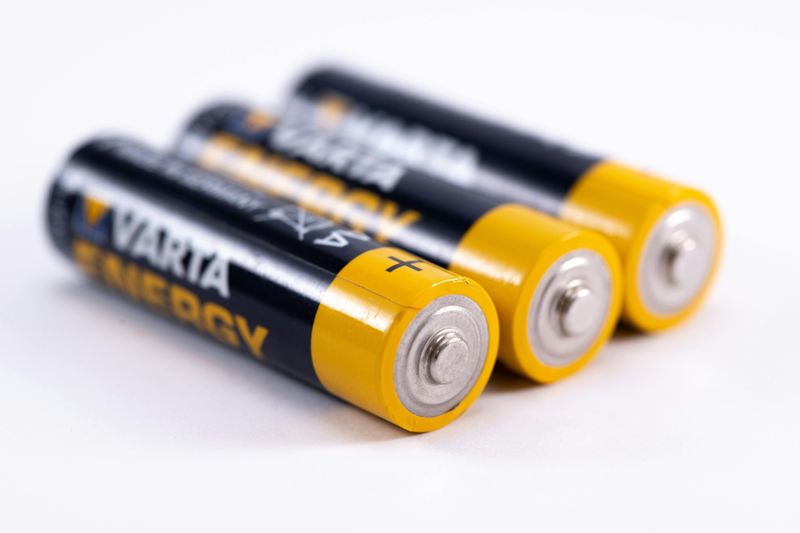
Paying top dollar for batteries feels logical because you want reliable power for remotes, toys, and gadgets, but the real issue is how often those batteries are replaced.
For many households, this becomes a repeated expense that’s easy to ignore because the purchase is small, even though the total cost across a year can be surprisingly high.
A smarter alternative is investing in rechargeable AA and AAA batteries, especially for devices that get frequent use like controllers, kids’ toys, and wireless accessories.
The upfront cost is higher, but the long-term savings are often significant once you’re no longer buying new packs every few weeks.
Rechargeables also cut down on waste, which is a bonus if you’re trying to simplify your home.
For low-drain items such as clocks and basic remotes, store-brand alkaline batteries can be a cost-effective choice that still performs well.
Keeping a small charging station in a drawer makes recharging feel as easy as grabbing a new battery, so you actually stick with the habit.
Comments
Loading…