
 Jade Reed
Some jobs have a reputation for being calm, predictable, and easy on your nervous system, especially when they look quiet from the outside or come with a “routine” job description.
The problem is that stress doesn’t always look like chaos.
Sometimes it shows up as constant interruptions, emotional labor, high-stakes mistakes, or pressure that spikes at exactly the wrong times.
Many roles that people label “low-stress” actually hide intense demands behind a pleasant setting, flexible schedule, or helpful-sounding title.
If you’ve ever taken a job thinking it would be gentler than your last one, only to feel drained anyway, you’re not imagining it.
Here are eight careers that often get pitched as relaxed, but can feel surprisingly intense once you’re the one responsible.
1. Librarian (Public or School)

A quiet building full of books sounds like the definition of peace, but the reality often includes far more than shelving and shushing.
Many librarians spend their days juggling technology issues, community programs, research requests, and constant questions from patrons who need help right now.
In public libraries, the role can also involve de-escalating tense situations, dealing with disruptive behavior, and managing safety concerns, especially when resources are limited and staffing is thin.
School librarians face their own pressure, including tight budgets, shifting curriculum demands, and being treated like an “extra” rather than essential support.
The stress can be subtle because the environment seems calm, but the pace can be relentless.
When you’re expected to be teacher, tech support, event planner, and security-adjacent all at once, it adds up quickly.
2. Receptionist / Front Desk Coordinator

From the outside, greeting visitors and answering phones sounds straightforward, but the pressure comes from being the first point of contact for absolutely everything.
Front desk roles often require nonstop multitasking, because you’re expected to handle calls, emails, walk-ins, deliveries, scheduling, and problem-solving simultaneously without letting anyone feel ignored.
The emotional labor can be heavy, too, since you’re the person who has to stay polite with frustrated customers, anxious patients, or demanding clients even when they’re rude.
In many workplaces, receptionists also become unofficial office managers, tracking supplies, smoothing conflicts, and covering gaps when teams are short-staffed.
The stress isn’t always loud, but it is constant, and it’s difficult to recover when your entire day is built around interruptions.
Being the gatekeeper sounds calm until you realize you never get a quiet moment.
3. Executive Assistant
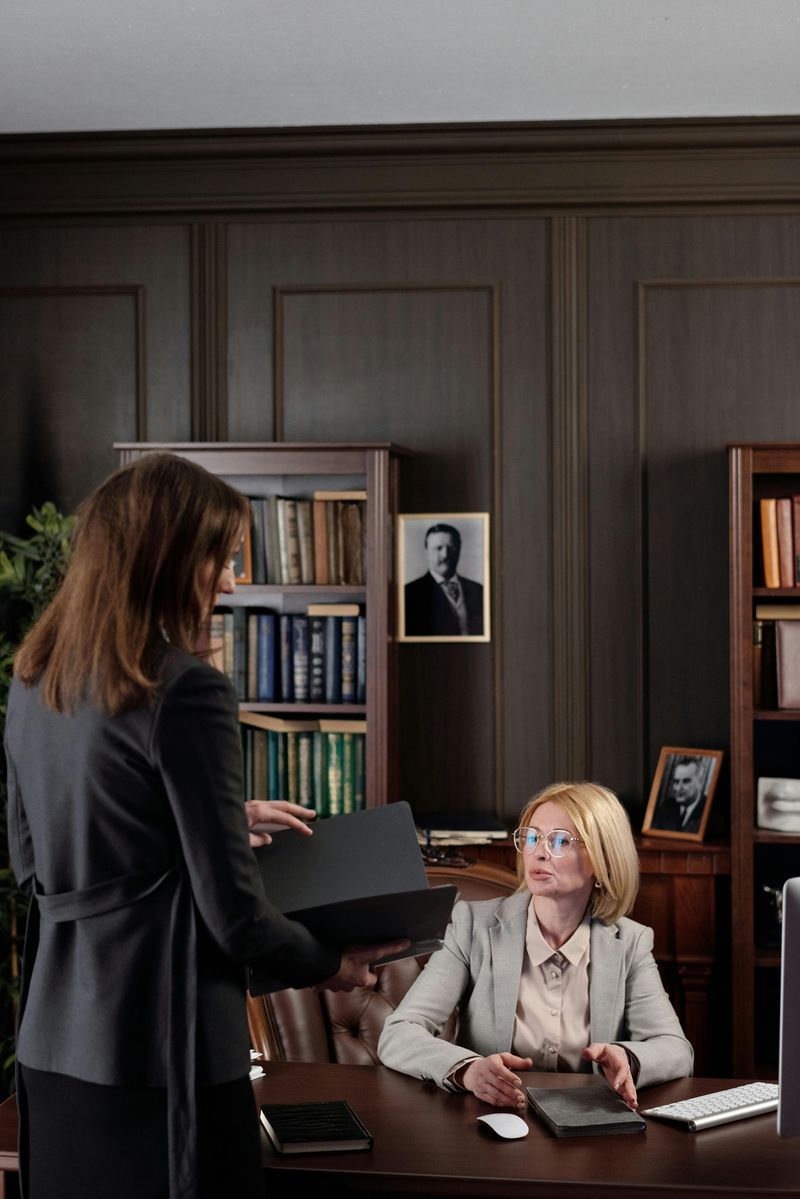
The “support” label makes this role sound lower pressure, yet it often comes with intense responsibility and very little margin for error.
Executive assistants manage calendars, coordinate meetings, handle travel, and protect an executive’s time, which means every last-minute change becomes your urgent problem to solve.
When priorities shift rapidly, the day can turn into a series of high-stakes puzzles where one mistake affects clients, budgets, or leadership decisions.
The stress can also come from the interpersonal side, because you’re frequently managing relationships, smoothing tension, and communicating firm boundaries on behalf of someone else.
Confidentiality adds another layer, since you may be trusted with sensitive information while still being expected to stay neutral and composed.
Even when the tasks look administrative on paper, the role requires constant anticipation, quick judgment, and the ability to absorb pressure without showing it.
4. Event Planner

It looks glamorous when everything comes together, but the lead-up is often a marathon of logistics, last-minute changes, and constant coordination.
Event planning involves managing budgets, timelines, vendors, venues, and client expectations, which means you’re working with many moving parts that can break at any moment.
When a caterer is late, a speaker cancels, or the weather ruins an outdoor setup, the stress lands on you because you’re the person expected to fix it fast and quietly.
There’s also a unique kind of pressure that comes from perfectionism, since guests may only notice what goes wrong, not the hundreds of things that went right.
Long hours are common around event dates, and the work can spill into evenings and weekends.
Even “small” events can be intense because you’re effectively producing a live show where there are no do-overs.
5. Freelance Writer / Content Creator

Freedom and flexibility sound relaxing until you realize that your income and schedule depend on constantly proving your value.
Freelance writing and content creation can feel high-stress because you’re juggling deadlines, client communication, pitching, invoicing, and planning future work at the same time you’re trying to create.
The pressure isn’t just about writing well, because you also have to manage uncertainty, since projects can end suddenly and pay can fluctuate month to month.
Content creators face additional strain from algorithm changes, performance metrics, and the feeling that you should always be posting to stay visible.
When your “office” is everywhere, it becomes harder to turn work off, especially if you’re building a brand.
Even when you love the craft, the business side can create a background hum of anxiety that makes the job feel anything but low-stress.
6. Accountant / Bookkeeper

A desk job with predictable tasks sounds calm, but the stress often comes from precision pressure and seasonal intensity.
Bookkeepers and accountants are trusted with numbers that directly affect people’s finances, taxes, payroll, and compliance, which means small mistakes can have expensive consequences.
Even outside of tax season, many roles revolve around tight deadlines like month-end close, audits, and financial reporting, where late information from others still becomes your problem to resolve.
Clients and coworkers frequently underestimate how long accurate work takes, so there’s a steady push to move faster while staying flawless.
During peak periods, long hours are common, and the workload can pile up quickly.
The job can feel “quiet” because it’s not noisy or physical, but mental strain builds when you’re constantly double-checking details, catching errors, and carrying responsibility for outcomes you don’t fully control.
7. Teacher’s Aide / Paraprofessional

Helping in a classroom can seem like a lighter version of teaching, yet the emotional and physical demands can be intense.
Paraprofessionals often work directly with students who need the most support, including children with behavioral challenges, learning differences, or high emotional needs.
That can involve de-escalation, redirection, and constant vigilance, sometimes with little training and limited authority to change the environment.
The stress can also come from being stretched thin, since aides are frequently assigned multiple duties, pulled into coverage gaps, or expected to manage difficult situations without enough staff.
On top of that, the pay is often low, which adds financial pressure that makes burnout more likely.
Even if you love the kids, it can be draining to absorb big emotions all day and still be expected to stay patient, upbeat, and calm. “Assistant” doesn’t mean easy when you’re on the front lines.
8. Pet Sitter / Dog Walker

Spending time with animals sounds soothing, but the responsibility can be heavier than most people expect.
Pet sitters and dog walkers are trusted with living creatures who can get sick, slip a leash, react unpredictably, or damage property, and the stress spikes fast when something goes wrong.
Weather becomes part of the job, too, because walking in extreme heat, rain, or ice isn’t optional when pets need care.
Scheduling can be another hidden strain, since clients may cancel last-minute, request extra visits, or expect immediate availability during holidays.
There’s also physical risk, including bites, falls, and repetitive strain, especially when handling strong dogs or multiple pets.
Even the emotional side can be difficult, because you may deal with anxious animals, end-of-life situations, or distraught owners.
It’s a caring job, but it requires constant attentiveness, reliability, and problem-solving under pressure.
Comments
Loading…