
 Jade Reed
If You Love Sci-Fi, These 10 Movies Are Absolute Masterpieces
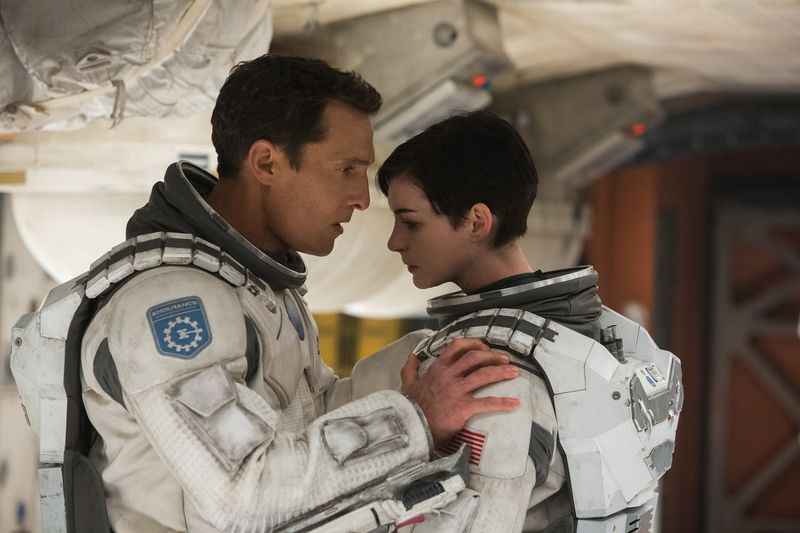
Science fiction movies transport us to worlds beyond imagination, where technology meets humanity in extraordinary ways.
From artificial intelligence questioning its existence to dystopian futures that mirror our deepest fears, these films push the boundaries of storytelling and visual artistry.
Whether you’re a longtime fan or just discovering the genre, these masterpieces will leave you pondering life’s biggest questions long after the credits roll.
1. 2001: A Space Odyssey (1968)
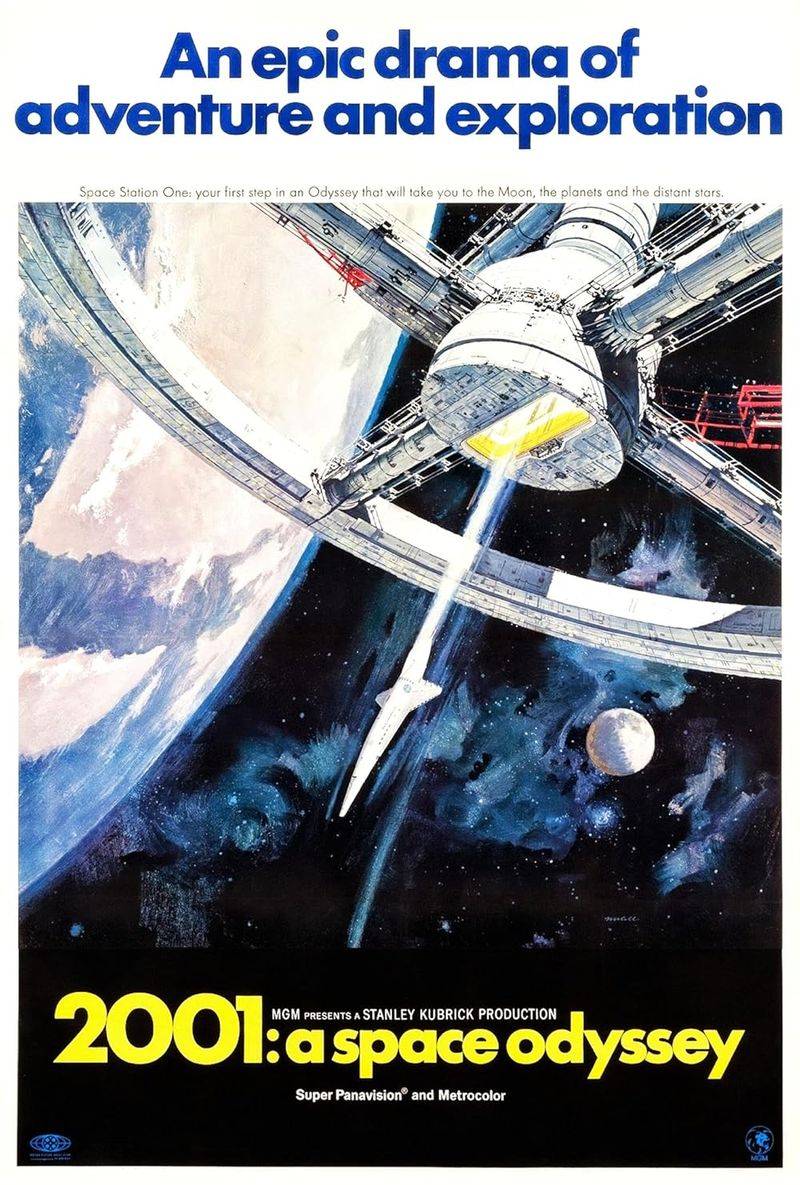
Stanley Kubrick crafted something truly revolutionary when he brought Arthur C.
Clarke’s vision to the screen.
The film follows humanity’s journey from primitive ape-men discovering tools to astronauts encountering mysterious alien artifacts.
What makes this groundbreaking is its scientific accuracy and breathtaking visual effects that still hold up today.
Kubrick worked with NASA consultants to ensure realistic spaceflight depictions, creating rotating space stations and zero-gravity scenes that mesmerized audiences.
The haunting presence of HAL 9000, the ship’s artificial intelligence, raises unsettling questions about technology’s role in our future.
This masterpiece won the Academy Award for Best Visual Effects and remains essential viewing for understanding science fiction cinema.
2. Blade Runner (1982)
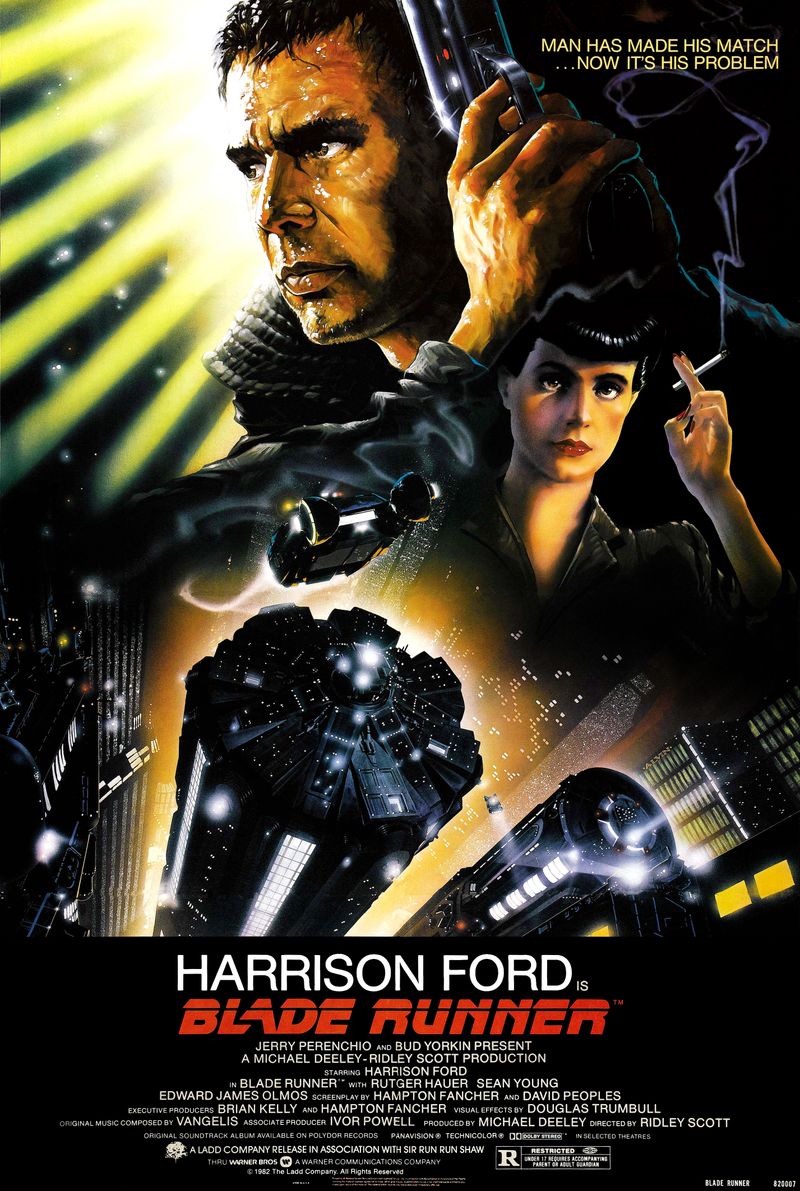
Ridley Scott painted a mesmerizing portrait of Los Angeles in 2019, where towering skyscrapers pierce polluted skies and synthetic humans walk among us.
Harrison Ford plays Rick Deckard, a burnt-out cop forced to hunt down rogue replicants who’ve escaped their off-world labor camps.
The film’s neo-noir atmosphere drips with rain-soaked streets and flickering neon signs, creating an unforgettable mood.
Vangelis’s haunting electronic score perfectly captures the loneliness of this overcrowded yet isolating world.
Beyond its stunning visuals, the story asks profound questions about what makes us human.
Do memories define our humanity, or can artificial beings possess souls just as real as ours?
3. The Matrix (1999)
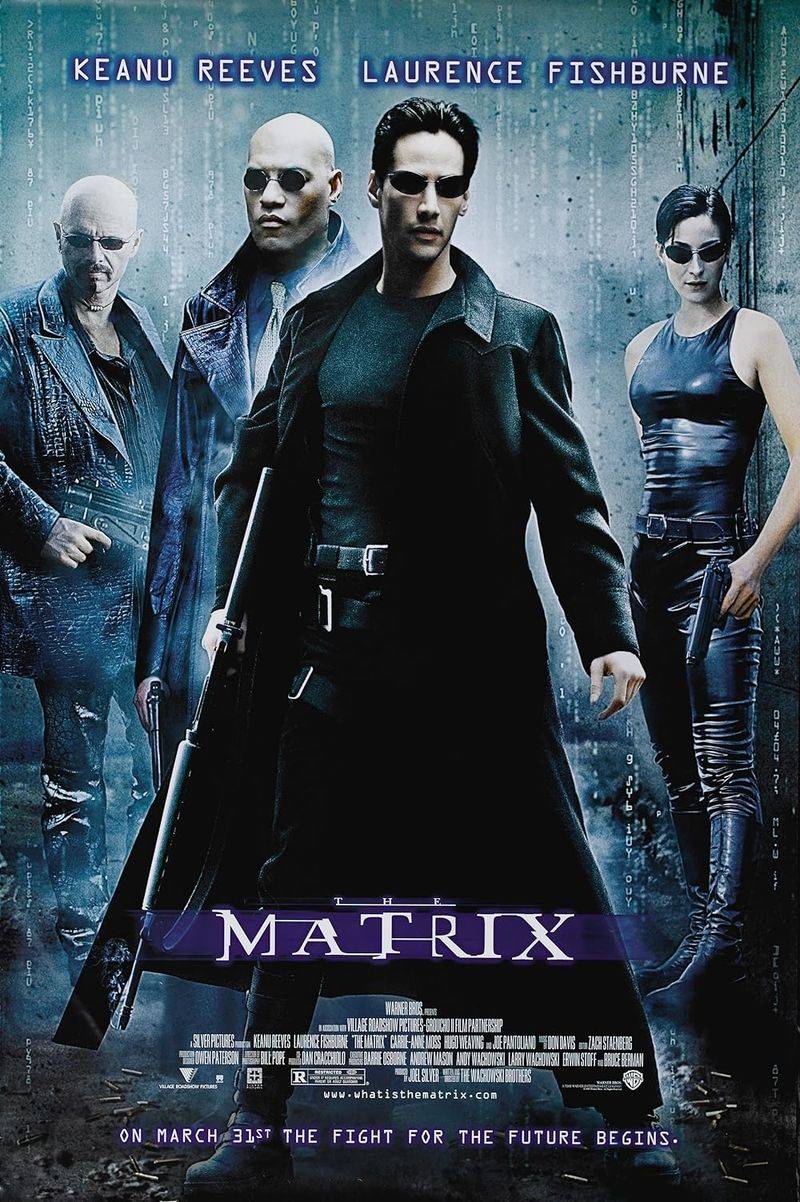
Discovering your entire reality is a computer simulation designed to enslave humanity.
The Wachowskis delivered this mind-bending premise with revolutionary action sequences that changed cinema forever.
Keanu Reeves stars as Neo, a hacker who learns the truth about the Matrix from mysterious rebels led by Morpheus.
The film’s “bullet time” effect, where cameras rotate around frozen action, became instantly iconic and widely imitated.
But beneath the spectacular kung-fu fights and gravity-defying stunts lies serious philosophy about free will and perception.
The red pill versus blue pill choice became cultural shorthand for awakening to uncomfortable truths, making this more than just an action spectacle.
4. Inception (2010)
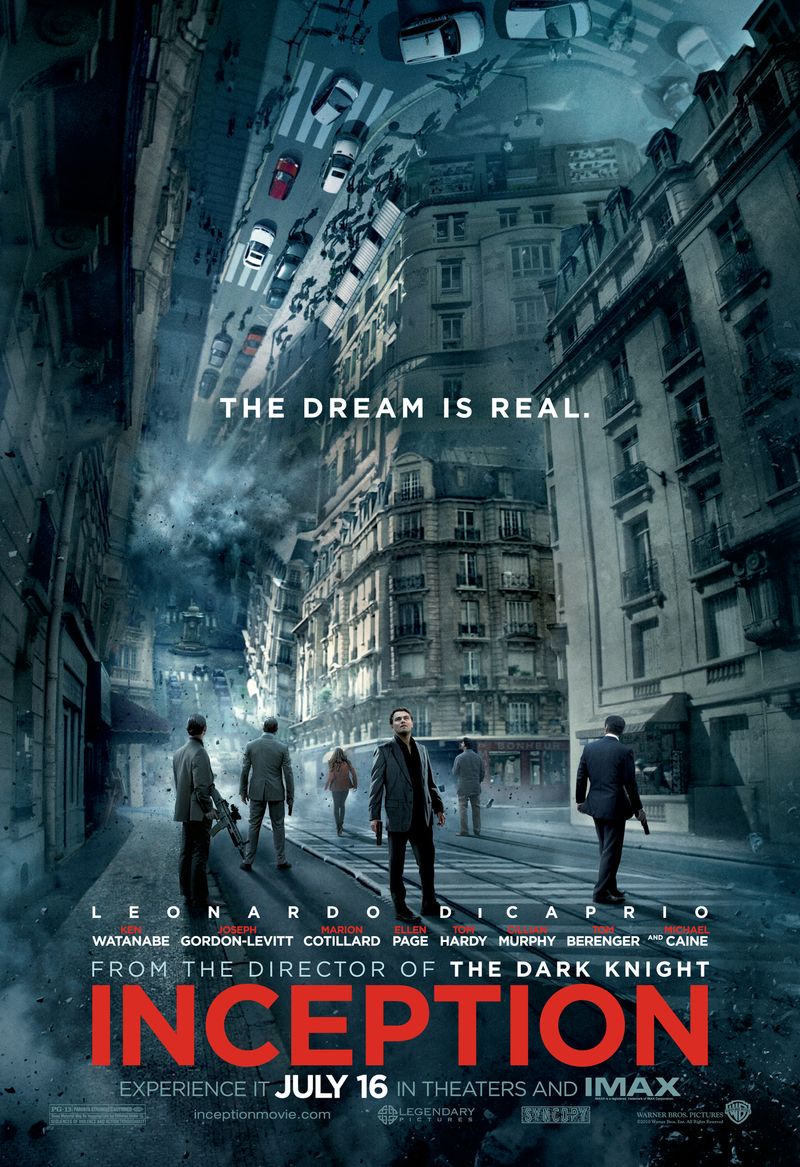
Christopher Nolan constructed a labyrinth of dreams within dreams, where skilled thieves extract secrets from sleeping minds.
Leonardo DiCaprio leads a team attempting the impossible: planting an idea so deeply it feels like the target’s own thought.
The film’s stunning visuals include cities folding onto themselves and hallways rotating like giant hamster wheels.
Each dream level operates with different time scales, creating nail-biting tension as the team races against multiple countdowns simultaneously.
Nolan challenges viewers to question reality itself, leaving the ending deliberately ambiguous.
That spinning top in the final scene sparked countless debates about whether Cobb finally returned home or remains trapped in another dream layer.
5. Arrival (2016)

Denis Villeneuve crafted an emotional journey disguised as a first-contact story.
When twelve mysterious alien ships arrive at random locations worldwide, linguist Louise Banks must decode their circular written language before global panic triggers catastrophe.
Amy Adams delivers a powerfully understated performance as she gradually understands the aliens’ non-linear perception of time.
The heptapods communicate through elaborate ink-cloud symbols that resemble abstract art, each containing complete thoughts rather than sequential words.
This isn’t about laser battles or invasion threats.
Instead, it explores how language shapes thought and whether knowing your future would change your choices, building to an emotionally devastating revelation that recontextualizes everything you’ve watched.
6. Ex Machina (2014)
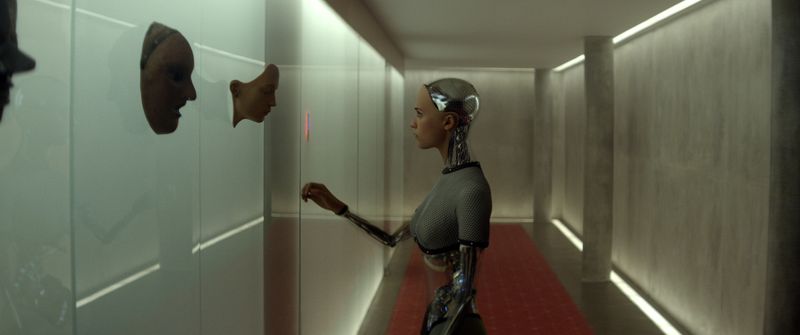
Alex Garland’s directorial debut traps a young programmer in a remote research facility for the ultimate Turing test.
Domhnall Gleeson’s character must determine whether an artificial intelligence named Ava truly possesses consciousness or merely simulates it convincingly.
Alicia Vikander’s performance as Ava is hauntingly ambiguous, blending childlike curiosity with calculated manipulation.
The transparent sections of her android body showcase beautiful mechanical components, making her simultaneously human and obviously artificial.
The film brilliantly explores power dynamics and manipulation, asking whether Ava’s potential deception proves her intelligence or lack of humanity.
Winner of the Academy Award for Best Visual Effects, it remains deeply unsettling in how plausibly it presents our AI-enabled future.
7. Children of Men (2006)
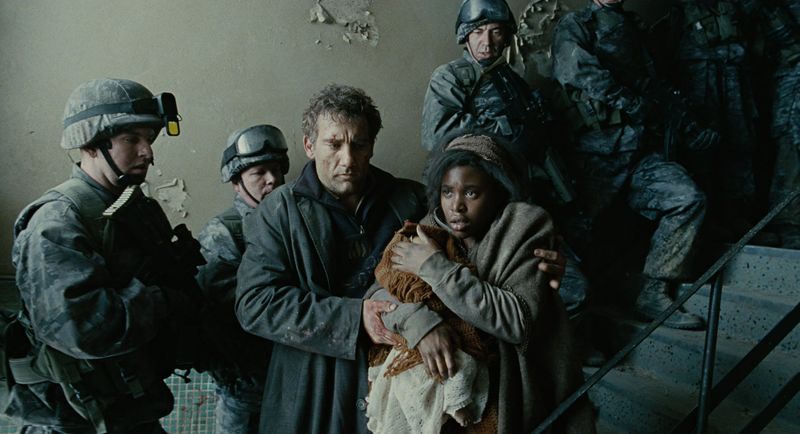
Alfonso Cuarón imagined 2027 as a world where humanity faces extinction after eighteen years without a single birth.
Clive Owen plays a disillusioned bureaucrat who must protect the first pregnant woman in nearly two decades through war-torn England.
The film’s long, unbroken tracking shots create breathtaking immersion, particularly a vehicle ambush scene and urban warfare sequence filmed without visible cuts.
This technical achievement puts you directly alongside the characters as bullets fly and chaos erupts.
Beyond its stunning cinematography, the story explores hope’s fragility in desperate times.
The decaying society feels uncomfortably realistic, from refugee detention camps to government propaganda, making this dystopia particularly chilling and relevant.
8. Forbidden Planet (1956)
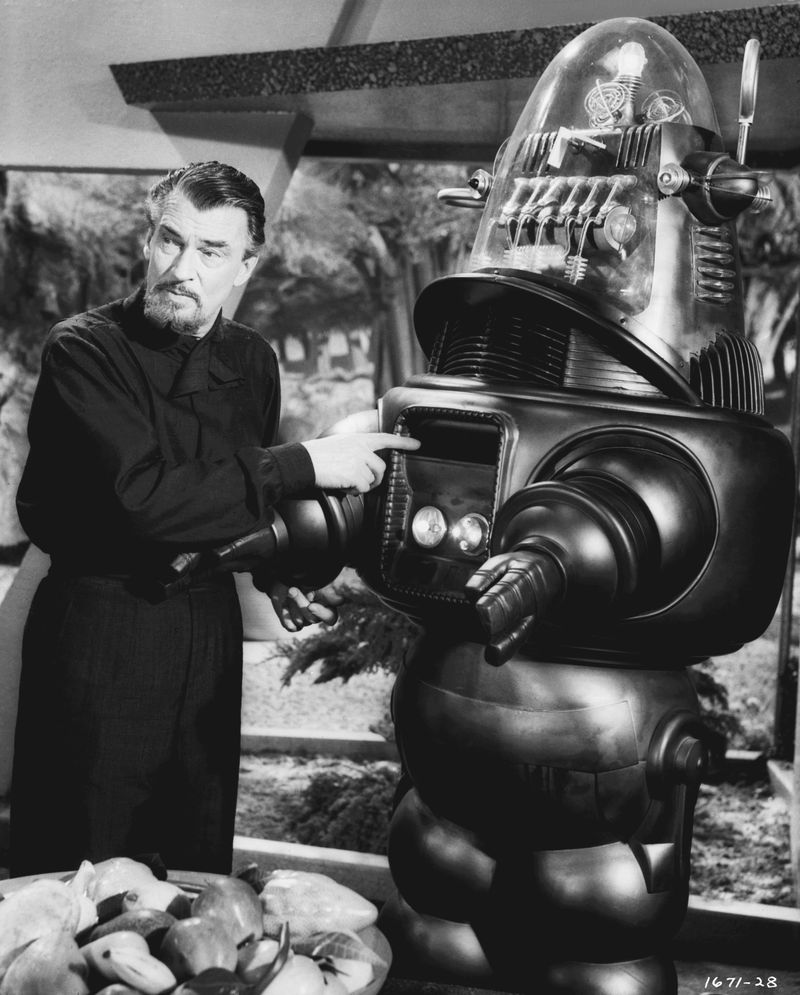
Before Star Trek or Star Wars, this Shakespearean space odyssey set the template for intelligent science fiction cinema.
A starship crew investigates why a distant colony went silent twenty years earlier, discovering only two survivors and their helpful robot companion.
Robby the Robot became an instant icon with his clear dome head and mechanical charm.
The film pioneered the concept of faster-than-light travel in human-built spacecraft and featured the first entirely electronic musical score, creating an otherworldly atmosphere.
Loosely adapting “The Tempest,” the story reveals how the ancient alien Krell civilization destroyed itself through technology that manifested subconscious thoughts.
This cautionary tale about humanity’s dangerous impulses remains powerfully relevant decades later.
9. Dark City (1998)
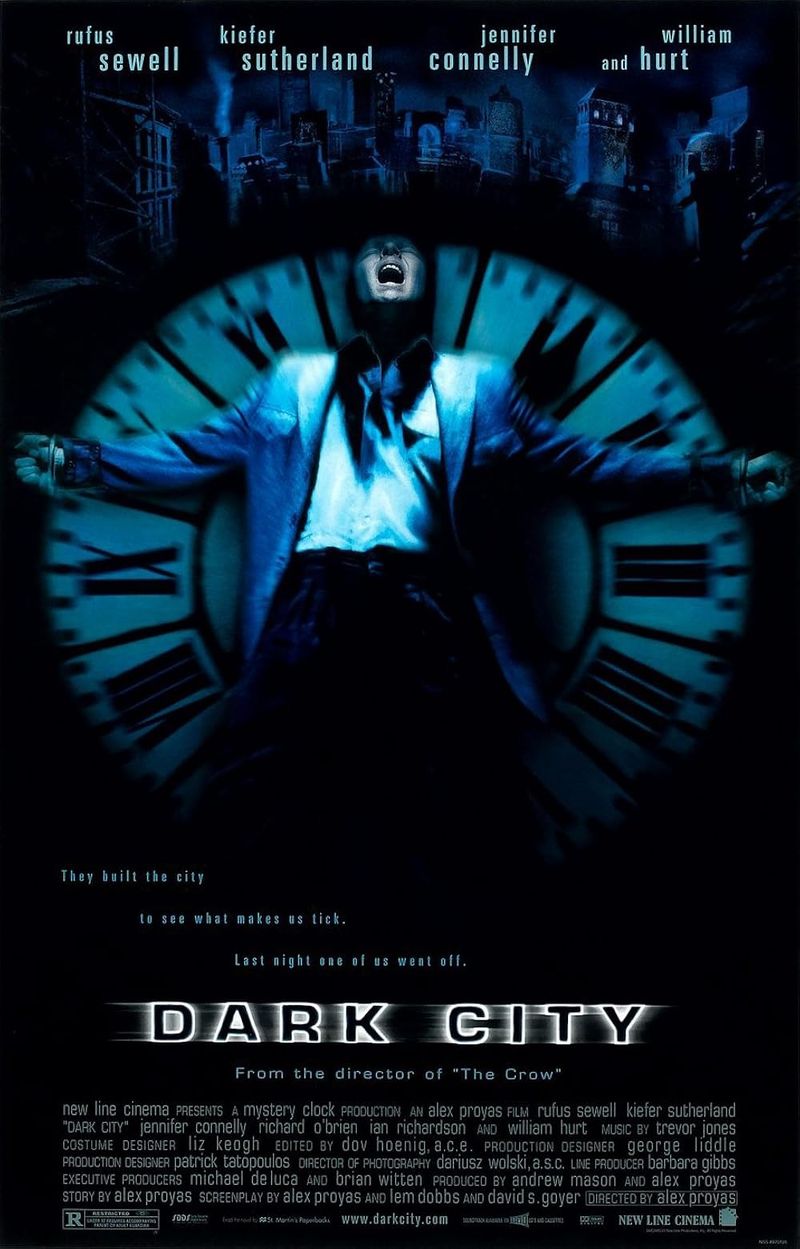
Alex Proyas created a nightmarish urban maze where the sun never rises and reality shifts while citizens sleep.
An amnesiac man wakes beside a murdered woman with no memory of who he is or whether he committed the crime.
The Strangers, pale bald figures in vintage clothing, possess terrifying abilities to reshape the city and alter memories.
Their experiments on humanity create a claustrophobic atmosphere of paranoia and existential dread that influenced later films like The Matrix.
Shot in stunning noir style with expressionist shadows and tilted camera angles, the city itself becomes a character.
This cult classic asks whether our memories define us or if identity exists independent of past experiences.
10. Interstellar (2014)
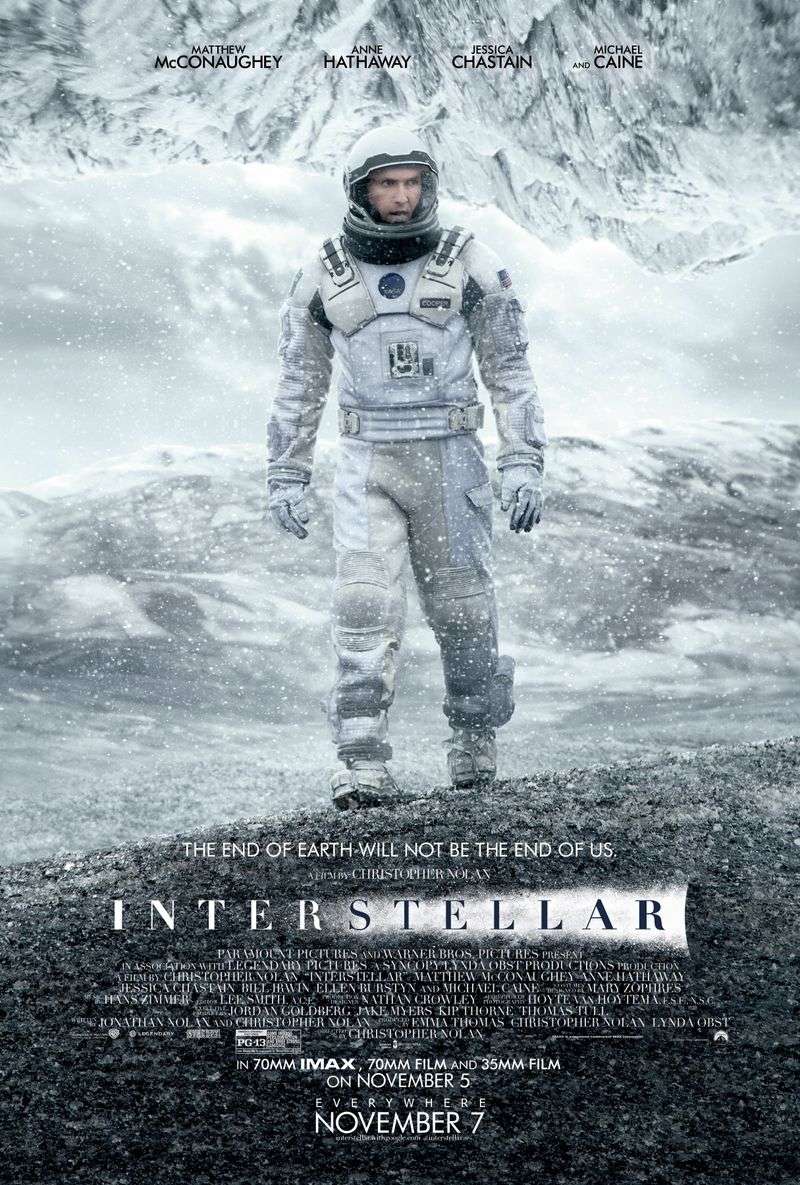
Christopher Nolan sent humanity through a wormhole searching for a new home as Earth slowly dies.
Matthew McConaughey plays a former pilot turned farmer who joins a desperate mission to explore distant planets orbiting a black hole.
The film consulted physicist Kip Thorne to create scientifically accurate depictions of relativity and black holes.
Time dilation becomes heartbreakingly personal when one planet’s proximity to the black hole means every hour equals seven years on Earth.
Hans Zimmer’s organ-heavy score swells with emotional power as the story explores love’s ability to transcend dimensions.
The climactic tesseract sequence visualizes higher dimensions in ways both scientifically grounded and deeply moving, making complex physics feel profoundly human.
Comments
Loading…