
 Chloe Peterson
Not every person who enters your life will make it better.
Some behaviors in relationships can slowly chip away at your happiness, confidence, and peace of mind.
Recognizing warning signs early helps protect your emotional well-being and guides you toward healthier connections that truly support your growth and happiness.
1. The Chronic Critic
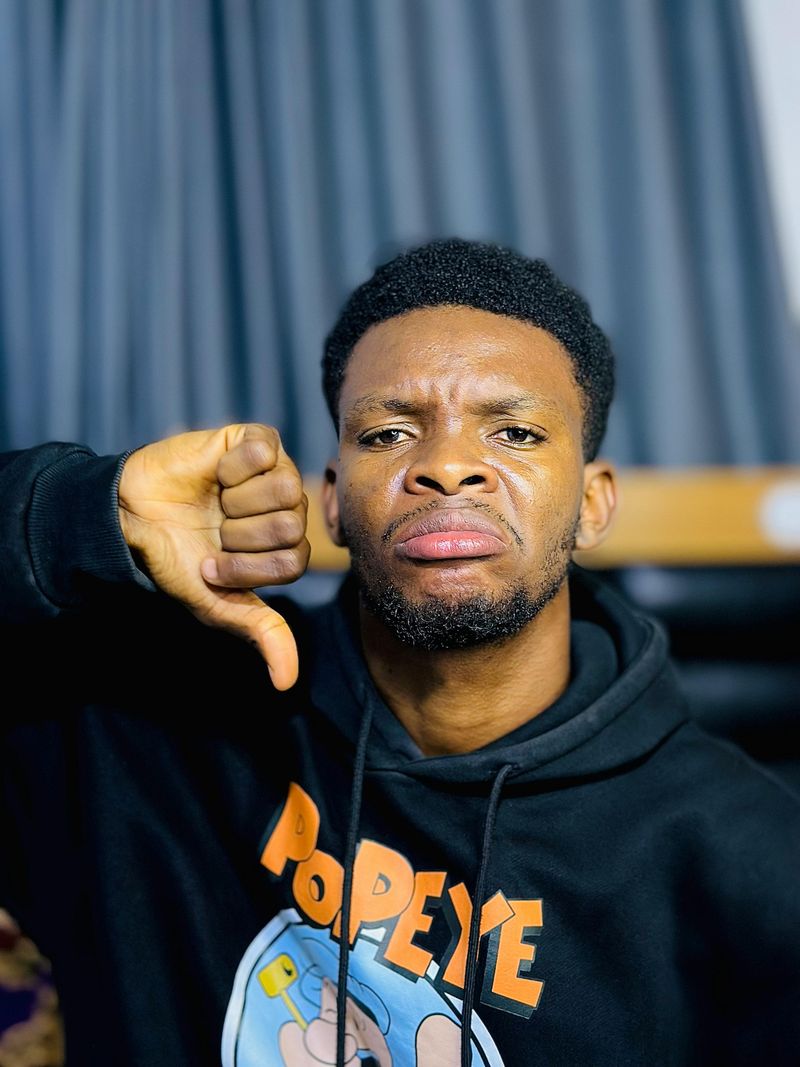
Nobody enjoys being around someone who constantly finds fault in everything they do.
When your partner habitually points out mistakes, flaws, or shortcomings, it creates an atmosphere where you feel like you’re walking on eggshells.
Over time, this relentless negativity chips away at your self-esteem and makes you question your worth.
Research shows that constant criticism raises stress levels and creates defensiveness in relationships.
Instead of feeling supported and encouraged, you end up feeling attacked and unappreciated.
Trust begins to crumble when every action gets scrutinized under a microscope.
Healthy relationships involve constructive feedback delivered with kindness and respect.
If someone makes you feel small more often than they lift you up, that’s a red flag worth paying attention to.
2. The Commitment-Phobe

Planning a future together should feel exciting, not like pulling teeth.
Some guys dodge conversations about tomorrow like they’re avoiding the plague.
They keep things vague, refuse to define the relationship, and get squirmy whenever long-term topics come up.
This avoidant behavior stems from deeper attachment issues that make building stability nearly impossible.
You’re left in relationship limbo, never knowing where you stand or if your investment will pay off.
The constant uncertainty breeds insecurity and leaves you feeling anxious about what comes next.
Everyone deserves someone who’s excited to build a life together.
When someone can’t commit after reasonable time, they’re showing you who they are.
Believe them and protect your heart accordingly.
3. The Financially Irresponsible Partner

Money problems can sink even the strongest relationships faster than almost anything else.
When your partner consistently overspends, hides purchases, or refuses to budget responsibly, it introduces massive stress into your daily life.
Financial irresponsibility isn’t just about dollars and cents—it reflects poor planning and disregard for shared goals.
You might find yourself covering their expenses, watching your savings disappear, or dealing with debt collectors.
The resentment builds quickly when one person acts carelessly while the other tries maintaining stability.
Dreams of buying a home or taking vacations get derailed by someone else’s impulsive choices.
Financial compatibility matters tremendously for long-term happiness.
Someone who won’t respect money likely won’t respect your future together either.
4. The Control Freak

Freedom and trust form the foundation of healthy love.
Control freaks demolish both by monitoring your activities, making all decisions unilaterally, and dictating how you spend your time.
They disguise manipulation as concern, making you doubt your own judgment about what’s normal.
This behavior creates a toxic power imbalance where one person holds all the cards.
You lose your autonomy bit by bit until you barely recognize yourself anymore.
Psychologists identify excessive control as a form of emotional abuse that damages mental health and self-worth.
Real love respects boundaries and celebrates independence.
If someone needs to control everything you do, they don’t want a partner—they want a puppet.
You deserve better than that.
5. The Emotionally Unavailable Man

Emotionally unavailable men avoid meaningful conversations, dismiss your needs, and shut down whenever things get real.
They’re physically present but emotionally absent, leaving you feeling profoundly lonely even when you’re together.
This disconnect prevents genuine intimacy from developing.
You can’t build depth when someone refuses to be vulnerable or acknowledge emotions.
Studies link emotional unavailability to higher breakup rates because relationships can’t survive on surface-level interactions alone.
You need someone willing to show up emotionally, not just physically.
If he can’t meet you halfway in the feelings department, you’ll always feel starved for connection.
6. The Serial Cheater

Trust, once shattered, becomes incredibly difficult to rebuild.
Serial cheaters repeatedly betray their partners, leaving emotional scars that can last for years.
Their pattern of infidelity reveals deep character flaws including impulsivity, selfishness, and low empathy for others’ pain.
Each betrayal reopens old wounds and makes you question everything about your relationship.
You become hypervigilant, anxious, and unable to relax.
The emotional toll extends far beyond the initial discovery, affecting your ability to trust future partners too.
Some people claim cheaters can change, but serial offenders rarely do.
Their behavior shows a fundamental lack of respect and self-control.
Protecting yourself means recognizing patterns and refusing to accept repeated betrayal.
7. The Perpetual Victim

Everything happens to him, never because of him.
The perpetual victim deflects all responsibility, blames external circumstances, and focuses obsessively on perceived injustices.
He never owns mistakes or works toward solutions because nothing is ever his fault.
This mindset prevents personal growth and accountability, two essentials for healthy partnerships.
You end up feeling unheard and frustrated because he can’t acknowledge his role in problems.
Every disagreement becomes about how he’s been wronged rather than how to move forward together.
Mature relationships require both people to admit when they’re wrong and commit to improvement.
Someone stuck in victim mode will drain your energy while refusing to change anything about themselves.
Comments
Loading…