
 Mila Ross
If Big Social Gatherings Drain You, Psychology Says You Likely Have These 10 Traits

Have you ever left a party feeling completely wiped out, even though you were having fun?
Many people feel drained after big social events, and it turns out there are specific psychological traits that explain why.
Understanding these characteristics can help you recognize your needs and take better care of yourself in social situations.
1. You Process Interactions Deeply

Your brain works like a detective at social gatherings.
While others chat casually, you’re picking up on facial expressions, voice tones, and what people aren’t saying out loud.
This constant mental work happens automatically for you.
Every conversation becomes a puzzle to solve.
You notice when someone’s smile doesn’t reach their eyes or when their words contradict their body language.
Processing all these details takes serious mental energy.
By the end of an event, your mind feels exhausted from analyzing everything.
While this deep processing helps you understand people better, it also means you need more downtime afterward to recover and reset.
2. You Prefer Meaningful Conversations Over Small Talk

Chatting about weather or weekend plans feels like running on a treadmill—lots of effort with no real progress.
Your brain craves conversations with substance, where ideas get explored and genuine connections form.
Surface-level exchanges leave you feeling empty.
When forced into small talk, you struggle to stay engaged.
These brief, polite conversations don’t satisfy your need for authentic communication.
You’d rather have one real discussion than twenty shallow ones.
This preference isn’t snobbery; it’s how you’re wired.
Meaningful dialogue energizes you because it engages your mind fully, while small talk drains you because it feels pointless and unsatisfying to your deeper nature.
3. You’re Highly Aware of Your Surroundings

Walking into a busy room is like turning on fifty television channels simultaneously.
Your brain registers the music volume, how many people are talking, the temperature, lighting quality, and who’s standing where. Nothing escapes your notice.
Most people filter out background information automatically.
You absorb it all instead.
This heightened environmental awareness means your nervous system stays on high alert throughout social events, constantly processing sensory data.
The mental effort required to track everything happening around you adds up quickly.
Even enjoyable gatherings become exhausting because your brain never stops monitoring your surroundings, leaving you mentally drained long before others feel tired.
4. You Need Alone Time to Recharge

Solitude isn’t loneliness for you—it’s essential maintenance.
After social interactions, you need quiet time alone like your phone needs charging overnight.
Without it, you feel irritable, foggy, and completely depleted of energy.
Other people might recharge by being around friends.
You’re the opposite.
Social situations drain your battery, and only alone time fills it back up.
This isn’t antisocial behavior; it’s biological necessity.
You’ve learned to protect your alone time fiercely.
Skipping this recovery period means showing up to your next social event already exhausted, making the experience even harder.
Honoring this need keeps you balanced and healthy.
5. You Communicate Thoughtfully
Words matter to you.
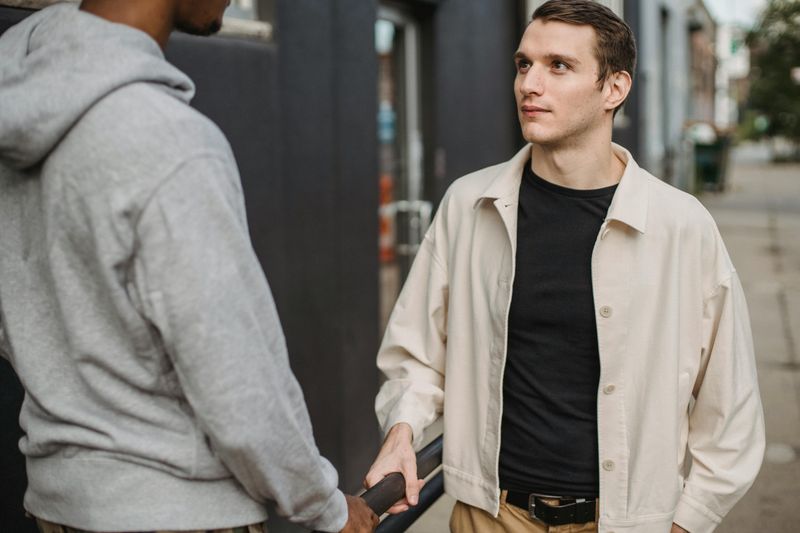
Before speaking, you pause to consider what you really mean and how it might be received.
This careful approach to communication serves you well in important discussions but becomes exhausting in fast-moving group conversations.
While others rapid-fire responses back and forth, you’re still formulating your first thought.
By the time you’re ready to contribute, the topic has shifted three times.
This mismatch leaves you feeling perpetually behind and frustrated.
Group settings demand quick reactions you’re not wired to provide.
Your reflective communication style is a strength in many situations, but it makes large gatherings particularly draining since they rarely allow time for thoughtful responses.
6. You Absorb Others’ Emotions Easily

Someone across the room feels anxious, and suddenly you do too.
You pick up emotional signals like a radio antenna, absorbing the moods and stress levels of everyone nearby.
This emotional permeability isn’t something you control—it just happens.
At gatherings, you’re processing not just your own feelings but everyone else’s too.
Happy people lift your spirits, but stressed or upset individuals drag you down.
Managing this emotional overflow exhausts you completely.
This trait makes you wonderfully empathetic and understanding.
However, it also means social events become emotionally overwhelming as you unconsciously take on the collective feelings of the crowd, leaving you emotionally drained afterward.
7. Value Authenticity Over Performing

Putting on your social mask feels like wearing uncomfortable shoes all evening.
Many gatherings require constant friendliness, strategic networking, or projecting a certain image.
For you, this performance feels fake and utterly exhausting.
You’d rather be genuine than popular.
When situations demand you act differently than you feel, it creates internal conflict that drains your energy rapidly.
Pretending takes work that authenticity doesn’t require.
This doesn’t mean you’re rude or unfriendly.
You simply can’t sustain prolonged periods of being someone you’re not.
Events requiring constant social performance leave you especially depleted because they force you to suppress your authentic self throughout.
8. You’re Sensitive to Sensory Input
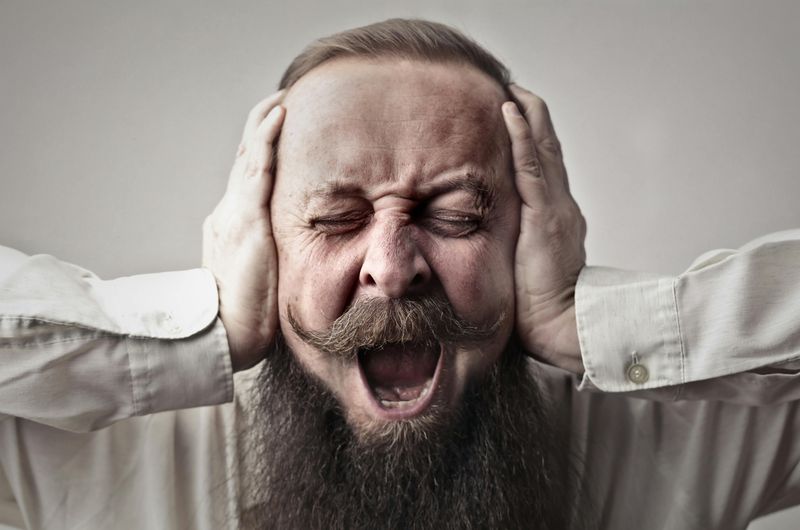
Loud music physically hurts your ears. Overlapping conversations create mental chaos.
Bright, flashing lights make your head pound.
Your nervous system processes sensory information more intensely than most people’s, making stimulating environments genuinely painful.
What others find energizing—pumping music, excited crowds, dynamic lighting—you find overwhelming.
Your sensory threshold is lower, meaning you hit overload much faster than friends who thrive in high-energy settings.
This heightened sensitivity isn’t weakness or pickiness.
Your nervous system genuinely responds more strongly to stimulation.
Busy social environments assault multiple senses simultaneously, leading to faster exhaustion and genuine physical discomfort you can’t ignore.
9. You Have a Limited Social Battery

Your social energy has a visible meter, and you watch it drain throughout events.
Even gatherings you enjoy deplete this battery steadily.
Two hours in, you’re running low.
Three hours, and you’re desperate to leave regardless of how fun things are.
Friends might party until midnight without flagging.
You’re ready to go home by nine, even if you’re having a great time.
This isn’t about enjoyment—it’s about energy capacity.
Recovery time after social events isn’t optional for you.
Your battery charges slowly and drains quickly, meaning you need substantial downtime between gatherings.
Ignoring these limits leads to burnout and genuine exhaustion that affects everything else.
10. You’re Highly Self-Aware in Social Settings

Part of your brain constantly monitors yourself during social interactions.
Am I talking too much?
Did that joke land?
How am I being perceived right now?
This internal observer never takes a break at gatherings.
While participating in conversations, you’re simultaneously evaluating your performance.
This split focus requires tremendous mental energy that others don’t expend.
They simply exist; you exist while watching yourself exist.
This self-awareness can help you navigate social situations skillfully.
However, it also means you’re running two programs simultaneously—participating and monitoring—which doubles your mental workload and explains why you feel exhausted so much faster than others.
Comments
Loading…