
 Isabel Parker
A credit score rarely collapses in one dramatic moment, because for most people it gets chipped away by small, easy-to-miss habits that don’t feel like “real” financial mistakes.
You can pay your rent, keep your job, and still watch your score slide because of timing issues, balance swings, or one forgotten bill that snowballs behind the scenes.
The frustrating part is that many of these problems don’t show up until you try to qualify for a loan, refinance, or even set up a new utility account.
The good news is that once you know what quietly drags your score down, the fixes are usually straightforward and surprisingly affordable.
Here are seven common credit score wreckers that sneak up on people, plus what to do instead.
1. Missing just one payment by 30+ days

It often starts with a simple oversight: a due date you misread, a card you rarely use, or a payment that didn’t go through after you changed banks.
Once a payment is 30 days late, it can be reported to the credit bureaus and treated as a serious negative mark.
That’s because payment history is one of the biggest parts of your score, and lenders see lateness as a sign you might not repay reliably.
Even if you catch up quickly, the damage can linger for years, especially if the late payment is recent.
To prevent this, set autopay for at least the minimum and pair it with calendar reminders a week before the due date.
If you slip up, call the issuer immediately and ask whether a one-time courtesy removal is possible.
2. Carrying high balances (even if you pay on time)

High balances can bruise your score even when every bill is paid on time.
Credit utilization measures balances against your limits, and large ratios signal risk.
When cards live near the ceiling month after month, algorithms assume strain and tighten the score.
Target under 30 percent overall, and under 10 percent if you want extra glow.
Pay mid-cycle before statements cut, then again by the due date to show lower reported balances.
A well-timed extra payment can trim utilization without extra interest.
Consider asking for a higher limit, but only if spending stays disciplined.
Spreading purchases across cards helps, though simplicity matters for sanity.
For recurring expenses, use one card and pre-schedule sweep payments from checking.
Treat utilization like a thermostat: keep it cool and steady for a calmer financial climate.
3. Closing an old credit card you “don’t use”

Cutting up a card you never touch can feel like a smart, minimalist move, but closing it can quietly hurt your credit profile.
When you shut down an older account, you may reduce your overall available credit and increase utilization on the cards you keep.
You can also lose some of the benefit of a longer credit history, especially if the card is one of your oldest accounts.
The result is a score drop that seems confusing because you didn’t take on new debt or miss a payment.
If the card has an annual fee you don’t want to pay, consider asking for a product change to a no-fee version instead of closing it outright.
If it’s fee-free, keep it open and use it occasionally for a small purchase, then pay it off to keep it active.
4. Applying for multiple credit accounts in a short window

A flurry of applications can make your score wobble, even if you’re just trying to find a better deal or rebuild your credit quickly.
Each hard inquiry can shave off points, and several inquiries in a short window can suggest to lenders that you’re desperate for credit.
New accounts can also lower your average account age, which matters more than many people realize.
This can be especially frustrating if you’re applying for store cards during checkout, because those offers feel harmless but still trigger the same type of review.
A smarter approach is spacing applications out and applying only when you have a clear reason and a plan.
If you’re shopping for a mortgage or auto loan, do your rate comparisons in a tight time window, since scoring models often treat that kind of “rate shopping” differently than repeated credit card applications.
5. Letting a bill go to collections (even a small one)
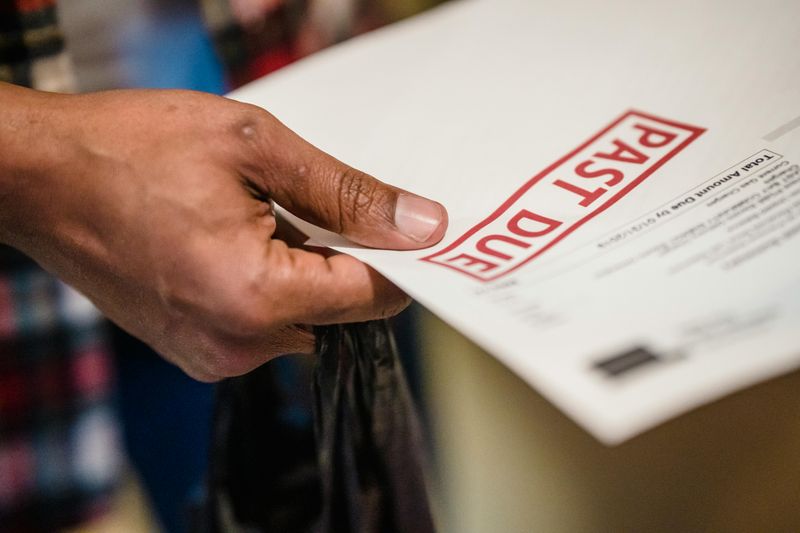
Credit damage doesn’t always come from big, dramatic debts, because a tiny bill can become a major problem once it hits collections.
A forgotten medical copay, an old utility balance after a move, or a gym cancellation fee can get sold to a collection agency before you even realize there’s an issue.
Collections are a red flag to lenders because they indicate an account went unpaid long enough to be escalated, and the score impact can be significant.
To avoid this, pay close attention when you change addresses, switch providers, or cancel services, since those transitions create the most “lost bill” situations.
Set up mail forwarding and update your contact info everywhere you have an account.
If you discover a collection, ask for validation and explore options like paying it quickly or negotiating a “pay for delete” agreement, if the agency will offer it.
6. Being added to (or staying on) someone else’s high-balance card

Being added as an authorized user can seem like a harmless way to build credit, but it can backfire if the primary cardholder carries large balances or pays late.
Many credit scoring systems will factor that account into your credit report, which means their habits can spill into your score even if you never touch the card.
This is especially risky when someone uses the card heavily, maxes it out, or makes only minimum payments, because it can spike utilization and create a pattern lenders don’t like.
If you’re an authorized user for a family member or partner, ask how they manage the account and whether they typically keep balances low.
You can also request that the issuer remove you if the account starts affecting you negatively, because protecting your credit matters more than avoiding an awkward conversation.
If your goal is to build credit, a secured card in your own name can be safer.
7. Ignoring credit report errors and outdated negative marks

A surprising number of credit score drops happen because of mistakes, not behavior, and those mistakes can sit quietly on your report until you catch them.
Accounts can be reported late when you paid on time, old collections can show up twice, or someone else’s information can get mixed into your file if you share a similar name.
Even negative marks that should have aged off can sometimes linger longer than they’re supposed to.
Since lenders base decisions on what’s in the report, an error can cost you a better interest rate or a yes on an application.
To stay ahead of this, review your reports regularly and don’t assume everything is accurate.
Look for unfamiliar accounts, incorrect balances, and wrong dates, then dispute errors with the credit bureau and the company reporting the information.
Keeping documentation like receipts and confirmation emails makes disputes easier and faster.
Comments
Loading…