
 Mila Ross
These 11 Daily Habits Can Age You Faster Than You Think

Most of us think “aging” is something that happens slowly, like a background process we can’t control, but daily routines have a surprisingly loud vote in how energized, healthy, and refreshed we look.
The tricky part is that the habits that speed things up rarely feel dramatic in the moment, because they’re often the same small choices we make to get through busy days.
A late-night scroll turns into a shorter sleep window, a quick convenience meal becomes the default, and “I’ll deal with it later” becomes a lifestyle.
None of this is about chasing perfection or fearing birthdays; it’s about spotting the sneaky patterns that chip away at your glow, your posture, your mood, and even your confidence over time.
Here are 11 everyday habits that can quietly add years—and what to do instead.
1. Skimping on sleep (or keeping an inconsistent sleep schedule)

Cutting corners on rest doesn’t just make you tired; it shows up on your face in ways that feel unfairly immediate.
When you sleep too little or your bedtime constantly shifts, your body struggles to regulate stress hormones and repair skin, which can leave you looking puffy, dull, and more lined than usual.
The next day often brings a double hit, because fatigue can push you toward sugar, caffeine, and less movement, which only amplifies that “worn out” look.
Over time, inconsistent sleep can affect mood, focus, and even appetite cues, making it harder to maintain healthy routines that keep you vibrant.
A simple upgrade is choosing a consistent wake-up time, aiming for a wind-down routine that actually calms you, and treating sleep like a non-negotiable appointment rather than an optional luxury.
2. Drinking too little water (living in a constant low-grade dehydration)
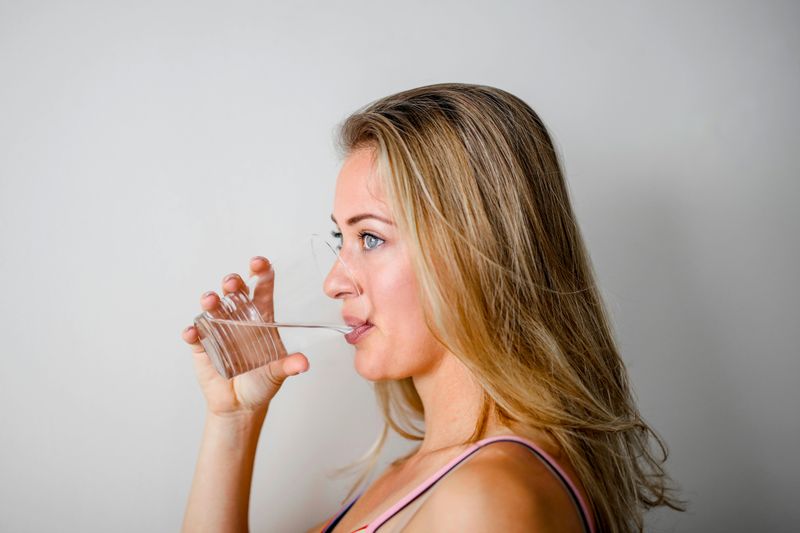
Running on minimal hydration can make your skin look less plump and your energy feel oddly flat, even when you’re doing everything else “right.”
When your body is short on fluids, skin can appear duller and fine lines can look more noticeable, because dehydrated skin tends to reflect light less evenly.
You might also mistake thirst for hunger, which can lead to more snacking and more salty foods that worsen puffiness.
The most frustrating part is that low-grade dehydration is easy to normalize, especially if your day is fueled by coffee and you rarely feel truly thirsty.
Keep a water bottle within reach, pair sipping with regular cues like emails or meetings, and add flavor with citrus or mint if plain water feels boring, because consistency matters more than perfection.
3. Always sipping sugary drinks (including “healthy” bottled teas/juices)
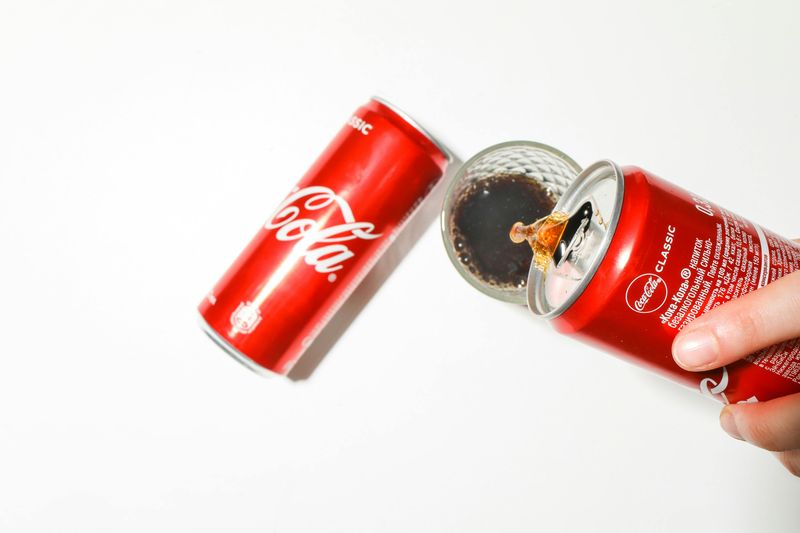
A steady stream of sweet drinks can quietly work against your glow, even if you’re not “overdoing it” in obvious ways.
Liquid sugar spikes blood sugar quickly, which can contribute to inflammation and make skin look more tired over time, while also setting you up for energy crashes that lead to more cravings.
Some bottled options marketed as healthy can still be packed with sugar, and the constant sipping pattern keeps your body on a roller coaster instead of letting levels settle.
Your teeth can take a hit too, which matters because a bright smile is one of the strongest youth signals.
A better approach is reserving sweet drinks for occasional treats, choosing sparkling water or unsweetened tea for everyday sipping, and reading labels so you’re not accidentally drinking dessert in a bottle.
4. Living on ultra-processed convenience foods

Leaning heavily on packaged convenience foods may save time, but it can also make your body look and feel older than it needs to.
Many ultra-processed options are high in sodium, added sugars, and refined oils, which can contribute to puffiness, sluggish digestion, and that “my skin looks off” feeling you can’t quite explain.
When meals lack protein, fiber, and micronutrients, your body has fewer building blocks for repair, energy, and stable mood, so you’re more likely to feel depleted even when you’re technically eating enough calories.
The fix doesn’t require a total lifestyle overhaul; it can start with small swaps like adding a bagged salad kit to a simple protein, choosing frozen veggies you can microwave, and building a short list of quick meals you can repeat without thinking.
5. Not wearing sunscreen on “normal” days (errands, driving, cloudy weather)

Skipping sun protection because you’re “not really outside” is one of the easiest ways to invite premature aging without realizing it.
UV exposure adds up during everyday moments like walking the dog, sitting near windows, or driving, and that cumulative damage can show up as uneven tone, fine lines, and stubborn dark spots.
Even on cloudy days, UV rays can still reach your skin, which is why inconsistent sunscreen use often creates the illusion that skincare products “aren’t working.” The simplest strategy is choosing a daily sunscreen you actually enjoy wearing, because comfort is what makes a habit stick.
Aim for broad-spectrum protection, apply it as the last step of your morning routine, and keep a travel-size option in your bag or car for touch-ups, especially if you’re out for extended periods.
6. Mindlessly scrolling with your neck craned down (“tech neck” posture)

Hours spent looking down at a phone can reshape how you carry yourself, and posture is one of those subtle cues people associate with youth and vitality.
When your head juts forward and your shoulders round, you can look more tired, less confident, and yes, older, even if your skin is flawless.
Over time, that position can contribute to neck lines, tension headaches, and upper-back tightness that makes movement feel stiff instead of fluid.
The aging effect isn’t about the phone itself; it’s about how often your body is parked in a compressed position.
Try raising your screen closer to eye level, taking micro-breaks to roll your shoulders and lengthen your neck, and adding a few minutes of upper-back mobility work each day, because small corrections done consistently matter more than occasional big fixes.
7. Sitting most of the day and rarely strength training
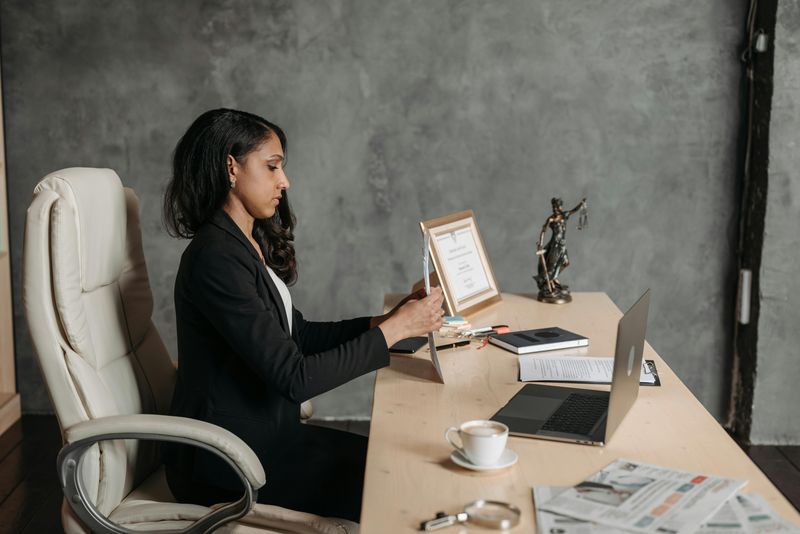
A mostly sedentary routine can quietly drain your “spark,” even if you’re otherwise healthy, because movement affects everything from circulation to muscle tone.
Sitting for long stretches can lead to tight hips, weaker glutes, and a rounded posture that changes the way clothes fit and the way you carry yourself.
Strength training, in particular, supports muscle mass and bone health, which helps you stay strong and upright as you age, instead of feeling progressively more fragile.
The good news is that you don’t need a complicated gym plan to see benefits; you need consistency and progressive challenge.
Start with short sessions using bodyweight moves like squats, push-ups against a counter, and rows with a resistance band, while also setting a timer to stand and walk for a few minutes every hour, because “less sitting” is a powerful habit on its own.
8. Chronic stress with no decompression routine (even 10 minutes counts)

Living in a constant state of stress can age you from the inside out, because your body starts treating “normal life” like an emergency.
When stress hormones stay elevated, sleep suffers, cravings intensify, and inflammation can creep up, which often shows up as dull skin, breakouts, and a perpetually exhausted look.
The hardest part is that many people get so used to stress that calm starts to feel unproductive, so they never build a routine that signals safety to their nervous system.
You don’t need a fancy wellness setup; you need a reliable off-switch.
A short daily ritual like a walk without your phone, a few minutes of slow breathing, stretching while you watch TV, or journaling before bed can make a visible difference over time, because your body repairs best when it isn’t bracing for impact.
9. Smoking/vaping—or frequent secondhand smoke exposure
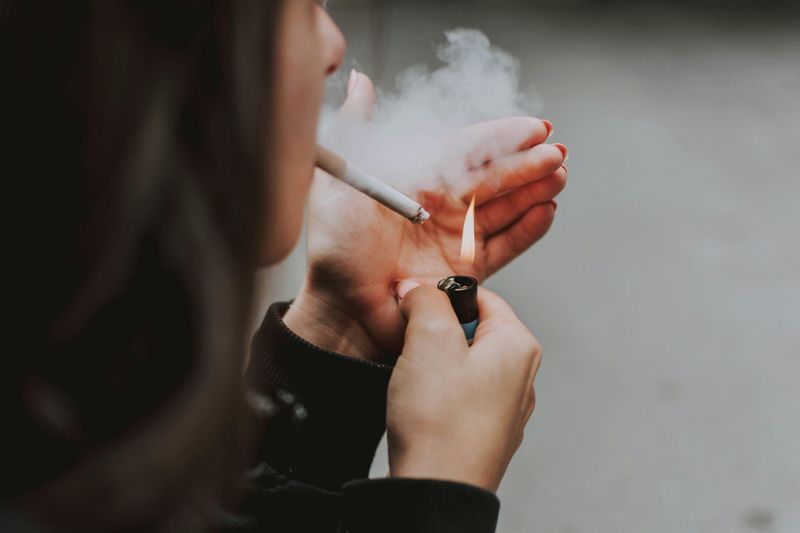
Regular exposure to nicotine and smoke can visibly age skin faster than many people expect, because it affects circulation and collagen support over time.
When blood flow is compromised, skin can look less bright and less even, and fine lines may deepen, especially around the mouth.
Vaping is sometimes treated as a “safer” habit, but frequent nicotine use still keeps the body in a stress-response state, and the ritual can reinforce other behaviors like less hydration and more late-night scrolling.
Secondhand smoke matters too, especially if you’re around it often, because the exposure still affects your body even if you’re not the one holding the cigarette.
If quitting feels overwhelming, focus on harm reduction steps like reducing frequency, getting support through a structured plan, and changing environments that trigger the habit, because progress is usually built in stages, not overnight transformations.
10. Overdoing alcohol (even “just on weekends”)

Weekend drinking can feel harmless because it isn’t daily, but the effects can linger longer than the buzz.
Alcohol can dehydrate you, disrupt sleep quality, and increase inflammation, which can translate into puffiness, redness, and that “I look older today” face that makeup can’t fully fix.
It also tends to lower motivation the next day, making you more likely to skip workouts, reach for greasy foods, and stay indoors, which can snowball into a cycle that chips away at your energy and glow.
If you love the social side, you don’t have to give it up entirely; you can build boundaries that protect your body.
Alternating drinks with water, choosing lower-alcohol options, setting a two-drink cap, and planning a nourishing meal beforehand can help you enjoy yourself without paying for it all week.
11. Neglecting dental care basics (skipping flossing + putting off cleanings)
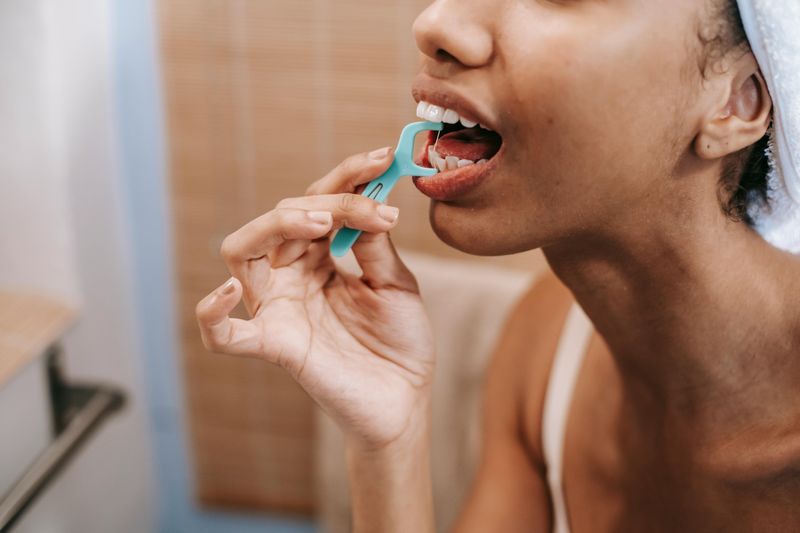
Oral care is one of the most overlooked “anti-aging” routines, because people tend to separate it from beauty, even though a healthy smile changes your whole face.
When flossing is inconsistent and cleanings are delayed, plaque and inflammation can build up, which can lead to gum issues that affect the look of your teeth and the shape of your smile over time.
Bad breath and tooth sensitivity can also make you subconsciously smile less, which instantly reads as older, more guarded, and less vibrant in photos and in real life.
The fix is surprisingly manageable when you keep it simple and predictable.
Put floss where you’ll actually use it, link brushing to another habit you never skip, and schedule cleanings like you would any other appointment, because prevention is far cheaper than repairs and far easier than regret.
Comments
Loading…