
 Hailey Watson
In a world where it can feel like everyone is documenting every brunch, workout, and life milestone, the people who rarely post about themselves can seem like a mystery.
It’s easy to assume they’re shy, disconnected, or “hiding,” but psychology suggests there are many healthier, more intentional reasons someone might keep their personal life off the feed.
For some, it’s about privacy and control; for others, it’s about mental peace, deeper relationships, or simply not needing applause from the internet to feel good.
Of course, social media habits don’t diagnose personality, and people can be quiet online for practical reasons, too.
Still, patterns do show up.
Here are seven traits that people who don’t post photos or updates about themselves often share, and what those traits can look like in everyday life.
1. Higher privacy boundaries
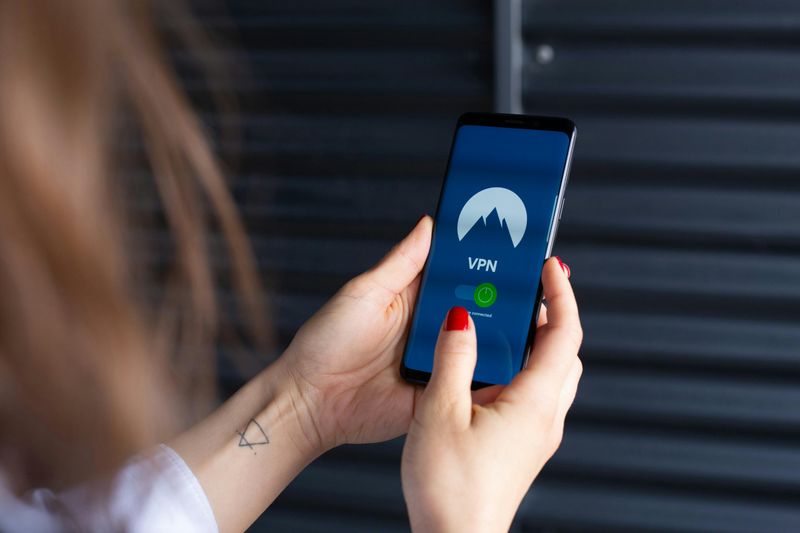
Keeping personal photos and updates off social media often comes from a clear sense of what feels private versus what feels shareable.
Rather than seeing posting as harmless, these individuals tend to view their identity, relationships, and daily routines as information that deserves protection.
Psychologically, that points to stronger boundary-setting and a desire to control the context in which they’re seen.
They may be comfortable opening up, but only in spaces that feel safe, specific, and earned, such as close friendships or family conversations.
This approach isn’t about secrecy as much as it is about consent: they want to decide who has access to their life and when.
In practice, they might share highlights in person, send photos directly to friends, or keep memories for themselves instead of turning them into content.
2. Lower need for external validation
Not everyone needs likes and comments to feel confident, and people who avoid posting about themselves often fall into that category.
Their self-worth is more likely to come from internal sources, such as personal standards, relationships, or a sense of competence, rather than from public approval.
In psychology terms, they may have less “contingent self-esteem,” meaning their mood and confidence don’t rise and fall based on how others respond.
That doesn’t mean they’re immune to insecurity, but they may be less motivated by attention and less interested in curating an image to keep others impressed.
Over time, this can make social media feel optional rather than essential.
They might still enjoy scrolling or messaging, but broadcasting personal milestones can feel unnecessary, especially if the main payoff would be validation they don’t strongly crave.
3. More selective self-presentation
Some people treat social media like a public bulletin board, not a personal diary, and that mindset usually leads to fewer selfies and life updates.
Instead of sharing impulsively, they’re more likely to post only when there’s a clear purpose, such as promoting work, supporting a cause, or celebrating someone else.
Psychologically, this reflects intentional impression management: they understand that online spaces shape how people perceive them, so they choose what fits the identity they actually want to communicate.
Often, it’s not that they have nothing to share, but that they don’t see everyday moments as “content.”
They may prefer to be known through their values, ideas, or creativity rather than through constant snapshots of their personal life.
As a result, their accounts can look quiet even when their real life is full.
4. Greater sensitivity to judgment or scrutiny
For some, silence online is less about privacy and more about avoiding the feeling of being evaluated.
Posting a photo or a personal update can trigger worries about criticism, misinterpretation, or even the awkwardness of being perceived too closely.
This doesn’t always mean severe social anxiety; it can also show up as perfectionism, where someone hesitates to share unless everything looks “right.”
Psychologically, people who are sensitive to judgment often anticipate negative feedback more strongly than others, which makes the cost of posting feel higher than the benefit.
They may replay what they wrote, fear looking attention-seeking, or worry their post will invite comparisons.
Over time, the easiest solution becomes not posting at all.
In real life, they might be warm and expressive, but they feel safer keeping that expression in smaller, trusted circles.
5. Preference for deeper, private connection
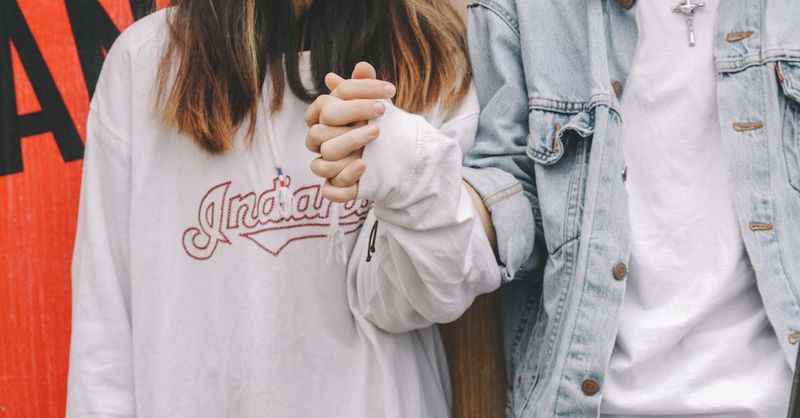
A quieter social media presence can also signal that someone prefers intimacy over broadcasting.
Rather than communicating through public posts, they’re more likely to nurture relationships through direct messages, long phone calls, group chats, or in-person time.
From a psychology perspective, this reflects a stronger pull toward “bonding” communication, which builds closeness, instead of “broadcast” communication, which reaches many people but often stays surface-level.
They may feel that personal updates belong in conversations where context and empathy exist, not in a feed where people scroll quickly and react without understanding the full story.
This trait often shows up as loyalty and consistency: they remember details, check in privately, and show up in meaningful ways.
They’re not less social; they’re just less public.
Their relationships can feel more grounded because they’re built on genuine exchange, not performance.
6. Lower Social Comparison Habits
Avoiding personal posting can be a way of stepping out of the comparison loop that social media quietly encourages.
When people share curated highlights, it becomes easy to measure your looks, success, relationship, or lifestyle against someone else’s best moments, even when you know it isn’t the full truth.
Psychology research often links frequent social comparison—especially “upward” comparison—to worse mood and lower self-esteem.
People who post less about themselves may be more aware of that trap, or they may naturally be less inclined to compete for attention.
They might still use social media, but they aim to keep it from becoming a scoreboard.
Not posting can reduce the pressure to “prove” anything, which protects mental space for real goals and real joy.
In everyday life, they tend to focus more on personal progress than on how their life looks from the outside.
7. More Cautious, Risk-Aware Thinking
Choosing not to post personal photos and updates often reflects a practical awareness of long-term risks.
Some people think beyond the moment and consider how a digital footprint can affect future opportunities, safety, and privacy.
Psychologically, this can be tied to higher risk perception and more future-oriented decision-making, which makes them less likely to share casually.
They may worry about identity misuse, unwanted attention, workplace visibility, or how a post could be taken out of context years later.
This doesn’t mean they’re paranoid; it means they’re careful with what becomes permanent.
They might also be mindful of other people’s privacy, avoiding posts that reveal friends, partners, or children without consent.
In real life, they’re often the ones who read terms, check settings, and think twice before oversharing.
Their quietness online is less about fear and more about protecting what matters.
Comments
Loading…