
 Chloe Peterson
Why Friendships Get Harder as You Age (and What to Do About It)

Friendships don’t usually “end” in adulthood as much as they evolve, often in ways that feel personal even when they’re completely normal.
In your 20s, you’re surrounded by potential friends simply because your life is built around shared spaces, shared schedules, and shared milestones.
As the decades pass, the automatic closeness fades and gets replaced by something more intentional, which can be confusing if you expect friendship to stay effortless forever.
Work pressures, relationships, parenthood, money realities, health changes, and caregiving can all reshape who you see, how often you talk, and what you expect from each other.
The good news is that you can adapt without forcing friendships that no longer fit, and you can build new connections at any age.
The key is learning what each decade does to your time, energy, and needs, and adjusting your approach accordingly.
1. Your 20s are built on proximity — coworkers, roommates, and “who’s around” friendships dominate.

In your 20s, friendships often form because your lives overlap in simple, constant ways.
You see the same people at work, in classes, at parties, or through roommates and mutual friends, and that frequent exposure creates connection quickly.
Because everyone’s schedules are still relatively flexible, hanging out feels spontaneous, even when it’s happening because you’re all in the same place at the same time.
That closeness can be real, but it’s also fragile, since it depends on routine rather than deliberate effort.
When a job changes, a lease ends, or someone moves, the friendship can suddenly feel distant.
Adapting means noticing which relationships have depth beyond convenience and making small moves to keep them alive, like planning a monthly catch-up or turning casual hangouts into intentional traditions.
2. Your 20s also come with fast fallouts — people move, change, or disappear as identities shift.

Early adulthood is full of identity shifts, and friendships can feel like they change overnight because people are still figuring out who they are.
One friend gets serious about a career, another starts traveling constantly, and someone else enters a relationship that becomes their whole world, which can make old dynamics feel incompatible.
Sometimes the fallout isn’t dramatic at all, but rather a slow confusion where texts go unanswered and inside jokes stop landing.
It’s easy to take that personally, yet many of these friendship breaks are simply the result of changing priorities and new environments.
The healthiest adaptation is learning to grieve what was without trying to force the past back into place.
Instead, focus on leaving the door open with warmth, while also investing in friendships that match the direction your life is heading now.
3. In your 30s, friendships become scheduled — calendars replace spontaneity, and plans take effort.

Once careers, relationships, and family responsibilities stack up, friendship stops fitting into the leftover cracks of your week.
Time that used to feel abundant becomes carefully guarded, and even people who genuinely love each other may go months without a real catch-up if nobody takes the lead.
This can create a strange emotional whiplash where you feel close to someone in your heart, but your life doesn’t reflect that closeness in practice.
Planning ahead can feel unromantic, yet it’s often the only way adult friendships survive.
Adapting means shifting your mindset from “we’ll hang out soon” to “let’s pick a date.”
You can also make plans easier by choosing predictable routines, like a standing coffee, a monthly dinner, or a shared hobby that automatically creates face time without endless back-and-forth texting.
4. Life-stage splits get real in your 30s — parents vs. non-parents, single vs. partnered, career-focused vs. settled.

Friendships can start to divide along life-stage lines in your 30s, even when nobody intends for it to happen.
Parenting can swallow time and mental energy, while single friends may have more flexibility and a different rhythm, which can make both sides feel misunderstood.
Relationship status, fertility struggles, relocations, and demanding jobs can also create unspoken gaps, where one person’s “normal week” looks nothing like another’s.
The danger is turning those differences into assumptions, such as believing a parent doesn’t care anymore or assuming a single friend “doesn’t get real responsibility.”
Adapting means practicing curiosity instead of judgment and letting friendships change shape without letting them die.
You can propose hangouts that fit different realities, like early dinners, stroller-friendly walks, or occasional kid-free catch-ups, while also making space to connect over shared values instead of identical lifestyles.
5. Money differences show up more in your 30s — budgets, trips, and lifestyles can quietly divide people.

By your 30s, financial paths can diverge sharply, and friendship can feel awkward when one person can casually afford trips, pricey restaurants, or expensive activities that strain someone else’s budget.
Even when nobody is trying to show off, lifestyle differences can create quiet shame or resentment, especially if invitations come with an expectation to spend.
Some friendships fade because people assume they no longer “fit,” when the real issue is simply not talking honestly about money.
Adapting means making your friendships more budget-flexible and less performative, so connection doesn’t depend on spending.
You can suggest low-cost defaults like coffee, hikes, potlucks, or movie nights, and you can also be direct without being heavy, saying something like, “I’m keeping things simple right now, but I’d love to see you.”
The right friends will meet you where you are.
6. In your 40s, you want ease—not drama — you stop tolerating flaky, competitive, or emotionally exhausting dynamics.

As you get older, the emotional cost of certain friendships becomes harder to justify.
In your 40s, you’re often balancing responsibilities that already stretch you thin, so relationships filled with constant conflict, gossip, competition, or subtle disrespect feel exhausting rather than entertaining.
You may also notice that your tolerance for flakiness drops, not because you’ve become harsh, but because your time is genuinely valuable and your energy is limited.
This decade can be a turning point where you stop chasing people who don’t reciprocate and start prioritizing friends who feel steady and safe.
Adapting means giving yourself permission to choose quality over history, even if you’ve known someone for years.
It also means learning to communicate boundaries with kindness, so you can protect your peace while still leaving room for genuine connection and growth.
7. Caregiving and stress change everything in your 40s — aging parents, teens, health issues, and burnout affect availability.

Midlife can bring a new kind of pressure that reshapes friendships in ways people rarely talk about.
Aging parents may need support, teenagers can require constant attention, and health issues or burnout can make social plans feel like one more task rather than a relief.
Even when you love your friends, you might not have the emotional bandwidth to show up the way you used to, and that can create guilt or embarrassment that makes you withdraw further.
Adapting means being honest about your capacity instead of disappearing, because silence often gets misread as indifference.
You can stay connected through smaller, sustainable touchpoints like voice notes, short walks, or a quick lunch instead of an all-night hangout.
Friends who understand this season will appreciate transparency and consistency, even if your availability looks different than it did a decade ago.
8. Beyond 50, friendship becomes a lifeline — community and “chosen family” matter more than a huge circle.

As routines change and family structures shift, friendship can become one of the most stabilizing forms of support you have.
Kids may leave home, careers can slow down or end, and life may bring losses that make connection feel less optional and more essential.
At this stage, many people discover that a wide circle matters less than a dependable network of a few people who truly show up.
You might also find yourself craving friends who share interests, values, and a similar pace, rather than friendships based mainly on history.
Adapting means treating community as something you build intentionally, not something that magically appears.
Joining groups that meet regularly, volunteering, taking classes, or committing to shared rituals can keep your social life active in a way that protects your well-being.
The goal is not constant socializing, but consistent belonging.
9. Adapt by building rituals, not relying on vibes — monthly dinners, standing calls, yearly trips, consistent check-ins.

Adult friendship often fails when it depends on spontaneity, because modern life rarely leaves enough open space for things to happen naturally.
Instead of waiting for the perfect moment to catch up, strong friendships are more likely to survive when they have built-in structure.
A ritual doesn’t have to be rigid or time-consuming, but it should be predictable enough that neither person has to constantly initiate from scratch.
This could look like a monthly dinner, a weekly call during a commute, a standing gym class together, or a yearly weekend trip that becomes non-negotiable.
Adapting also means being the person who suggests the ritual in the first place, even if that feels vulnerable.
When your friendship has a rhythm, it becomes easier to stay emotionally close during busy seasons, because you’re not constantly rebuilding connection from zero every time life gets hectic.
10. Adapt by making connection simple and low-pressure — short hangs, daytime plans, walks, shared errands, “thinking of you” messages.
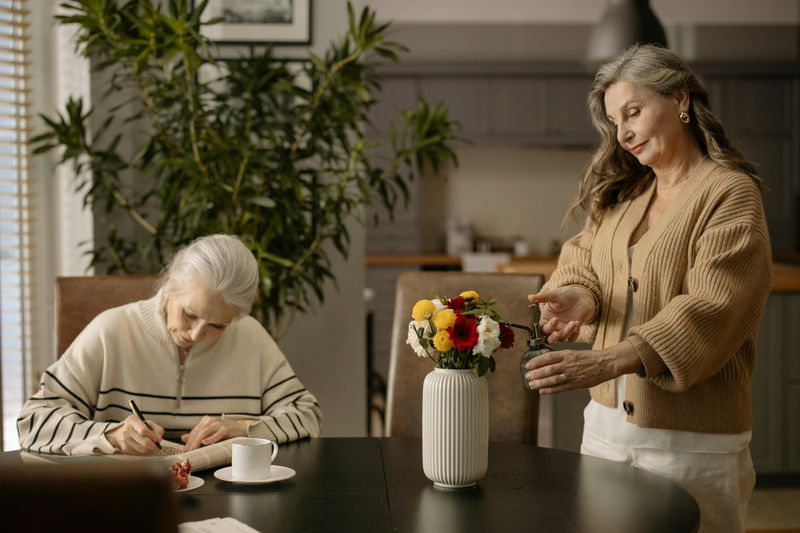
One of the best ways to keep friendships alive through adulthood is to remove the invisible pressure that every hangout must be meaningful, long, or expensive.
When people are busy or stressed, they often avoid making plans because they assume it will require a huge time commitment or emotional energy they don’t have.
Making connection easier lowers the barrier and increases consistency, which matters more than occasional grand gestures.
Adapting can look like inviting a friend to run errands with you, meeting for a quick coffee instead of a long dinner, taking a walk after work, or sending a “thinking of you” message without needing a full conversation.
You can also normalize shorter catch-ups, so nobody feels guilty for leaving early or keeping it simple.
Friendships thrive when they feel doable, and “doable” is often what makes them last.
Comments
Loading…