
 Mary Murphy
We all have those topics that make family dinners awkward and friendly chats turn tense.
Some opinions seem harmless at first, but they have a special power to spark heated debates faster than you can say “let’s agree to disagree.”
Whether it’s about food, entertainment, or lifestyle choices, certain viewpoints hit nerves and get people fired up.
Understanding which opinions tend to cause friction can help you navigate conversations more smoothly or at least prepare for the storm that’s coming.
1. The Best Star Wars Movie

Ask any group of fans which Star Wars film reigns supreme and prepare for battle.
Original trilogy purists clash with prequel defenders, while sequel supporters try to make their voices heard over the chaos.
Some argue The Empire Strikes Back represents peak filmmaking with its darker tone and shocking revelations.
Others champion A New Hope for starting everything or insist Revenge of the Sith deserves more respect than it receives.
Every generation has their favorite, shaped by when they first discovered the galaxy far, far away.
This passionate fandom means opinions run deep and compromise feels impossible when discussing these beloved space operas.
2. Going Vegan or Vegetarian
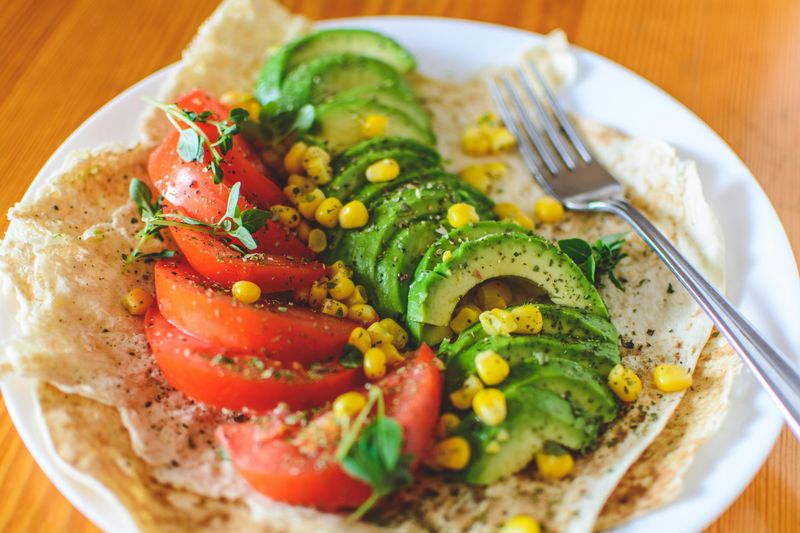
Announcing dietary changes, especially cutting out animal products, often triggers surprisingly strong reactions.
Meat-eaters might feel judged or defensive, while plant-based eaters face endless questions about protein sources and nutrition.
The conversation quickly escalates beyond personal choice into debates about health, environmental impact, and animal rights.
Family gatherings become particularly tricky when accommodating different diets means preparing multiple meals or explaining food choices repeatedly.
Social situations grow awkward when your plate becomes a conversation starter.
Both sides feel misunderstood—vegans tired of justifying their choices, omnivores exhausted by perceived moral superiority—making this topic a guaranteed argument starter.
3. Politics and Voting Choices

Politics remains the ultimate conversation minefield.
Bringing up elections, policies, or political figures at gatherings practically guarantees someone will leave angry or relationships will suffer lasting damage.
Everyone believes their political views stem from logic and facts while opposing viewpoints seem obviously wrong or misguided.
This creates an impossible situation where meaningful dialogue rarely happens because emotions run too high.
Family members stop speaking, friendships crumble, and social media connections get severed over political disagreements.
The polarized climate makes finding common ground increasingly difficult, turning what should be civic discussions into personal attacks and bitter feuds that last for years.
4. The Correct Way to Load the Dishwasher

Household chores spark surprising amounts of conflict, especially dishwasher loading techniques.
Partners and roommates develop strong opinions about proper plate placement, whether bowls go top or bottom, and if utensils point up or down.
Some people meticulously arrange dishes for maximum efficiency and cleaning power.
Others toss everything in randomly, arguing that modern dishwashers handle any configuration without problems.
This seemingly trivial issue represents deeper differences in personality and approach to daily tasks.
Control-oriented people stress when others load incorrectly, while laid-back types resent nitpicking about appliance organization.
The dishwasher becomes a battleground for household harmony and personal boundaries.
5. Whether Dogs Are Better Than Cats

Animal lovers everywhere have strong feelings about which pet reigns supreme.
Dog people insist their furry friends offer unmatched loyalty and companionship that no other animal can provide.
Cat enthusiasts fire back with arguments about independence, cleanliness, and lower maintenance requirements.
They point out that felines don’t need walks at midnight or constant attention throughout the day.
Both sides present compelling evidence from personal experiences and scientific studies about pet ownership benefits.
The debate never truly ends because the answer depends entirely on individual lifestyle preferences and what qualities someone values most in a companion animal.
6. The Best Music Genre or Artist

Musical taste feels deeply personal, making criticism of favorite artists or genres hit differently than other opinions.
Dismissing someone’s beloved band or saying their preferred music lacks quality often sparks defensive reactions.
Generational divides intensify these arguments as older folks criticize modern music while younger listeners reject classic rock or oldies.
Hip-hop fans clash with country enthusiasts, metalheads debate with pop lovers, creating endless circular arguments about artistic merit.
Nobody wins these debates because music appreciation involves subjective emotional connections that logic cannot touch.
What sounds like noise to one person represents another’s entire identity and formative experiences, making musical disagreements particularly heated and personal.
7. How to Raise Children Properly

Parenting advice triggers fierce protective instincts and judgment from all sides.
Whether discussing discipline methods, screen time limits, food choices, or educational approaches, everyone suddenly becomes an expert with strong opinions.
Parents feel constantly scrutinized and criticized for their choices.
Non-parents offer unsolicited advice that parents find insulting or unrealistic, while grandparents insist modern approaches contradict their successful methods.
Breastfeeding versus formula, public versus private school, strict versus permissive parenting—every decision becomes ammunition for arguments.
Social media amplifies these conflicts as parenting philosophies turn into identity markers, making compromise impossible when everyone believes their way protects children best.
Comments
Loading…