
 Isabel Parker
From Funny to Deep: 12 Kids’ Shows Adults Secretly Love Watching Too
Cartoons aren’t just for Saturday mornings anymore.
Many shows aimed at younger audiences pack in humor, storytelling, and themes that hit differently when you’re older.
Whether it’s clever wordplay that flies over kids’ heads or emotional arcs that mirror real-life struggles, these programs offer something special for grown-ups who stick around after the credits roll.
1. Phineas & Ferb (2007–2015)
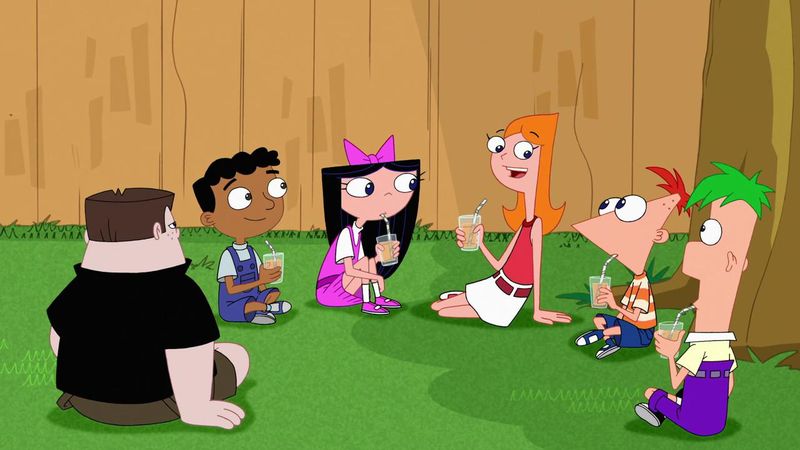
Two stepbrothers spend every summer day building impossible contraptions while their pet platypus fights evil as a secret agent.
That premise alone sounds wild, but the show’s real genius lies in its rapid-fire jokes and musical numbers that work on multiple levels.
Adults catch the pop culture references, self-aware meta humor, and surprisingly sophisticated wordplay that kids might miss entirely.
The writing never talks down to anyone, treating every viewer like they’re in on the joke.
Plus, Dr. Doofenshmirtz’s tragic backstories are genuinely hilarious parodies of villain origin tales.
His failed inventions and dysfunctional relationship with his teenage daughter feel oddly relatable for anyone navigating adulthood’s absurdities.
2. Gargoyles (1994–1997)
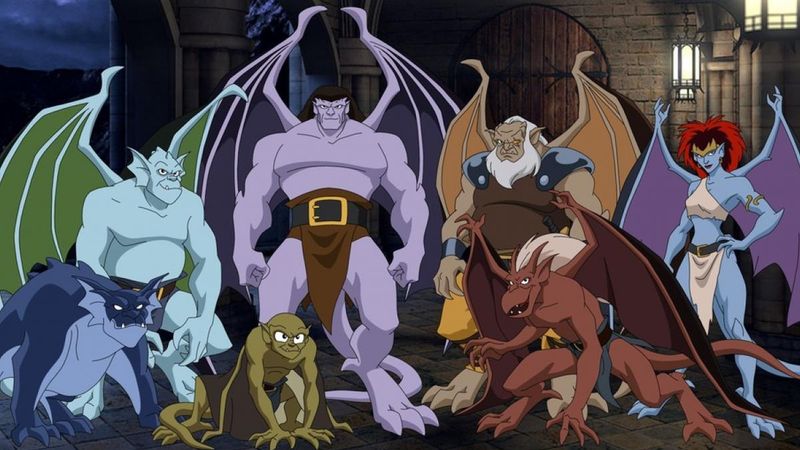
Stone warriors awaken after a thousand-year curse to protect modern New York City from threats both human and supernatural.
This wasn’t your typical Saturday morning fare—it featured serialized storytelling, Shakespearean references, and moral complexity rarely seen in animation back then.
Characters grappled with prejudice, revenge, and redemption in ways that felt genuinely mature.
The show explored what it meant to be a monster in society’s eyes while maintaining your humanity.
Voice acting from theatrical legends added gravitas to already weighty material.
Watching as an adult reveals layers of tragedy and philosophy that completely transform the viewing experience beyond simple good-versus-evil battles.
3. Regular Show (2010–2017)
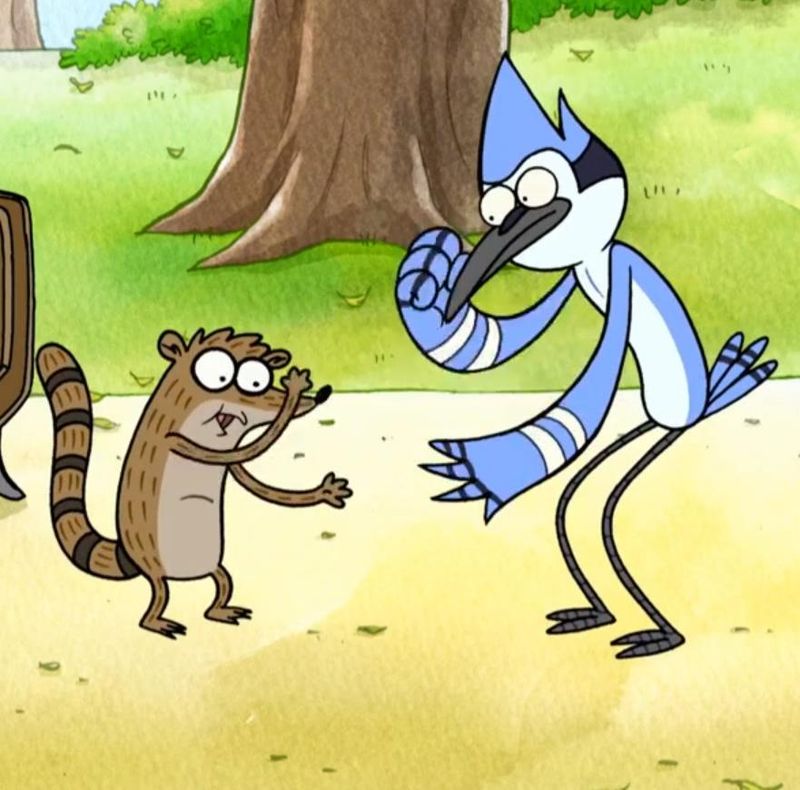
A blue jay and raccoon work as groundskeepers at a park where literally anything can happen.
What begins as workplace slacker comedy quickly spirals into interdimensional chaos, time travel, and existential crises disguised as cartoon hijinks.
The absurdist humor masks surprisingly relatable anxieties about dead-end jobs, failed relationships, and figuring out what you want from life.
Mordecai’s romantic fumbles hit different when you’ve experienced your own awkward dating disasters.
Episodes escalate from mundane tasks to universe-threatening stakes in minutes, perfectly capturing how small problems can feel catastrophically important.
The show’s willingness to get weird while staying emotionally grounded makes it endlessly rewatchable for adults.
4. Star Wars: The Clone Wars (2008–2020)

Set between Episodes II and III, this series transforms the prequel era into something genuinely compelling.
What started as a kids’ show evolved into a war drama exploring sacrifice, PTSD, political corruption, and the moral cost of conflict.
Clone troopers receive individual personalities and tragic story arcs that make Order 66 infinitely more devastating.
Ahsoka Tano grows from an annoying sidekick into one of Star Wars’ most beloved characters through genuine development.
Later seasons tackle heavy themes like war crimes, governmental overreach, and the dehumanization of soldiers bred for combat.
The animation improves dramatically over time, and the storytelling often surpasses the movies it’s meant to bridge.
5. Kim Possible (2002–2007)
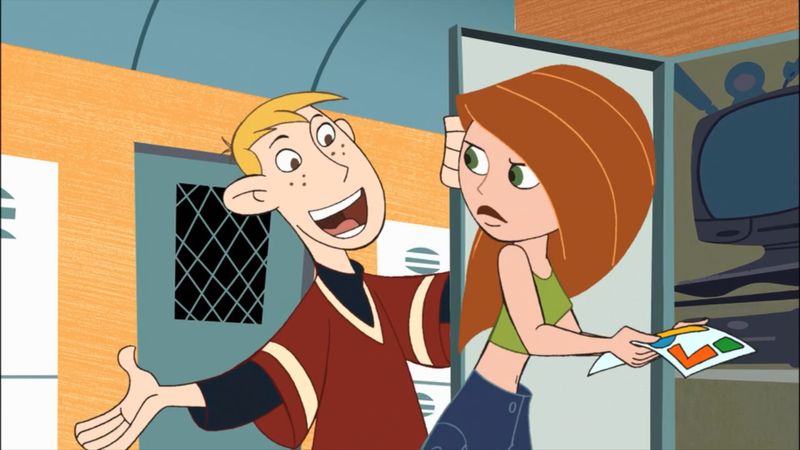
High school cheerleader saves the world between classes with help from her best friend and a naked mole rat.
The premise could’ve been pure cheese, but sharp writing and confident characterization made it something better.
Kim never apologizes for being good at everything, and the show never punishes her competence with tired “you can’t have it all” lessons.
Her relationship with Ron develops naturally over seasons without dominating every storyline.
Villains like Shego deliver perfectly timed sarcasm that adults appreciate more than kids ever could.
The action sequences hold up surprisingly well, and the early 2000s tech nostalgia hits just right for millennials revisiting their youth.
6. Gravity Falls (2012–2016)
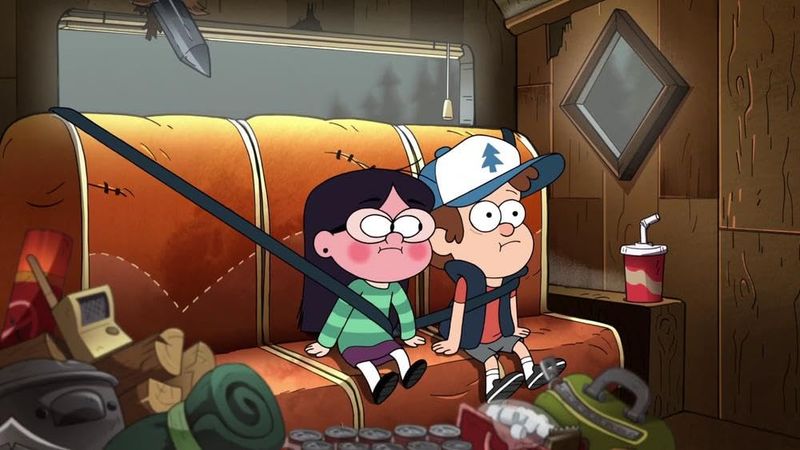
Twins spend summer with their eccentric great-uncle in a town where weirdness lurks around every corner.
Creator Alex Hirsch packed the show with hidden codes, background clues, and interconnected mysteries that rewarded obsessive viewers.
The fandom’s code-breaking and theory-crafting became legendary, turning each episode into an interactive puzzle.
But beneath the supernatural hijinks lies genuine heart—the sibling relationship feels authentic, complete with fights, sacrifices, and unconditional support.
Watching characters face their flaws and grow feels earned rather than preachy.
The finale delivers emotional gut-punches about growing up and letting go that resonate more powerfully with adults who’ve experienced those losses themselves.
7. Batman: The Animated Series (1992–1995)
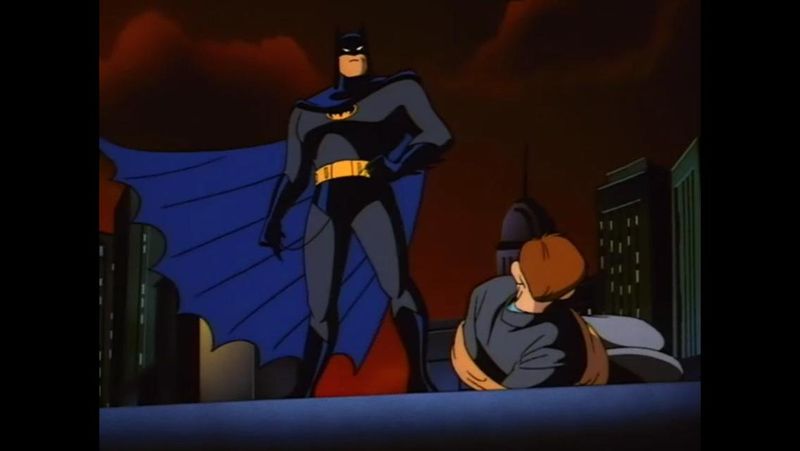
Forget everything you think you know about superhero cartoons.
This show redefined Batman for a generation with film noir aesthetics, psychological depth, and stories that treated viewers with respect regardless of age.
Mark Hamill’s Joker remains definitive, bringing manic energy and genuine menace to the character.
Episodes explored mental illness, trauma, and redemption with surprising nuance for a show that aired during afternoon blocks.
The animation style—drawn on black paper rather than white—created shadows that dripped with atmosphere.
“Heart of Ice” won an Emmy for reimagining Mr. Freeze as a tragic figure rather than a simple villain, setting the standard for superhero storytelling across all media.
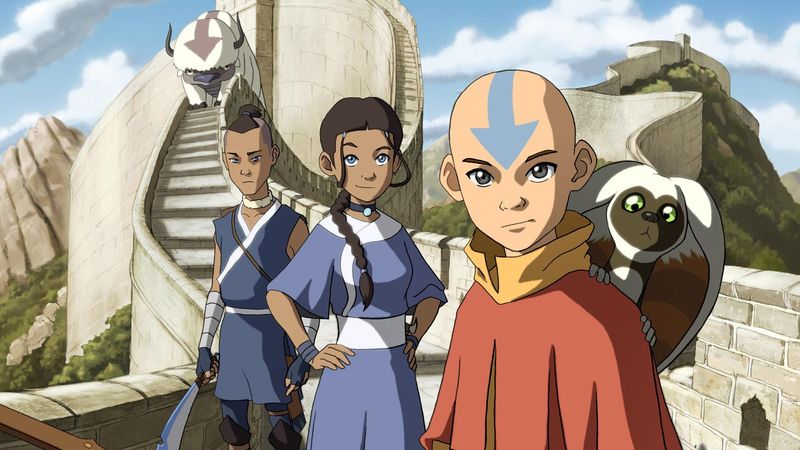
8. Avatar: The Last Airbender (2005–2008)
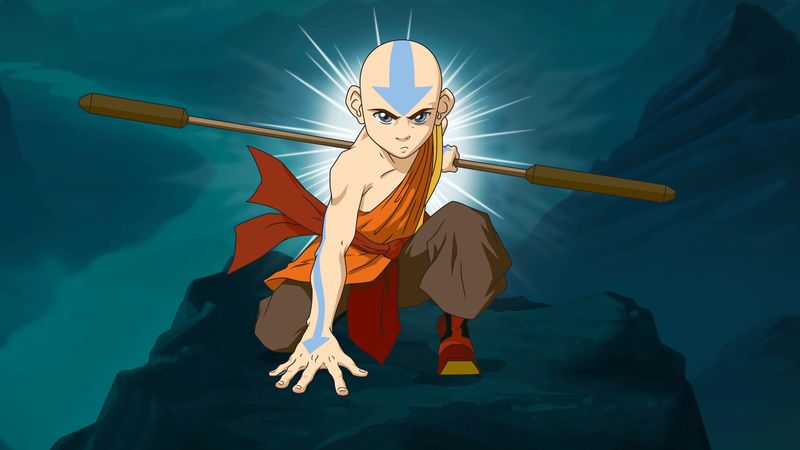
A bald kid wakes up from a century-long nap to find the world at war and only he can restore balance.
That oversimplification doesn’t capture the show’s brilliance—this is legitimately one of the best-written series in any medium.
Character development unfolds naturally across three seasons as kids deal with genocide, imperialism, toxic masculinity, and generational trauma.
Zuko’s redemption arc is studied in writing classes because it’s executed so perfectly.
The martial arts-based bending system has real-world foundations, and the world-building rivals anything in adult fantasy.
Humor balances heavy themes without undercutting them, and the finale sticks the landing in ways most shows never manage.
9. SpongeBob SquarePants (1999– )
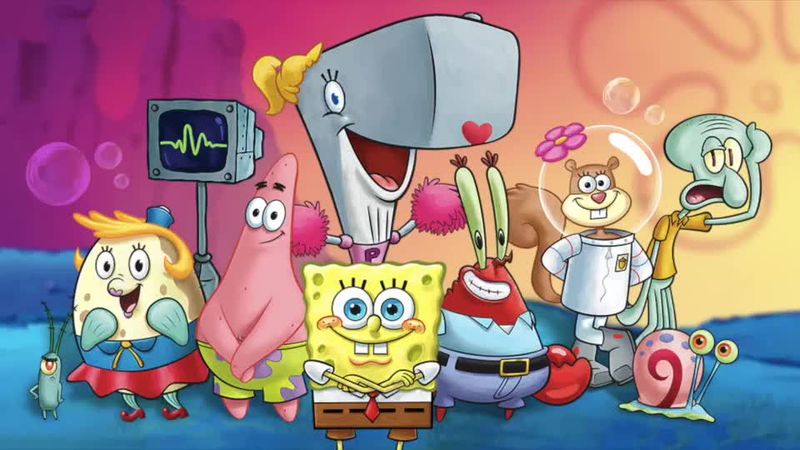
A yellow sponge flips burgers in an underwater fast-food joint.
Sounds simple, right?
Early seasons especially contain some of the sharpest, most absurdist comedy ever animated, with jokes that work completely differently depending on your age.
Adults recognize the workplace satire, existential dread hidden in Squidward’s misery, and surprisingly dark humor lurking beneath bright colors.
Episodes like “Band Geeks” and “Pizza Delivery” are genuinely perfect television.
The show’s cultural impact cannot be overstated—it’s endlessly quotable and meme-worthy decades later.
Watching now reveals how much sophisticated timing and visual comedy the creators packed into every frame, making it endlessly rewatchable.
10. Adventure Time (2010–2018)
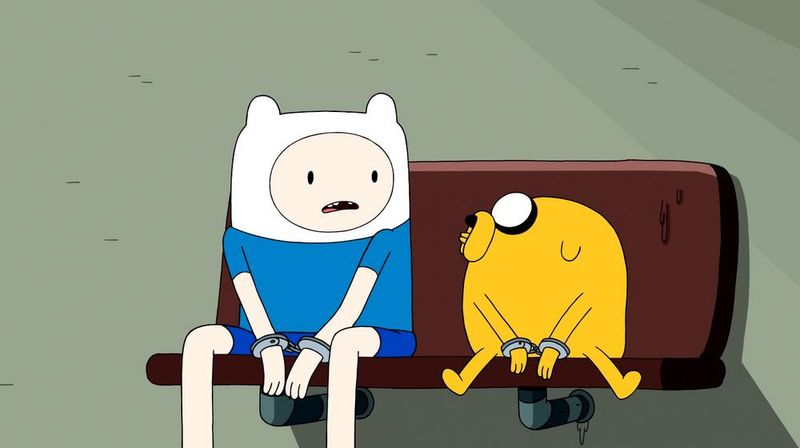
A boy and his magical dog have adventures in a candy-colored post-apocalyptic wasteland.
Early episodes feel like pure randomness, but the show gradually reveals itself as something far more ambitious and emotionally complex.
The Land of Ooo exists after a nuclear war called the Mushroom War, and that darkness seeps into everything.
Characters struggle with loneliness, mortality, and the painful reality that nothing lasts forever.
Finn grows from an innocent kid into someone grappling with heartbreak, identity, and his place in a broken world.
The show’s willingness to let characters fail, hurt each other, and sit with uncomfortable emotions makes it resonate deeply with adult viewers navigating similar struggles.
11. Hey Arnold! (1996–2004)
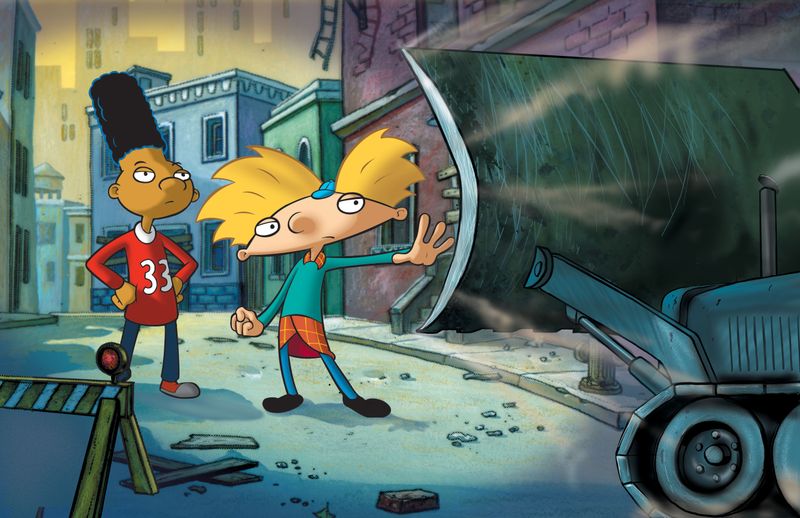
A football-headed kid lives with his grandparents in a boarding house and tries to help everyone in his diverse urban neighborhood.
This show tackled real issues—homelessness, absent parents, poverty, racism—with empathy and honesty rare in children’s programming.
Arnold serves as the moral center, but he’s never preachy or perfect.
Episodes focused on supporting characters revealed complex inner lives and backstories that added depth to what could’ve been one-dimensional cartoons.
“Pigeon Man” and “Helga on the Couch” hit different as an adult when you recognize the very real pain and struggles being depicted.
The show trusted kids to handle heavy topics while giving adults permission to feel those emotions too.
12. Totally Spies! (2001–2014)
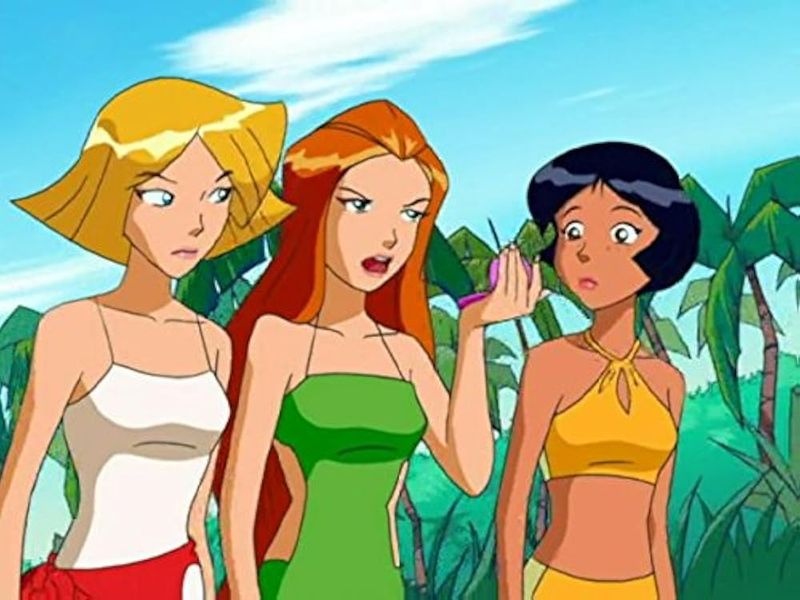
Three Beverly Hills teens get sucked through mall floors to receive spy missions from a mysterious organization.
The show is pure Y2K time capsule—questionable fashion, flip phones, and an aesthetic that’s become nostalgic kitsch.
Beneath the glitter and gadgets lies surprisingly competent action storytelling and teen drama that balances humor with genuine stakes.
The villains’ ridiculous schemes often satirized real-world vanity and corporate greed in ways kids wouldn’t catch.
Rewatching as an adult reveals how much the show leaned into camp while maintaining internal consistency and character growth.
The energy is infectious, the spy tech absurdly creative, and the whole thing feels like a sugary time machine back to a simpler era.
Comments
Loading…