
 Hailey Watson
If You Grew Up in the ’80s, These 10 Life Lessons Shaped You
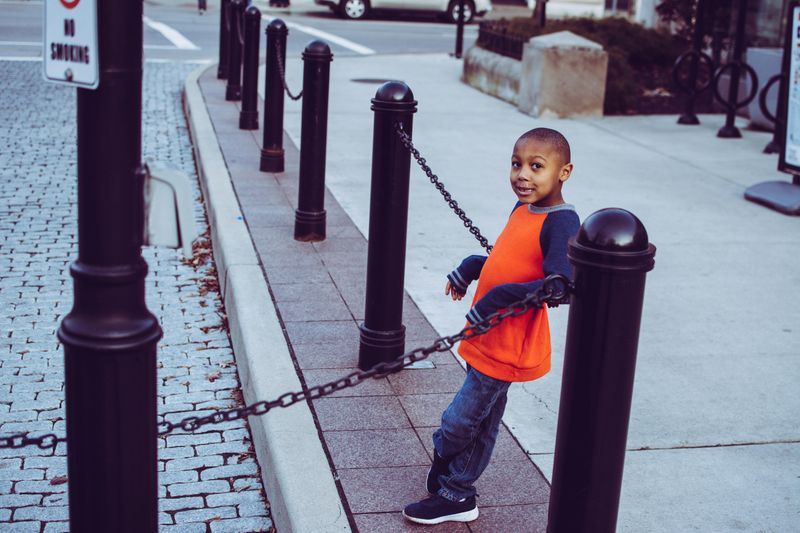
Growing up in the 1980s meant living in a world without smartphones, social media, or instant everything.
Kids spent their days outside, learned to wait for what they wanted, and figured things out on their own.
The lessons from that decade created a generation that knew how to handle boredom, bounce back from disappointment, and build real connections with people face-to-face.
1. Entertaining Yourself Without Screens

Before video games took over every living room, kids had to get creative with their free time.
A cardboard box could become a spaceship, a fort, or a race car with just a little imagination.
Boredom wasn’t something parents rushed to fix—it was the starting point for adventure.
Building things, exploring the neighborhood, and making up games taught problem-solving in ways screens never could.
You learned to entertain yourself without needing batteries or Wi-Fi.
That kind of resourcefulness stuck with you for life.
When you’re used to creating your own fun, you develop confidence in your ability to handle anything.
The ’80s taught kids that entertainment doesn’t come from a device—it comes from within.
2. Playing Without Constant Supervision

Parents in the ’80s didn’t hover over every moment of playtime.
Kids rode bikes until the streetlights came on, explored woods behind their houses, and solved their own problems.
That freedom wasn’t neglect—it was trust.
Being given space to roam taught you to make decisions and deal with consequences.
You figured out which shortcuts were safe, which kids to avoid, and how to get home before dinner.
Small risks became learning opportunities instead of reasons to panic.
Independence grew naturally when adults stepped back and let kids be kids.
That confidence in your own judgment?
It started with being trusted to handle yourself outside alone.
3. Learning From Mistakes
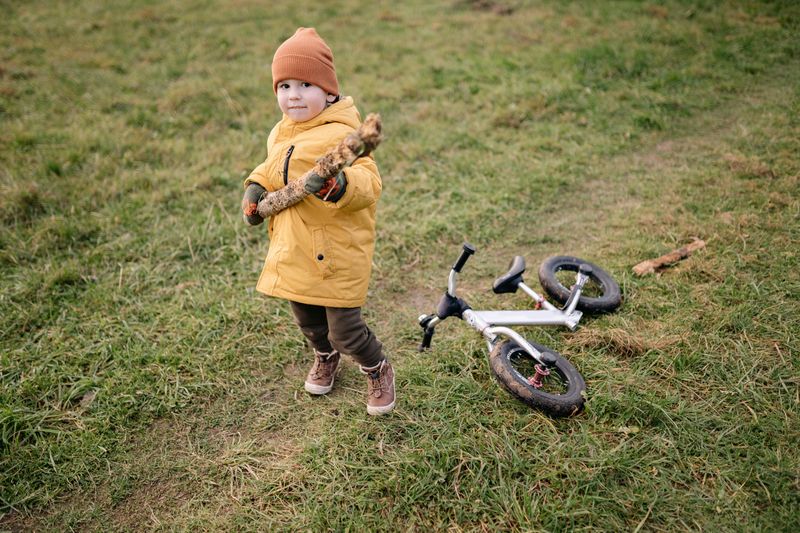
Falling off your bike, failing a test, or losing a game wasn’t treated like a tragedy in the ’80s.
Adults didn’t rush to fix everything or blame someone else.
You dusted yourself off, learned what went wrong, and tried again.
Failure was just part of growing up, not something to be avoided at all costs.
That mindset built resilience because you knew one mistake didn’t define you.
Every setback became a chance to get better, stronger, or smarter.
Kids who learned to bounce back developed real confidence—the kind that comes from knowing you can handle tough situations.
The ’80s taught that mistakes aren’t the end of the world; they’re how you grow.
4. Mastering Patience

Waiting was just part of life in the ’80s.
Your favorite TV show came on once a week, and if you missed it, tough luck.
Photos took days to develop, and phone calls meant sitting by a landline hoping your friend’s mom wouldn’t answer first.
That constant waiting taught delayed gratification in ways instant streaming never could.
You learned to anticipate, to savor things when they finally arrived, and to handle disappointment when they didn’t.
Patience became a skill, not just a virtue.
Kids who grew up waiting for things developed better emotional control and appreciation for what they had.
The ’80s proved that good things really do come to those who wait.
5. Developing Real Independence

Walking to school alone, staying home by yourself after class, or babysitting younger siblings at age twelve—these were normal parts of ’80s childhood.
Parents expected kids to handle responsibility early, and kids rose to the challenge.
Being trusted with real tasks taught self-reliance in practical ways.
You learned to make lunch, handle emergencies, and manage your time without constant reminders.
That independence built confidence that carried into adulthood.
Kids who were given responsibility early learned they were capable of more than they thought.
The ’80s generation understood that independence isn’t given—it’s earned through proving you can handle it.
6. Building Face-to-Face Social Skills

Friendships in the ’80s happened in person, not through screens.
You had to read facial expressions, pick up on tone of voice, and navigate disagreements without hiding behind a keyboard.
Social skills developed naturally because there was no other option.
Learning to communicate face-to-face meant dealing with awkward silences, misunderstandings, and hurt feelings in real time.
Those uncomfortable moments taught empathy, conflict resolution, and how to truly connect with others.
You couldn’t just ghost someone or send an emoji instead of talking.
Kids who grew up having real conversations became adults who knew how to build genuine relationships.
The ’80s taught that true connection requires presence, not just a Wi-Fi signal.
7. Handling Rejection

Not everyone got picked for the team.
Not everyone got invited to the party.
In the ’80s, rejection was visible and immediate, and kids had to deal with it without adults intervening every time feelings got hurt.
Being left out stung, but it also taught emotional toughness.
You learned that one rejection didn’t mean you were worthless, and that tomorrow was another chance.
Bouncing back became a skill you practiced regularly, not a concept discussed in therapy.
Kids who experienced rejection and survived it developed thicker skin and better perspective.
The ’80s showed that being excluded sometimes is part of life, and you’re strong enough to handle it.
8. Doing Chores Without Rewards

Allowance wasn’t tied to every task in most ’80s households.
You took out the trash, set the table, and cleaned your room because you were part of the family.
Helping out was expected, not something that earned you a trophy or cash.
That approach taught responsibility without entitlement.
You learned that contributing to your household was just what you did, not something deserving constant praise or rewards.
Work became its own reward through the satisfaction of completing tasks.
Kids who did chores without payment grew into adults who understood that not everything deserves a prize.
The ’80s instilled a work ethic based on duty and contribution, not transactions.
9. Resolving Conflict Directly

When you had a problem with someone in the ’80s, you dealt with it in person.
There were no passive-aggressive texts, no vague social media posts, and no blocking someone to avoid uncomfortable conversations.
You had to face the person and work it out.
Direct conflict resolution taught courage and communication skills that digital natives often miss.
You learned to express your feelings clearly, listen to the other person’s perspective, and find common ground.
Arguments got settled, not amplified by online drama.
Kids who resolved conflicts face-to-face became adults who weren’t afraid of difficult conversations.
The ’80s proved that real problems require real communication, not just hitting delete.
10. Valuing Privacy
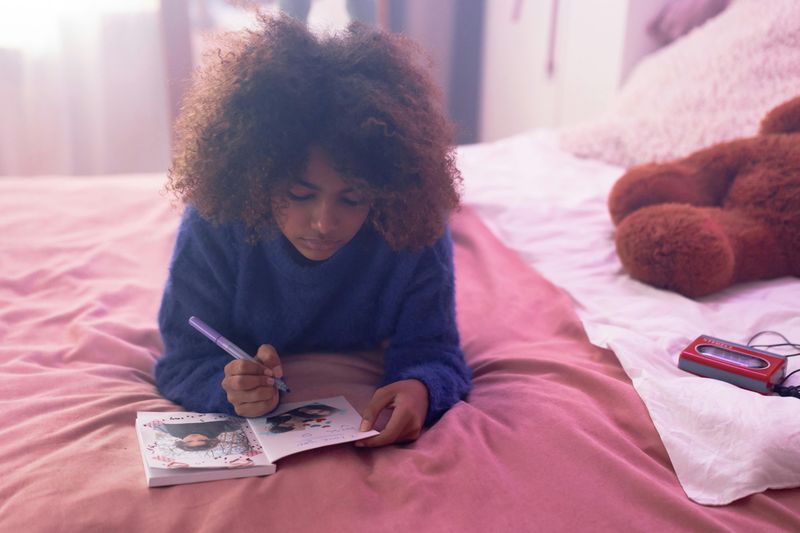
Your embarrassing moments, bad haircuts, and awkward phases stayed private in the ’80s.
There were no smartphones recording everything, no social media broadcasting your life to hundreds of people.
What happened at home or school stayed there, preserved only in memory and maybe a few photo albums.
That privacy taught you that not everything needed to be shared or documented.
Personal moments remained personal, and you learned to value experiences for themselves, not for how they’d look online.
Mistakes could be forgotten instead of living forever on the internet.
Kids who grew up with privacy developed healthier boundaries and self-awareness.
The ’80s generation understood that some things are better kept to yourself.
Comments
Loading…